UEW Holds Budget Workshop to Enhance Financial Discipline and Accountability



The University of Education, Winneba (UEW) has held a two-day Budget Implementation Workshop to strengthen institutional capacity in budget execution, accountability and prudent financial management in line with national public financial management reforms.
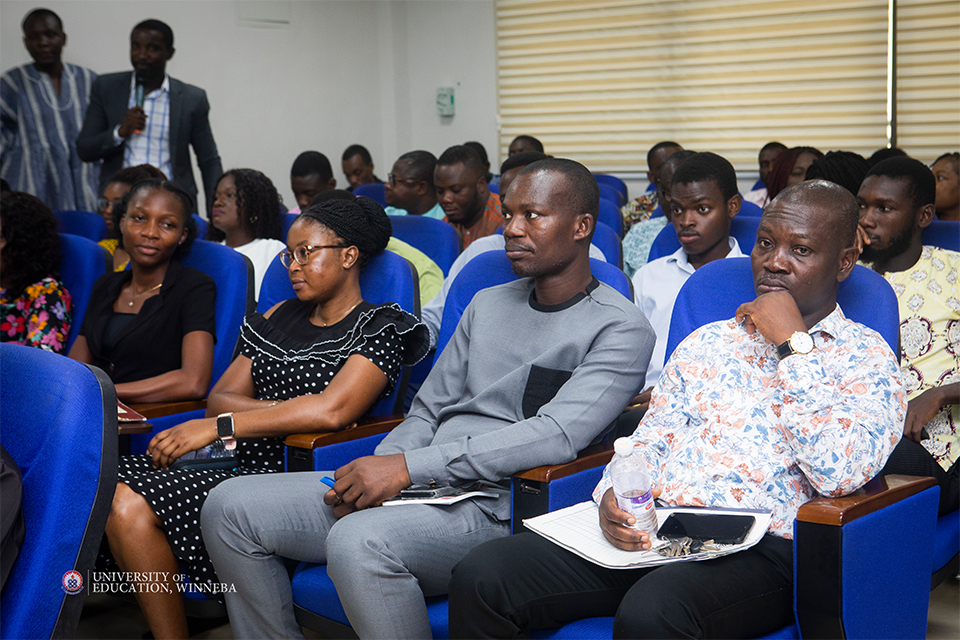
The workshop, organised by the Office of the Finance Officer and held at the North Campus Mini-Conference Room from Wednesday, 13th May to Thursday, 14th May, 2026, brought together members of management, deans, directors, heads of department, accountants and administrative officers to deliberate on the implementation of the University’s 2026 budget within the framework of the Ghana Integrated Financial Management Information System (GIFMIS).
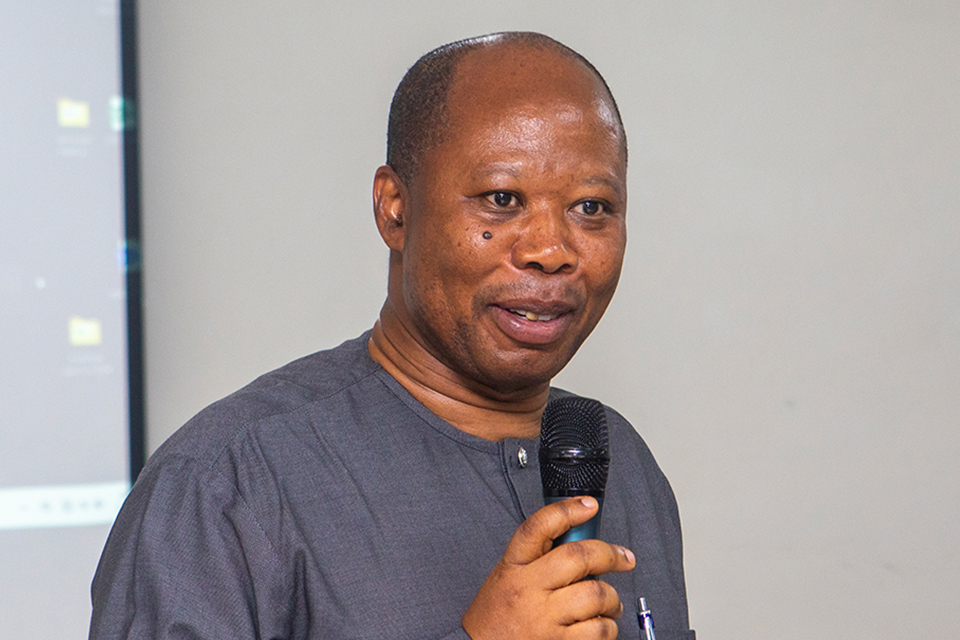
Opening the workshop, Prof. Stephen Jobson Mitchual, the Vice-Chancellor of UEW, described it as a critical platform for ensuring the disciplined, realistic and efficient execution of the University’s 2026 Consolidated Annual Estimates and Operational Plan. “This budget is the cornerstone of our financial strategy and a blueprint for our ambitions in the year ahead,” he stated, stressing that the University must focus on accountability, innovation and strict expenditure controls amid prevailing financial constraints.
Prof. Mitchual disclosed that although the University requires GHȻ1.56 billion to fully implement its planned activities for 2026 under Ghana Tertiary Education Commission (GTEC) norms, its estimated income stands at GHȻ639.58 million, leaving a funding gap of over GHȻ921 million. He further revealed that the Ministry of Finance had imposed a GHȻ200 million expenditure ceiling on the University’s Internally Generated Funds (IGF), reducing the institution’s projected IGF expenditure by approximately GHȻ117 million.
According to him, the introduction of GIFMIS has significantly changed the University’s financial operations by tightening expenditure controls and limiting spending strictly to approved budget allocations. “You cannot upload anything beyond what has been approved. We will spend only what we have. There will be no deficit financing,” he emphasised.
The Vice-Chancellor recounted how delays in financial authorisation in 2025 affected several key projects including the proposed sports complex for the 2027 Ghana University Sports Association (GUSA) Games and planned campus-wide CCTV installations. He noted, however, that the University had secured financial clearance for the 2026 budget implementation process earlier than in the previous year.
Prof. Mitchual announced that the University would prioritise the completion of strategic infrastructure projects including the Graduate School building, CODeL centres, lecture block offices, the Faculty block at Ajumako and the sports complex project. He also urged spending officers to comply strictly with the Public Financial Management Act, the Public Procurement Act and the University’s financial regulations, warning that every financial decision carries legal implications.

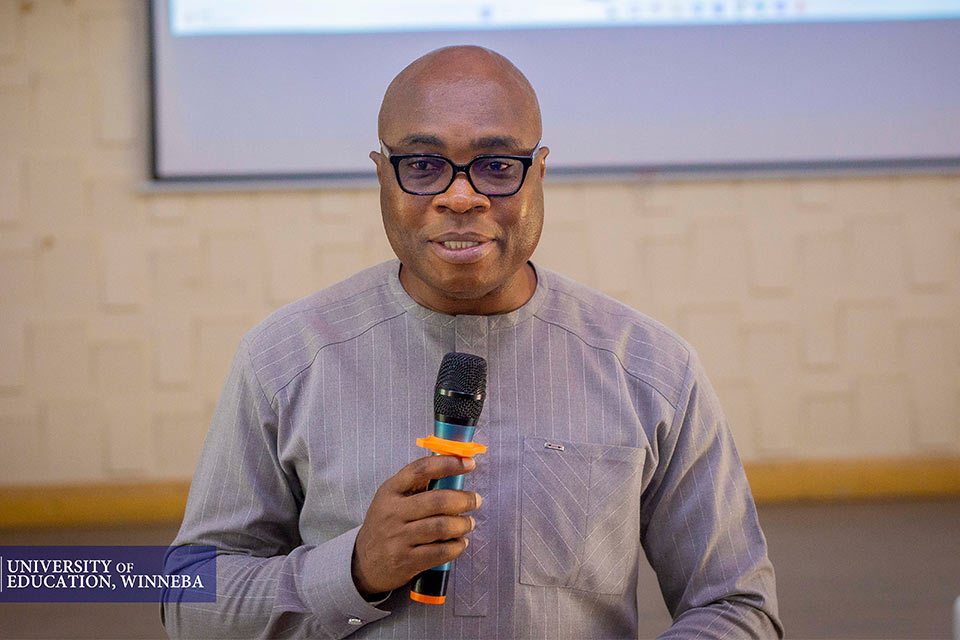
Mr. Prince Eric Amasu, Deputy Finance Officer, who delivered a presentation on the overview of the 2026 budget implementation and its challenges on behalf of the Finance Officer, stressed the importance of realistic budgeting, lawful expenditure and collective accountability. He explained that although the University recorded an unaudited surplus of GHȻ10.45 million in 2025 after generating GHȻ554.32 million in revenue, implementing the 2026 budget would require stricter discipline due to the imposed IGF ceiling and GIFMIS controls.
Mr. Amasu noted that the GIFMIS platform had made compliance mandatory, explaining that institutions could no longer spend beyond approved allocations, “even by one cedi.” He further urged heads of department and unit heads to validate staff salaries promptly to prevent overpayments, audit infractions and financial losses.
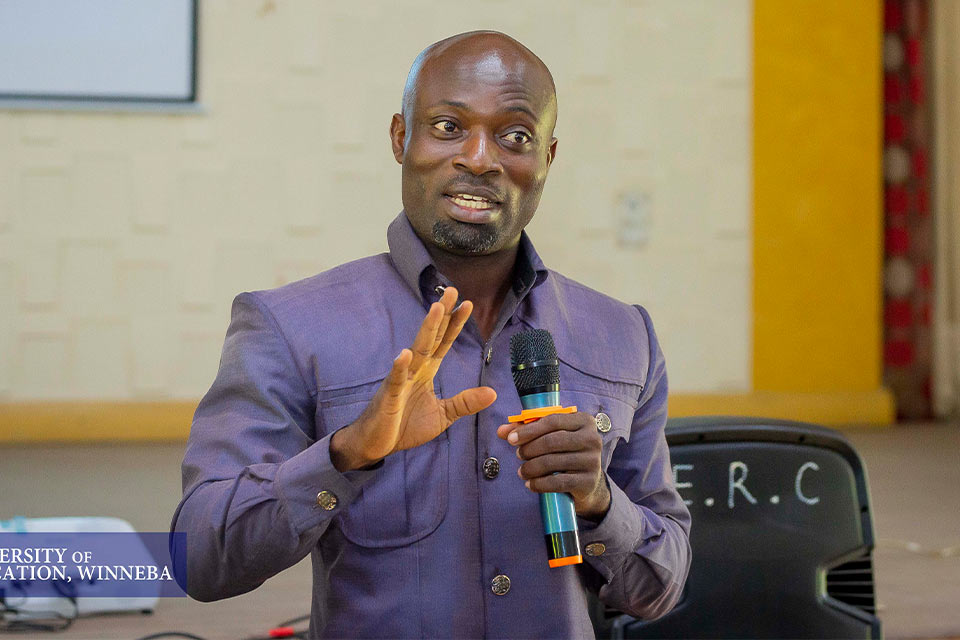
Mr. Stephen Duah, Team Lead for GIFMIS, took participants through the operational framework of the system and highlighted its role in strengthening transparency, accountability and efficiency in public financial management. He explained that GIFMIS had replaced the manual handling of financial transactions with a centralised ICT-based platform integrating budgeting, accounting, procurement, payroll, cash management and reporting systems.
According to him, the system ensures that no expenditure can be committed without an approved budgetary provision, thereby reducing waste and preventing overspending. “Today, with GIFMIS, everything entered into the system is immediately visible to central authorities. The Ministry of Finance can now see allowances, procurements, travel expenditures and every other financial transaction in real time,” he said.
Mr. Duah also cautioned that undertaking activities outside approved budgets could amount to misapplication or misappropriation of public funds under the Public Financial Management Act.
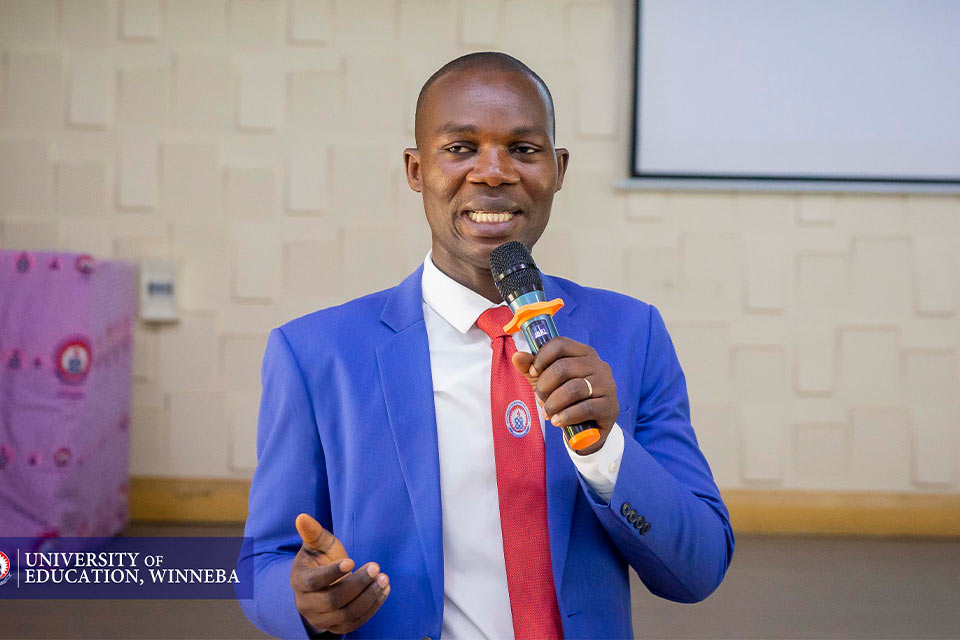
Also addressing participants, Mr. Prince Hamah Forson, Budget Officer, underscored the shared responsibility in budgeting and budget execution. He stated that deans, directors, heads of department and other budget holders play critical roles in ensuring accountability, effective resource allocation, revenue mobilisation and compliance with approved budget limits.
Mr. Forson further encouraged departments to prepare realistic budget estimates supported by evidence and aligned with the University’s strategic priorities.
The workshop is expected to equip participants with a deeper understanding of budget implementation procedures, GIFMIS compliance requirements and expenditure control mechanisms, which are necessary for enhancing financial discipline and operational efficiency across the University.