UEW PLC Project Transforms Teachers into Sustainable Change Agents — Dr. Higgins


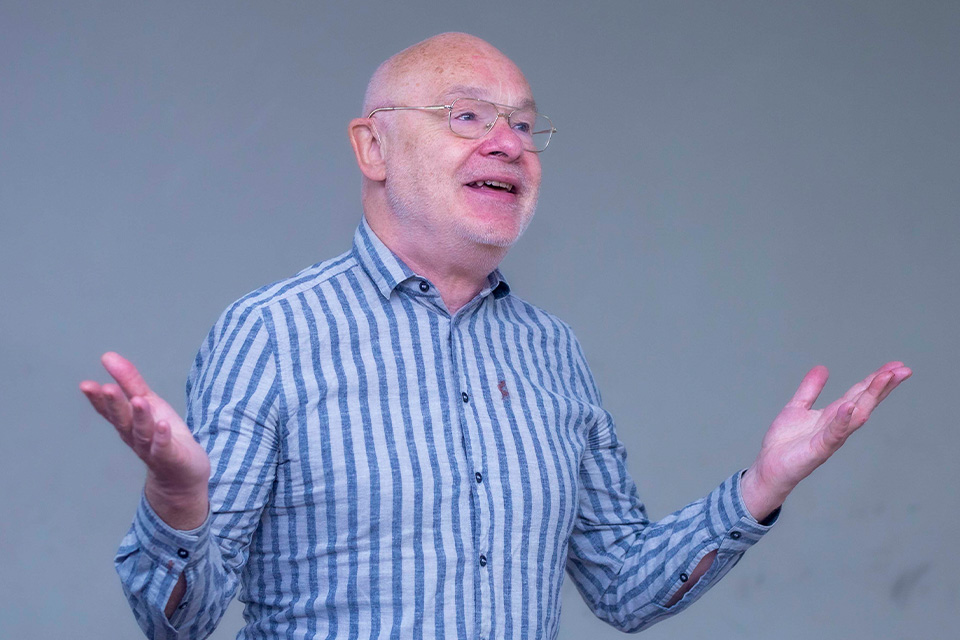
A United Kingdom partner on the University of Education, Winneba (UEW) Regional Teachers Initiative for Africa (RTIA) Project, Dr. Sean Higgins, has described the University’s Professional Learning Communities (PLC) initiative as a transformative platform for empowering teachers to become collaborative agents of sustainable change within their schools and communities.
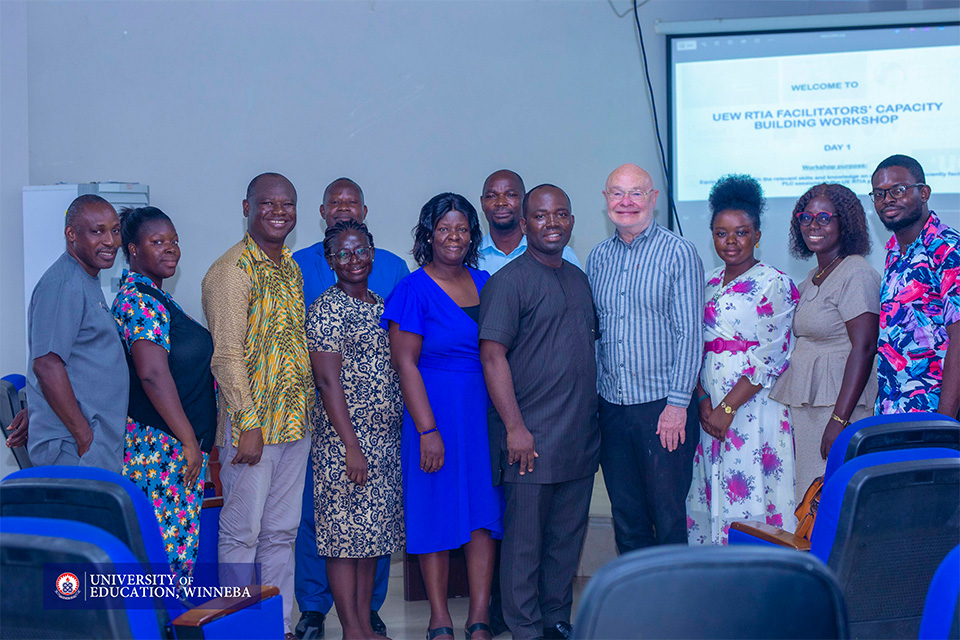
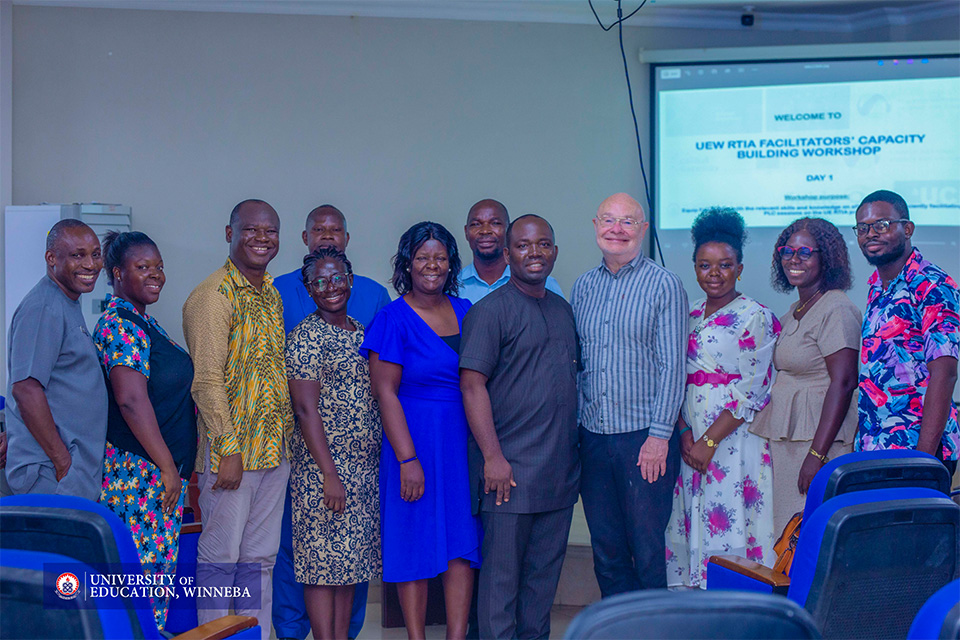
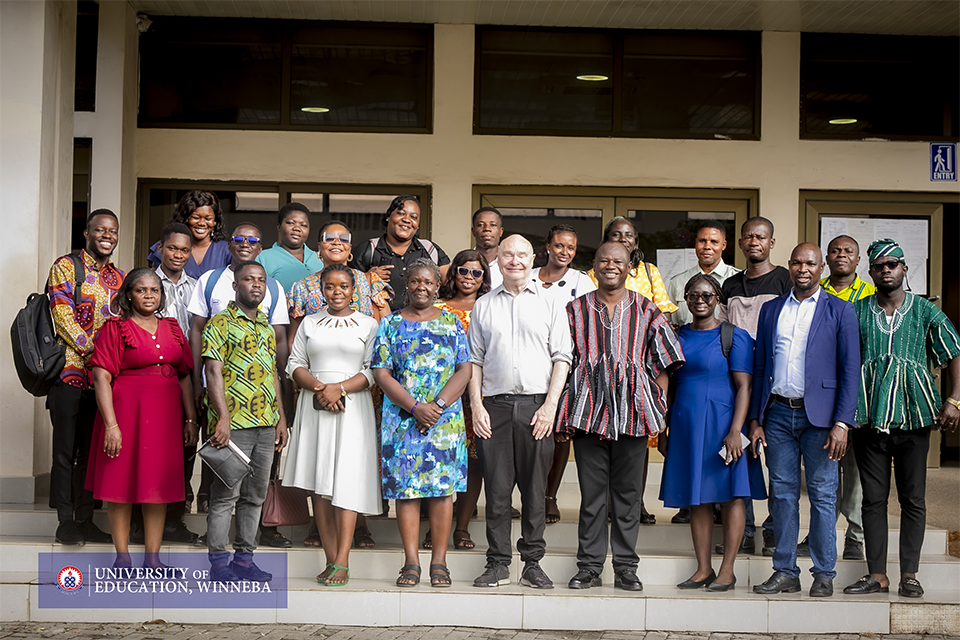
Speaking during a two-day workshop organised by a team of UEW researchers at the Students Centre Seminar Room III on Tuesday, 12th and Wednesday, 13th May 2026, Dr. Higgins said the project offers a significant opportunity to strengthen teacher agency, deepen reflective practice and transform pedagogy through collaborative learning.
The workshop, held under the UEW RTIA Project, sought to equip facilitators with the skills and knowledge required to effectively lead Professional Learning Communities. Delivering a presentation on project objectives, teacher talk and teacher agency, Dr. Higgins stressed that sustainability education must go beyond classroom instruction and be integrated into curriculum delivery, pedagogy and community engagement.
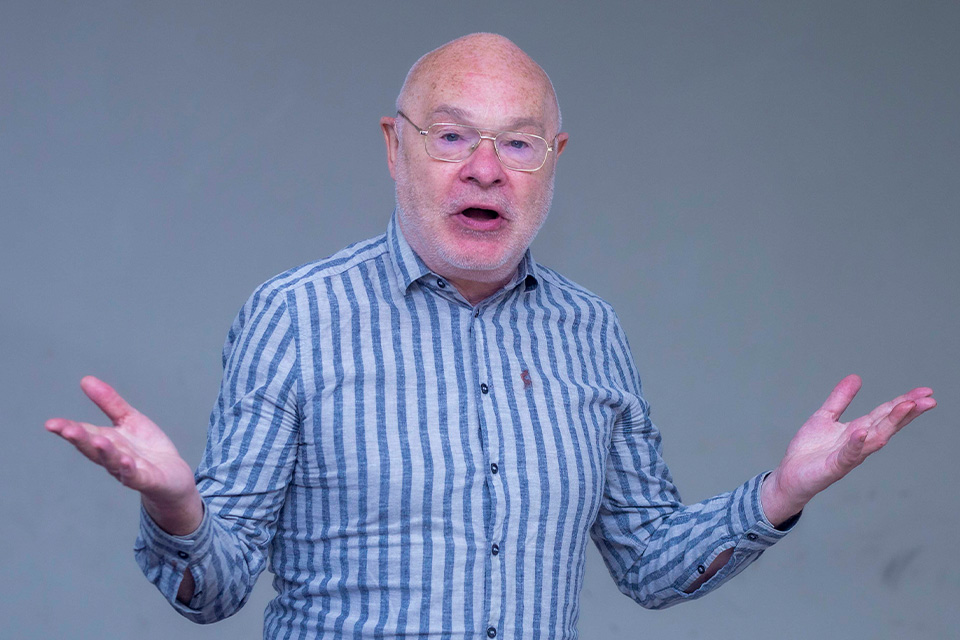
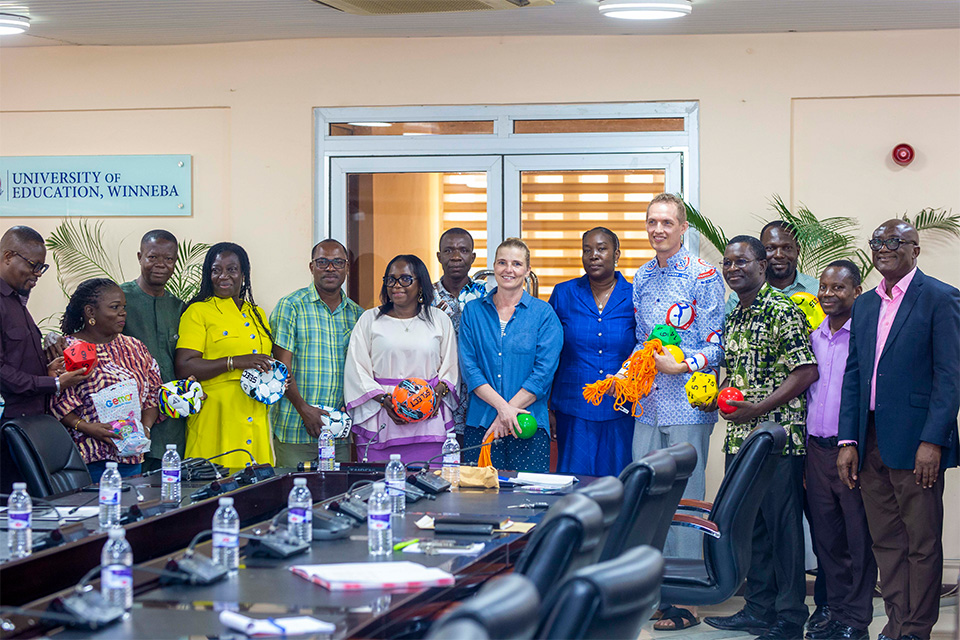
He expressed excitement about teachers’ interest in establishing sustainability clubs in schools, describing them as practical extensions of sustainability learning beyond the classroom. He also noted that implementing the project within two contrasting contexts in the Winneba enclave enriches the project’s research dimension.
Dr. Higgins underscored the importance of reflection within PLCs, explaining that teachers need intentional spaces to critically examine their practices, values and professional responsibilities amid increasing instructional demands. According to him, teacher agency is reflected in what teachers do, how they function professionally and how they influence their schools and communities.
He highlighted teacher talk as central to collaboration, confidence-building, shared learning and professional growth. He noted that conversations among teachers are critical professional tools rather than casual interactions. He commended the project handbook and workshop discussions for stimulating meaningful conversations on sustainability education and ethical responsibility towards environmental protection and future generations.
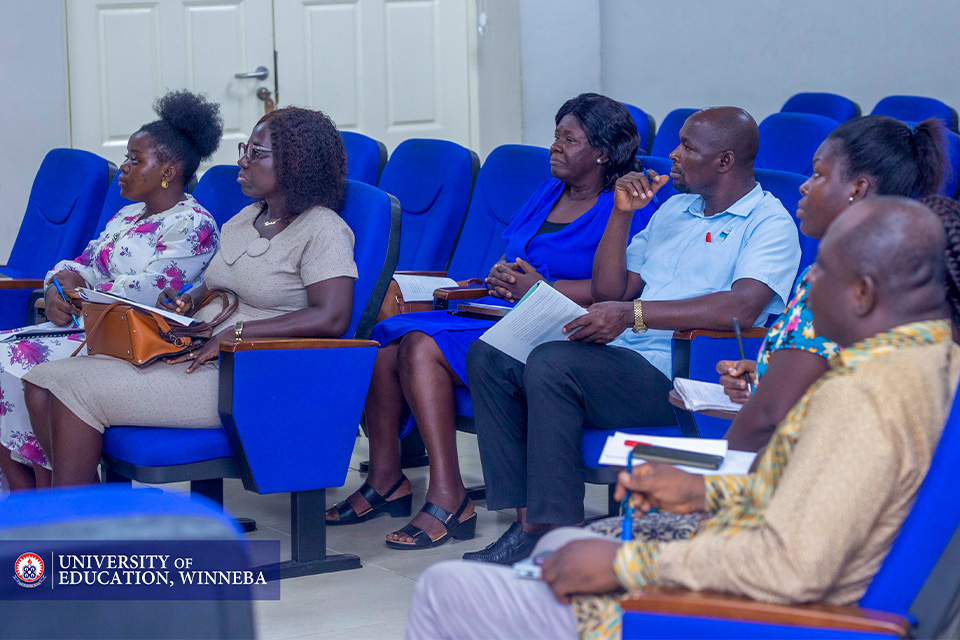
Dr. Higgins criticised educational reforms imposed without listening to teachers’ voices. He described the UEW-led initiative as significant because it deliberately values teachers’ experiences and tacit professional knowledge. He explained that PLCs strengthen teacher agency collectively by creating safe spaces for collaboration, knowledge sharing and transformational learning.
Using examples such as kente weaving and local cultural symbols, Dr. Higgins further emphasised that Ghanaian traditions embody important sustainability principles that should be preserved and integrated into teaching and learning.
The workshop reaffirmed UEW’s commitment to advancing teacher empowerment, sustainability education and collaborative professional development as critical drivers of transformative education in Ghana and beyond.