SACOST Coastal Resilience Project Highlights Urgent Need for Sustainable Solutions in Keta


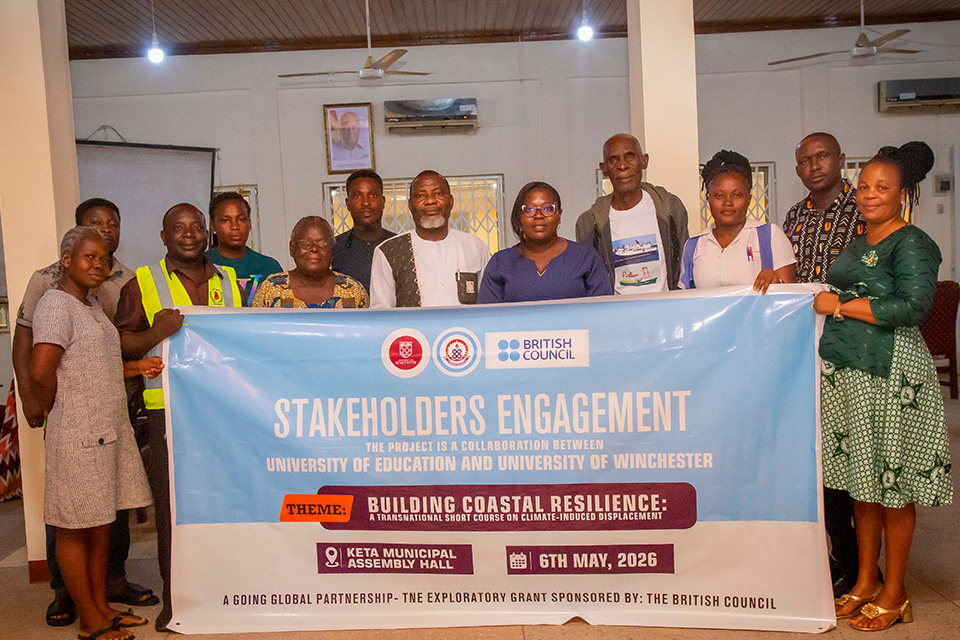
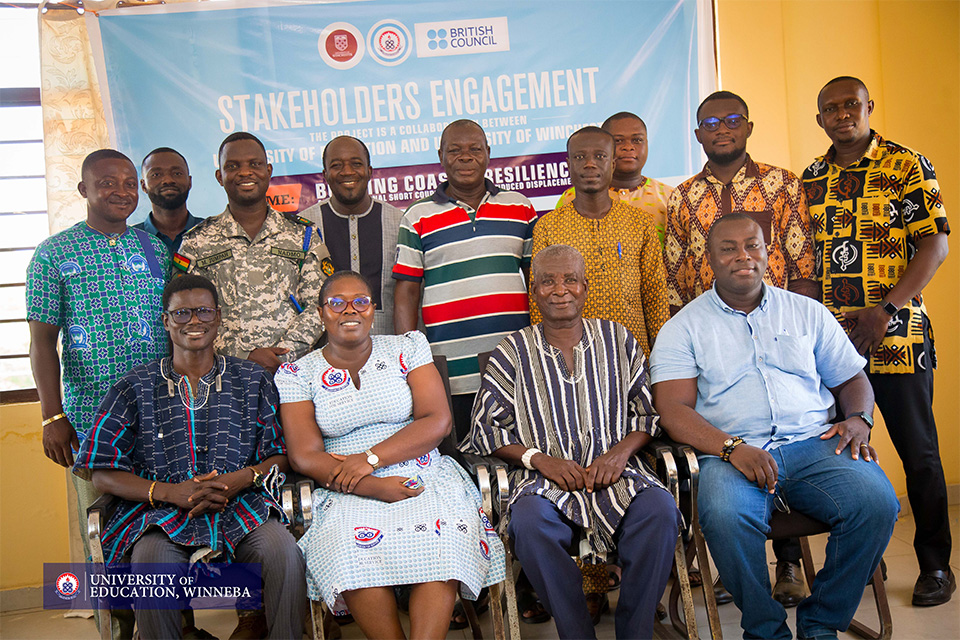
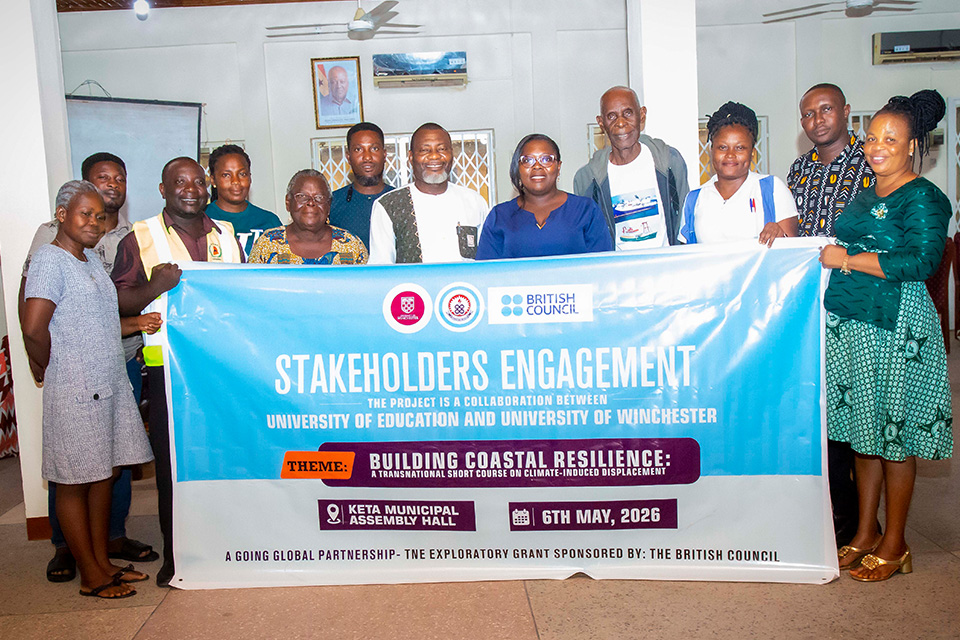
Researchers from the Centre for School and Community Science and Technology Studies (SACOST) at the University of Education, Winneba (UEW) have intensified efforts to document the lived realities of climate-induced displacement along Ghana’s eastern coastline through a stakeholder engagement at the Keta Municipal Assembly Hall.
The engagement, organised in collaboration with University of Winchester and supported by the British Council Transnational Education (TNE) Grant, forms part of a broader project titled “Building Coastal Resilience – A Transnational Short Course on Climate-Induced Displacement.”
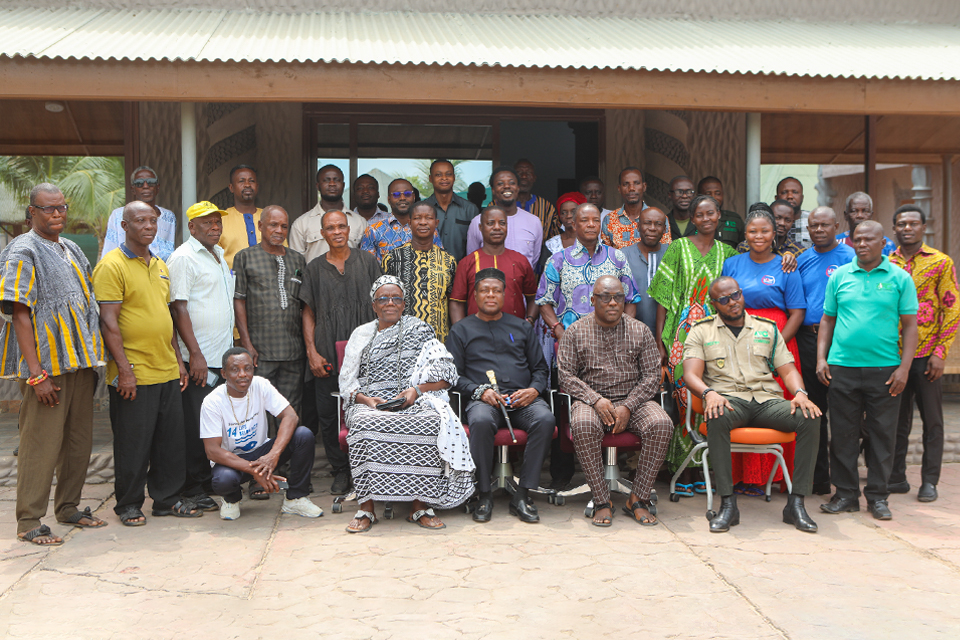
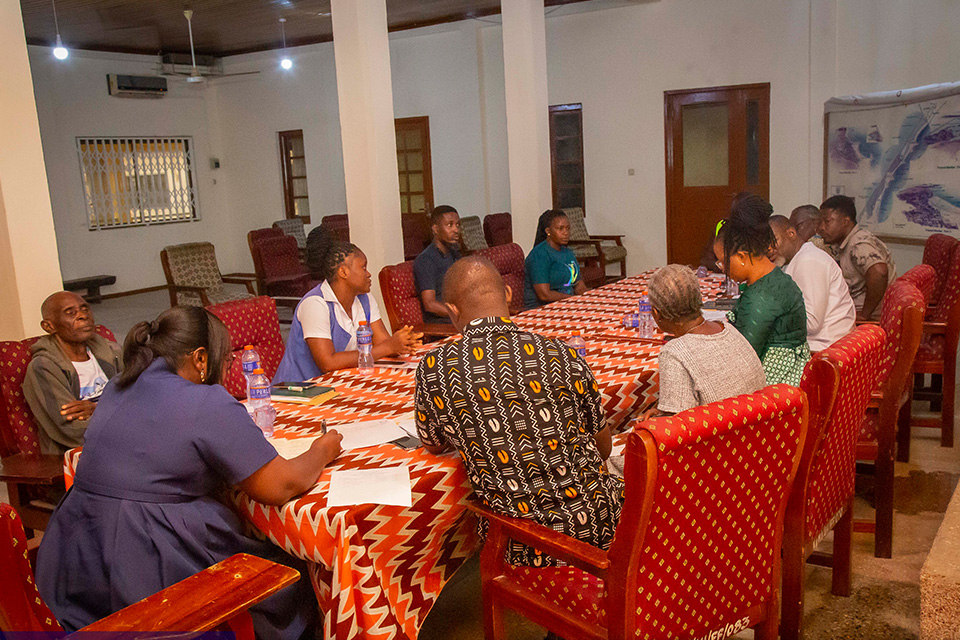
The meeting brought together traditional leaders, fishermen, local authorities and community representatives to share historical and contemporary experiences of coastal erosion and displacement in the Keta enclave.
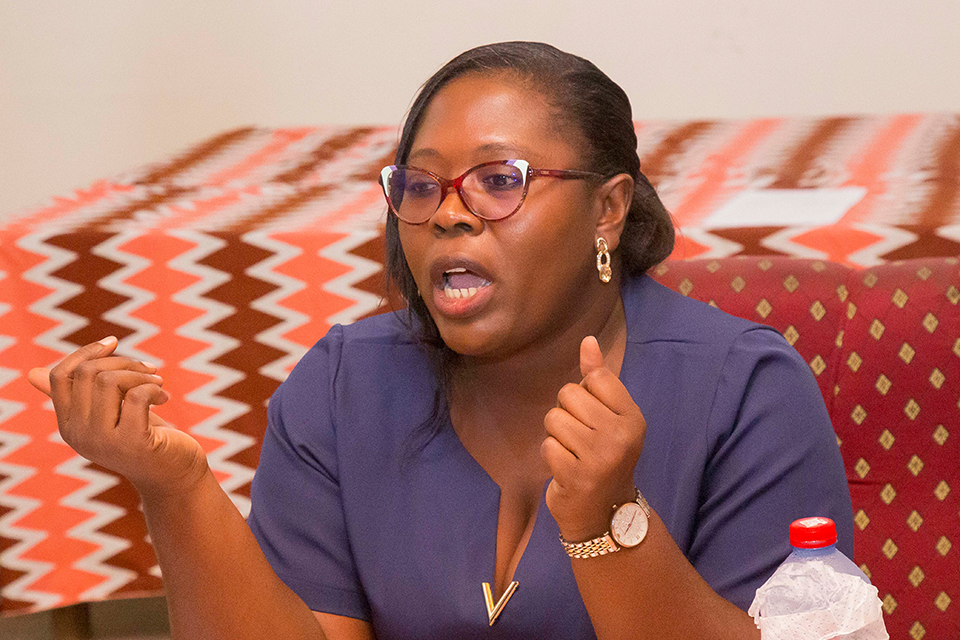
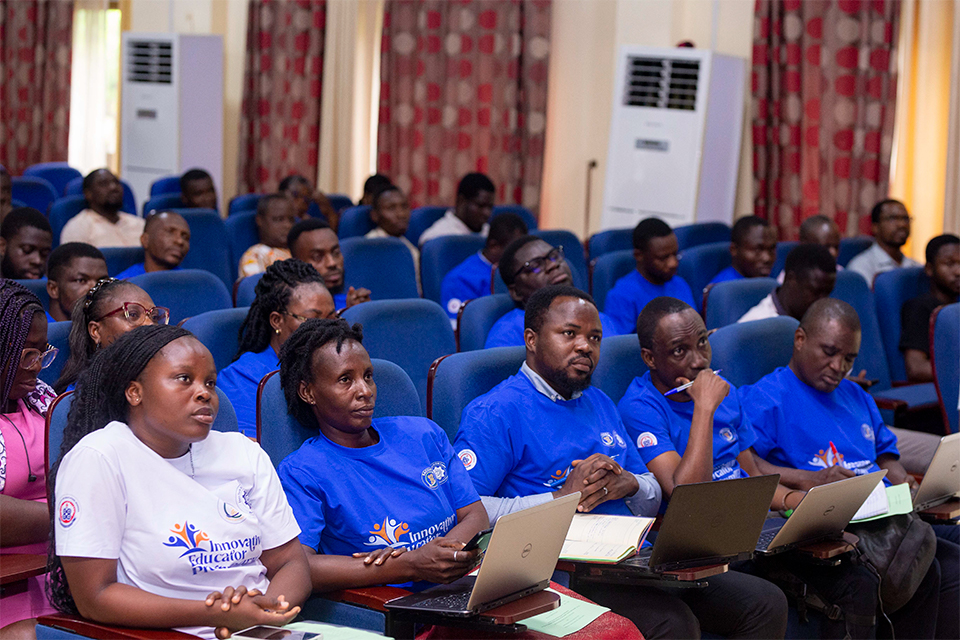
Opening the engagement, Dr. Ethel Addae, Ghana Project Lead, explained that the project seeks to incorporate practical community experiences into postgraduate teaching on climate change and displacement.
She noted that although universities often rely heavily on theoretical instruction, there was a growing need to expose students to the realities confronting vulnerable coastal populations whose homes, infrastructure and livelihoods continue to be threatened by rising sea levels and tidal waves.
Dr. Ethel Addae stated that the interaction with stakeholders would help enrich the proposed short course with local knowledge and historical perspectives from affected communities.
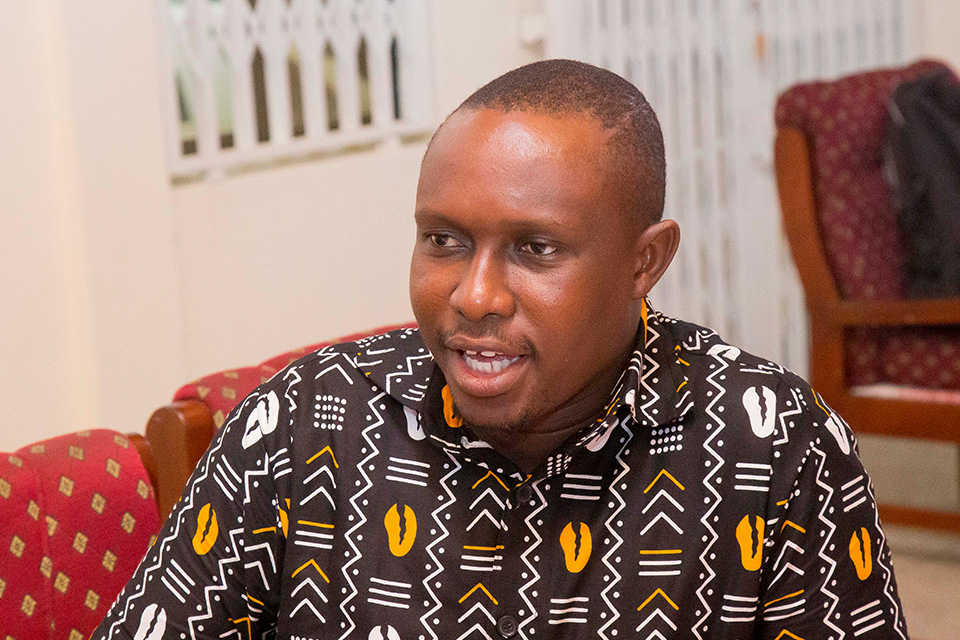
Dr. Victus Kumazah, project team member, emphasised that the initiative aims to capture lived experiences that could strengthen the course content and improve understanding of climate-induced displacement among future researchers and professionals.
During the roundtable discussions, participants described Keta’s coastal erosion crisis as one of the oldest and most devastating environmental challenges in Ghana. Residents recounted how the once-thriving regional capital had gradually lost substantial portions of land and infrastructure to the sea over several decades.
According to stakeholders, the destruction dates back to the 1960s and 1970s, although historical accounts suggest that the problem had been documented as far back as 1907. Participants disclosed that several German-built factories and settlements in Keta were already being destroyed by the sea by the 1920s.
Community members estimated that in some areas, between 300 and 400 metres of land have been lost to erosion with entire settlements and roads disappearing permanently beneath the Atlantic Ocean.
A major focus of the discussions centred on dissatisfaction with existing sea defence interventions. Several participants argued that groynes and stone barriers alone were insufficient in halting erosion and only slowed the rate of destruction.
Stakeholders strongly advocated large-scale dredging and land reclamation as a more sustainable long-term solution. Drawing comparisons with countries such as the Netherlands, Japan, Dubai and South Korea, participants maintained that reclaimed land could protect coastal communities while creating economic opportunities and improving marine conditions for fishing activities.
Residents further lamented the severe impact of erosion on fishing livelihoods. They explained that submerged structures and debris beneath the sea frequently destroy fishing nets and damage canoes, while persistent tidal waves have made fishing increasingly dangerous and economically unsustainable.
Participants also highlighted the long history of displacement associated with the crisis. According to them, many families originally from Keta now reside in communities such as Akatsi, Sogakope and Agbozume after losing their ancestral settlements to the sea. Some described affected residents as “townless” because their original communities no longer exist.
Several speakers criticised decades of delayed interventions and what they described as inadequate long-term planning despite repeated warnings, studies and visible destruction along the coastline.
The engagement further revealed growing concerns that without urgent and comprehensive interventions, additional coastal communities could disappear entirely in the coming years.
The SACOST-led project forms part of commitments to advancing research-driven solutions to climate challenges while strengthening international academic collaboration and community-centred learning.