2.0 Public Lecture Series: UEW Champions Education Reform Dialogue


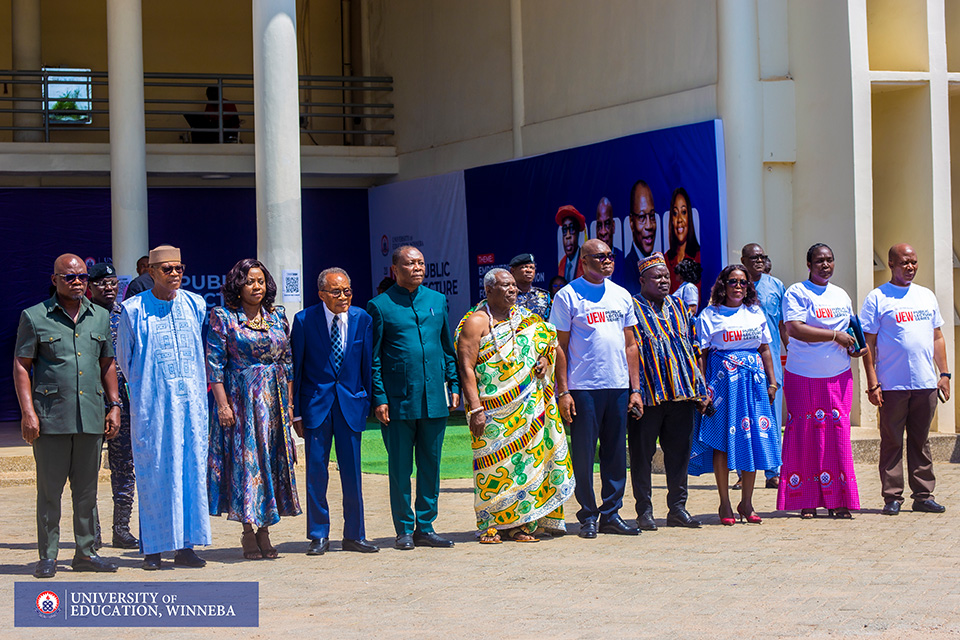
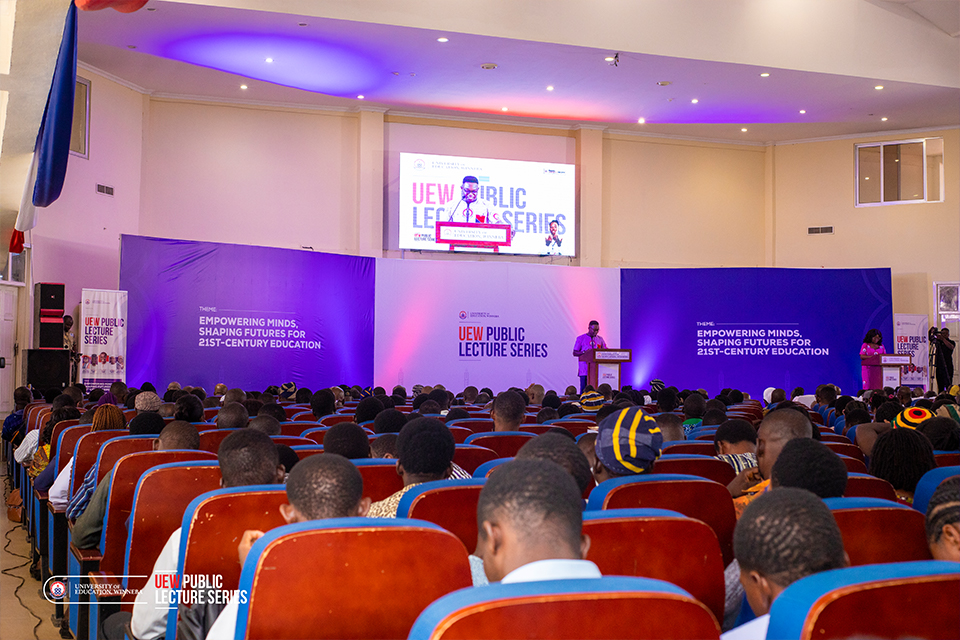
The University of Education, Winneba (UEW) has convened its 2026 Public Lecture Series, a high-level platform aimed at shaping Ghana’s educational future and national development.
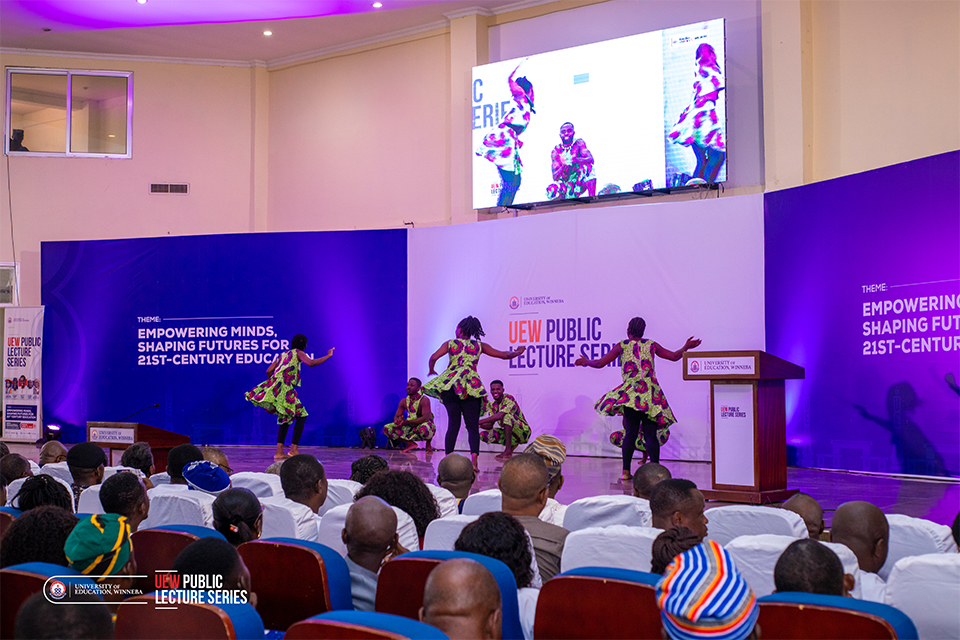
Held at the Jophus Anamuah-Mensah Conference Centre in Winneba, on Friday, 10th April, 2026, the event brought together policymakers, academia, industry leaders, administrators and students under the theme “Empowering Minds: Rethinking Education for Sustainable Development.” The lecture series forms part of UEW’s commitment to fostering national dialogue on critical issues affecting education and development.
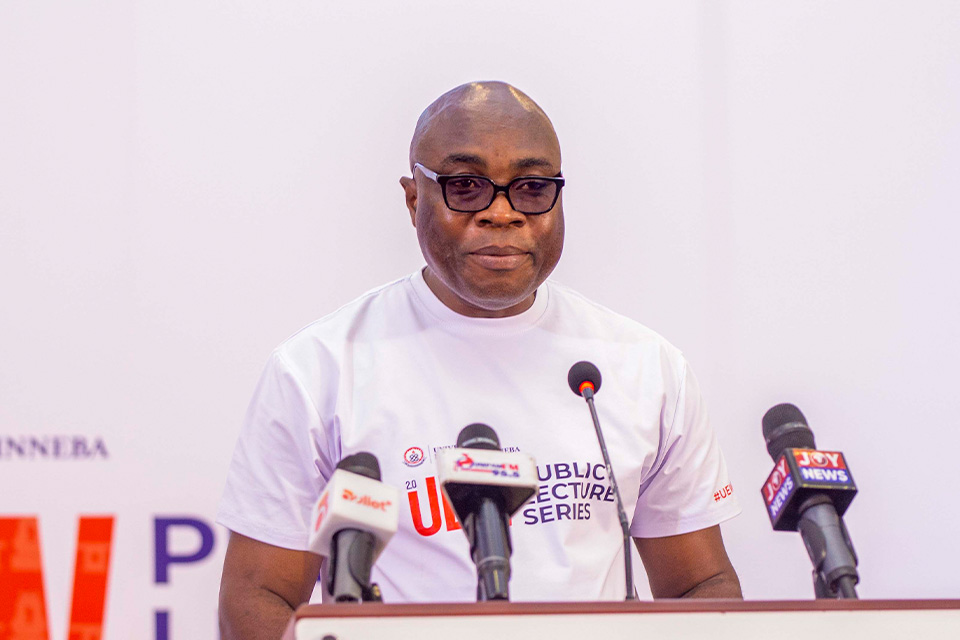
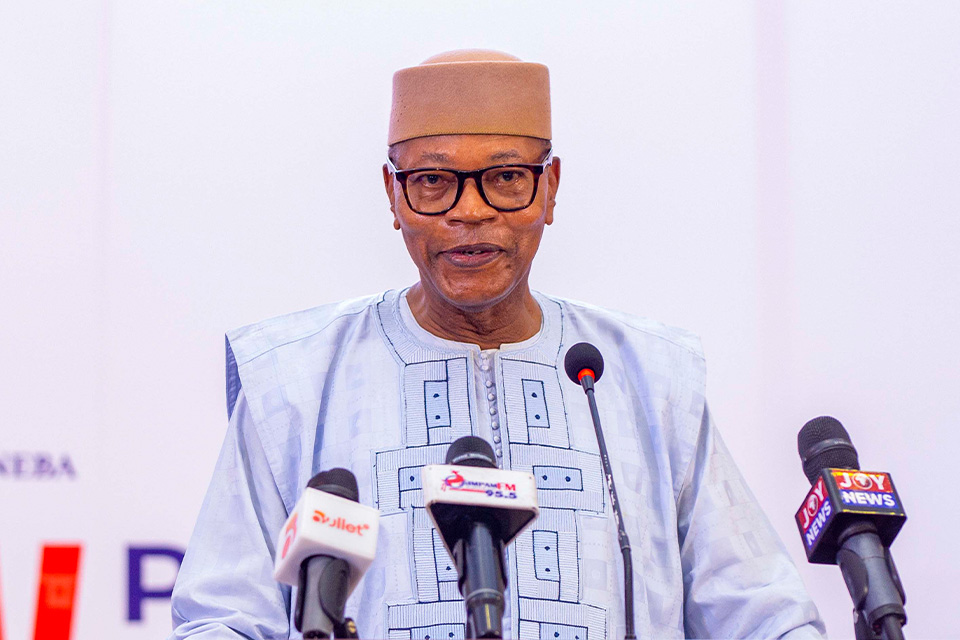
Delivering the welcome address, Prof. Stephen Jobson Mitchual, the Vice-Chancellor, underscored the University’s mandate as Ghana’s foremost teacher education institution, noting its continued role in training professional educators, advancing research and influencing policy.
He stressed that education must go beyond academic success to cultivate critical thinking, leadership and societal responsibility. He raised concerns about graduate unemployment, questioning whether universities are producing problem-solvers or compounding existing challenges.
Prof. Mitchual called for a shift in educational approaches to ensure graduates are equipped to meet the socio-economic needs of the country. “Education must remain relevant, inclusive and forward-looking in a rapidly changing world shaped by technology, inequality and environmental concerns,” he stated.
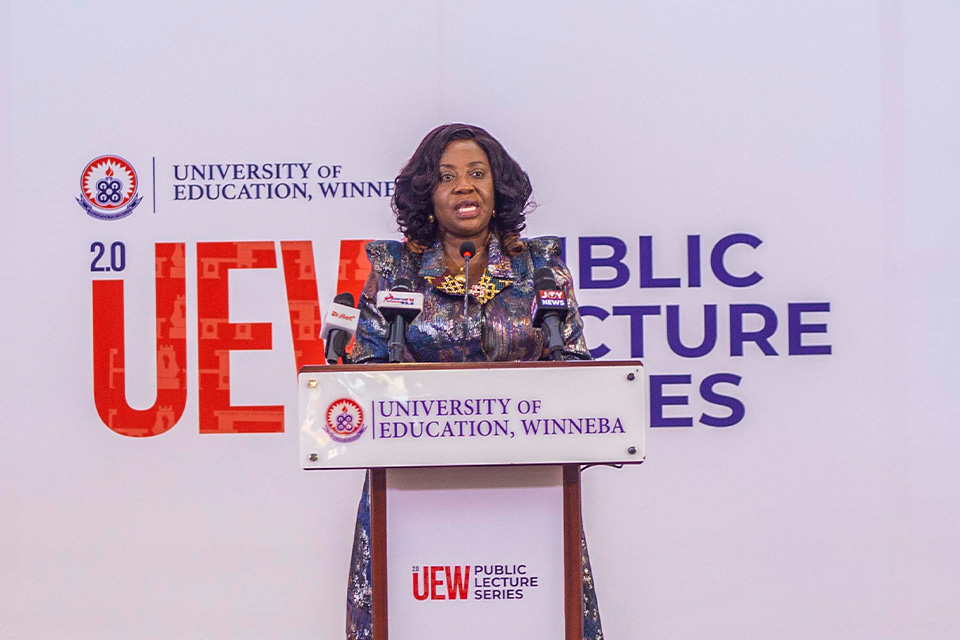
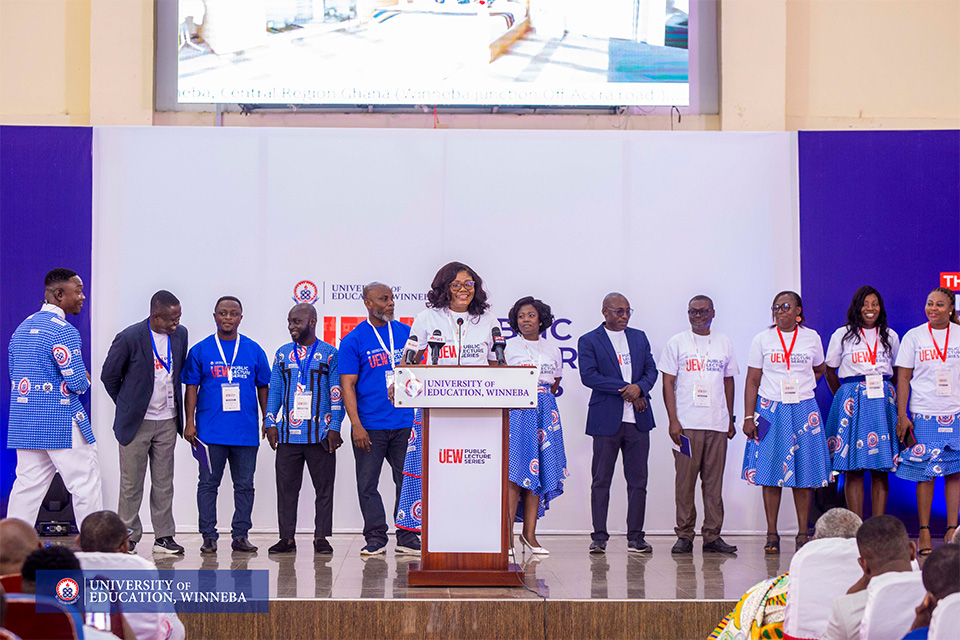
Chairing the event, Ing. Patricia Obo-Nai, the CEO of Telecel Ghana, described the lecture as a “national conversation” that transcends academia and challenges Ghana to reassess its educational systems. She highlighted the growing gap between education and industry needs, warning that outdated curricula risk leaving students unprepared for the evolving job market.
According to her, industries are increasingly demanding skills that current educational systems are struggling to deliver. She advocated stronger collaboration between academia and industry, noting that partnerships are essential to align education with workforce demands. Drawing on Telecel Ghana’s initiatives, she cited programmes such as graduate transition schemes, female engineering scholarships and digital skills training as examples of how industry can support education.
Ing. Patricia Obo-Nai further emphasised the importance of digital literacy, describing it as a fundamental requirement for relevance in today’s world. She urged students to embrace continuous learning, stressing that education should not be seen as a finite process but a lifelong pursuit.
She praised the lecture for its depth and relevance, noting that meaningful educational reform depends heavily on teachers. She reiterated that no curriculum could succeed without effective educators, emphasising the central role teachers play in inspiring and shaping learners.
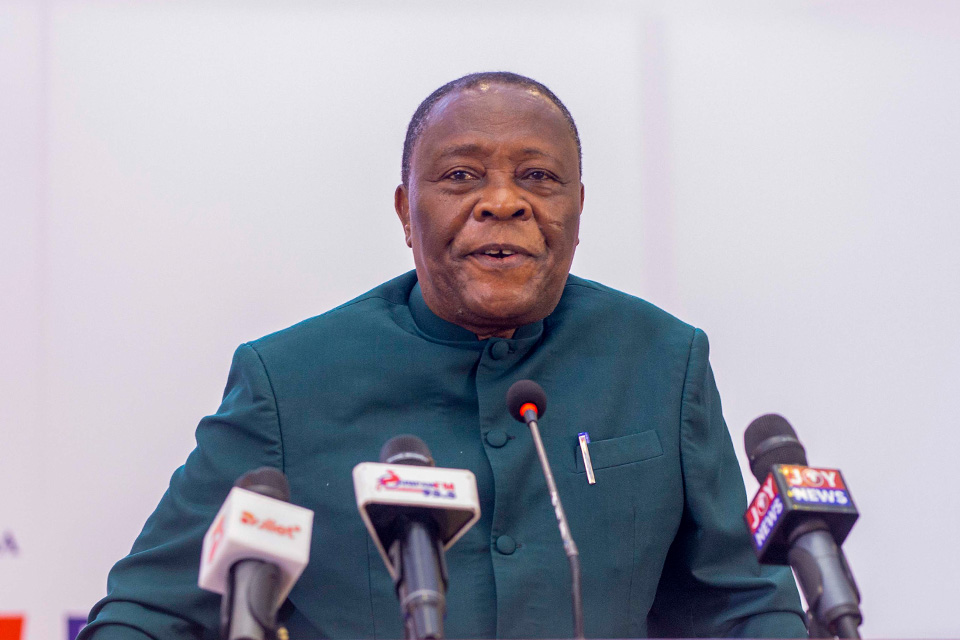
Representing the Minister for Education, Prof. George Kweku Toku Oduro commended UEW for sustaining the public lecture tradition, describing it as a vital tool for academic engagement and policy reflection. He indicated that insights from the lecture would inform ongoing curriculum reforms, particularly efforts to strengthen foundational education.
Prof. Oduro raised critical questions about the holistic development of learners, emphasising the need to balance intellectual growth with emotional and practical skills. He noted that empowering the mind alone is insufficient without nurturing the “head, heart and hand” to drive national development.
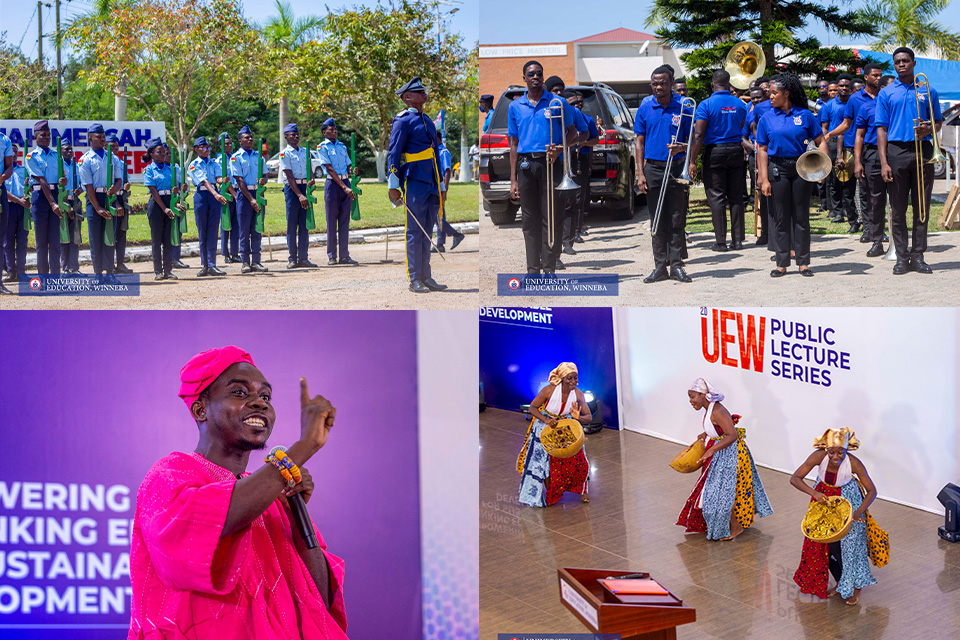
Throughout the event, speakers consistently highlighted the urgency of reforming education to respond to global changes and national needs. They called for a shared responsibility among government, universities and industry to ensure that education systems produce graduates who are innovative, adaptable and capable of addressing real-world challenges.
The 2026 UEW Public Lecture Series concluded with a renewed call for action, collaboration and commitment to transforming education in Ghana. As discussions continue, the event has reinforced UEW’s position as a key driver of educational innovation and policy discourse, championing reforms that align learning with the demands of a rapidly evolving world.