UEW Enhances Procurement Capacity Through Customised Staff Training



The Procurement Office at the University of Education, Winneba (UEW) has organised a four-day intensive procurement training programme from Monday, 13th to Thursday, 16th April, 2026. The training aims to strengthen institutional capacity and enhance compliance with national procurement regulations.
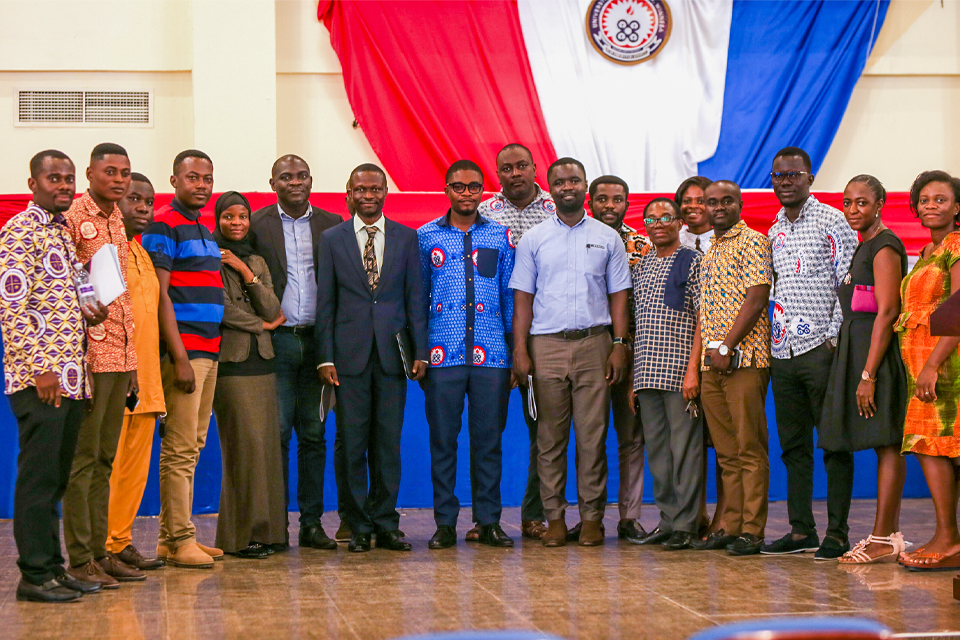
The training, organised in collaboration with the Public Procurement Authority (PPA) and the Division of Human Resouce, UEW, opened on Monday at the Registrar’s Conference Room of the University. It brought together management and procurement staff.

Delivering the welcome address, Mad. Mary Dzimey, the Head of Procurement at UEW, expressed the University’s commitment to upholding high standards in public procurement and fostering a strong partnership with the PPA.
Mad. Mary Dzimey emphasised that UEW has consistently been among the leading public institutions in adhering to procurement regulations under the Public Procurement Act, 2003 (Act 633), as amended. She underscored the importance of the collaboration between stakeholders, stating that the training marks a renewed step towards strengthening procurement systems within the University.
“Today represents a new beginning in our procurement journey. We are pleased to welcome our partners from the Public Procurement Authority and look forward to a fruitful engagement that will enhance our operational efficiency,” she said.
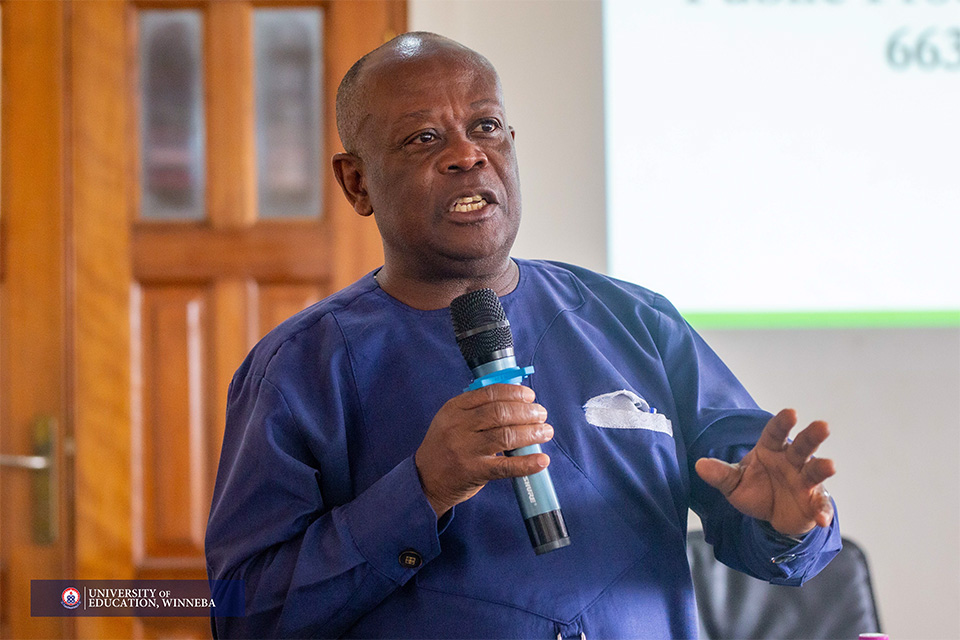
Facilitating the session, Mr. George Osei-Poku, the Director of Capacity Development at the PPA, assured participants that the training would address the majority of their expectations and provide practical knowledge to improve procurement outcomes. He encouraged active participation and cooperation throughout the programme. He noted that the sessions are structured to ensure both theoretical understanding and practical application.
The first day of the training focused on foundational procurement concepts including an overview of the Public Procurement Act, procurement principles and the legal framework governing public procurement in Ghana. Participants were introduced to key elements of procurement planning, tendering procedures, contract award processes and contract management.
Mr. Osei-Poku highlighted the critical role of procurement in public financial management, noting that a significant portion of Ghana’s national budget is channelled through procurement activities. He stressed that effective procurement practices are essential for achieving value for money, ensuring transparency and reducing corruption in public institutions.
He further explained that procurement in the public sector encompasses goods, works, consultancy and technical services, all of which must adhere strictly to established legal and procedural guidelines. Emphasis was also placed on the importance of proper planning, documentation and adherence to competitive processes to ensure fairness and accountability.

A key highlight of the session was the introduction of electronic procurement systems, which aim to minimise human interference, enhance transparency and streamline procurement processes. Participants were informed that subsequent sessions would provide hands-on training, requiring the use of laptops to facilitate practical learning.
Additionally, the training addressed recent amendments to procurement laws including the introduction of commitment authorisation, revised approval thresholds and the integration of sustainability considerations into procurement practices. These reforms, according to the facilitator, are designed to improve efficiency, reduce bureaucratic delays and align Ghana’s procurement system with international best practices.
Participants were also encouraged to familiarise themselves with procurement regulations, manuals and standard tender documents which serve as essential tools for effective procurement management. The importance of record-keeping, compliance and ethical conduct in procurement processes was strongly emphasised.
The training forms part of UEW’s broader efforts to enhance institutional effectiveness, promote accountability and ensure prudent use of public resources. The University aims to strengthen its procurement systems and contribute to national development through improved service delivery by equipping staff with the necessary knowledge and skills.