
CeRCCA-UEW Conference Explores Sankofaism as a Transformative Framework


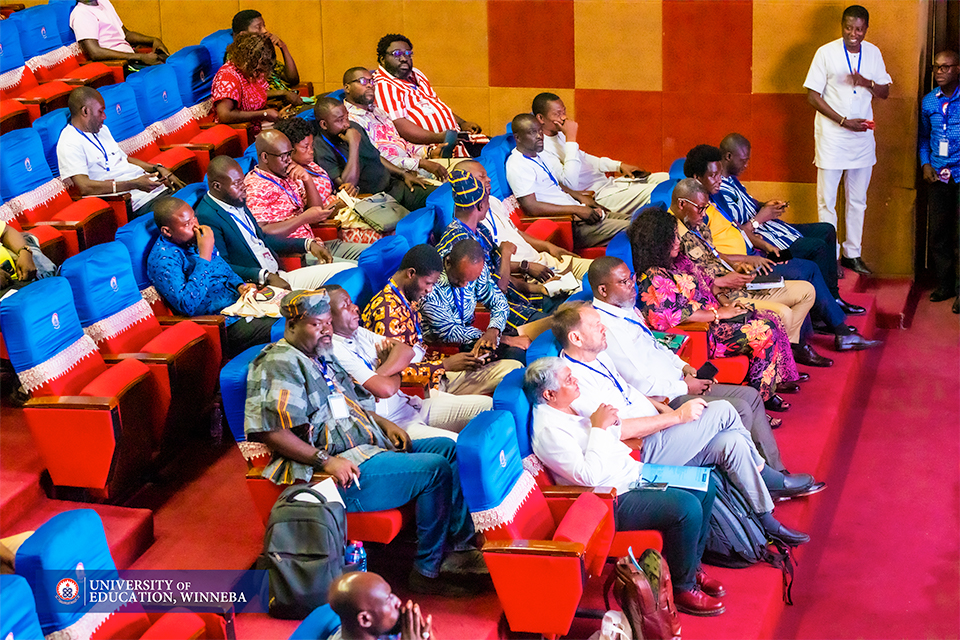
The University of Education, Winneba (UEW) is advancing discourse on culture and creativity with a call for scholars and artists to embrace “Sankofaism” as a transformative framework for reimagining artistic practice and cultural knowledge systems.
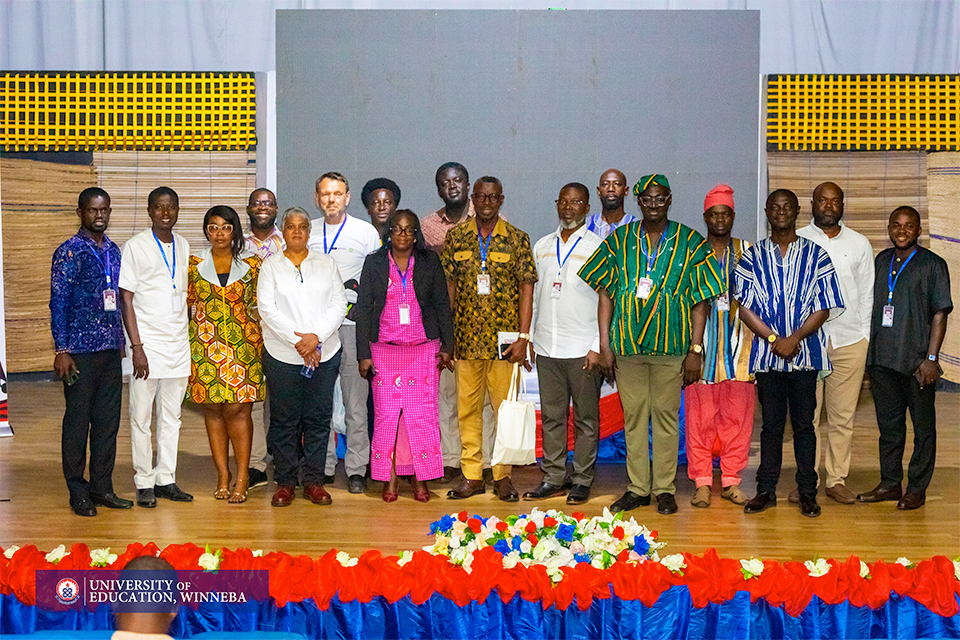
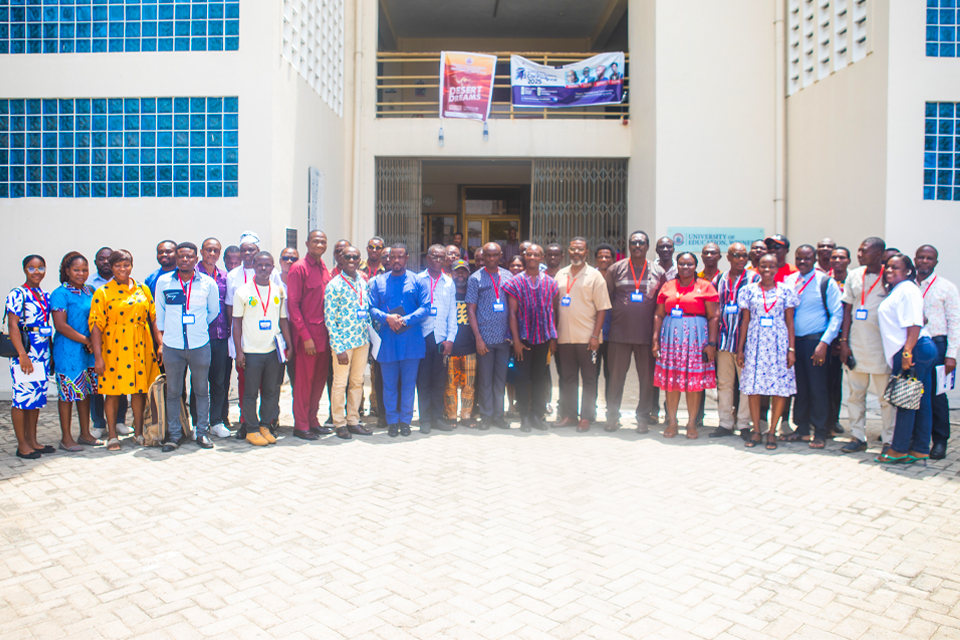
This call was made at the opening ceremony of the Creative Arts and Culture International Research Conference 2026, organised by the Centre for Research in Culture and Creative Arts (CeRCCA) in collaboration with the School of Creative Arts (SCA) at the SCA Theatre, Central Campus, on Tuesday, 31st March, 2026.
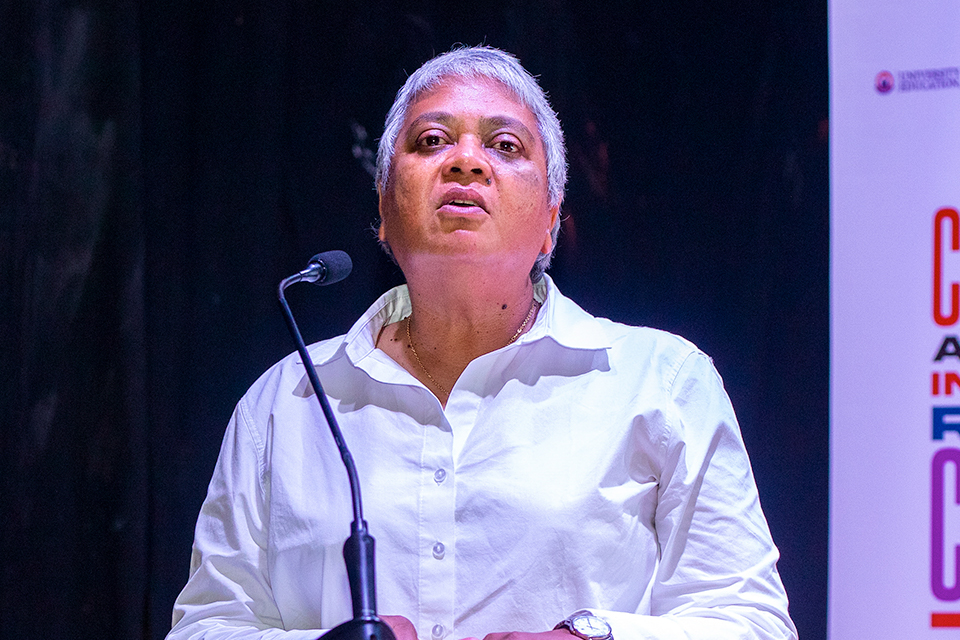
Delivering the keynote, Dr. Avitha Sooful, Chairperson of the Exploring Visual Cultures (EVC) Experts Panel, underscored the urgency of reclaiming African cultural narratives through critical engagement with the past. She stressed that meaningful progress in the creative arts must be rooted in reflection, reinterpretation and innovation.
She described Sankofa, an Akan philosophical concept symbolised by a bird that looks backward while moving forward, as a powerful lens through which artists and cultural practitioners can navigate the complexities of history, identity and creative expression. However, she urged participants to move beyond symbolism to what she termed “Sankofaism,” a dynamic philosophy in action that integrates both learning and unlearning.
According to Dr. Avitha Sooful, Sankofaism challenges artists to critically interrogate inherited knowledge systems, many of which have been shaped by colonial disruptions, displacement and misrepresentation. She emphasised that while learning reconnects practitioners to cultural memory, unlearning is equally essential in dismantling imposed narratives that have historically marginalised African artistic expressions.
She noted that creative practice must draw from formal archives such as museums and libraries and “living archives” embedded in oral traditions, communal rituals and everyday cultural experiences. These, she explained, provide rich reservoirs of knowledge that can inspire contemporary artistic innovation while preserving cultural continuity.
Dr. Avitha Sooful illustrated her argument with examples of artists who embody Sankofaism in practice, highlighting how creative works can serve as mediums for interrogating history, reclaiming identity and reshaping narratives. She pointed out that artists who reinterpret indigenous symbols, traditional rhythms and ancestral practices are not merely replicating the past but actively reimagining it to reflect present realities.
She further stressed that the process of returning to the past requires courage, particularly in confronting educational and artistic systems that have historically privileged Western aesthetics over indigenous forms. In this regard, she described unlearning as a liberating process that enables artists to question dominant frameworks and create space for more authentic and contextually relevant expressions.
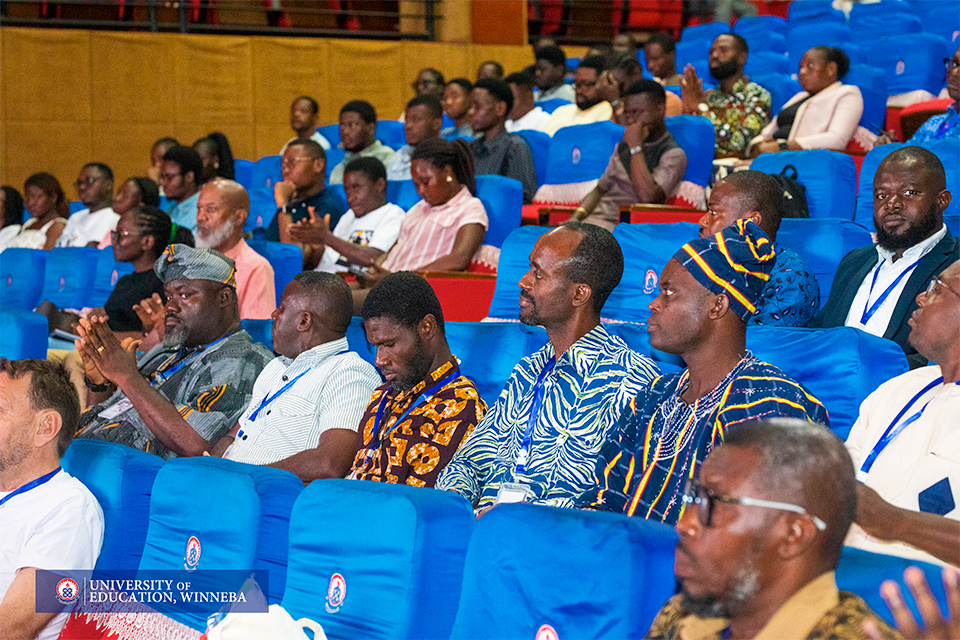
“Sankofaism is not about nostalgia but about continuity with transformation,” she indicated, adding that the philosophy enables artists to move fluidly between memory and innovation, positioning tradition as a dynamic resource rather than a static inheritance.
The keynote speaker also highlighted the broader societal implications of Sankofaism, noting that the philosophy contributes to cultural healing and collective memory preservation. She explained that through creative expression, artists can address themes such as migration, identity, labour and resilience, transforming art into both an archive of the past and a vision for the future.
Emphasising the collective nature of cultural production, Dr. Avitha Sooful called for greater collaboration among artists, scholars and communities. She noted that knowledge creation in the creative arts must extend beyond individual practice to include shared experiences and intergenerational learning. She observed that in such spaces, elders become knowledge bearers, cultural practices become pedagogical tools and creativity evolves through dialogue.
She encouraged emerging artists to embrace Sankofaism as a guiding philosophy, assuring them that innovation does not require abandoning cultural heritage but rather engaging with it in ways that respond to contemporary global challenges including climate change, technology and social transformation.
Dr. Avitha Sooful urged participants to rethink their engagement with the past, not as passive observers but as active interpreters capable of shaping the future of culture and creativity. She called on stakeholders in the creative arts sector to recover overlooked knowledge, question limiting narratives and harness cultural wisdom to inspire transformative artistic practices.
The Creative Arts and Culture International Research Conference 2026 forms part of UEW’s broader commitment to promoting culturally grounded research and fostering global dialogue in the creative arts.