UEW Council Chair Encourages Graduates to Act as Catalysts for National Change


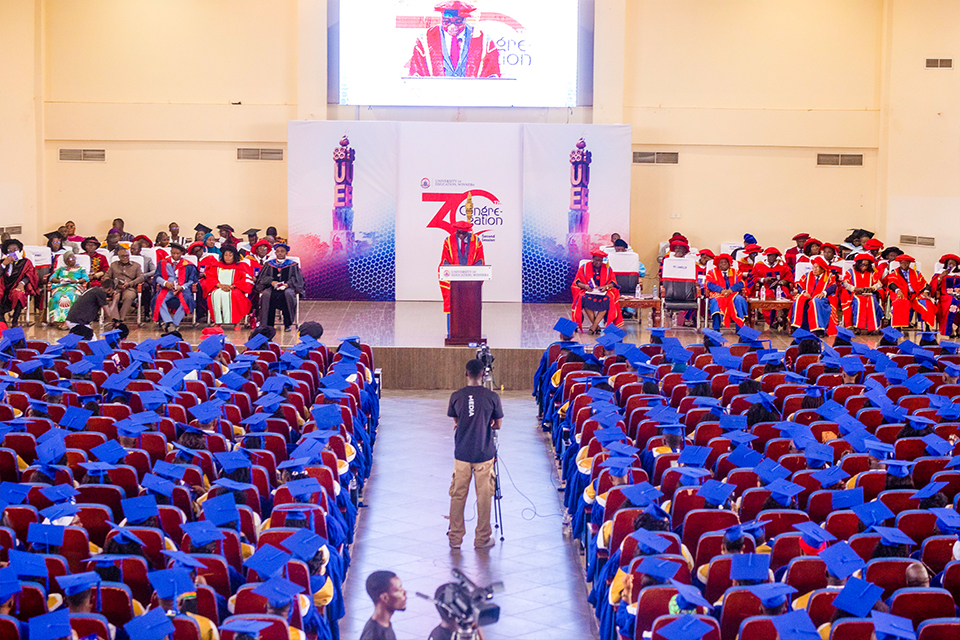
Justice Jacob Charles Amonoo-Monney, the Chairman of the Governing Council of the University of Education, Winneba (UEW), has urged graduating students to go beyond academic success to embrace their roles as problem-solvers and catalysts for national development.
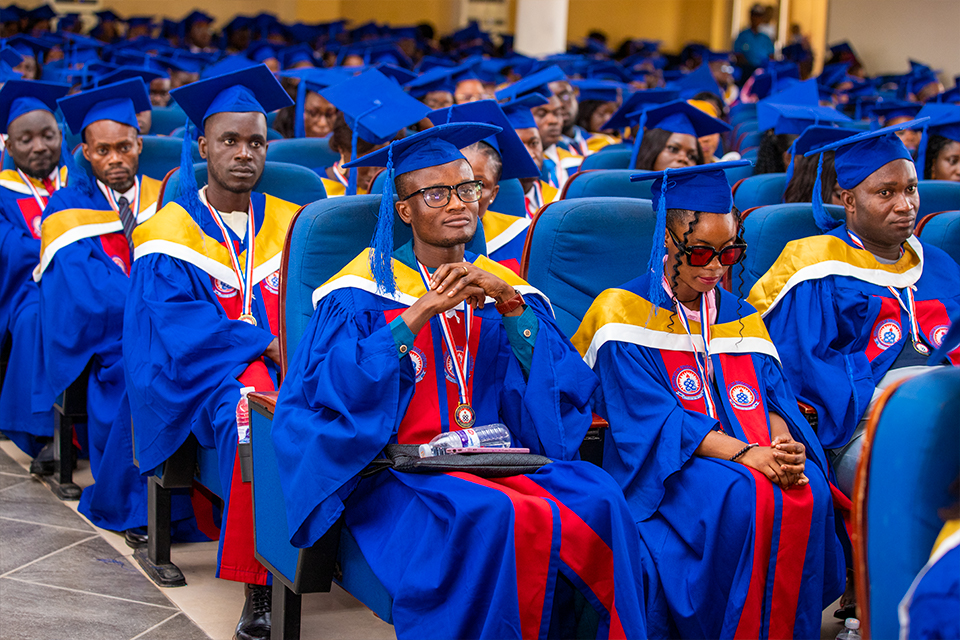
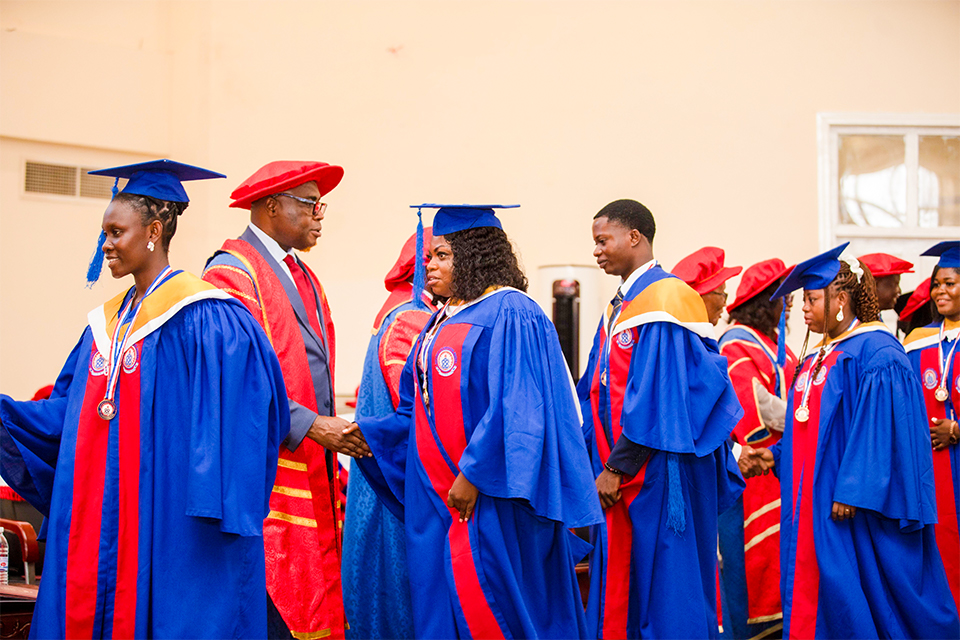
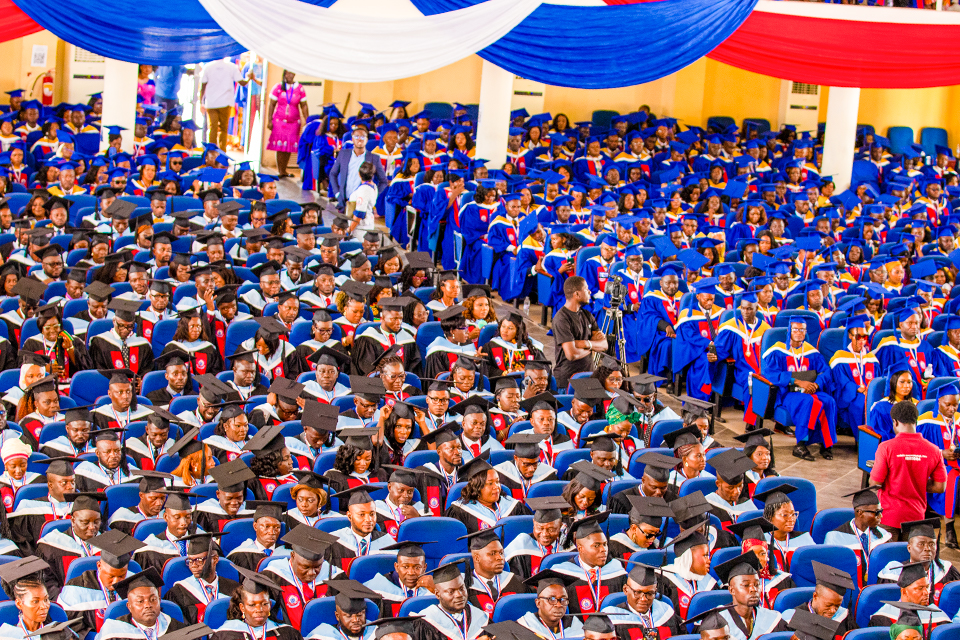
Delivering an address at the Second Session of the 30th Congregation of UEW held at the Jophus Anamuah-Mensah Conference Centre in Winneba on Friday, 24th April, 2026, Justice Amonoo-Monney described the occasion as not only a celebration of academic success but also a reaffirmation of the University’s purpose and responsibility to Ghana.
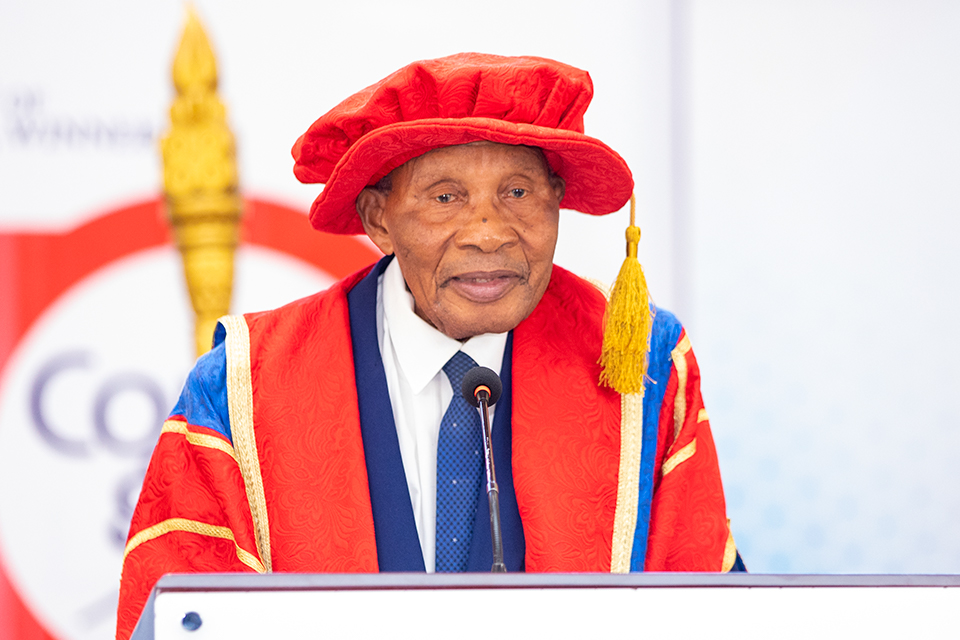
He underscored the critical role of the Governing Council in providing strategic direction, safeguarding institutional integrity and ensuring that UEW remains responsive to national needs. According to him, the Council serves as the custodian of both the vision and the accountability required to sustain the University’s growth and relevance.
Focusing on the evolving demands of the nation, the Council Chairman posed a fundamental question about the kind of graduates Ghana must produce at this point in its history. He stressed that the country needs graduates who are proactive, innovative and solution-oriented, and who do not wait for opportunities but create them.
“The true value of a university is not measured by the number of graduates it produces but by the impact those graduates make,” he noted, urging students to transition from being mere degree holders to contributors to national progress.
Justice Amonoo-Monney highlighted the rapidly changing global landscape and the increasing expectations placed on graduates. He encouraged the graduating class to embrace uncertainty as an opportunity for leadership and innovation rather than a barrier to success. He emphasised that where systems are uncertain, leadership must emerge and where challenges persist, innovation must thrive.
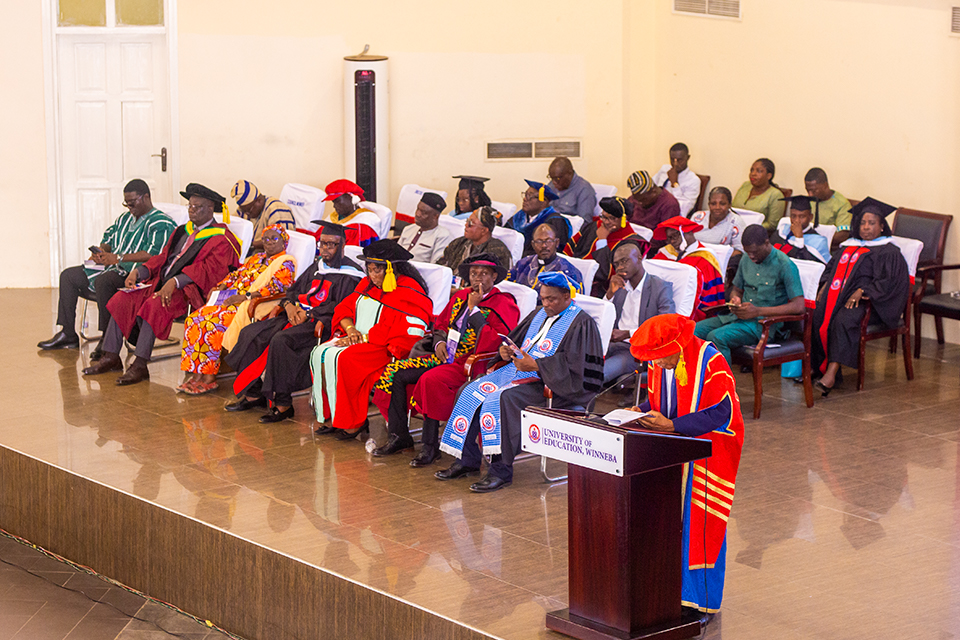
Addressing the broader university community, he called for continuous reflection and improvement to ensure that academic programmes remain relevant, governance structures are strengthened and institutional standards are upheld. He stressed that excellence must become a defining culture of UEW rather than an occasional aspiration.
To the graduates, he delivered a strong message on values, urging them to uphold integrity, demonstrate competence and commit themselves to service. He reminded them that they are ambassadors of the University and must reflect its standards in their personal and professional lives.
“Let your decisions reflect integrity. Let your work demonstrate competence. And let your lives embody service,” he charged, adding that their conduct will ultimately define the reputation of the institution. Justice Amonoo-Monney congratulated the graduates on their achievements on behalf of the Governing Council. He encouraged them to approach the future with courage, wisdom, humility and a strong sense of purpose.
The address reaffirmed UEW’s commitment to producing graduates who are not only academically equipped but also socially responsible and capable of contributing meaningfully to national and global development.