CeRCCA-UEW Hosts Global Conference to Advance ‘Sankofaism’ in Arts and Cultural Research


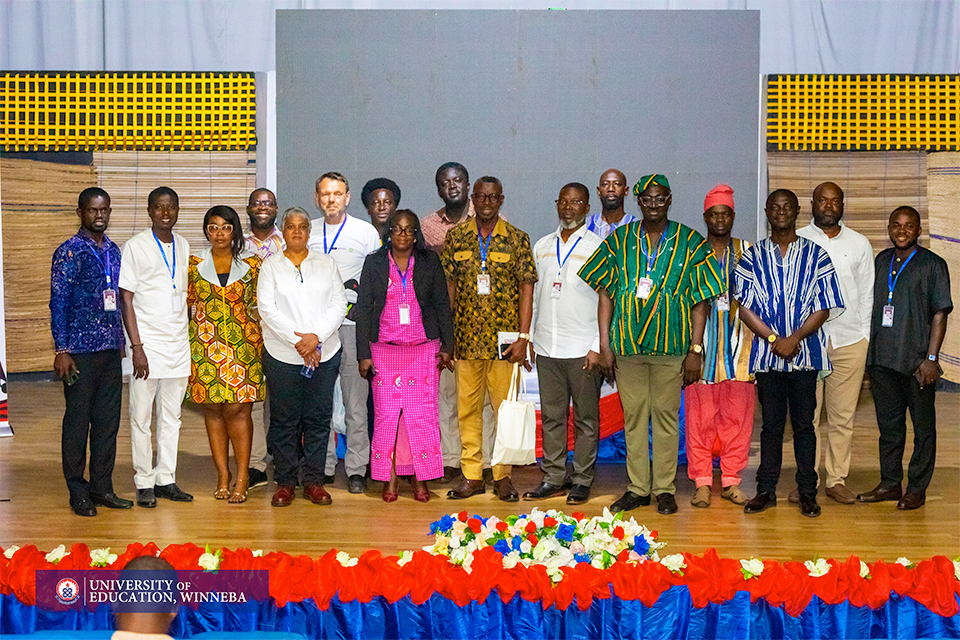
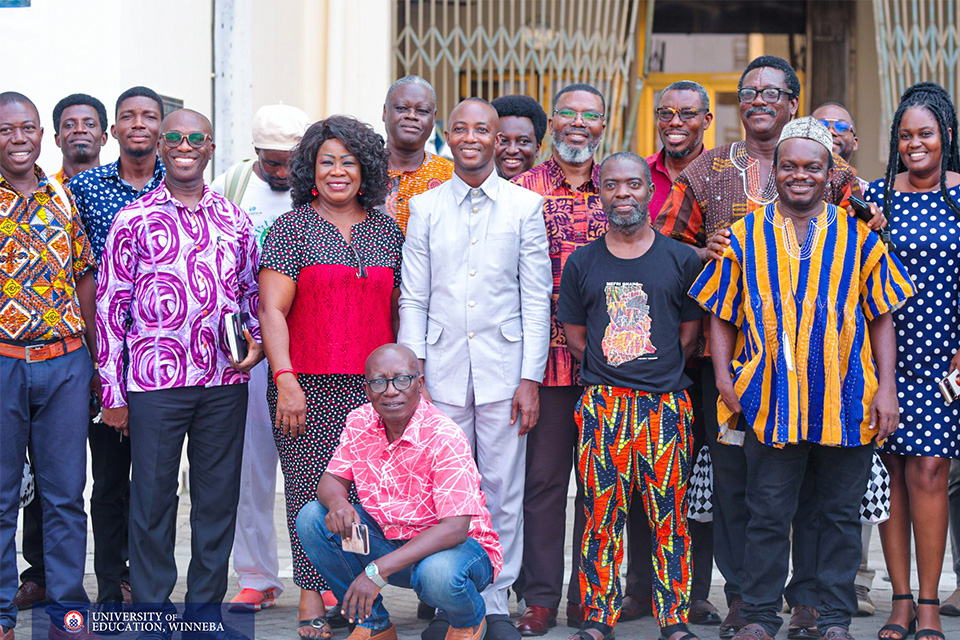
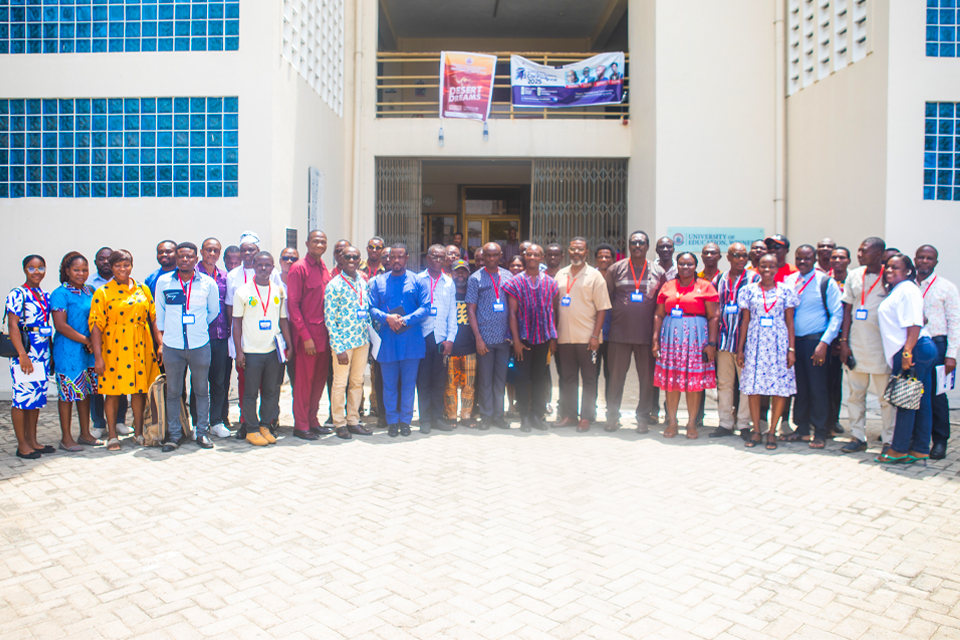
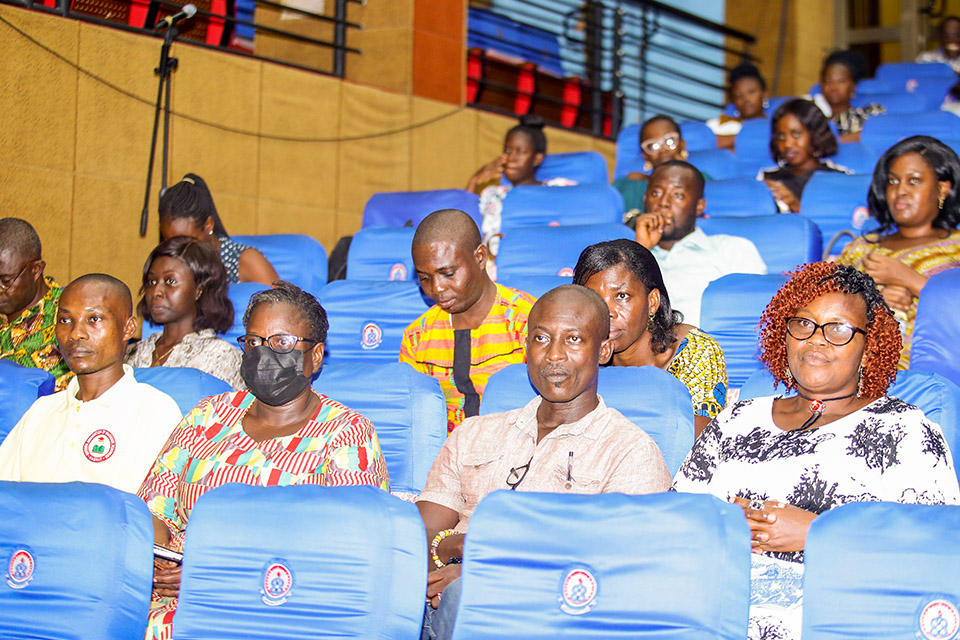
The University of Education, Winneba (UEW) through the Centre for Research in Culture and Creative Arts (CeRCCA) in collaboration with the School of Creative Arts (SCA) held a three-day Creative Arts and Culture International Research Conference aimed at redefining the role of culture and creativity in sustainable development.
The conference, held at the SCA Theatre on UEW’s Central Campus from Tuesday, 31st March to Thursday, 2nd April, 2026, brought together scholars, researchers, creative practitioners and policymakers from across Africa and the global community to explore the theme: “Sankofaism: Unearthing, Unlearning/Learning and Uplifting Sustainable Creative Arts and Cultural Practices and Methods.”
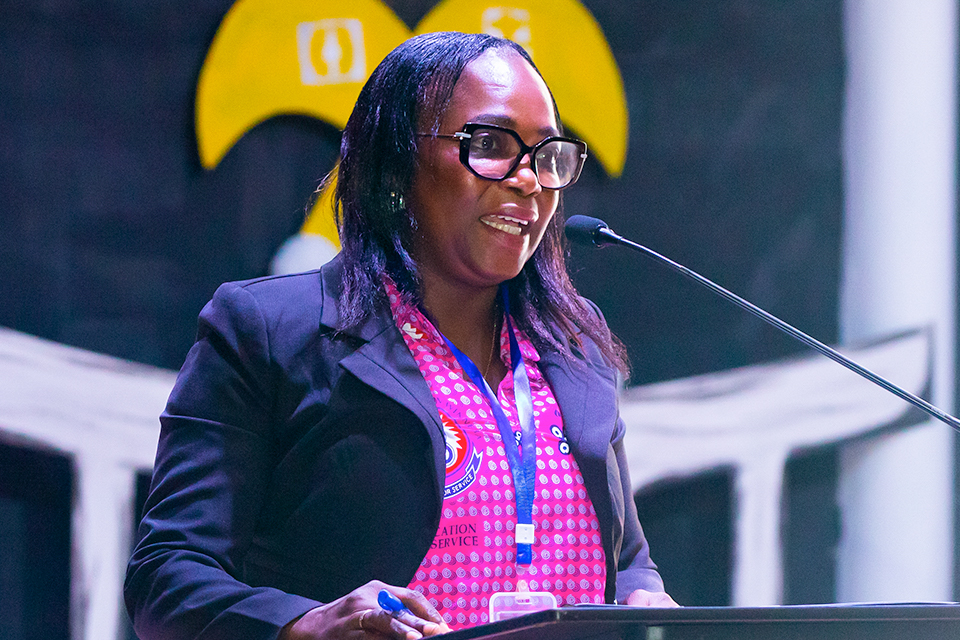
Chairing the opening ceremony on behalf of the Vice-Chancellor, Prof. Esther Yeboah Danso-Wiredu, Pro-Vice-Chancellor, described the conference as “an intellectual and creative homecoming” and a critical intervention in shaping the future of creative arts and cultural scholarship. She emphasised that Sankofaism goes beyond the symbolic notion of “Sankofa” to represent a deliberate philosophy and methodology for contemporary cultural engagement.
Prof. Esther Danso-Wiredu explained that the conference theme revolves around three core imperatives—unearthing, unlearning/learning and uplifting. These, together seek to retrieve indigenous knowledge systems, challenge inherited epistemologies and ensure that research in the creative arts translates into tangible societal impact. She noted that cultural histories and practices often obscured by colonial disruption and global homogenisation must be rediscovered and repositioned to inform present and future development.
She also urged a careful rethinking of the established systems that divide traditional knowledge from new ideas and local knowledge from global knowledge. She emphasised the importance of inclusive and collaborative ways of creating knowledge. According to her, the ultimate goal of such scholarship should be to influence policy, strengthen education, support livelihoods and contribute meaningfully to sustainable development.
Highlighting the importance of collaboration, Prof. Esther Danso-Wiredu commended the longstanding partnership between UEW and the Exploring Visual Cultures (EVC) network, describing it as a model of cross-cultural dialogue and mutual learning that has enhanced the global visibility of creative arts research at the University.
She reaffirmed UEW’s commitment to advancing culturally grounded and socially responsive research, noting that the creative arts remain central to education and national development. She urged early-career researchers to be bold and innovative while encouraging senior scholars to provide mentorship and support for emerging talents.
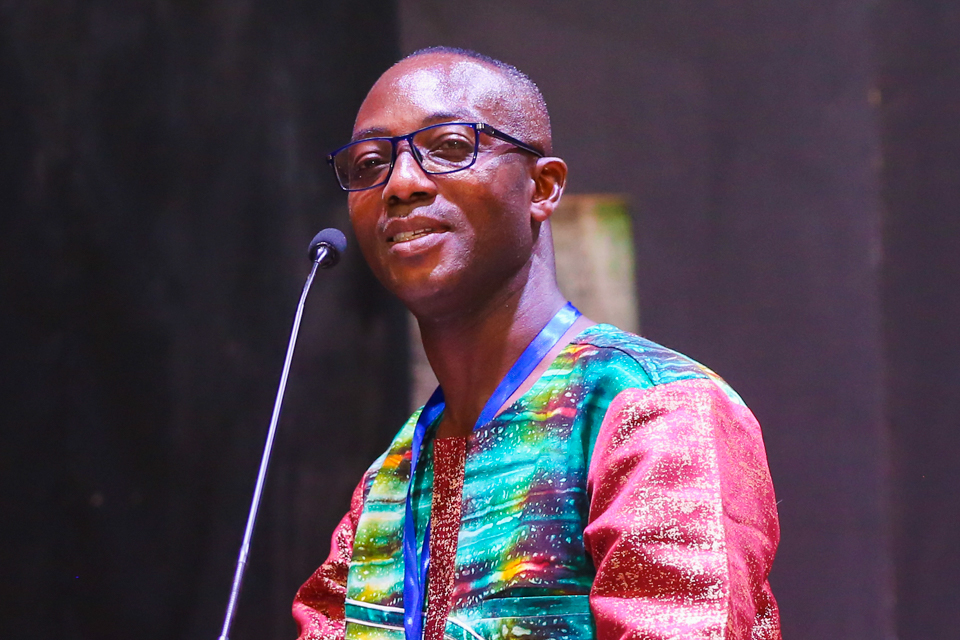
Prof. Emmanuel Obed Acquah, the Dean of the School of Creative Arts, underscored the relevance of the conference in repositioning the creative arts as a driver of social transformation, economic growth and cultural continuity. He described Sankofaism as a framework that challenges scholars and practitioners to critically reflect on the past, reassess the present and strategically shape the future of cultural practices.
Prof. Acquah noted that the conference provides a platform for interdisciplinary engagement across diverse thematic areas including indigenous knowledge systems, cultural heritage preservation, creative industries, digital innovation and cultural policy. He stressed that such conversations are essential in addressing contemporary global challenges and ensuring the sustainability of the creative arts sector.
He encouraged participants to actively engage in discussions, challenge existing paradigms and forge collaborations that would yield innovative solutions and advance scholarship in Ghana and beyond.
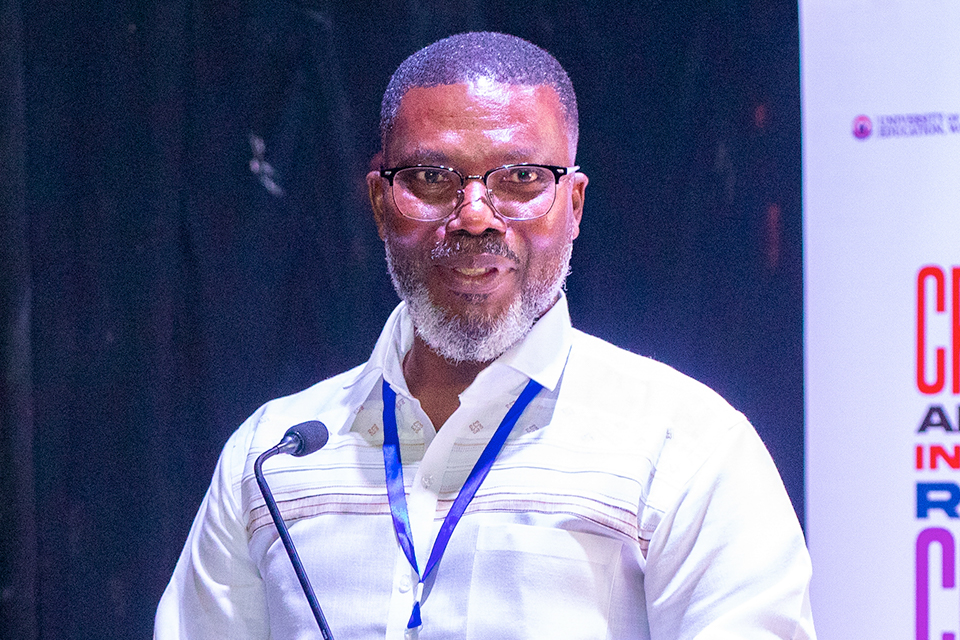
Prof. Patrique deGraft-Yankson, the Director of CeRCCA, described the gathering as a “forum of encounter” and a meeting point for ideas, experiences and possibilities. He emphasised that the concept of Sankofaism calls for a critical and reflective engagement with the past, not as a nostalgic return but as a purposeful retrieval of cultural and intellectual resources to inform present actions and future directions.
He explained that the conference’s structure, built around the interconnected pathways of unearthing, unlearning/learning and uplifting offers a conceptual framework for reimagining the role of arts and culture in a rapidly evolving global context. He noted, this approach enables participants to revisit histories, interrogate dominant knowledge systems and explore innovative and sustainable practices within the creative arts.
Prof. deGraft-Yankson highlighted the significance of international collaboration in advancing research and creative practice. He observed that partnerships such as the one with the EVC network continue to strengthen intellectual exchange and deepen global engagement. He also acknowledged the contributions of the University’s Management, partner institutions and the Local Organising Committee in successfully bringing the conference to fruition.
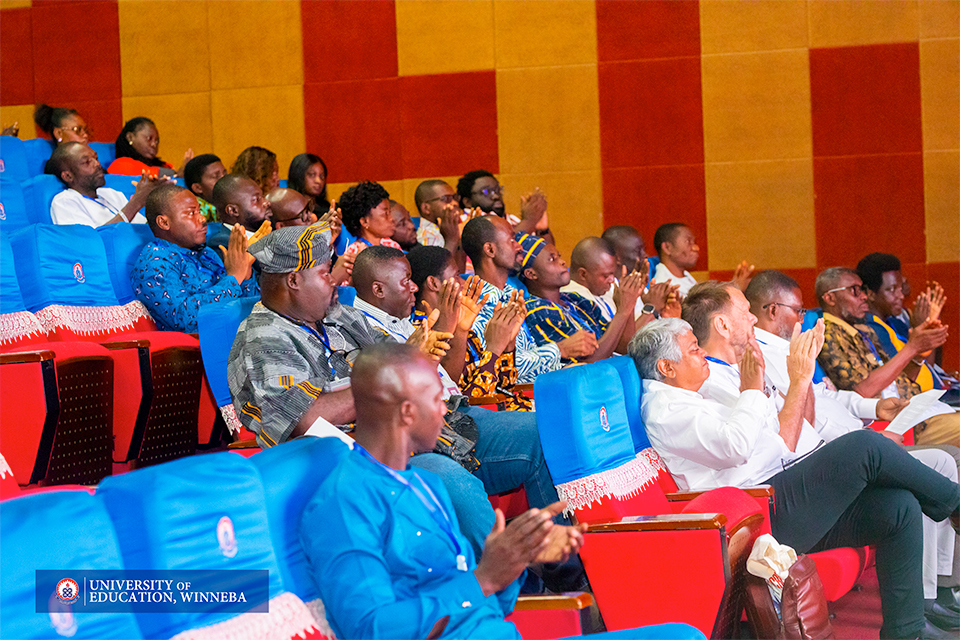
The conference featured keynote addresses, panel discussions, workshops, exhibitions and networking sessions designed to foster dialogue, critical enquiry and the co-creation of knowledge. It generated insights that would shape cultural policy, enhance artistic practice and contribute to sustainable development within the creative arts sector.
As deliberations continued, participants were expected to explore innovative approaches that bridge theory and practice, while reinforcing the transformative potential of culture and creativity in addressing contemporary societal challenges.