UTAG-UEW Leads Cancer Awareness Campaign, Urges Early Detection


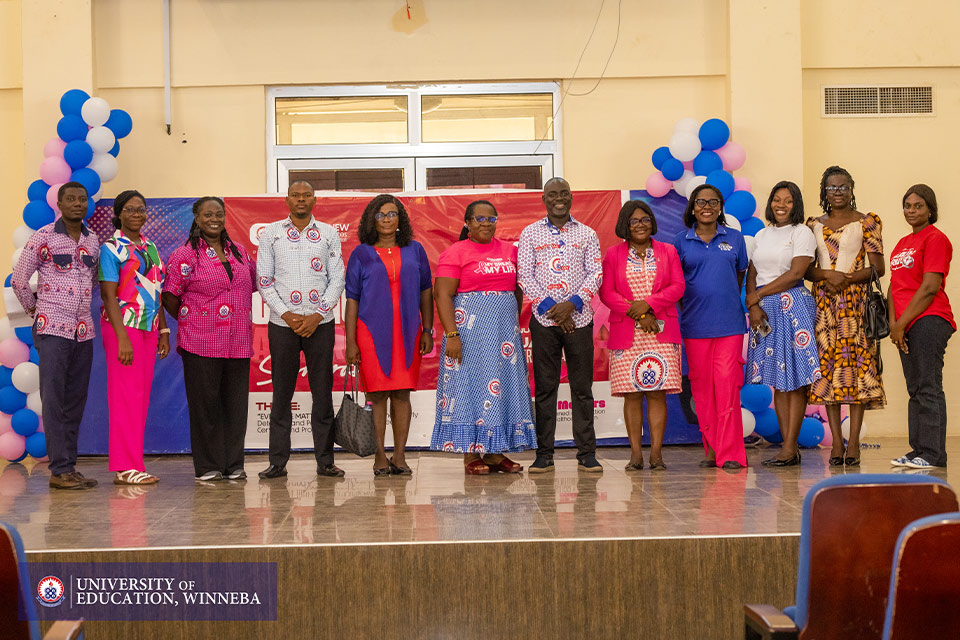
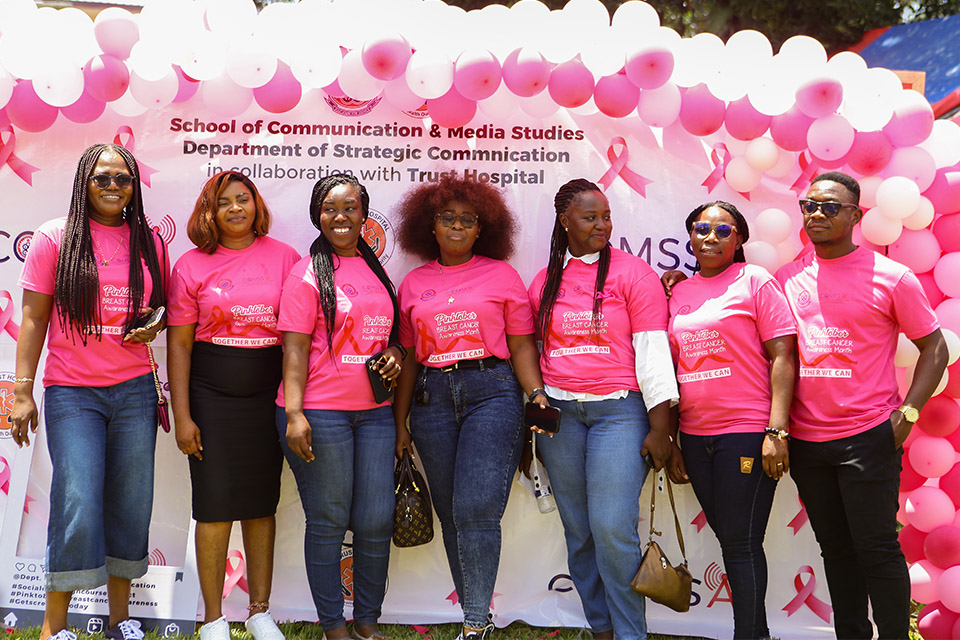
The University Teachers Association of Ghana (UTAG), University of Education, Winneba (UEW) branch has intensified calls for regular cancer screening, early detection and healthier lifestyles as critical measures in the fight against breast, cervical and prostate cancers.
The call was made at a cancer awareness symposium organised by UTAG-UEW under the theme, “Every Life Matters: Promoting Awareness, Early Detection and Personalised Care for Breast, Cervical and Prostate Cancers.”

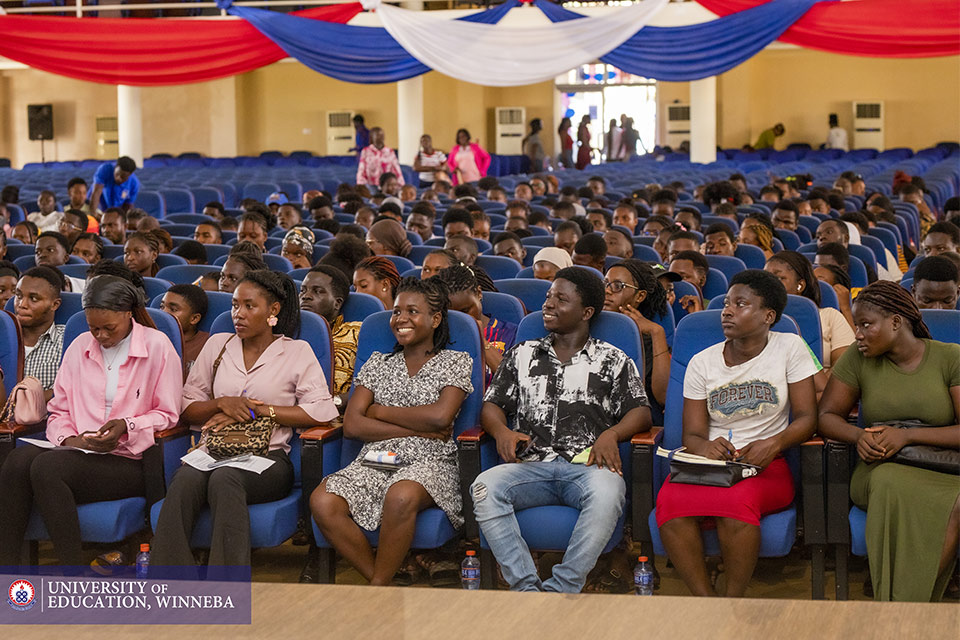
The symposium, held at the Jophus Anamuah-Mensah Conference Centre on Friday, 30th Octobers, 2026, brought together health professionals, academics and students to deepen understanding of cancer prevention, diagnosis and care.
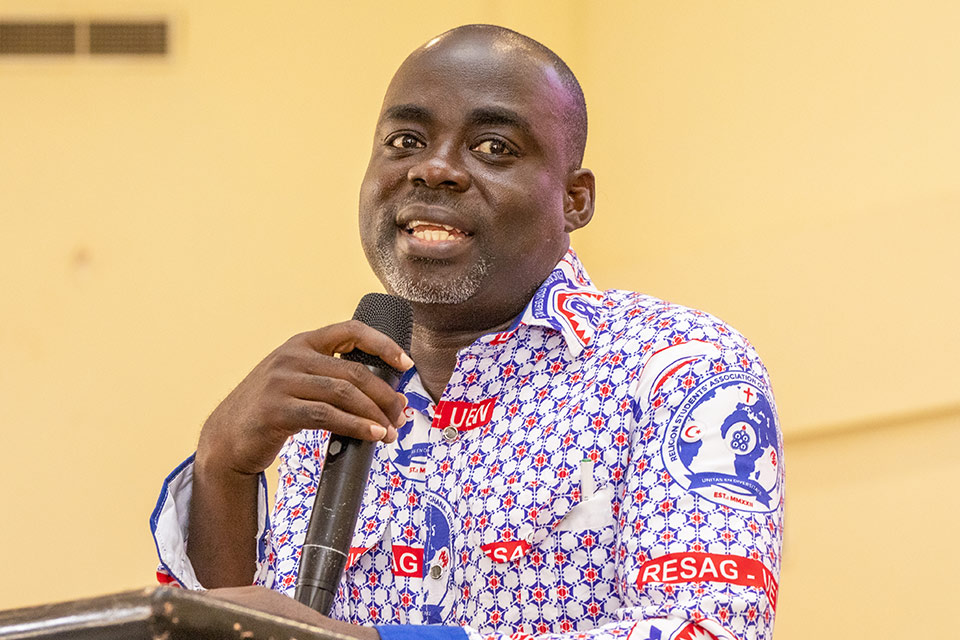
Prof. Seth Tweneboah of the Centre for African Studies chaired the event on behalf of the Vice-Chancellor, Prof. Stephen Jobson Mitchual. He stressed the far-reaching impact of cancer on individuals, families and communities. Recounting personal losses to the disease, he urged members of the university community to prioritise regular screening and to support people living with cancer.
“Behind every cancer diagnosis is a person whose life touches many others,” he said. He emphasised the need to match academic excellence with a commitment to the health and well-being of the university community.
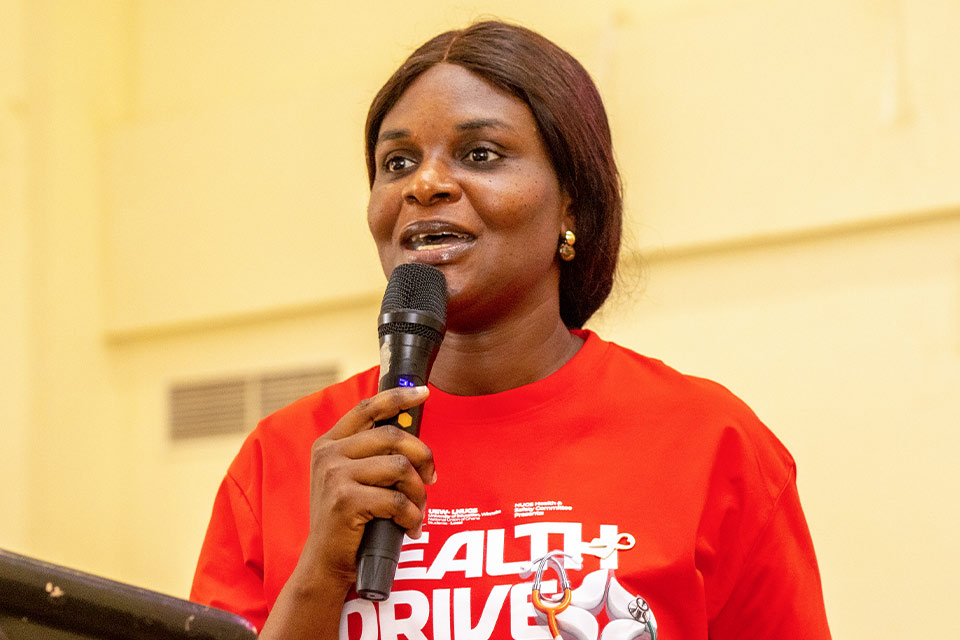
Mrs. Afari Baidoo Nana Borsah, a Physician Assistant at the UEW Hospital, highlighted breast cancer risk factors and the importance of self-examination and clinical screening. She noted that both men and women could develop breast cancer and cautioned against unhealthy lifestyle practices.
She disclosed that the UEW Hospital had partnered with a mobile mammogram service to offer affordable breast cancer screening during October to provide early access to detection services for members of the university community.

Addressing cervical and prostate cancers, Dr. Paulette Brown, Effutu Municipal Health Director, highlighted the Ghana Health Service's human papillomavirus (HPV) immunisation programme for girls aged nine to 14 years and encouraged eligible girls to take advantage of the intervention.
She also urged men to overcome their reluctance to discuss prostate health and to seek regular medical examinations, warning that silence and delayed medical attention could have fatal consequences. “Prostate problems are quietly killing men because they do not talk about them,” she cautioned.
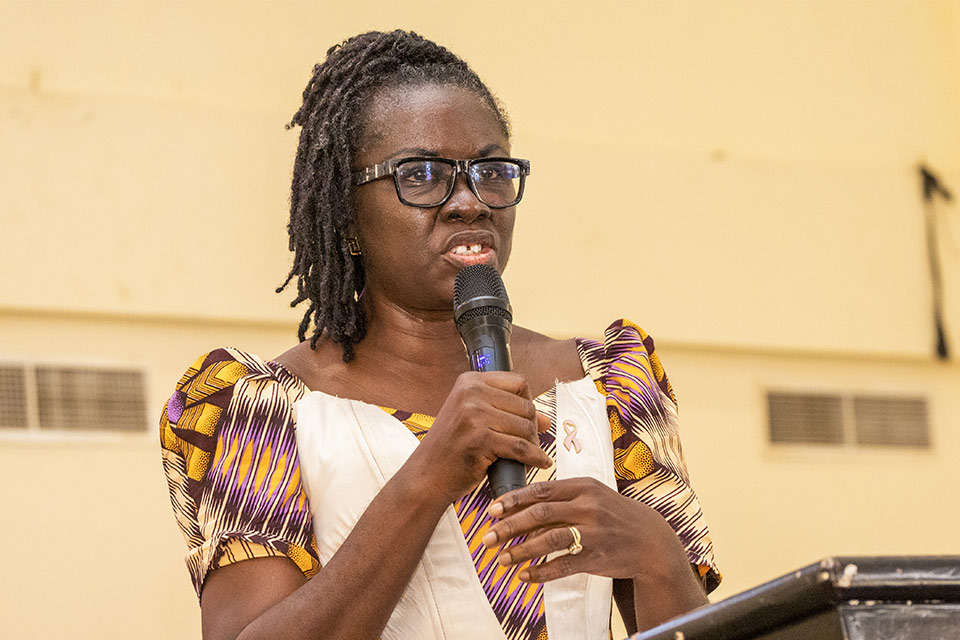
On the psychological effects of cancer, Dr. (Mrs.) Christiana Ammah, a counselling psychologist, drew attention to the emotional distress experienced by patients and carers including fear, denial, depression and exhaustion. She advocated access to professional counselling, reliable information and supportive relationships to help affected individuals and their families cope with the disease.
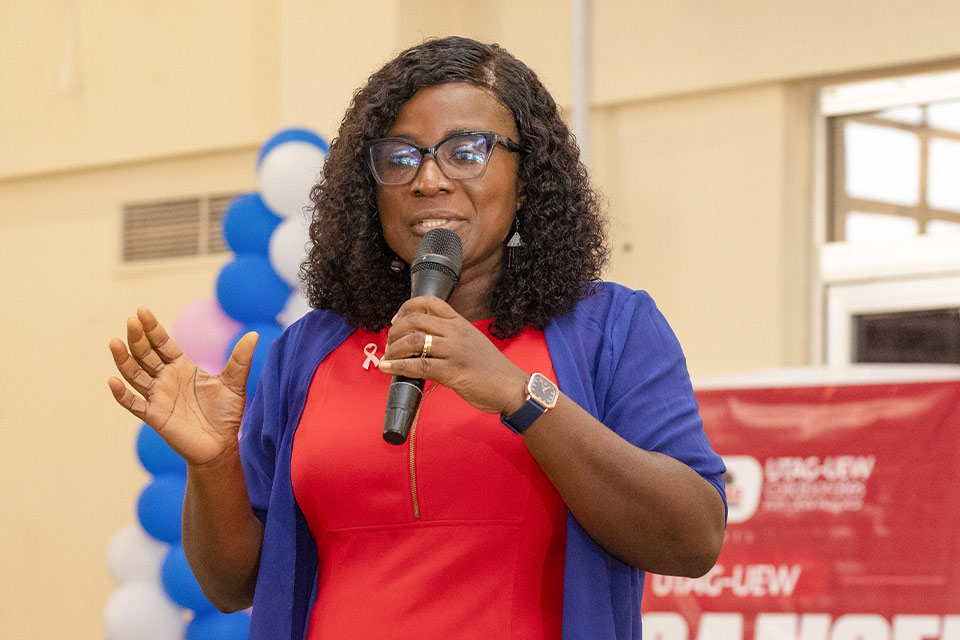
Dr. Mercy Otsin, speaking on wellness and healthy living, underscored the role of lifestyle choices in reducing cancer risk. Citing Ghana's 2024 breast cancer statistics, she reported more than 5,400 new cases with nearly half resulting in death.
She encouraged participants to adopt balanced diets, engage in regular physical activity and reduce alcohol consumption and smoking. She noted that about 40% of cancers could be prevented through lifestyle and behavioural changes.
The symposium reinforced the need for individuals to take responsibility for their health through preventive practices, timely screening and informed health decisions while extending compassion and support to people affected by cancer.