
CeRCCA-UEW International Conference Concludes with a Call for Cultural Sustainability


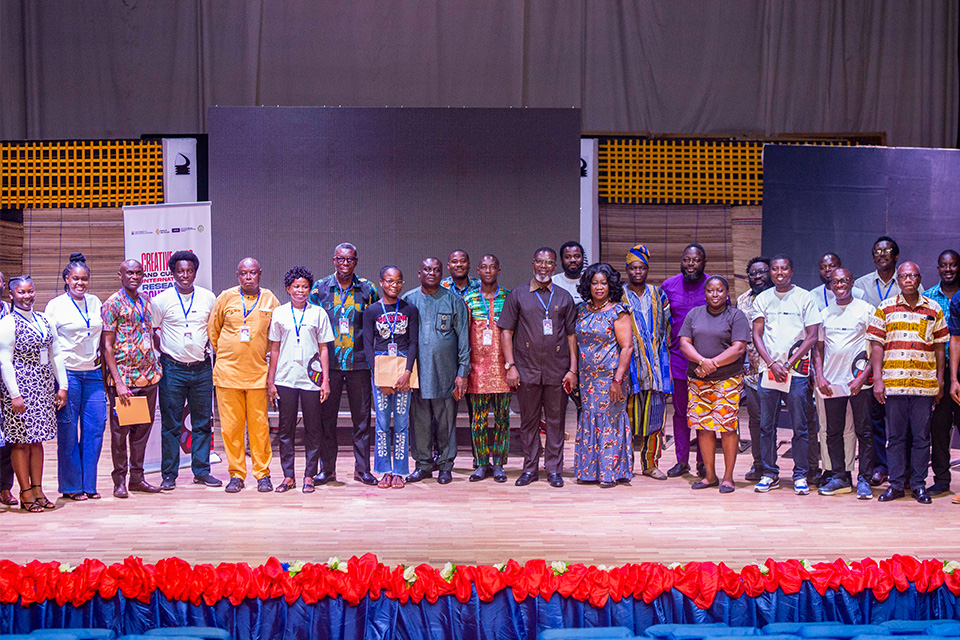
The University of Education, Winneba (UEW) concluded the 2026 Creative Arts and Culture International Research Conference with a call on scholars, practitioners and policymakers to leverage Africa’s cultural heritage as a strategic driver of innovation, economic growth and sustainable development.
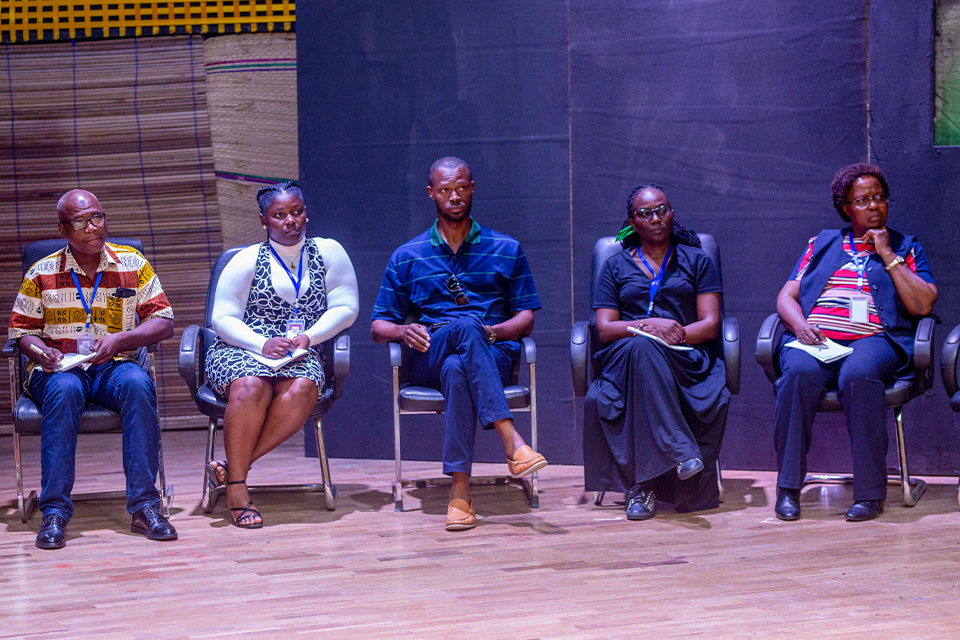
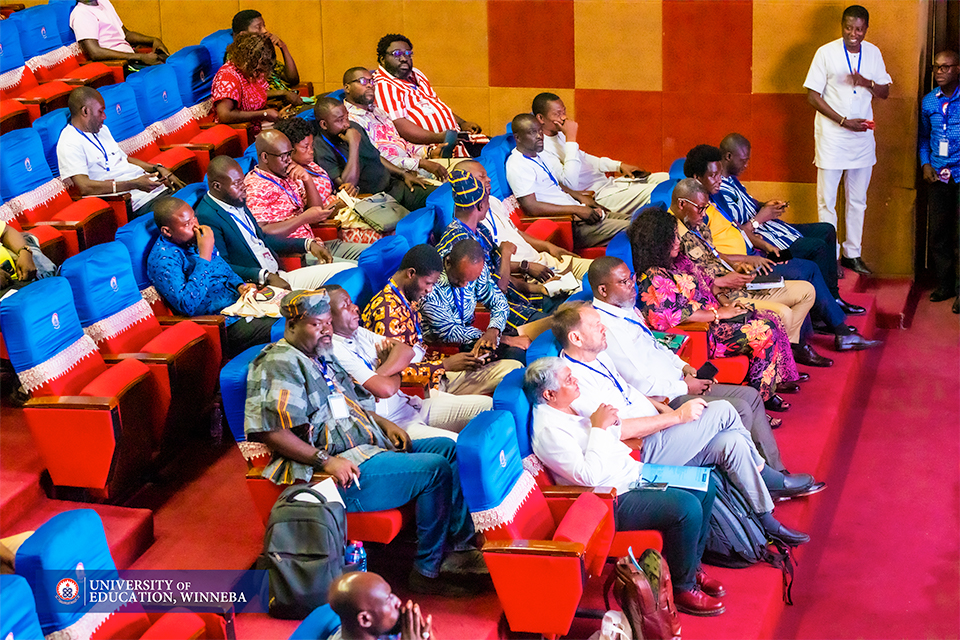
The three-day international conference, organised by the Centre for Research in Culture and Creative Arts (CeRCCA) in collaboration with the School of Creative Arts (SCA) and Exploring Visual Cultures (EVC), brought together global and local experts under the theme “Sankofaism: Unearthing, Unlearning/Learning and Uplifting Sustainable Creative Arts and Cultural Practices and Methods.”
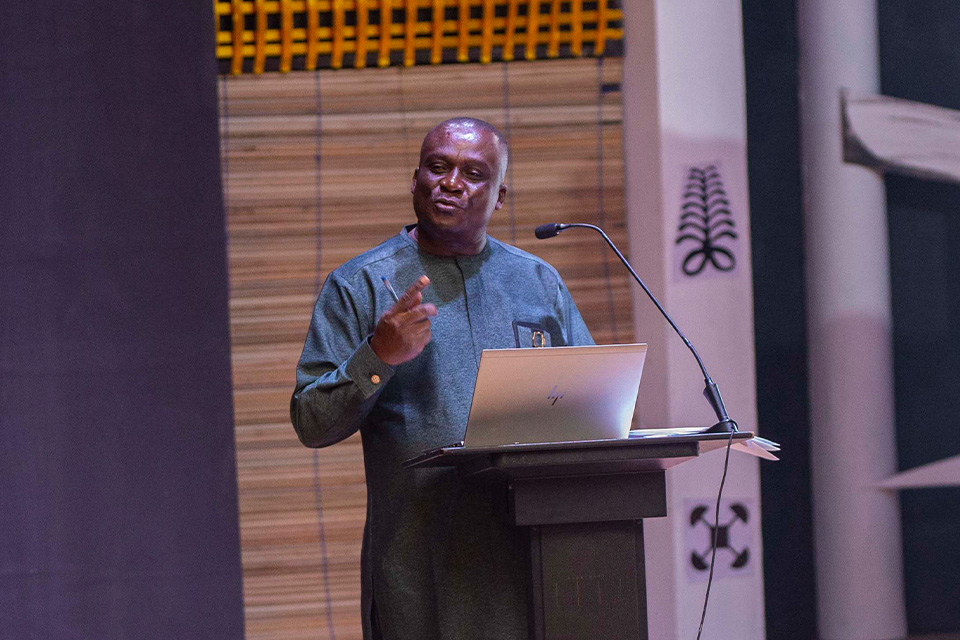
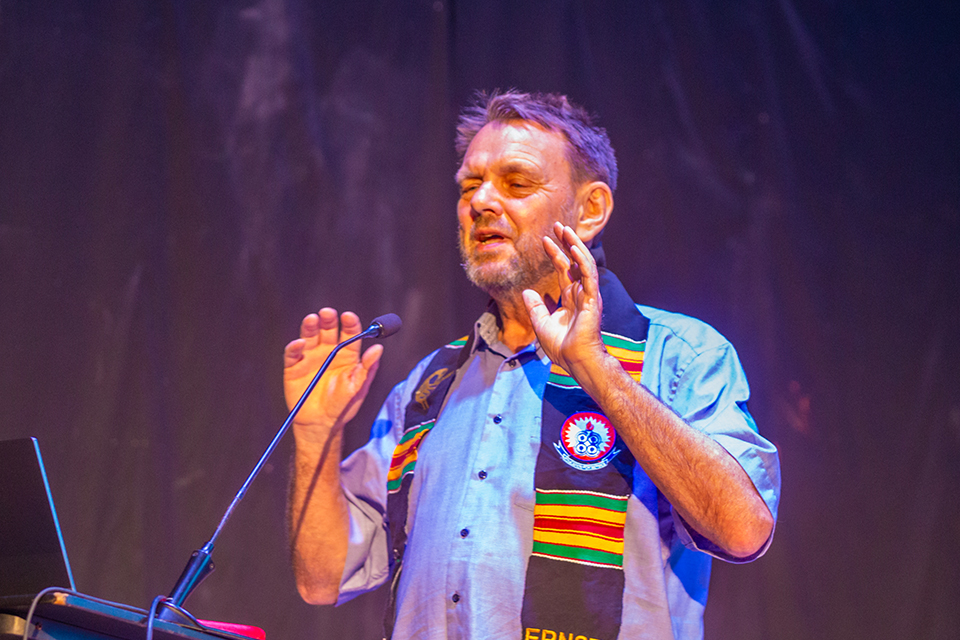
On the final day of the conference, Prof. Samuel Manassah Yirenkyi, Rector of the Institute of Film and Television at the University of Media, Arts and Communication, urged Africans to reclaim and reposition their cultural identity as a foundation for progress. He emphasised that Sankofa, an Akan concept symbolising the importance of returning to the past to inform the future, must go beyond symbolism and become a deliberate strategy for national and continental transformation.
Prof. Yirenkyi described Sankofaism as a movement that challenges individuals and institutions to unlearn colonial mindsets that portray African traditions as inferior and to relearn and integrate indigenous knowledge systems into contemporary life. He noted that culture should not be treated as a relic of the past but as a living dynamic resource capable of driving innovation and economic value in today’s global creative economy.
Highlighting the economic potential of the creative sector, he referenced global trends indicating that creative industries contribute significantly to employment and economic growth. He stressed that Ghana must harness its cultural assets such as festivals, traditional crafts, music, film and fashion through structured markets, strategic branding and digital platforms to compete globally.
He further challenged stakeholders to critically examine the marginalisation of indigenous practices in formal spaces, questioning why African languages, traditional foods, attire and cultural expressions are often sidelined even on platforms dedicated to celebrating African identity. According to him, genuine application of Sankofa requires conscious efforts to centre local traditions in education, research and public engagements.
Prof. Yirenkyi also underscored the need for documentation, digital archiving and intellectual property protection of cultural resources. He noted that the lack of structured systems continues to limit the economic benefits derived from Africa’s rich heritage. He called for stronger collaboration between academia, creative institutions and traditional authorities to preserve and transform cultural knowledge into viable industries.
Citing examples from Ghana’s growing global cultural visibility, he explained how initiatives such as heritage tourism, indigenous industries like shea butter production and digital storytelling are reshaping the country’s creative economy. He described Sankofaism not as nostalgia but as a “competitive advantage” capable of positioning Ghana as a global leader in authentic cultural production.
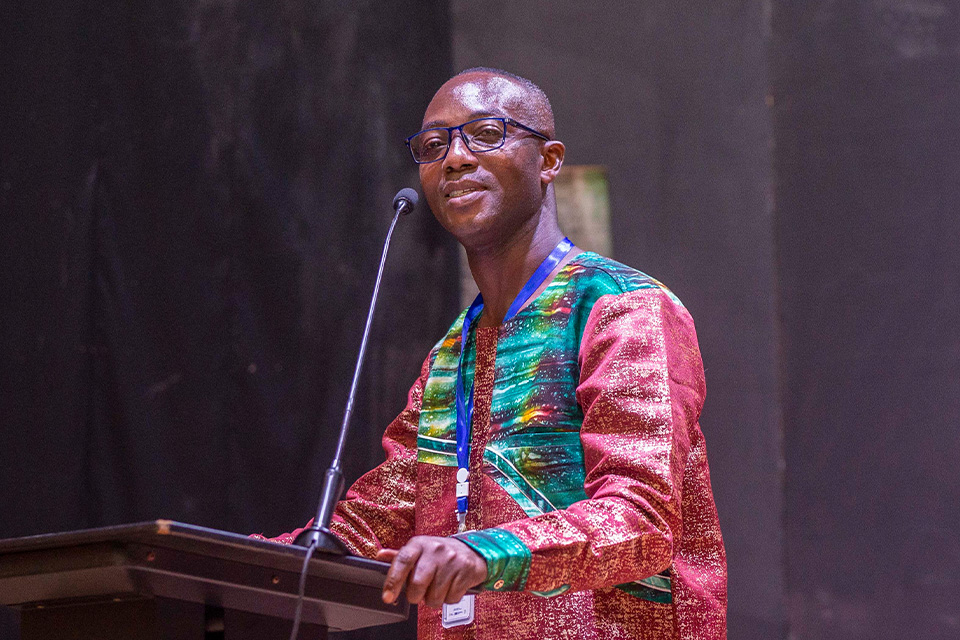
Prof Emmanuel Obed Acquah, the Dean of the School of Creative Arts, commended participants for their rich intellectual contributions and reiterated UEW’s commitment to advancing creative arts scholarship and research. He noted that the conference had provided a vibrant platform for critical reflection, artistic expression and meaningful collaboration among scholars and practitioners.
Prof. Acquah announced that all papers presented at the conference would be peer-reviewed and published as conference proceedings, contributing to the global body of knowledge in creative arts and cultural studies. He emphasised that the ideas, partnerships and networks formed during the conference would lead to joint research initiatives, co-created artistic works and policy-relevant engagements beyond the event.
He further urged participants to carry forward the spirit of Sankofa as a call to action, encouraging them to engage critically with the past, challenge inherited paradigms and innovate purposefully for the benefit of society and future generations.
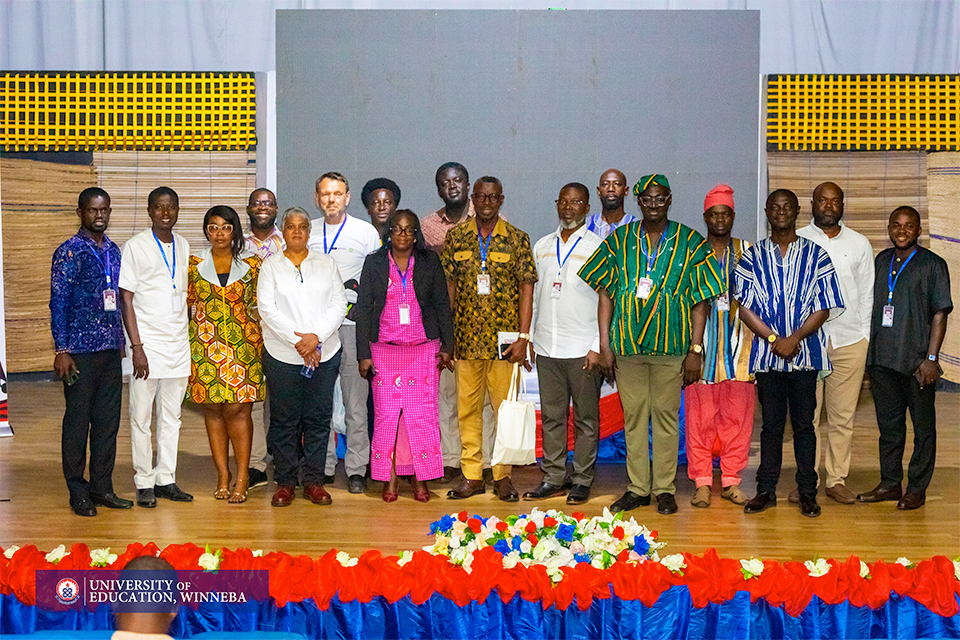
The conference concluded with a renewed commitment from stakeholders to transform dialogue into action by promoting sustainable cultural practices, strengthening creative industries and positioning African heritage as a central pillar of development. Through such initiatives, UEW continues to demonstrate leadership in fostering transformative education, research and global collaboration in the creative arts sector.