UEW, GUBA Foundation Champion Inclusion with Neurodiversity Campaign


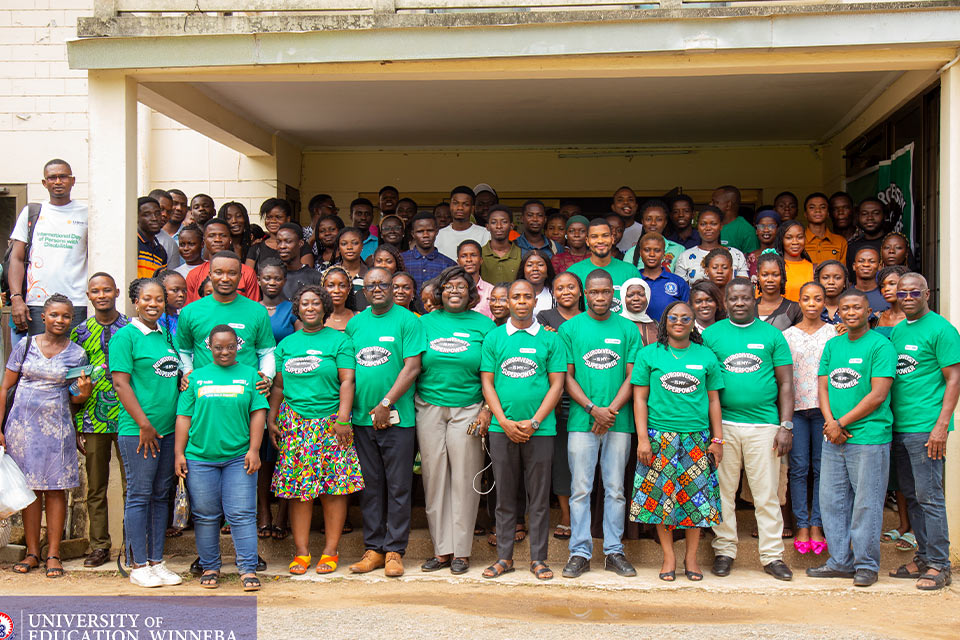
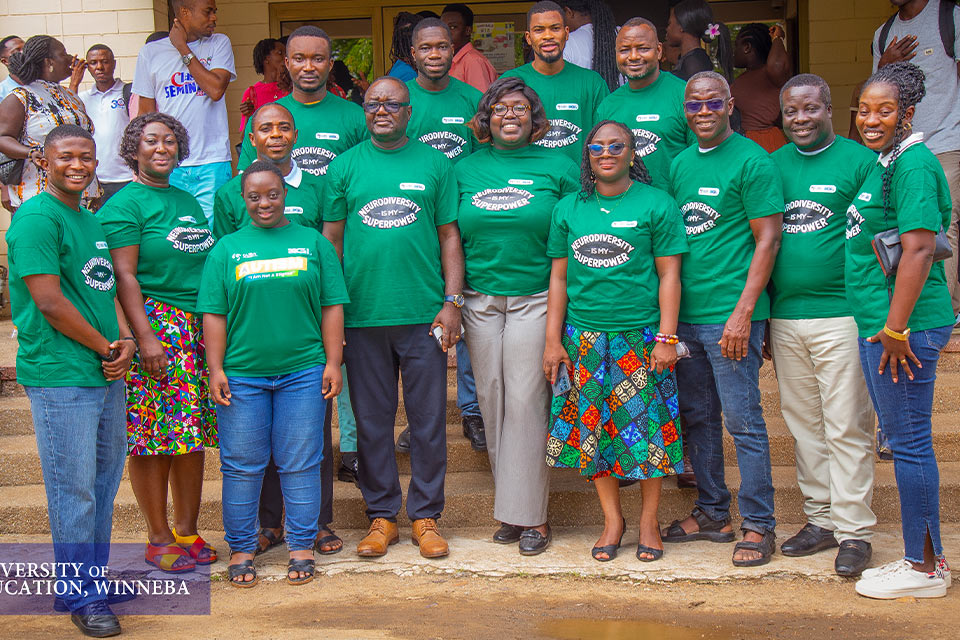
The Department of Special Education at the University of Education, Winneba (UEW), in collaboration with the GUBA Foundation, has launched the “Neurodiversity is My Superpower” campaign to promote awareness, inclusion and support for neurodivergent individuals in educational institutions and society.
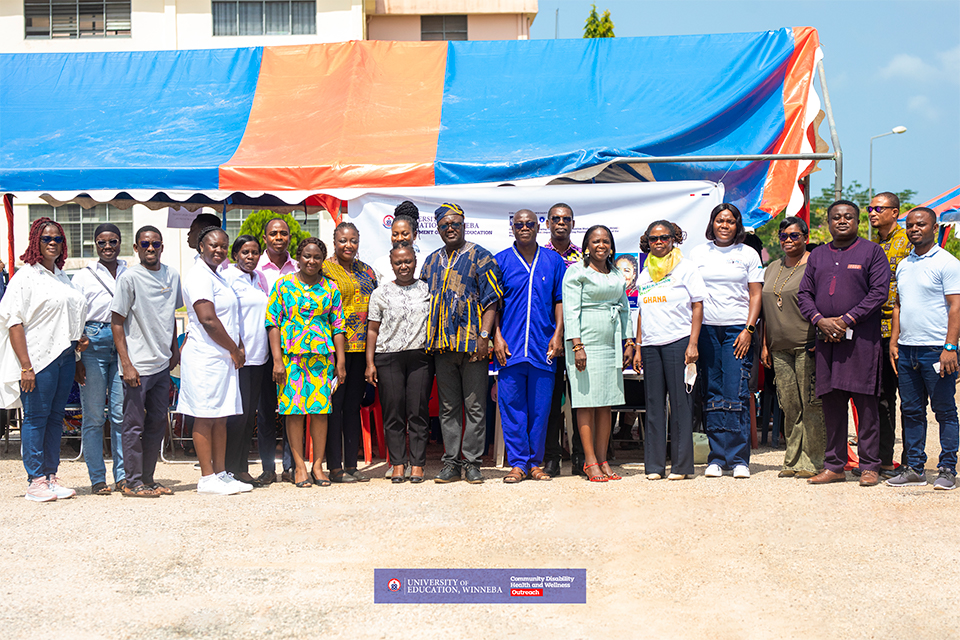
The initiative, launched at the North Campus Mini-Conference Room on Friday, 12th June, 2026, brought together academics, students, advocates, parents and community members to deepen public understanding of neurodiversity and encourage the creation of inclusive environments where individuals with diverse neurological profiles can thrive.
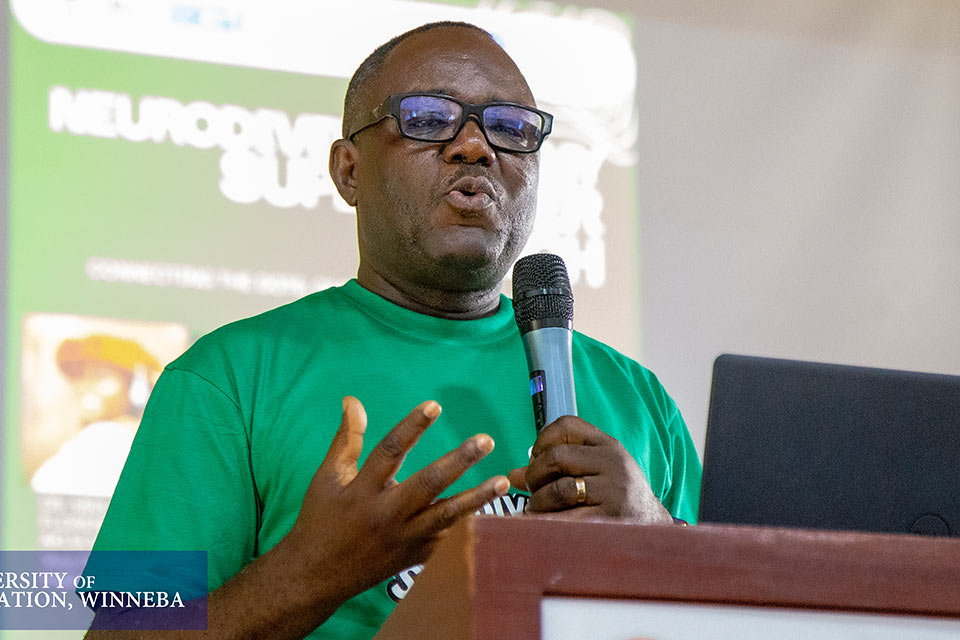
Welcoming participants, Dr. Emmanuel Kwasi Acheampong, the Head of the Department of Special Education, described the campaign as a timely intervention that aligns with the University's commitment to inclusion and the celebration of human diversity. He emphasised that individuals with autism spectrum disorder, Attention Deficit Hyperactivity Disorder (ADHD), dyslexia and other neurodevelopmental conditions possess unique abilities that society must recognise and nurture.
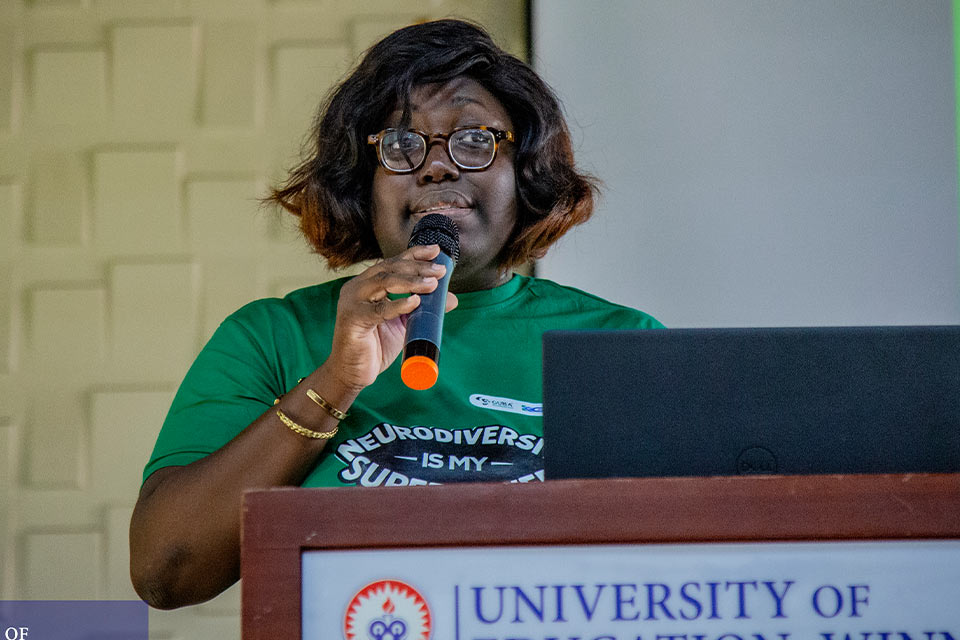
Speaking on behalf of the GUBA Foundation, Ms. Pearl Donkor-Martey, Charity Manager, said the campaign seeks to transform public perceptions of neurodiversity by shifting attention from limitations to possibilities.
“Behind every diagnosis is a story, behind every challenge is resilience and behind every success is a community of support,” she noted, adding that inclusion is a shared responsibility requiring the collective efforts of families, educators, policymakers and communities.
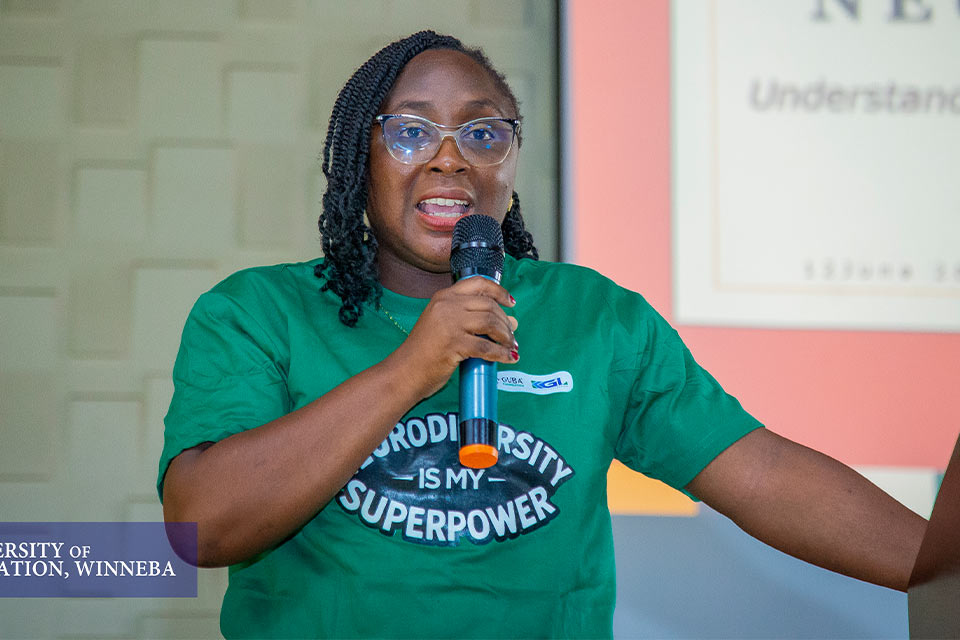
Delivering the keynote address, Dr. Priscilla Amanorkuor Dseagu, Lecturer at the Education for Intellectual Disability Unit of UEW, challenged participants to embrace neurodiversity as a natural variation in how people think, learn, communicate and interact with the world.
She highlighted the strengths often associated with neurodivergent individuals including exceptional memory, creativity, innovation, attention to detail and problem-solving abilities. Drawing on local and international examples, she demonstrated how individuals on the autism spectrum and those with dyslexia have excelled in music, advocacy, hospitality and other professional fields when given the necessary support and opportunities.
Dr. Priscilla Dseagu, however, observed that many neurodivergent individuals continue to face stigma, discrimination, delayed diagnosis, limited access to intervention services and barriers to education and employment. She called for greater public awareness, stronger home-school collaboration, inclusive teaching practices and workplace accommodations to ensure equal opportunities for all.
She further advocated evidence-based approaches such as Universal Design for Learning (UDL), which enables educators to accommodate diverse learning needs through flexible teaching methods and assessment strategies.
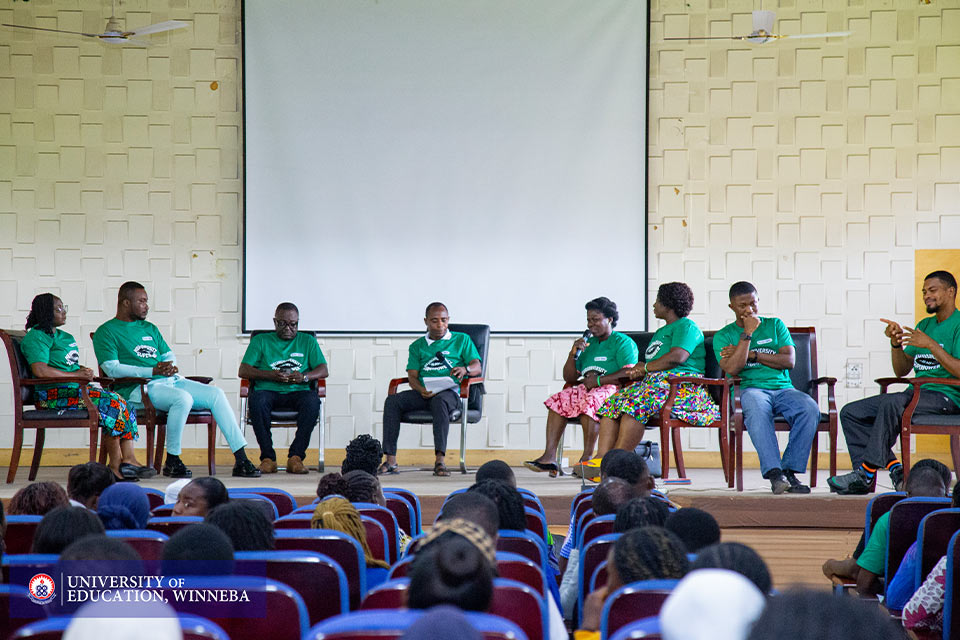
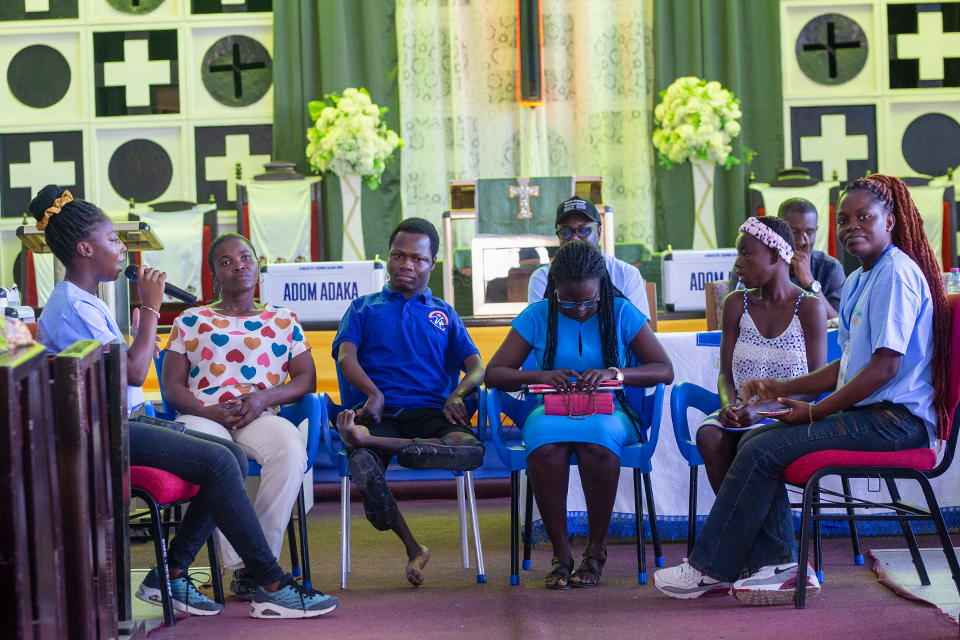
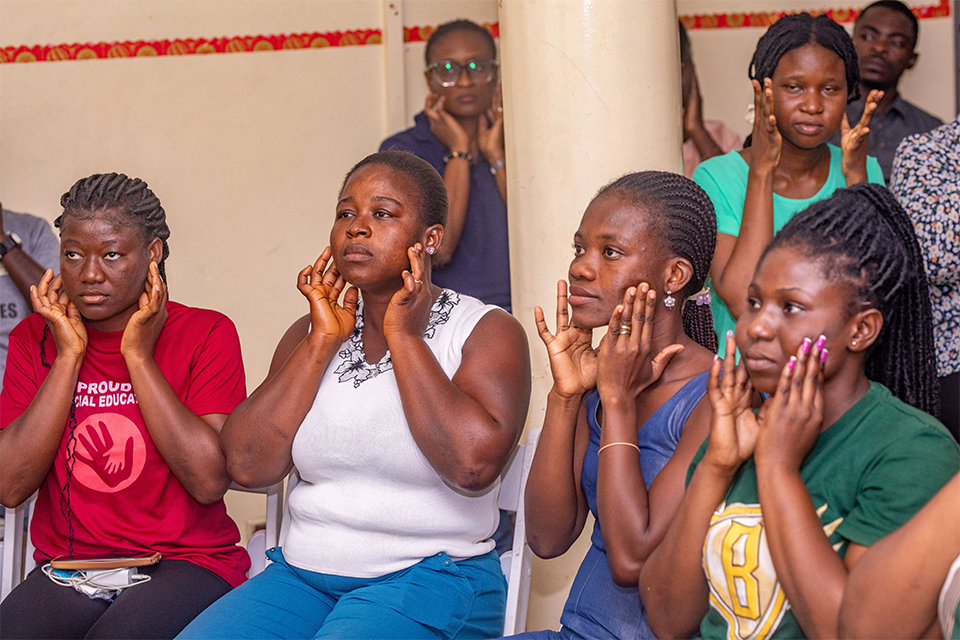
A panel discussion on “Breaking Barriers and Promoting Inclusive Communities” and a series of personal testimonials highlighted the programme. Participants shared lived experiences, challenges and success stories. This reinforced the campaign's message that neurodivergent individuals can achieve their full potential when society focuses on their strengths rather than their limitations.
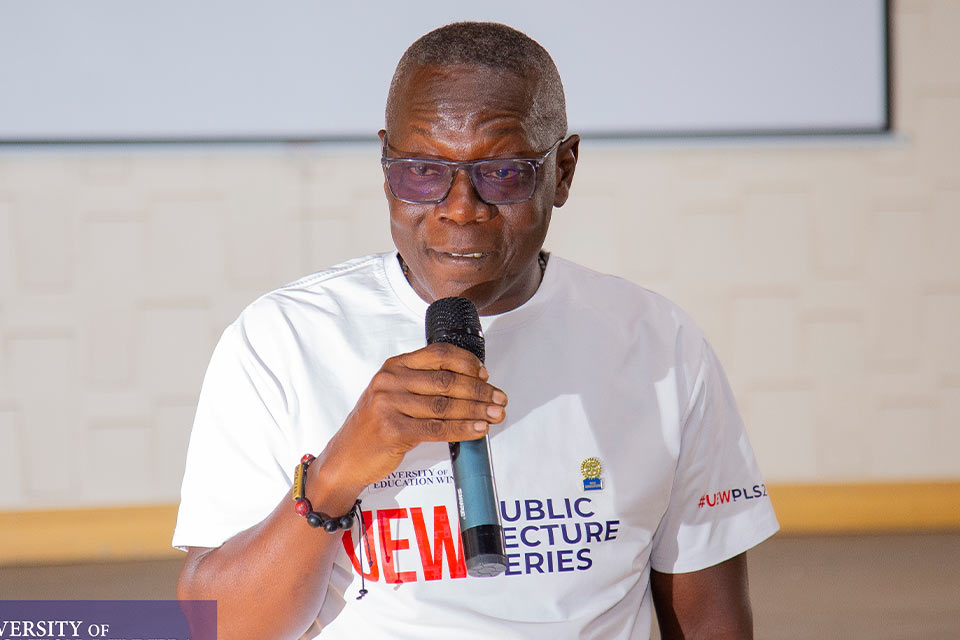
Prof. Yaw Nyadu Offei, Professor of Special Education, reflected on the growth of Special Education in Ghana and underscored the transformative impact of the profession in creating opportunities for individuals with disability. He encouraged students and practitioners to view Special Education as a calling dedicated to changing lives and promoting equity.
The launch of the “Neurodiversity is My Superpower” campaign marks the beginning of a sustained advocacy effort aimed at fostering inclusive communities, empowering neurodivergent individuals and advancing acceptance, understanding and equal participation in education, employment and social life.
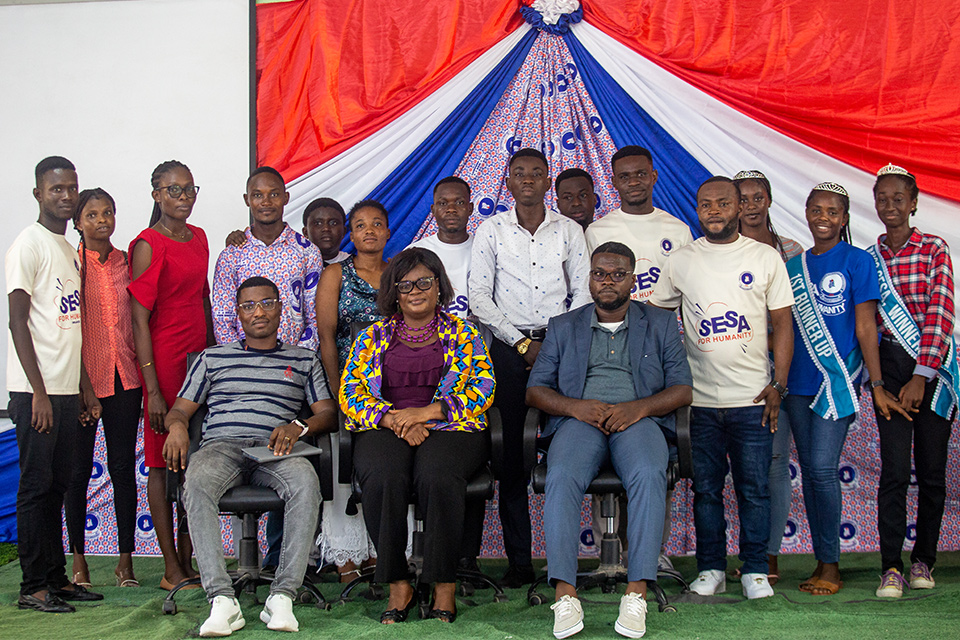
Participants pledged their support for the campaign and reaffirmed their commitment to building a society where every individual, regardless of neurological difference, feels valued, respected and empowered to succeed.