UEW Ends Four-Day GHANEPS Capacity-Building Workshop



The University of Education, Winneba (UEW) concluded a four-day intensive capacity-building workshop on Procurement, reinforcing its commitment to transparency, efficiency and regulatory compliance in public procurement.
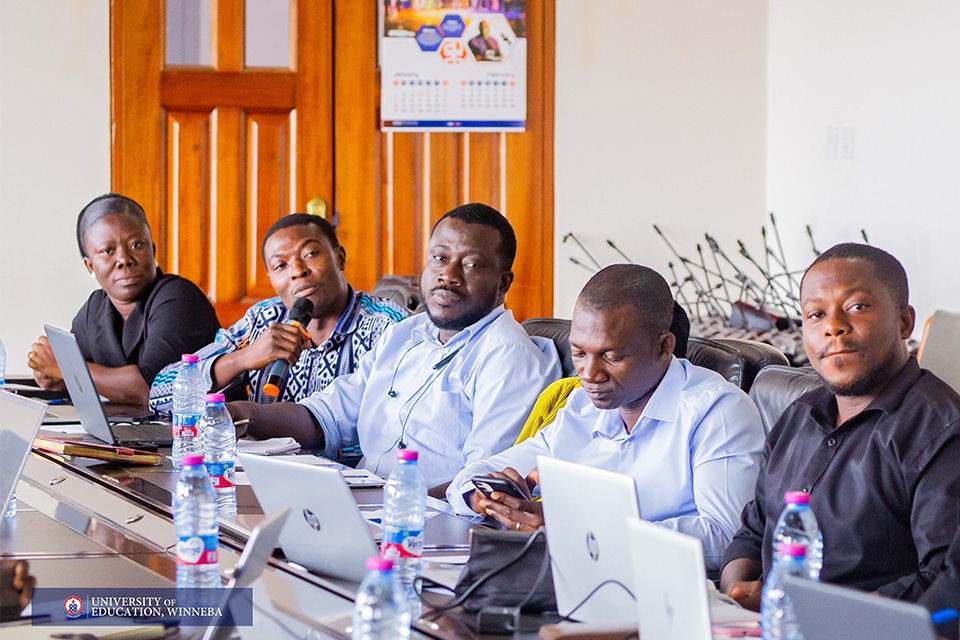
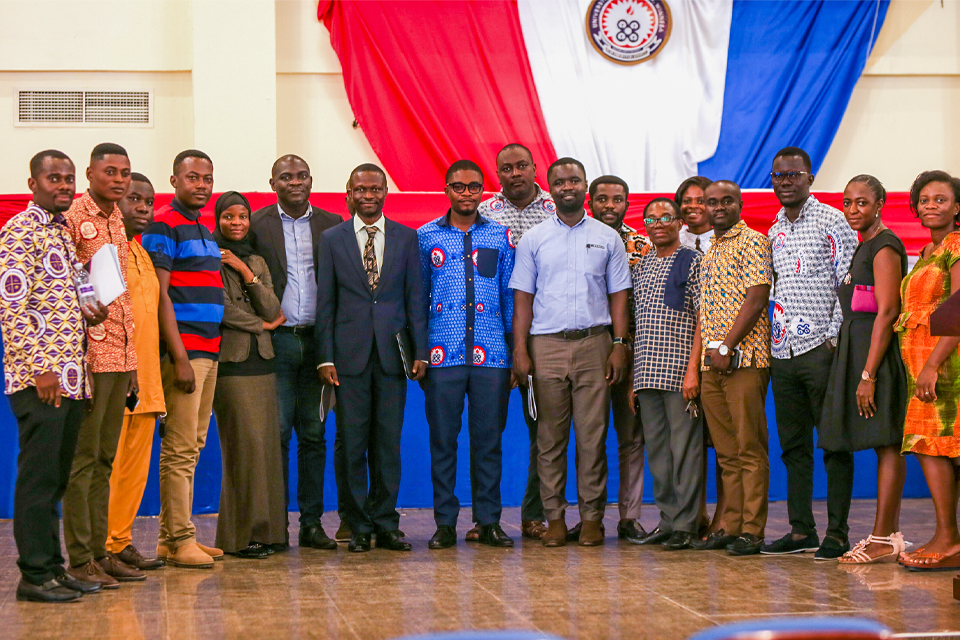
The training, held from Monday, 13th to Thursday, 16th April, 2026, brought together procurement professionals, facilitators from the Public Procurement Authority (PPA) and key university stakeholders to deepen knowledge and practical application of the Ghana Electronic Procurement System (GHANEPS).
The workshop, featured expert-led sessions aimed at enhancing participants’ understanding of procurement principles and their digitisation under GHANEPS.

Addressing participants at the closing session, Ms. Georgina Tibu, a Senior Assistant Registrar at the Division of Human Resource, underscored the importance of continuous professional development in improving institutional performance. She noted that the training formed part of UEW’s broader strategy to equip staff with the requisite competencies to operate effectively in an evolving, technology-driven procurement environment.

Mad. Mary Dzimey, the Head of Procurement, highlighted the significance of the transition from manual to electronic procurement systems, stressing that GHANEPS represents a major shift towards transparency and global best practices. She explained that the platform allows procurement activities to be conducted and monitored online, enabling the government and the public to access procurement information in real time. She urged participants to fully leverage the knowledge acquired to improve efficiency and accountability in their respective roles.
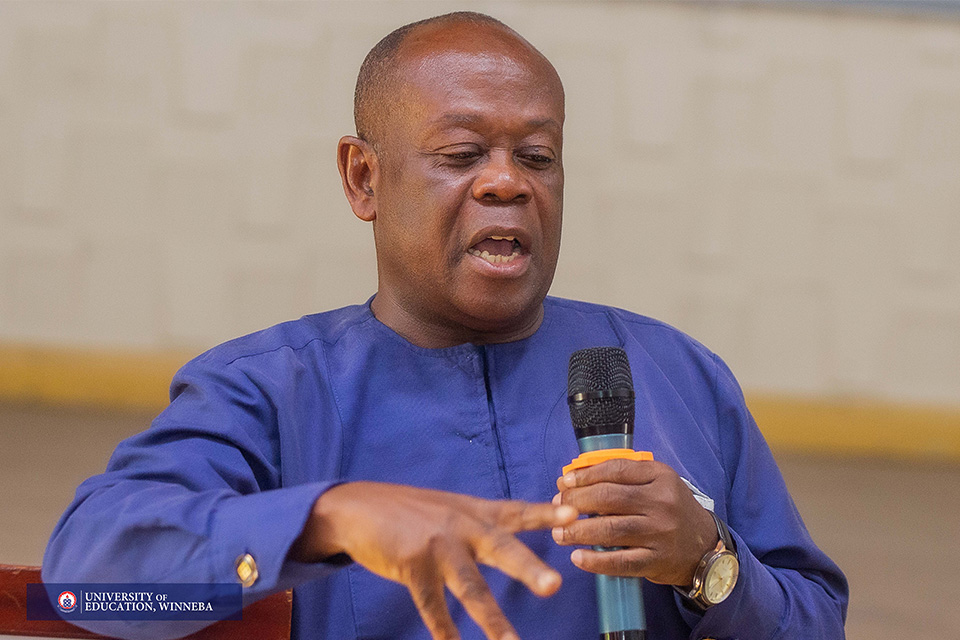
Providing an overview of the training, Mr. George Osei-Poku, the Director of Capacity Building at the PPA, indicated that the sessions covered the legal framework of public procurement, various procurement methods and the operationalisation of GHANEPS.
He emphasised that the electronic system does not replace procurement laws but rather digitises existing processes to ensure compliance and efficiency. He further noted the need for continuous engagement with university management to deepen understanding of compliance issues and enhance institutional adoption of the system.
A key highlight of the workshop was the practical training session held on Wednesday, 15th April, which focused on advanced tendering and evaluation processes within GHANEPS.

Facilitated by Mr. Tanko Aminu, Zonal Coordinator of the PPA for the Western and Central Zones, the session provided participants with hands-on experience in creating and managing electronic tenders. Topics covered included linking procurement activities to approved Annual Procurement Plans, defining tender specifications, configuring submission timelines and publishing tender documents.
Mr. Aminu emphasised the centrality of the tender document in the procurement process, describing it as the definitive reference point in resolving disputes. He explained that GHANEPS enhances data integrity by securely storing procurement records. He noted that this eliminates risks associated with document alteration in manual systems.
Participants were guided through the development of evaluation criteria including eligibility, technical and financial requirements which are essential in determining the capacity and credibility of bidders.
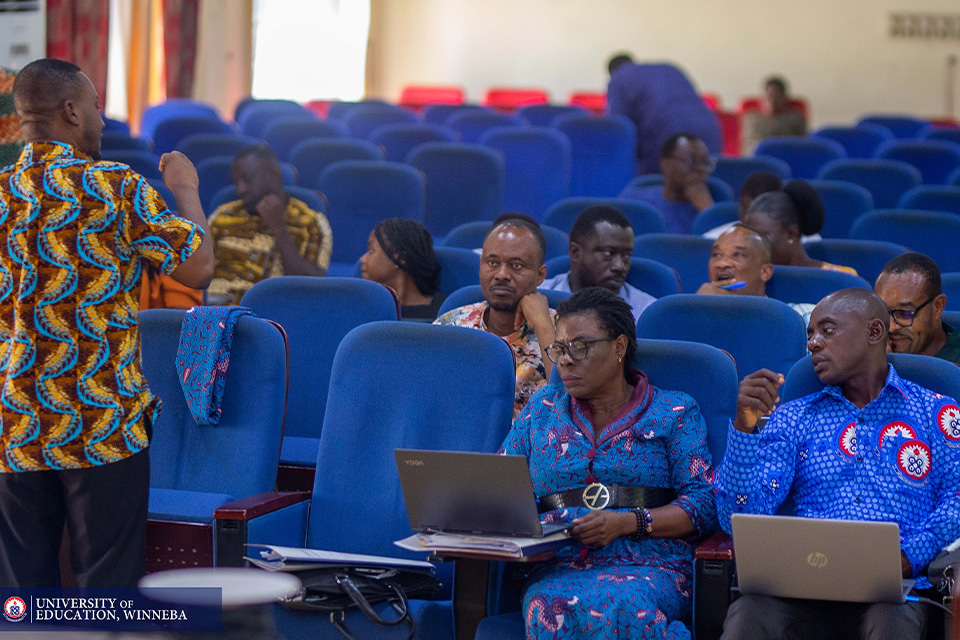
The session also underscored the importance of strict adherence to procurement laws and consistency between tender documents and system entries. Participants were cautioned against making unapproved changes to procurement plans and were advised to ensure that all modifications are properly documented and authorised. Additionally, the training introduced international classification standards for procurement items to align with the University’s procurement practices with global benchmarks.
The workshop concluded with a call on participants to apply the knowledge gained to strengthen procurement operations within UEW. The initiative marks a significant step in the University’s efforts to modernise its procurement systems, enhance transparency and ensure value for money in all procurement activities.