UEW Secures Three-Year Erasmus+ Mobility Grant in Partnership with TAMK, Finland


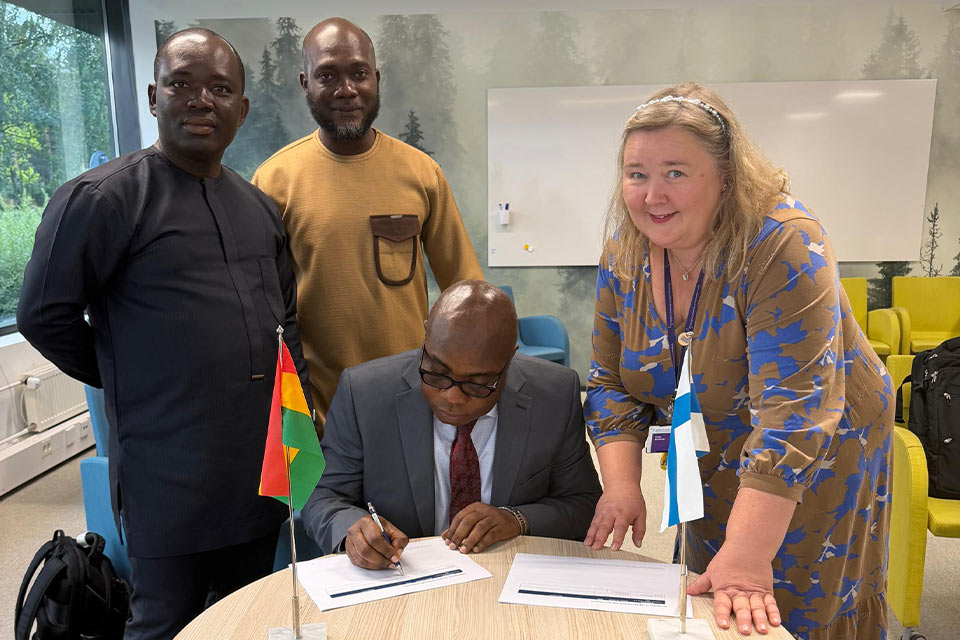
The University of Education, Winneba (UEW) has secured a three-year Erasmus+ mobility grant in partnership with Tampere University of Applied Sciences (TAMK), Finland, to strengthen academic mobility, research collaboration, knowledge exchange and international partnerships.
Running from 2026 to 2029, the grant will provide opportunities for academic staff and students from UEW and TAMK to participate in mobility activities, share expertise and gain international academic and cultural experiences.
The partnership is part of UEW’s efforts to advance its internationalisation agenda and establish strategic relationships with leading higher education institutions.
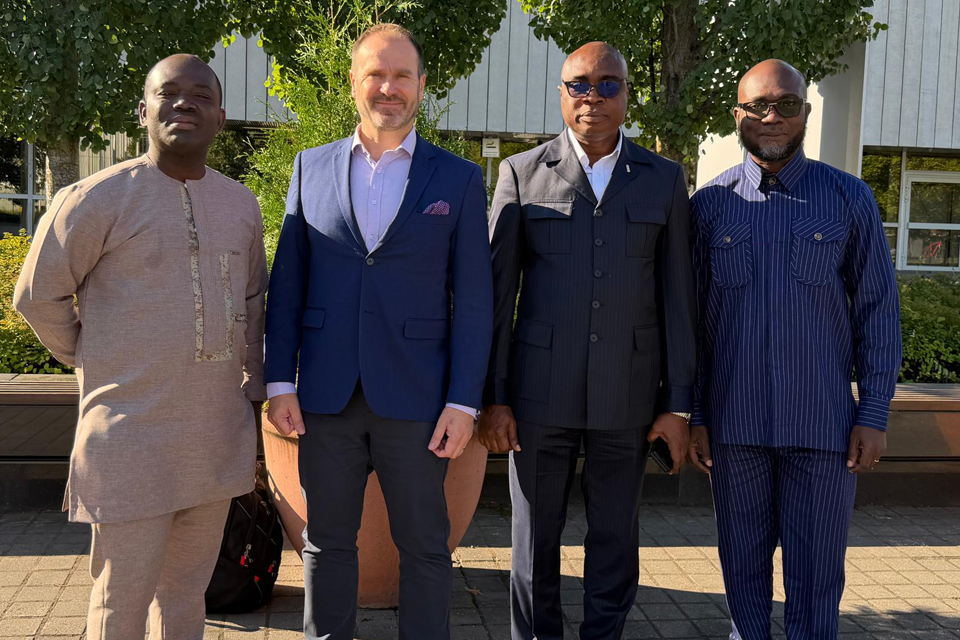
The successful acquisition of the grant follows sustained efforts by Prof. Stephen Jobson Mitchual, the Vice-Chancellor of UEW; Prof. Benjamin Ghansah, the Vice-Dean of the Faculty of Science Education; and Prof. Enoch Frederick Sam, the Director of the Directorate of Research, Innovation and Development (DRID).
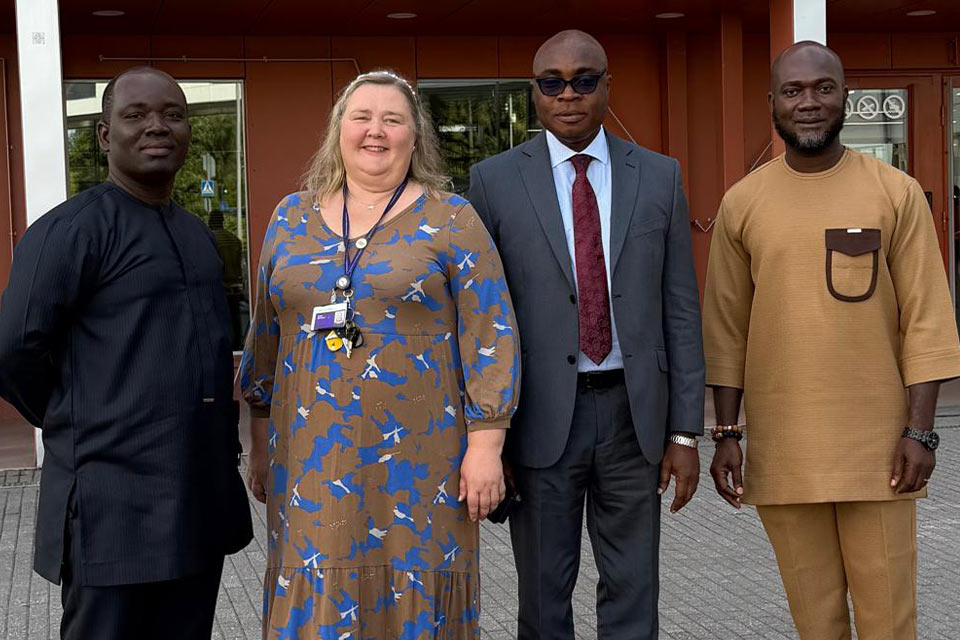
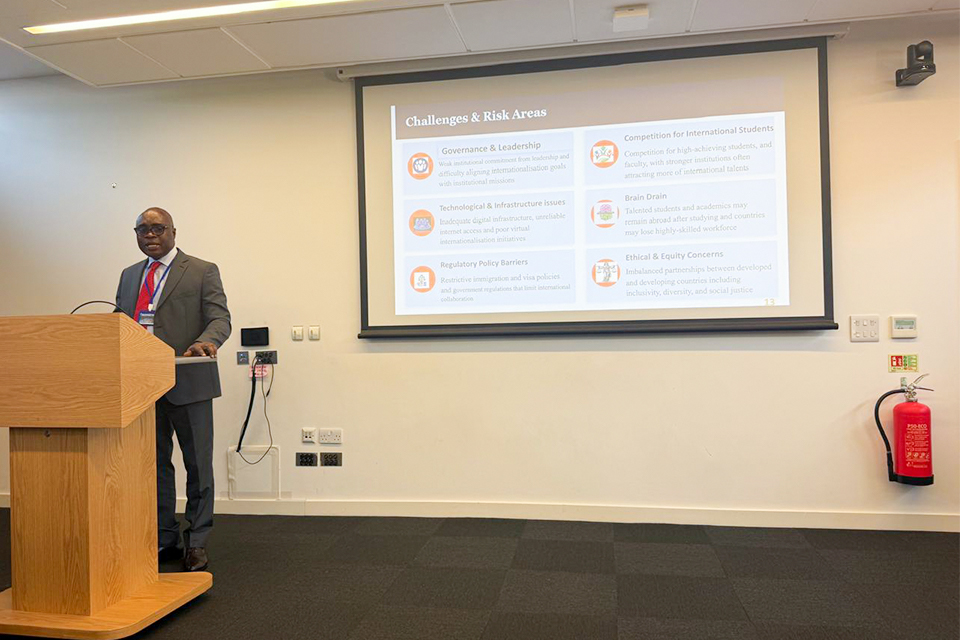
The three senior officers travelled to Finland to meet with the leadership and relevant representatives of TAMK regarding the mobility programme and to explore broader opportunities for academic, research and innovation collaboration.
During the engagement, the UEW delegation met with Dr. Ari Sivula, Vice-President of TAMK responsible for Research, Development and Innovation, and Ms. Krista Merikoski, International Coordinator for Erasmus+ funded mobility projects.
Discussions focused on the implementation of the Erasmus+ mobility programme and the development of a sustainable institutional partnership that extends beyond staff and student exchanges.
Under the grant, academic staff from both institutions will have opportunities for teaching, professional development, knowledge exchange and academic collaboration. Meanwhile, students will benefit from exposure to diverse academic environments, varied teaching approaches and international learning experiences.
The mobility activities are also expected to enable participants to establish international networks and enhance their capacity to engage with global academic and research communities.
Beyond mobility, UEW and TAMK have identified potential areas for joint research and innovation, including artificial intelligence and machine learning, digital transformation, educational technology, learning analytics, cybersecurity, sustainable development, smart technologies, health technology, agriculture, engineering, entrepreneurship and innovation.
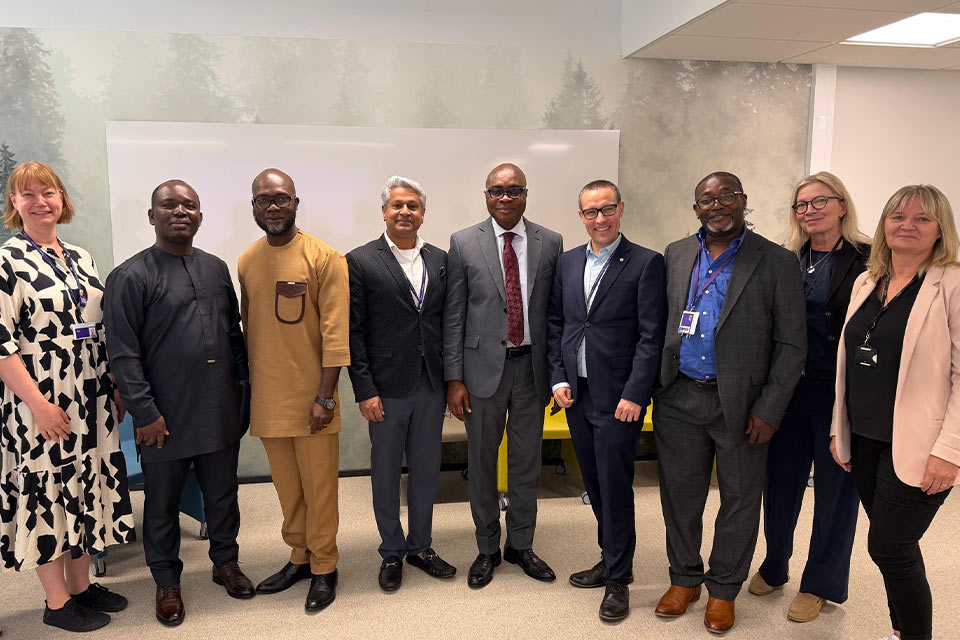
The partnership could facilitate joint research projects, publications, conferences and seminars, postgraduate research collaborations, researcher exchanges and applications for competitive international research funding.
It is also expected to strengthen postgraduate research at UEW through activities such as joint doctoral seminars, research methodology workshops, researcher mobility programmes, joint supervision and the formation of collaborative research teams.
The collaboration will create additional opportunities for industry engagement, innovation and knowledge transfer, enabling both institutions to develop practical solutions to challenges in Ghana, Finland, Africa and Europe.
The partnership combines the complementary strengths of the two institutions, with UEW’s expertise in education, teacher training and science education providing a strong foundation for collaboration with TAMK’s applied focus on education, research, development, innovation and industry engagement.
The Erasmus+ grant represents more than just a mobility programme; it serves as a platform for sustained institutional cooperation, research, innovation, capacity development and international engagement.
The successful acquisition of the grant underscores UEW’s commitment to building strategic global partnerships that expand opportunities for its staff and students while advancing the University’s research and innovation agenda.
UEW is expected to begin implementing the three-year mobility programme and to seek additional opportunities to strengthen its relationship with TAMK beyond the current grant.