UEW Social Studies PhD Students Lead Curriculum Decolonisation Debate


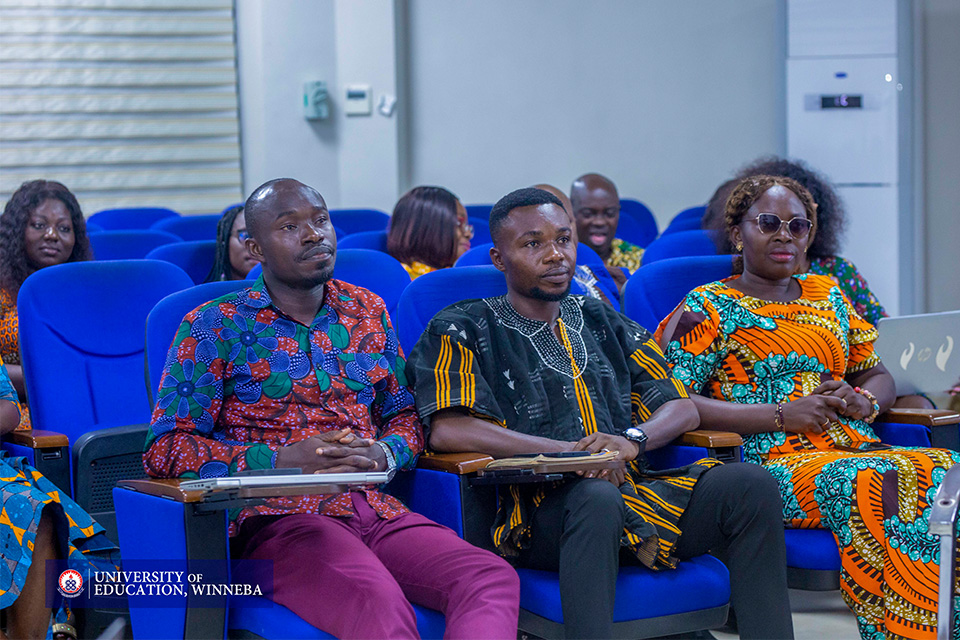
The Department of Social Studies Education at the University of Education, Winneba (UEW) hosted a Research Symposium for its Doctor of Philosophy (PhD) students. The event engendered critical discussions on the future of Social Studies education and the urgent need to decolonise Ghana’s curriculum.
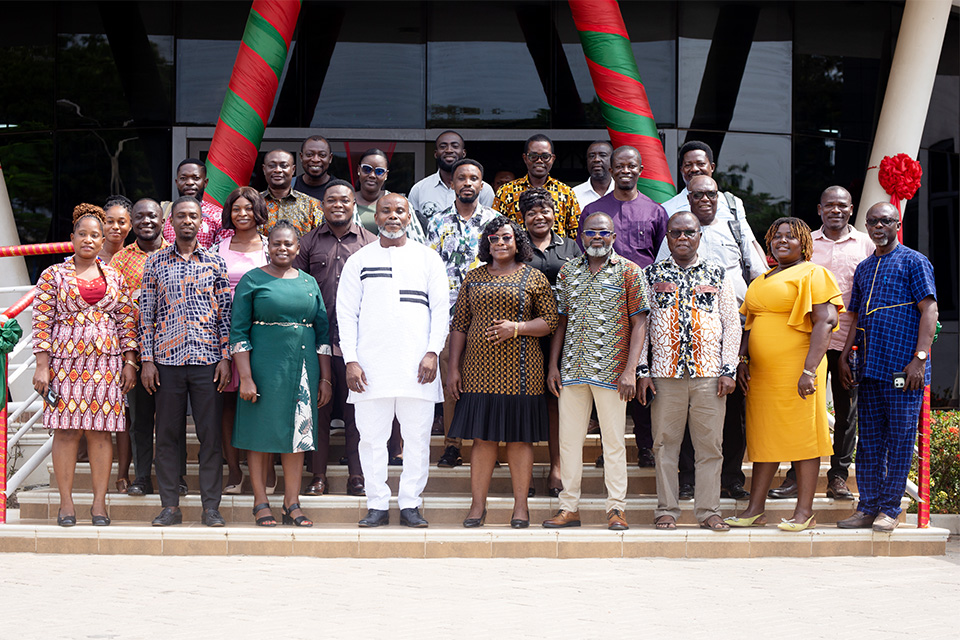
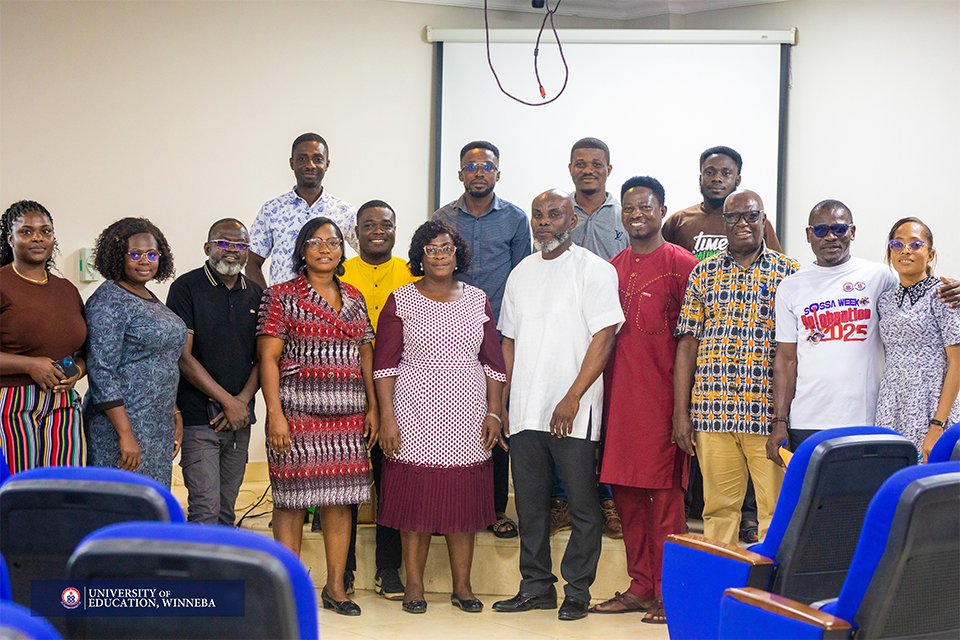
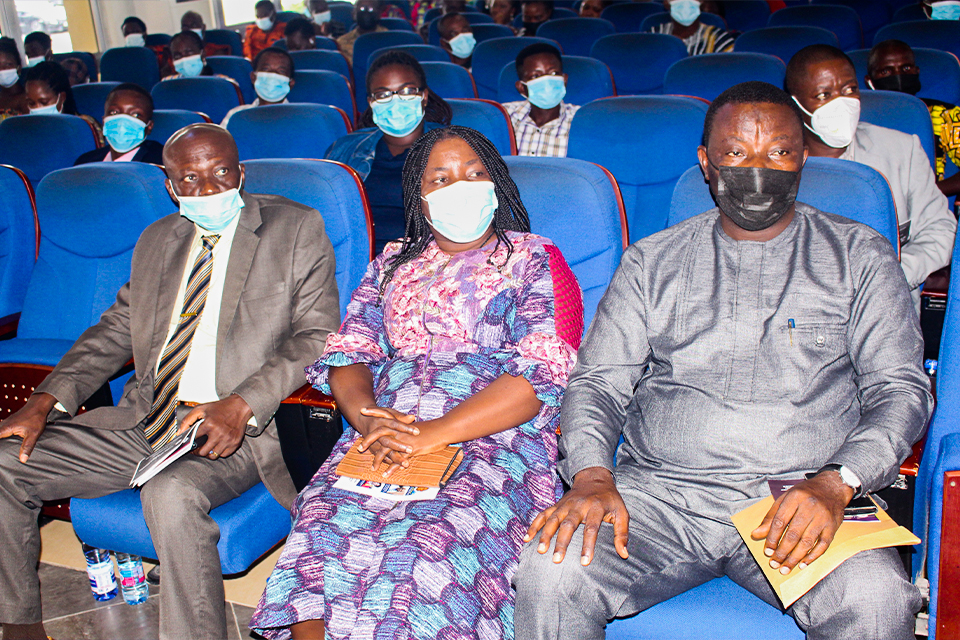
Held on Tuesday, 28th April, 2026, at the Students Centre Seminar Room III, the symposium was on the theme “Are We Still Teaching the Empire’s Curriculum? Education, Power, Society and the Decolonial Future of Social Studies in Ghana.” It brought together faculty, researchers and students to interrogate the ideological foundations of education and explore Afrocentric alternatives.
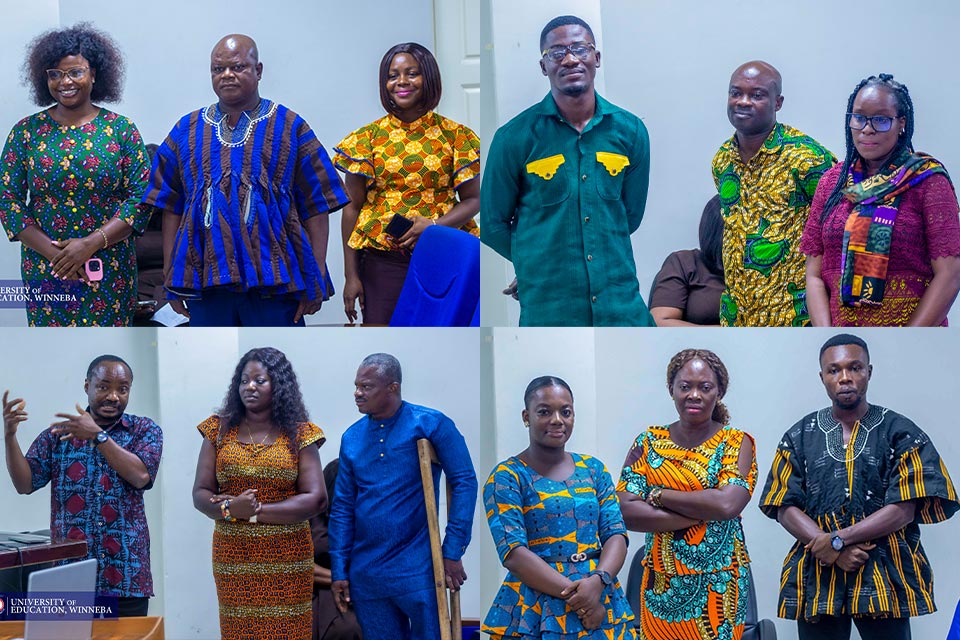
The event, described as a capstone academic exercise under the PhD course “Global Perspectives in Social Studies Education,” showcased original research by first-year doctoral candidates. Seventeen students, working in seven groups, presented scholarly papers addressing decolonial epistemology, curriculum power dynamics, indigenous knowledge systems and innovative approaches to teaching Social Studies in Ghana.
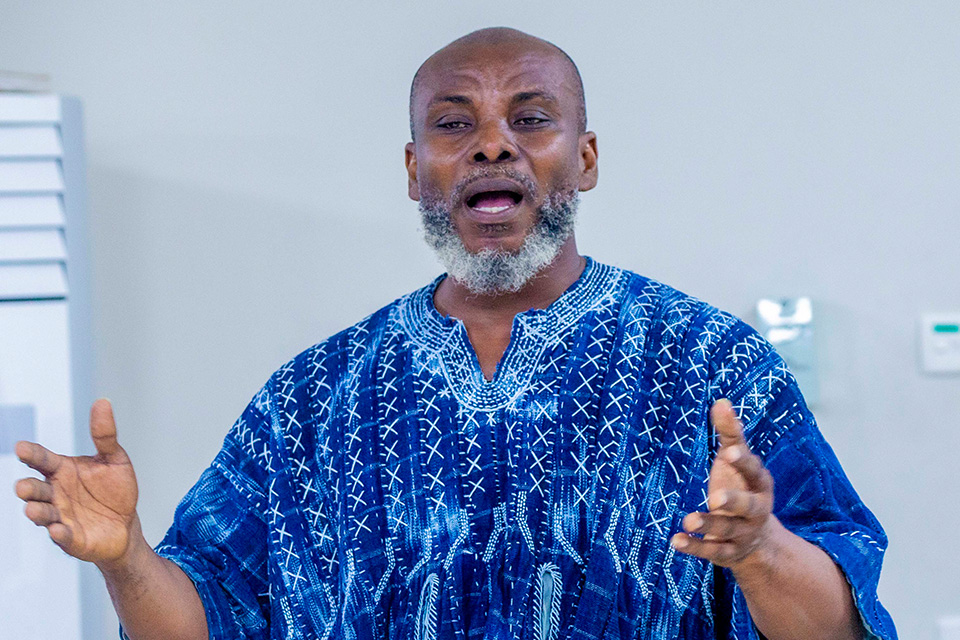
Prof. Isaac Eshun, the Head of Department, underscored the Department’s commitment to experiential and student-centred learning. He noted that the symposium was designed to move beyond theoretical instruction to practical intellectual engagement. He emphasised that doctoral education at UEW is structured to empower students as independent knowledge producers capable of contributing meaningfully to global academic discourse.
“This platform is to guide you to explore, question and deepen your understanding,” he stated, commending both students and faculty for extending scholarly engagement beyond the traditional classroom setting.
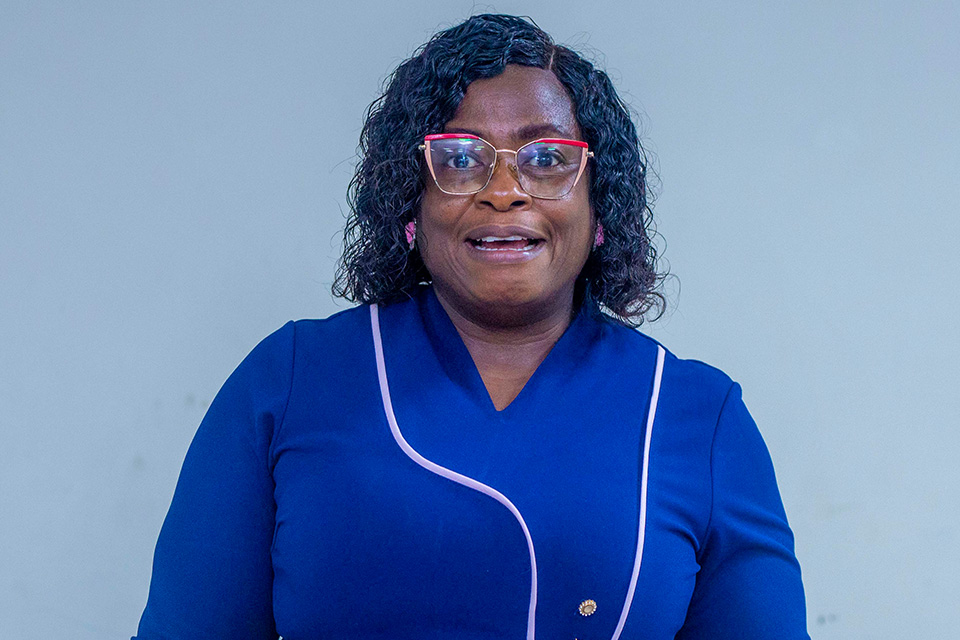
Prof. Lucy Effeh Attom, the Dean of the Faculty of Liberal and Social Studies Education, delivered a keynote address highlighting the transformative power of education in shaping society. She argued that Ghana’s education system still bears the imprint of colonial ideologies, often privileging foreign knowledge systems over indigenous perspectives.
“Education is power because it liberates the mind and inspires innovation,” she noted, stressing that Social Studies holds a strategic position in bridging education and society. She called for a deliberate redesign of curricula to reflect Ghanaian realities, integrate indigenous knowledge systems and promote values such as patriotism, social justice and active citizenship.
According to her, a decolonial approach to Social Studies education is essential for addressing contemporary societal challenges including corruption, unemployment, environmental degradation and political polarisation.
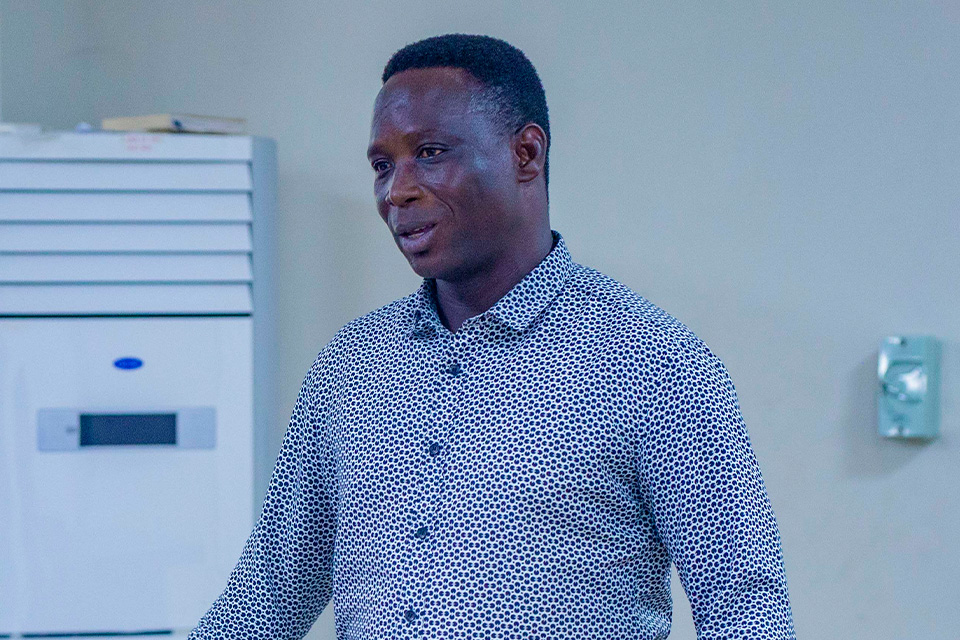
Prof. David Naya Zuure, the Vice-Dean of the Faculty, described the symposium as a platform for intellectual collaboration and innovation. He noted that the research presented demonstrated the capacity of UEW’s doctoral students to influence national and global conversations on education reform.
“We are here to inform the world that the UEW Social Studies Department has valuable contributions to offer, particularly in advancing discussions on decolonising education,” he said, adding that the quality of presentations could easily meet the standards of international academic conferences.
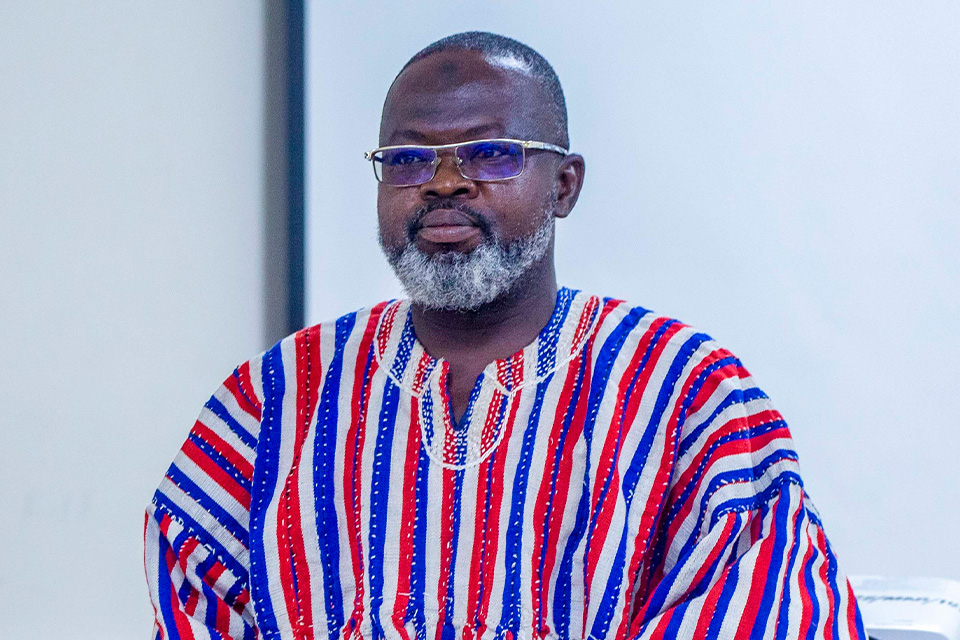
Course lecturer, Dr. Mohammed Adam, revealed that Ghana’s curriculum is currently undergoing revision with a shift towards citizenship education. He described the symposium as a “national assignment” that contributes to shaping policy discourse and redefining the role of Social Studies in national development. “This is not just an academic exercise; it is a national conversation about what Social Studies should be and how it can serve Ghana and Africa,” he emphasised.
The symposium featured diverse and thought-provoking topics including decolonising global citizenship education, comparative curriculum analysis across Ghana, Singapore and the United States, the impact of neoliberal reforms such as the T-TEL initiative, and the integration of indigenous knowledge systems into curriculum design. Other presentations examined digital learning platforms and innovative approaches to teaching climate change through multiple epistemologies.
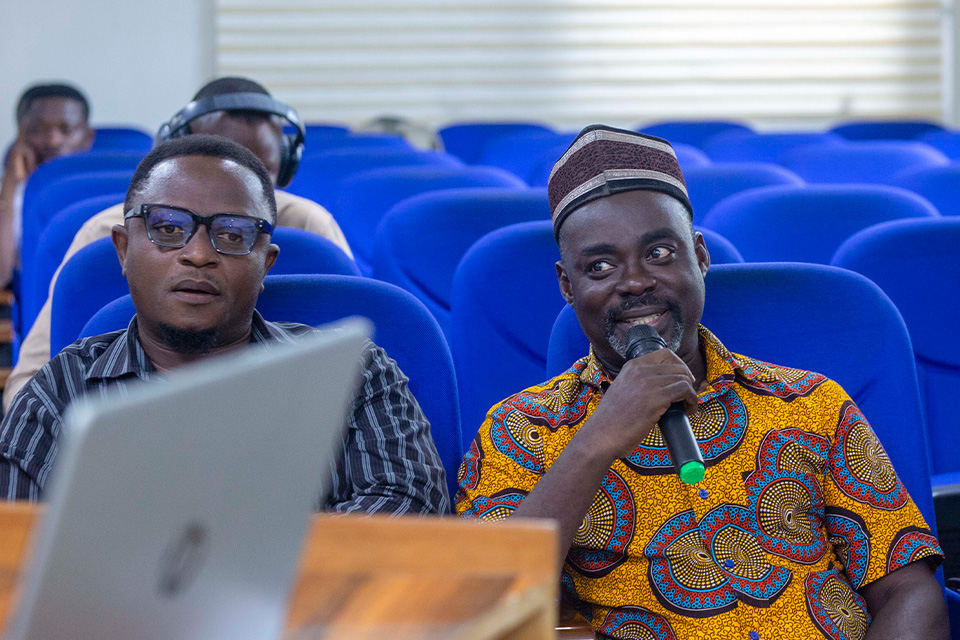
Panel members including Prof. Richardson Addai-Mununkum and Prof. Seth Tweneboah, praised the depth, originality and relevance of the students’ work. Prof. Tweneboah described the symposium as one of the most engaging graduate academic events he had attended. He observed that it offered valuable opportunities for mutual learning between supervisors and students. “I have learned a lot. This is what academic engagement should be where both students and supervisors benefit intellectually,” he remarked.
The symposium forms part of a broader pedagogical approach within the department, combining oral scholarly presentations with the production of publishable academic papers. It aims to cultivate critical thinking, originality and the ability to engage global academic audience while centring African perspectives.
The Department of Social Studies Education continues to position itself at the forefront of curriculum transformation and educational innovation in Ghana. The symposium not only highlighted the research capabilities of UEW’s PhD students but also reinforced the University’s role in shaping a decolonial and context-responsive future for education.