UEW Social Studies Department Holds Retreat


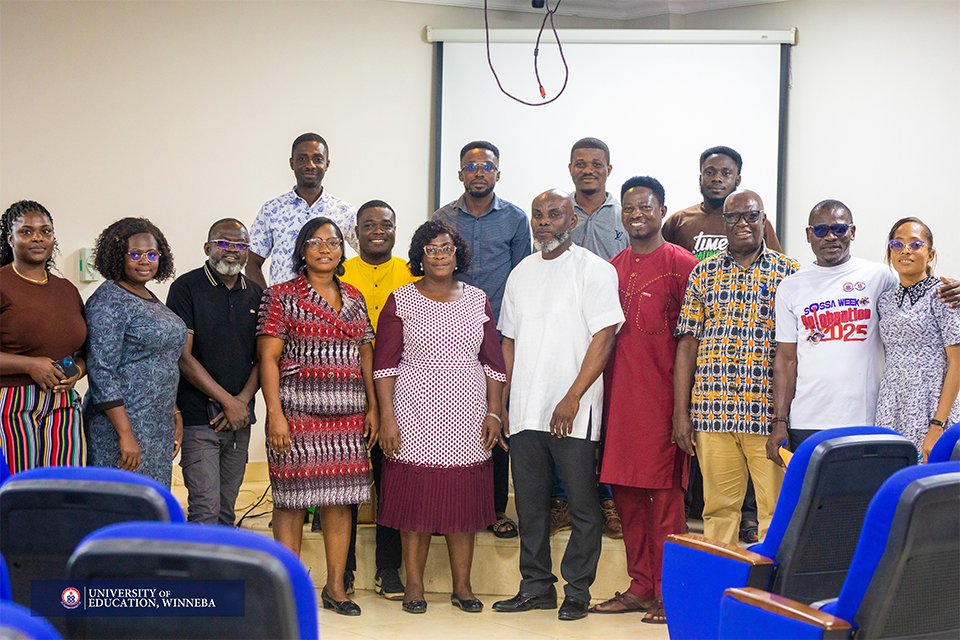
The Department of Social Studies Education under the Faculty of Liberal and Social Studies Education, University of Education, Winneba (UEW) held a three-day retreat to deliberate on pressing academic issues and to build stronger support systems for both undergraduate and postgraduate students.
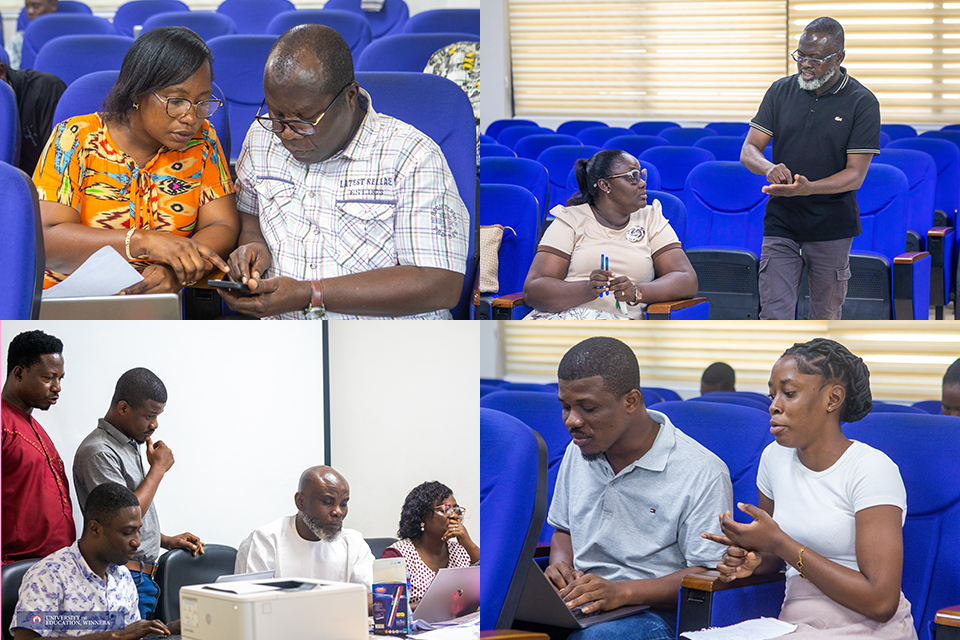
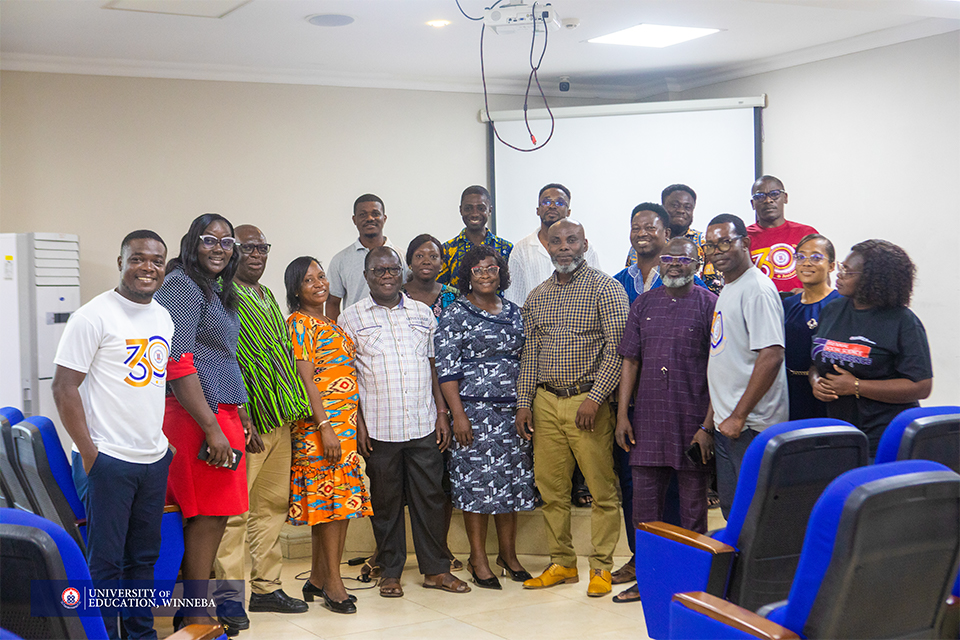
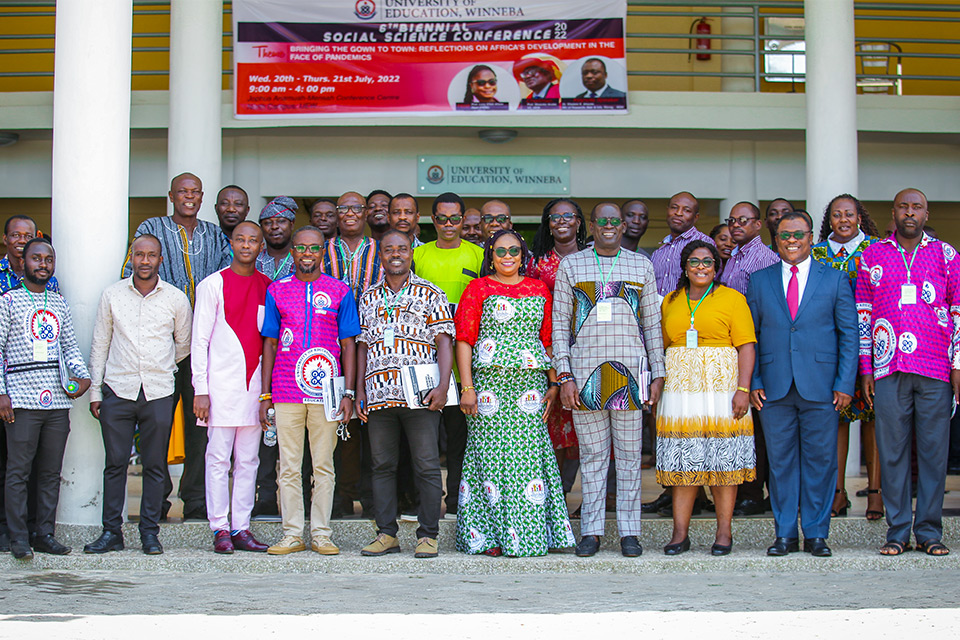
The retreat, which took place from Wednesday, 24th to Friday, 26th September, 2025, at the Students Centre Seminar Room III, North Campus, brought together faculty, administrators and students in a series of engagements that blended problem-solving, reflection and mentorship.
The first two days of the retreat were devoted to addressing persistent challenges surrounding students’ examination results, particularly those of final-year students. With “Operation 100% Graduation” as the guiding vision, the Department worked tirelessly to resolve outstanding cases that had threatened to delay students’ academic progression.
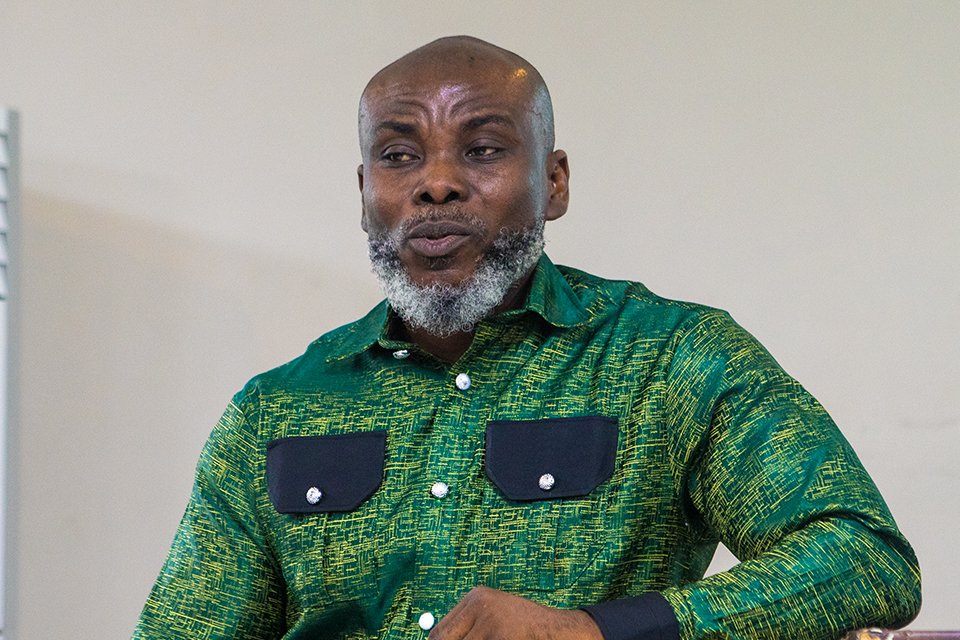
According to Prof. Isaac Eshun, Head of Department, about 80% of the outstanding issues had been successfully resolved by the end of the retreat, paving the way for the smooth graduation of Level 400 students. He commended staff for their diligence and urged them to maintain their commitment to student welfare.
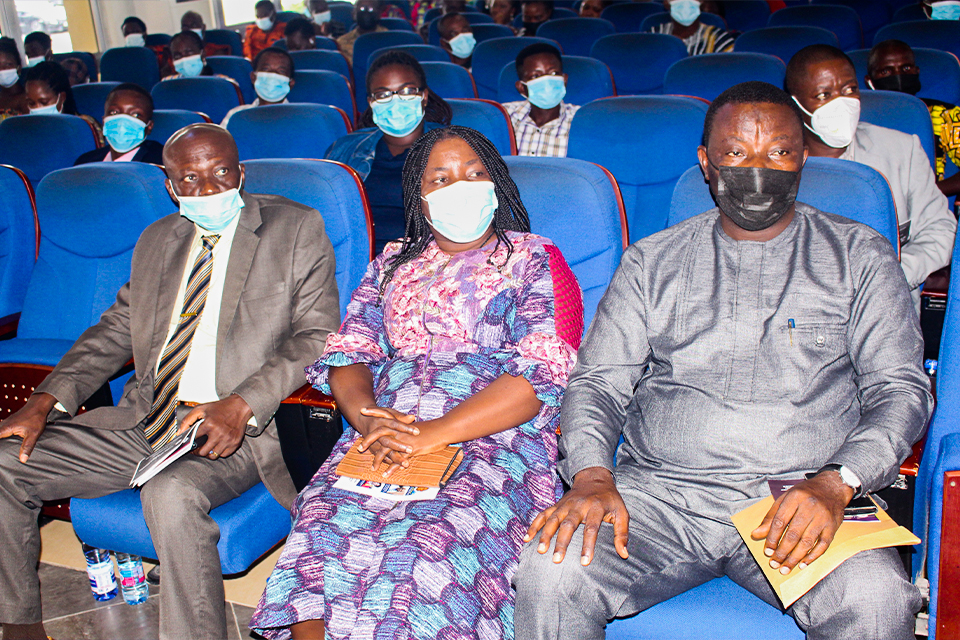
The final day of the retreat shifted focus to postgraduate students in an interactive session on the theme “Student-Supervisor Relationship and Effective Supervision Management of Thesis.” The session opened with a welcome address by Prof. Eshun who encouraged both staff and students to approach the exercise with seriousness, describing the retreat as an opportunity to build stronger academic foundations while preparing the Department for greater achievements.

Prof. Lucy Effeh Attom, Dean of the Faculty of Liberal and Social Studies Education, graced the programme and pledged her full support to the Department’s vision. In her address, she stressed the need to maintain the credibility of assessment mechanisms to reduce anxiety and ensure fairness. She highlighted the importance of supervision in the research process, noting that supervisors must find the right balance between mentoring and monitoring while students must show accountability and responsibility.
Prof. Lucy Attom also introduced participants to several guiding theories of supervision including expectancy theory, social exchange theory, cognitive apprenticeship theory, transformational leadership theory and mentoring theory. She drew from her personal academic journey to emphasise the importance of maintaining high standards, recalling how her own methodology chapter had once been rejected for falling short of expectations.

Other speakers enriched the session with practical advice drawn from their academic and professional experiences. Dr. Seth Peter Frimpong encouraged students to pay closer attention to research problem identification, stressing that a well-articulated problem statement determines the direction and success of a thesis. He urged students to keep their topics manageable and coherent while ensuring strong justifications for their research choices.
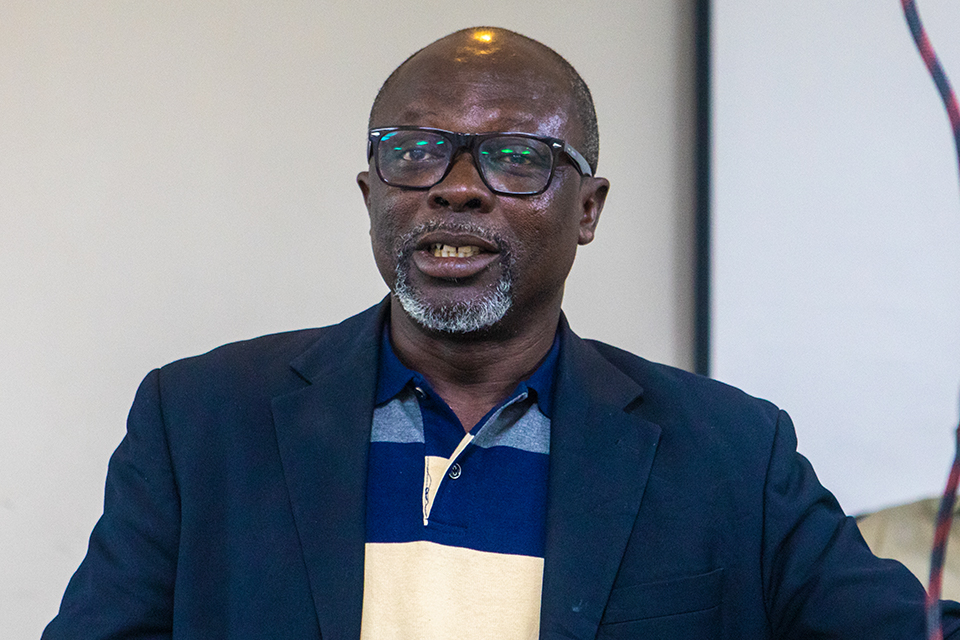
Prof. Alfred Kuranchie, Deputy Director of the Directorate of Research, Innovation and Development, highlighted reflective practice as an indispensable part of research writing. He cautioned against common errors such as inconsistent referencing and urged students to strictly follow UEW’s accepted thesis format. He further advised postgraduate students to write in clear, simple language and to approach oral defences with composure and confidence, reminding them that examiners want to see candidates take ownership of their work.
Throughout the session, speakers underscored the value of mutual respect, trust and open communication in the supervisor-student relationship. They observed that effective supervision requires transformational leadership and mentoring approaches from supervisors and initiative, discipline and responsibility from students.
Additional reflections stressed the importance of justifying research methodology, clarifying the significance of research findings for stakeholders and preparing thoroughly for oral defences to avoid the pitfalls of nervousness or unpreparedness.
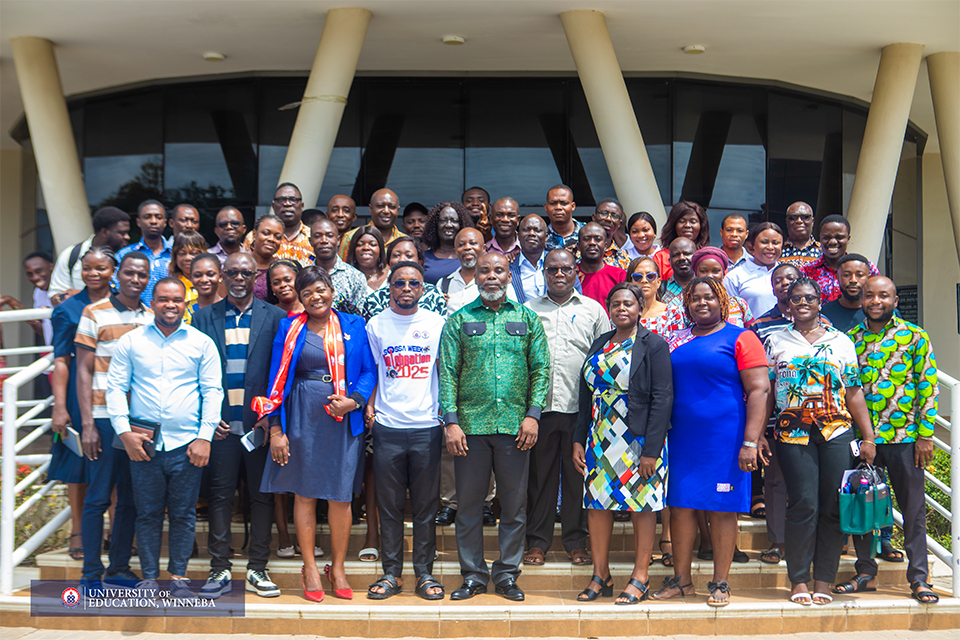
In his closing remarks, Prof. Eshun described the retreat as a rich intellectual discourse that provided practical solutions to urgent challenges while also equipping students and staff with tools for academic excellence. He expressed appreciation to Prof. Lucy Attom, Dr. Frimpong, Prof. Kuranchie and all contributors for their invaluable inputs.
Prof. Eshun urged participants to put into practice the insights gained and reaffirmed the Department’s commitment to creating a supportive academic environment that promotes quality research, timely graduation and holistic student development.
The retreat, which combined resolution of examination issues with postgraduate mentorship, reinforced the Department of Social Studies Education’s commitment to student success. It also demonstrated UEW’s broader mission of fostering academic integrity, effective supervision and transformative leadership in research and teaching.