IERIS Champions Indigenous Knowledge in Education at International Sankofa Symposium


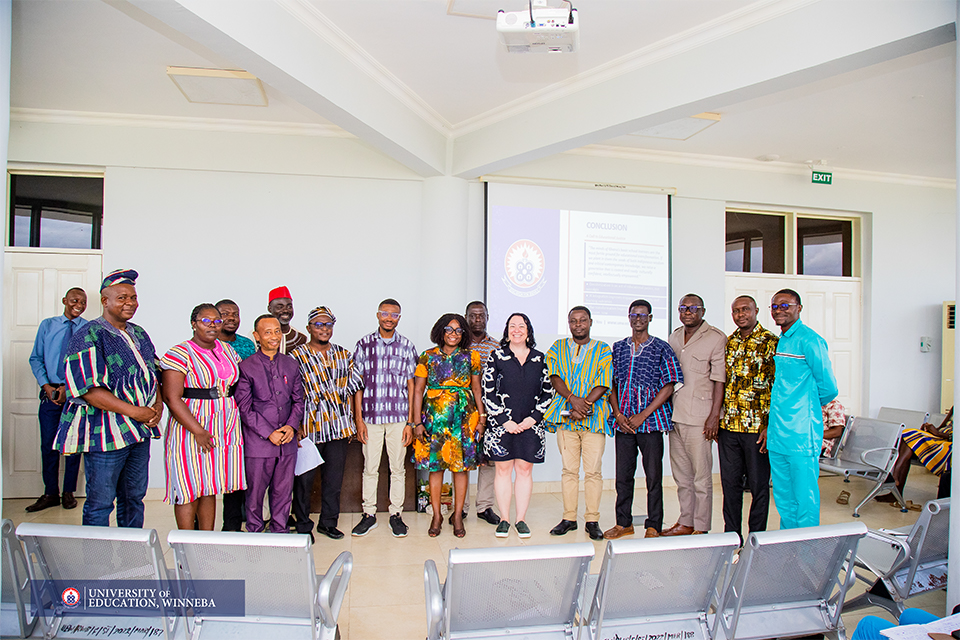
The Institute for Educational Research and Innovation Studies (IERIS) at the University of Education, Winneba (UEW) has held a thought-provoking international symposium on the theme “Learning from the Past, Educating for the Future: Sankofa, Indigenous Knowledge and Contemporary Education.”
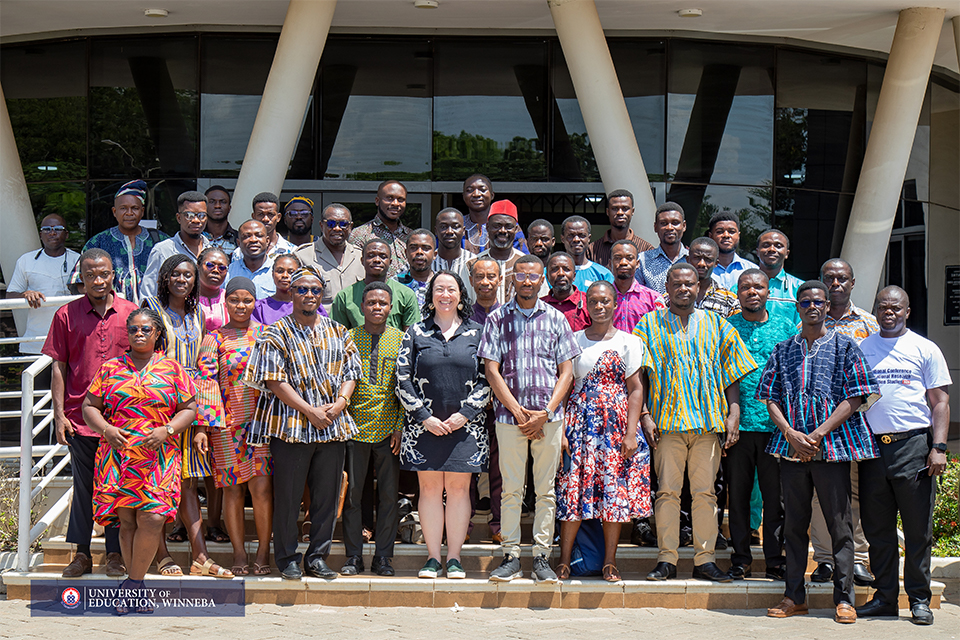
The symposium, held at the Students Centre on Wednesday, 18th March, 2026, brought together scholars, researchers and students to explore the role of indigenous knowledge systems in reshaping contemporary education with a strong emphasis on decolonising curricula and reclaiming Africa’s intellectual heritage.
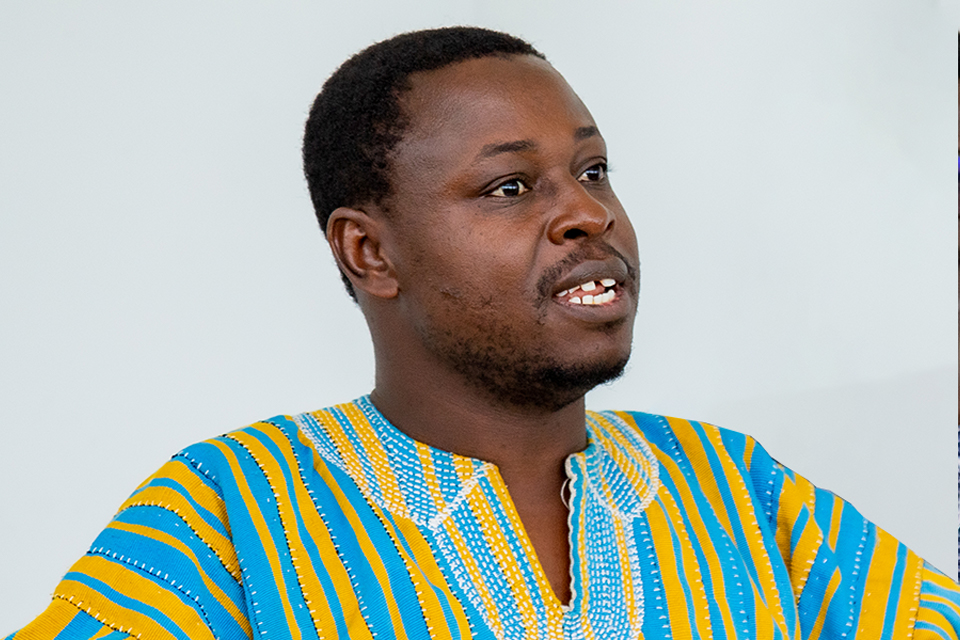
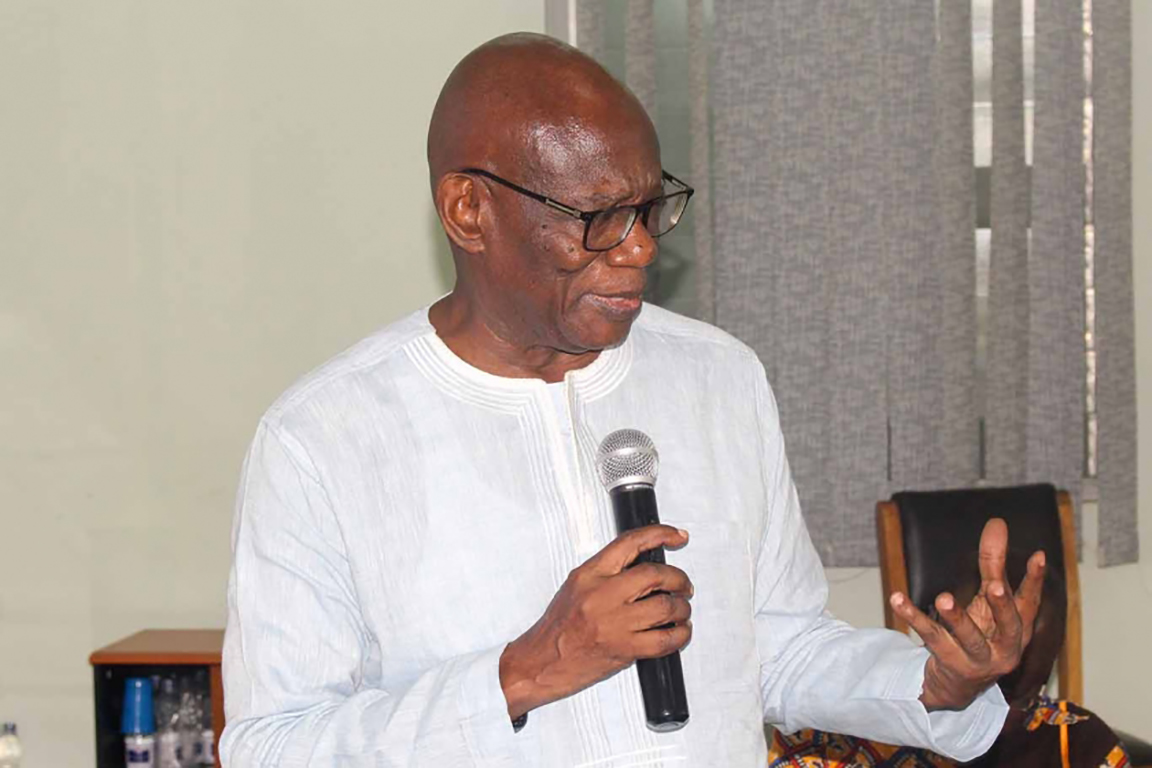
Welcoming participants, Prof. Kofi Adu-Boahen, Deputy Director of IERIS, underscored the enduring relevance of the Akan philosophy of Sankofa. He noted that sustainable educational transformation must be rooted in a profound understanding of cultural heritage. He reaffirmed IERIS’ commitment to research that is both academically rigorous and contextually relevant, stressing that “the advancement of education need not come at the expense of our roots.”
The event featured three key presentations. Dr. Davis Mawuena Awesu of the National Centre for Research into Basic Education (NCRIBE) and Dr. Ethel Ansaah Addae of IERIS examined strategies for decolonising Ghana’s education system, advocating a bottom-up approach that integrates indigenous knowledge into basic school learning.
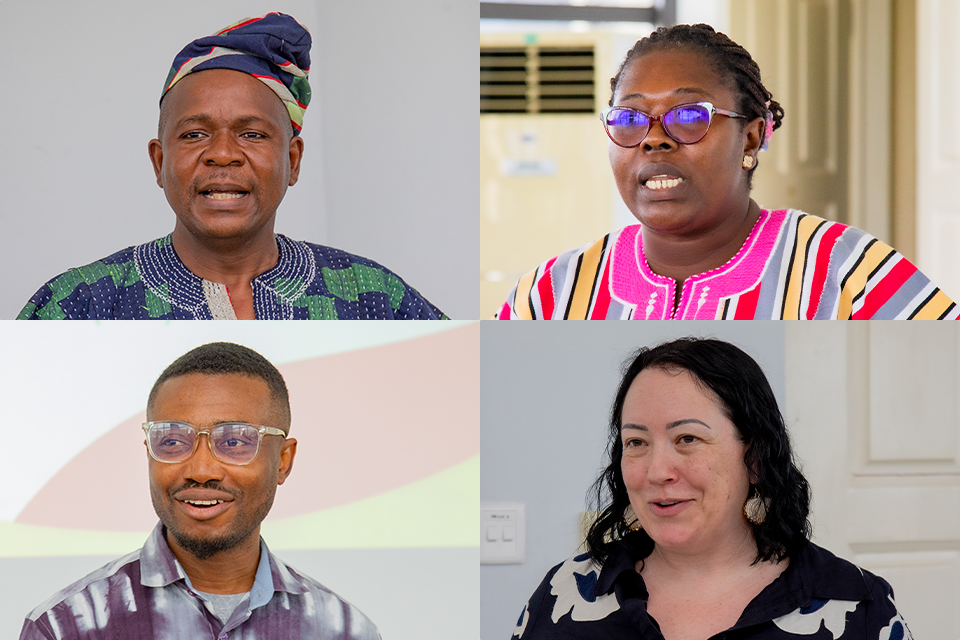
Mr. Joseph Bless Darkwa of the University of Calgary highlighted the importance of reflexivity and positionality in indigenous research, urging scholars to critically assess their roles and perspectives. Prof. Jennifer Markides, also from the University of Calgary, shared insights on reclaiming indigenous knowledge within the Canadian education system, drawing parallels with Ghana’s context.
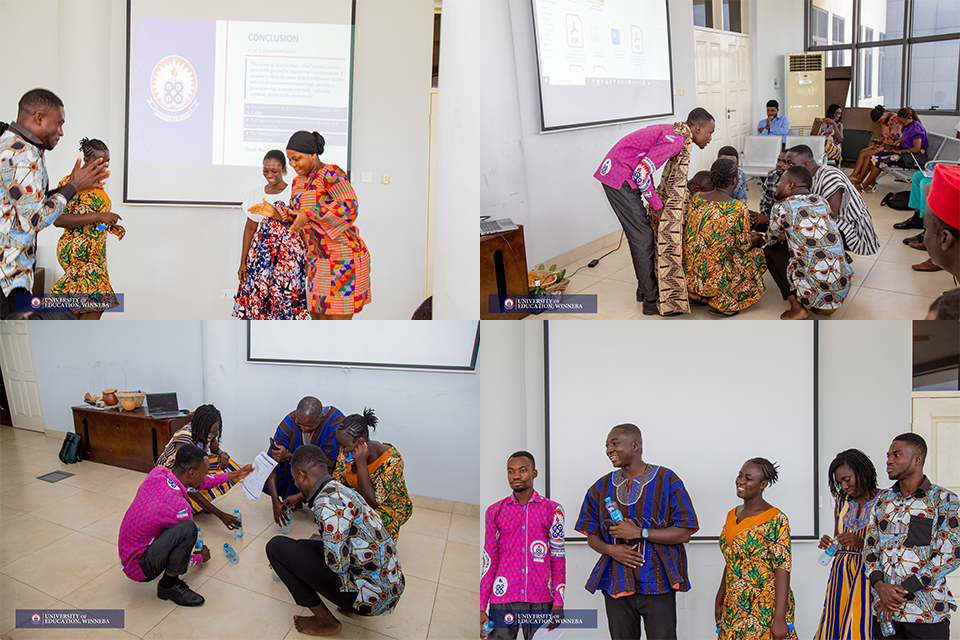
Each presentation was interspersed with indigenous performances by MPhil students from the Curriculum and Pedagogy Group who brought the theme to life through traditional games and expressions such as ampe, anhwe w’akyire and sansankroma, symbolising the essence of Sankofa.
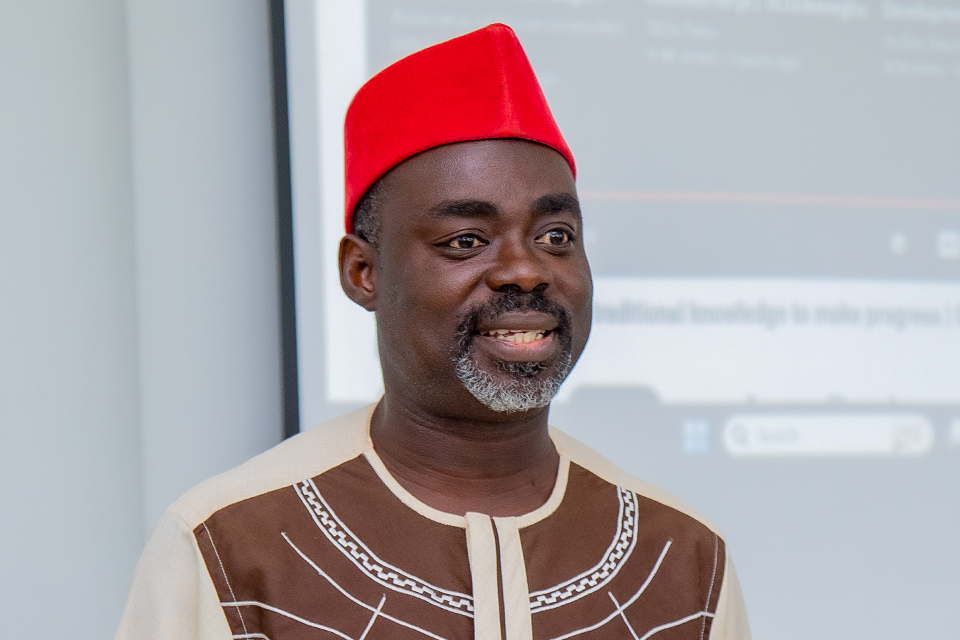
Dr. Seth Tweneboah, Chairman of the symposium, described the discussions as timely and impactful, noting that they addressed Ghana’s ongoing quest to reconnect with lost knowledge systems. He highlighted three key takeaways: the need for grassroots-driven decolonisation beginning at the basic school level; the concept of “response-ability” in engaging with indigenous knowledge and the recognition of traditional knowledge holders as vital contributors to educational development.
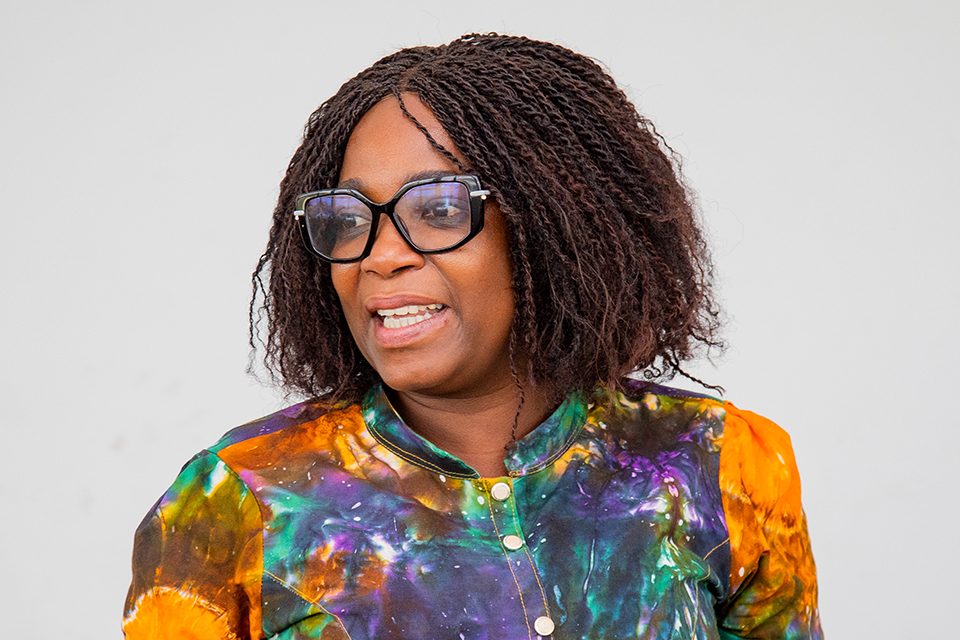
Prof. Esther Yeboah Danso-Wiredu, Pro-Vice-Chancellor, commended IERIS for organising the symposium and acknowledged the institute’s growing contribution to academic discourse at UEW. She also extended a warm welcome to the international guests, affirming management’s support for such intellectually enriching initiatives.
The symposium not only deepened scholarly engagement on indigenous knowledge systems but also fostered cross-cultural dialogue and collaboration. It reaffirmed UEW’s role as a leading institution in advancing context-responsive education and promoting research that bridges tradition and modernity for sustainable development.