UEW Deepens Strategic Ties with Germany Following High-Level Visit by Ambassador


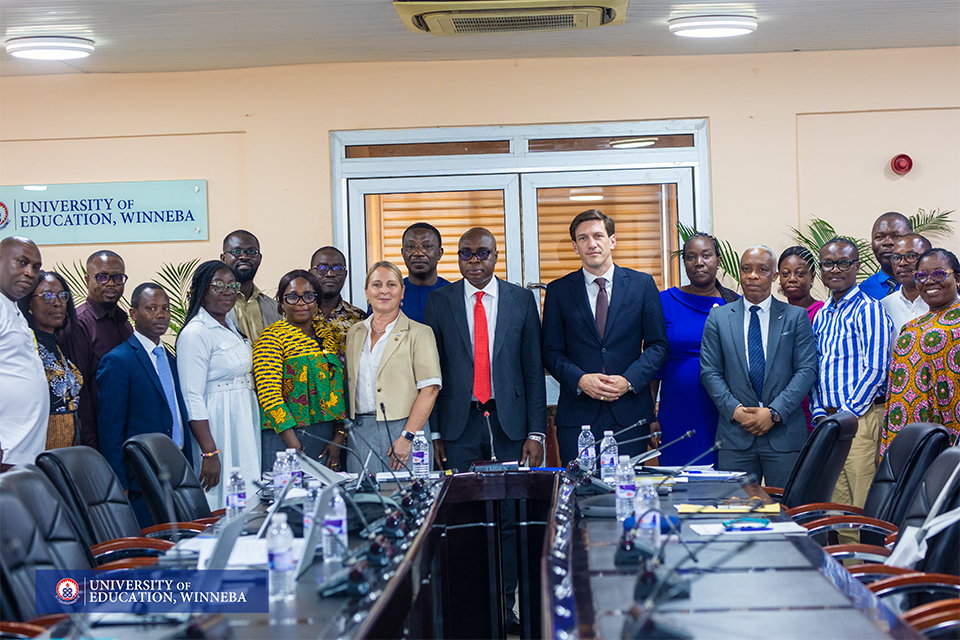
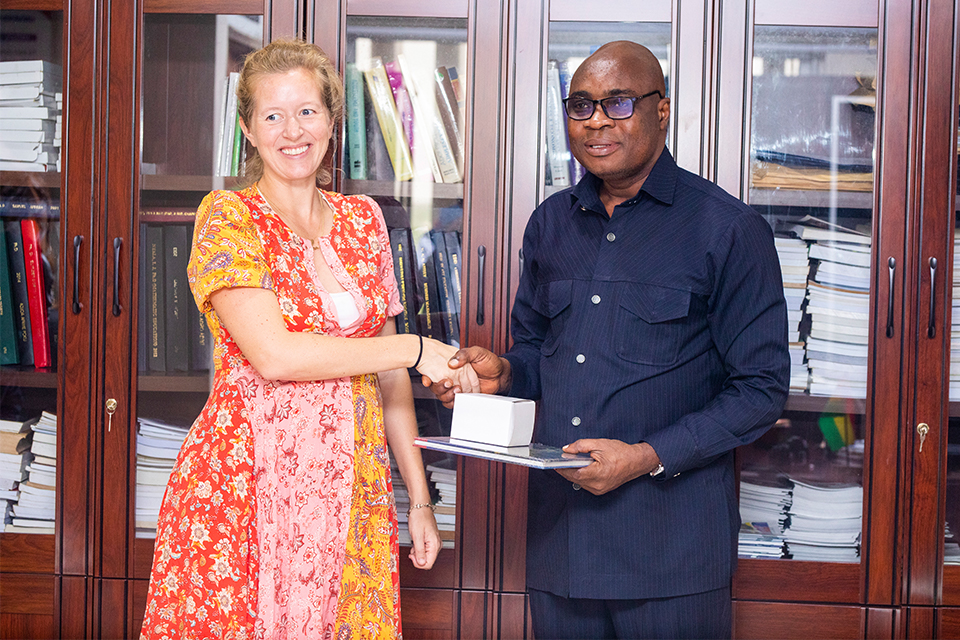
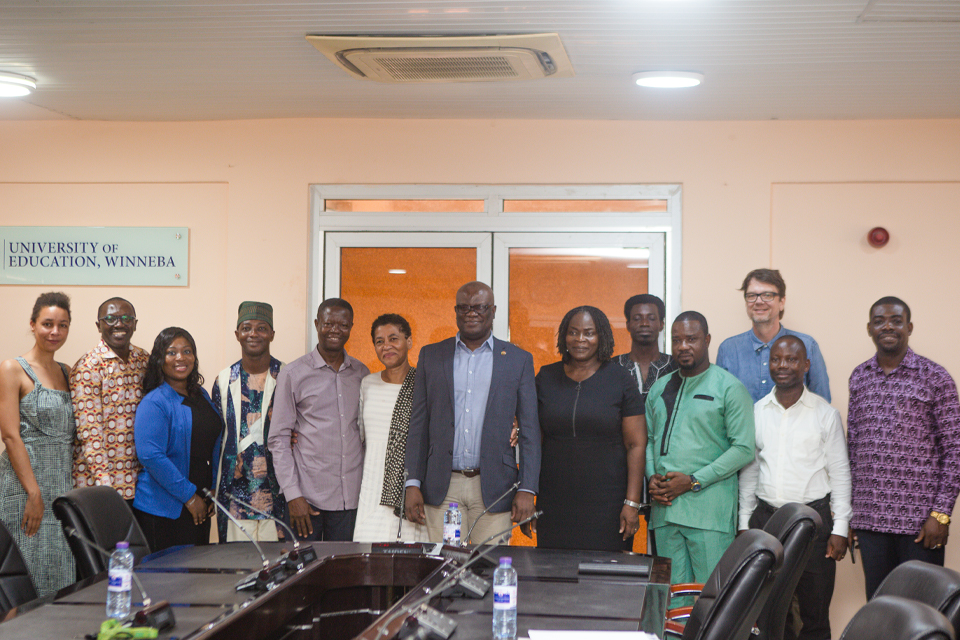
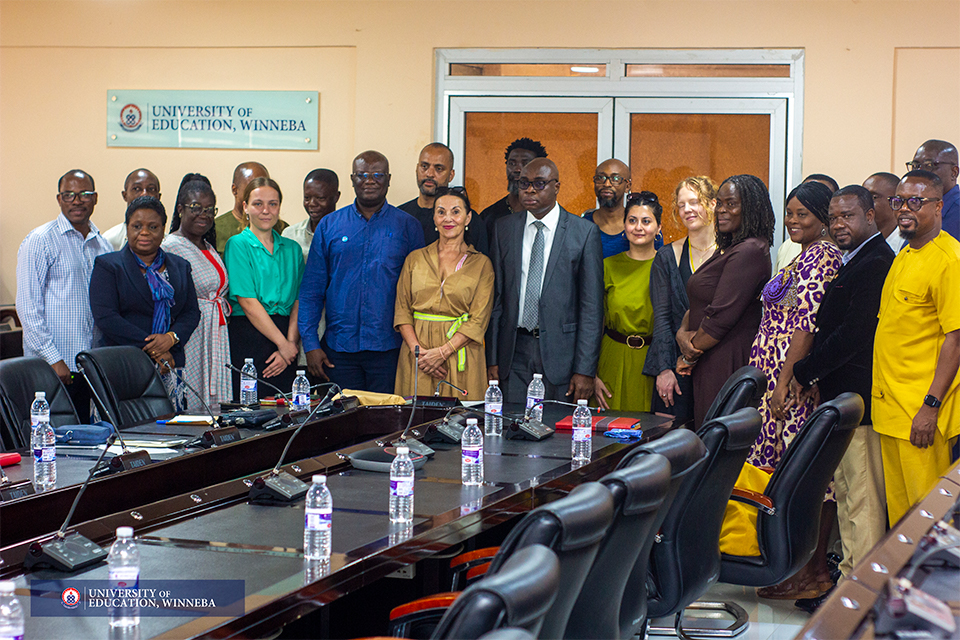
Management of the University of Education, Winneba (UEW) has reaffirmed its commitment to strengthening international collaboration following a high-level courtesy call by the German Ambassador to Ghana, H. E. Frederik Landshöft, at the Council Chamber on Thursday, 26th March, 2026.
The visit, which brought together principal officers, key faculty and administrative leaders of the University, provided a strategic platform for advancing bilateral cooperation between Ghana and Germany, particularly in higher education, research, language development, and Technical and Vocational Education and Training (TVET).
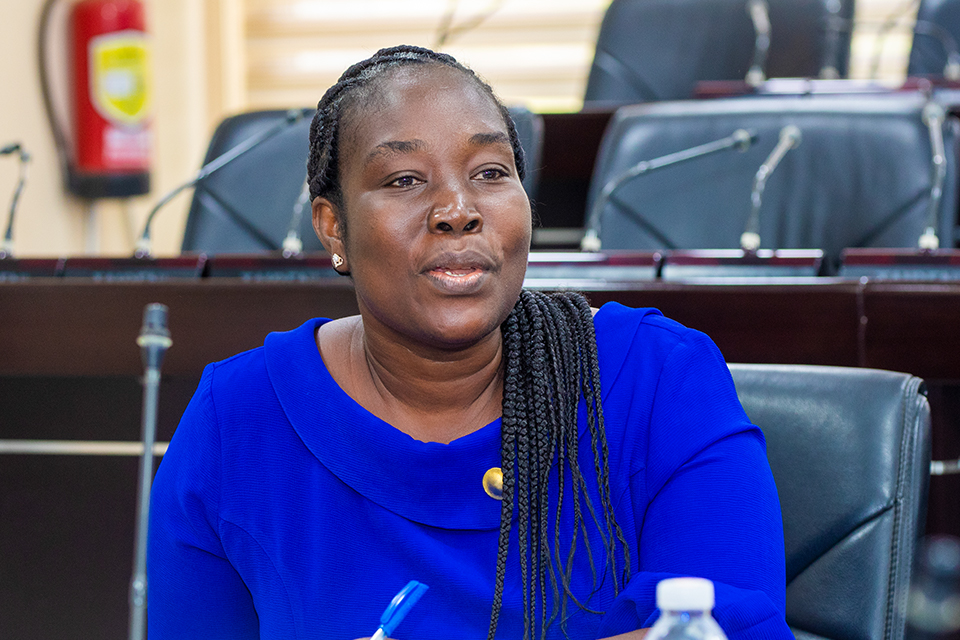
Mrs. Ekua Abedi-Boafo, the Registrar of UEW, underscored the University’s mandate as Ghana’s premier teacher education institution with a focus on training professional educators, conducting impactful research and contributing to national policy development. She emphasised UEW’s strategic pursuit of international partnerships. She noted that collaboration with institutions and diplomatic missions such as the German Embassy remains central to achieving its vision of becoming an internationally reputable institution for teacher education and research.
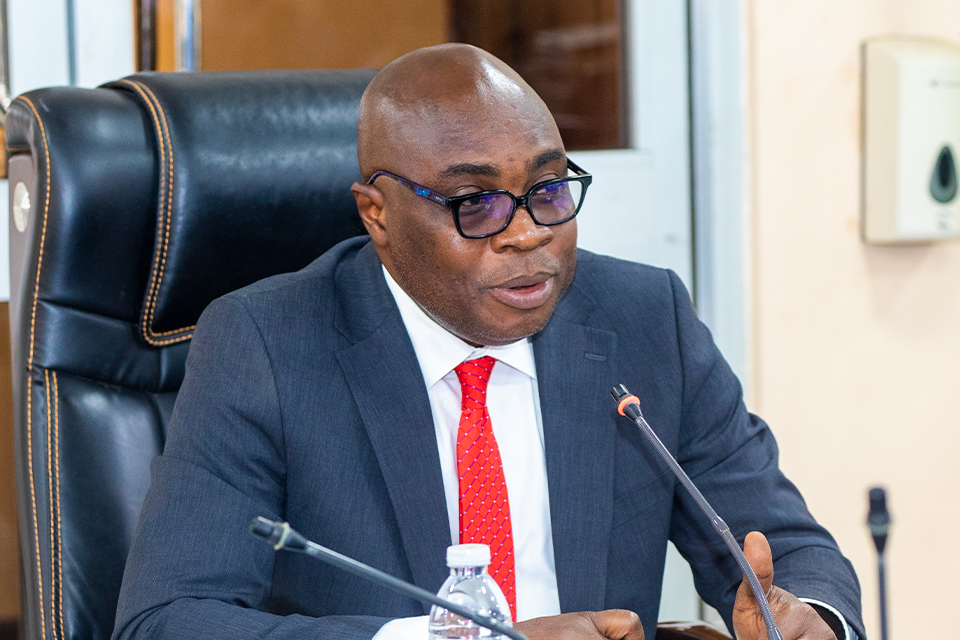
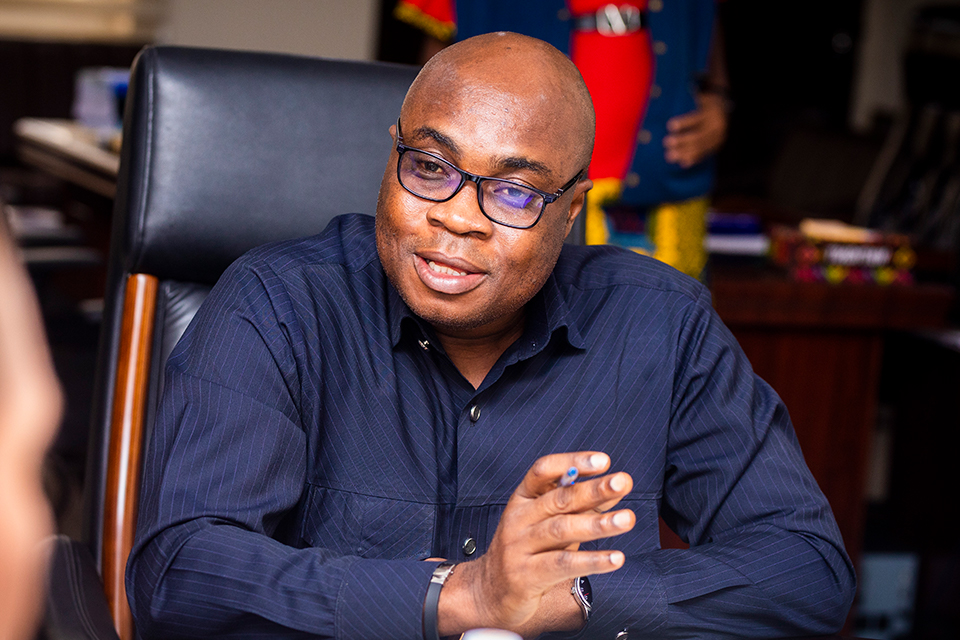
Prof. Stephen Jobson Mitchual, the Vice-Chancellor, described the visit as significant, highlighting the longstanding and multifaceted relationship between UEW and Germany. He commended the German government for its sustained support in key areas including language education, skills development and cultural exchange programmes.
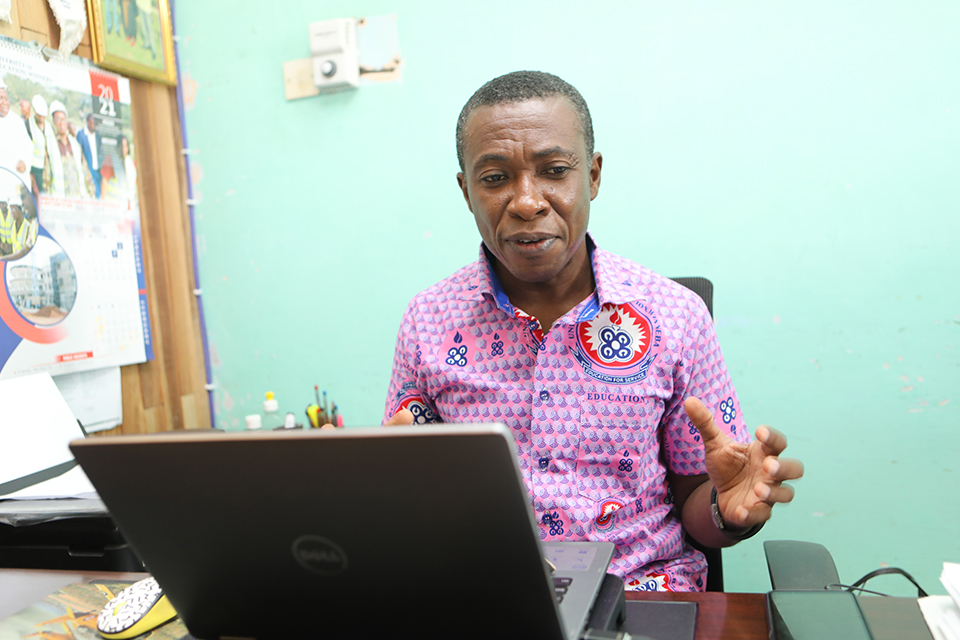
Prof. Mitchual noted that the university’s German language programme which has grown steadily over the years, is on the verge of being upgraded into a full department, pending the fulfilment of staffing requirements set by the Ghana Tertiary Education Commission (GTEC). He further revealed plans to expand collaboration beyond student exchanges to include academic staff exchanges, joint research initiatives and sabbatical opportunities.
“We are doing well in partnerships but we want to deepen and broaden them. Our focus now is to strengthen research collaboration, enhance staff mobility and explore co-teaching and co-creation of academic programmes with our German counterparts,” the Vice-Chancellor stated.
He also highlighted UEW’s intention to engage the German Ministry of Education on potential collaboration in Information and Communication Technology (ICT) education and inclusive basic education, particularly to support learners with special needs in underserved regions.
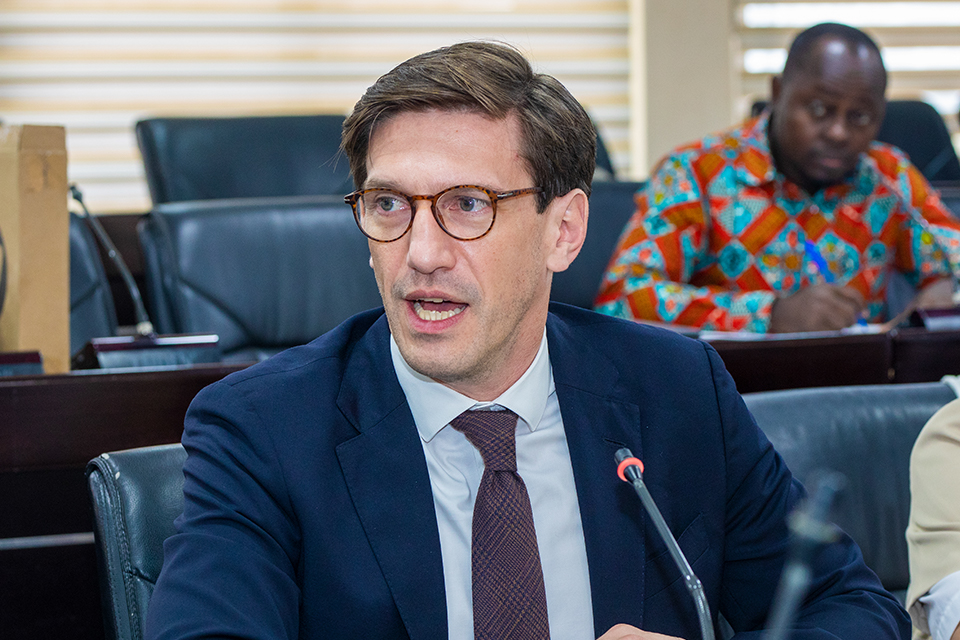
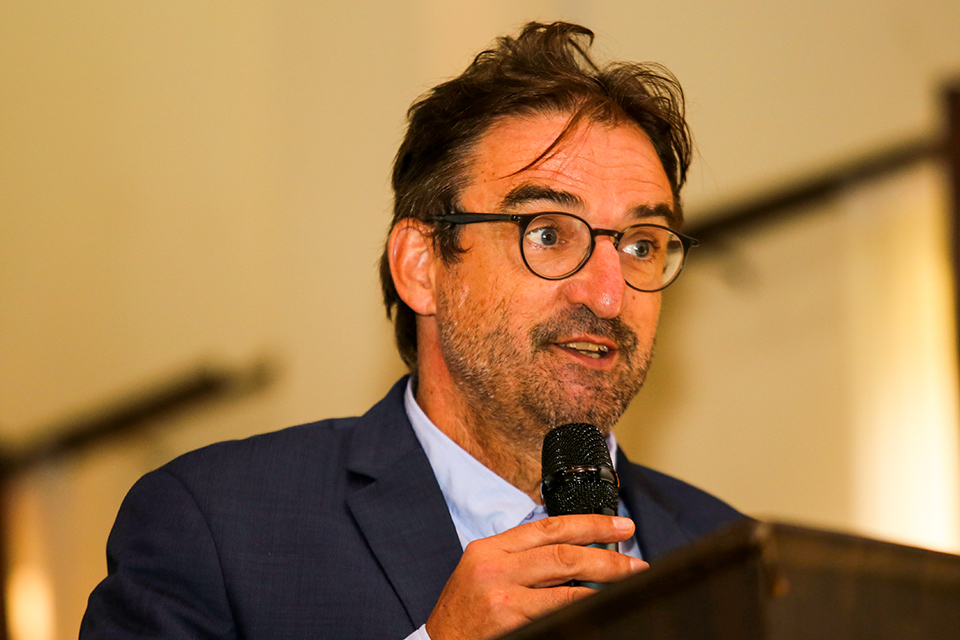
Ambassador Landshöft expressed satisfaction with the growing partnership between Germany and Ghana, describing it as dynamic and evolving beyond traditional donor-recipient relations into a mutually beneficial collaboration among equals.
The Ambassador revealed that there are currently 69 active university partnerships between Ghanaian and German institutions, alongside increasing interest from German research organisations such as the Max Planck Society in collaborating with Ghanaian universities. He added that approximately 3,000 Ghanaian students are currently studying in Germany with efforts underway to create more opportunities for academic exchange in both directions.
“The work you are doing here with the German unit is of great importance,” he noted, adding that the German government is actively engaging Ghana’s Ministry of Education to integrate German language studies into the national curriculum, particularly at the secondary school level. This, he explained, would create sustainable career pathways for graduates of German programmes.
Ambassador Landshöft also pledged the Embassy’s readiness to support UEW in addressing institutional challenges including advocating for flexibility in faculty recruitment requirements and exploring ways to reduce barriers for foreign lecturers interested in teaching at the university.
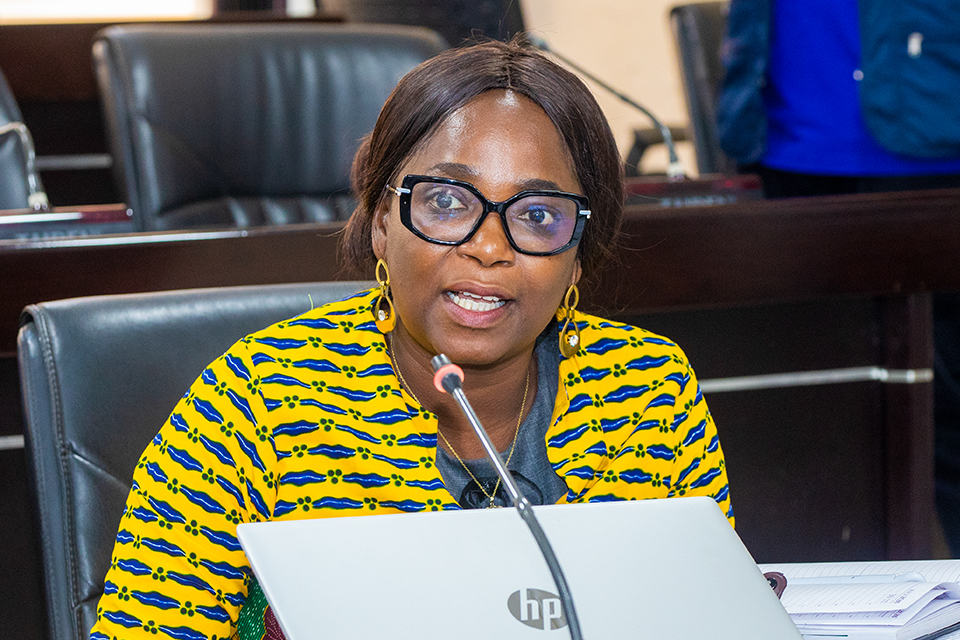
Prof. Esther Yeboah Danso-Wiredu, the Pro-Vice-Chancellor, echoed the call for the introduction of the German language at the pre-tertiary level. She stressed that such a move would enhance student confidence and improve employment prospects for graduates. She also expressed appreciation for Germany’s support of leadership development programmes, particularly those targeting female academics.
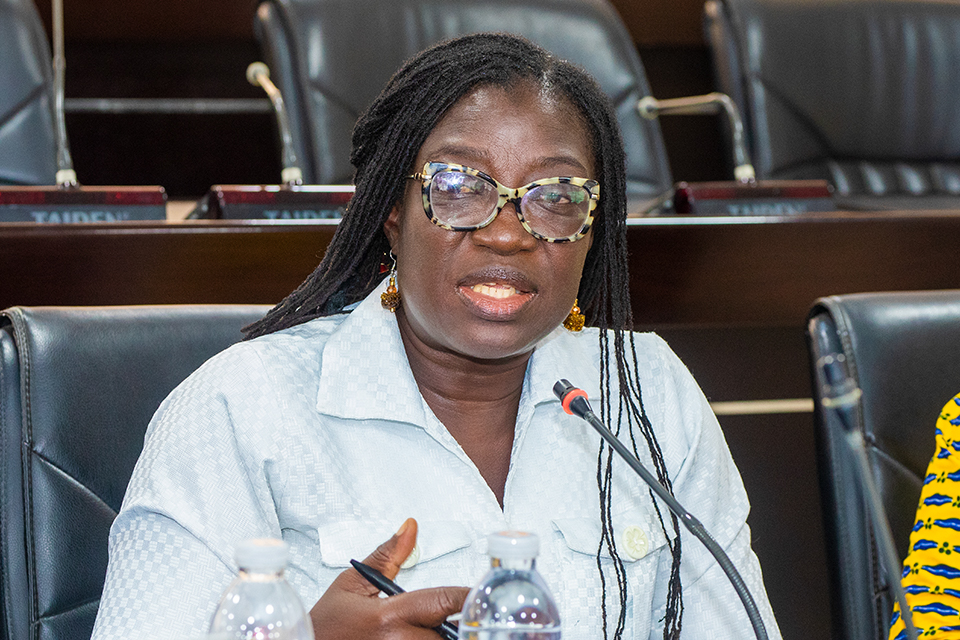
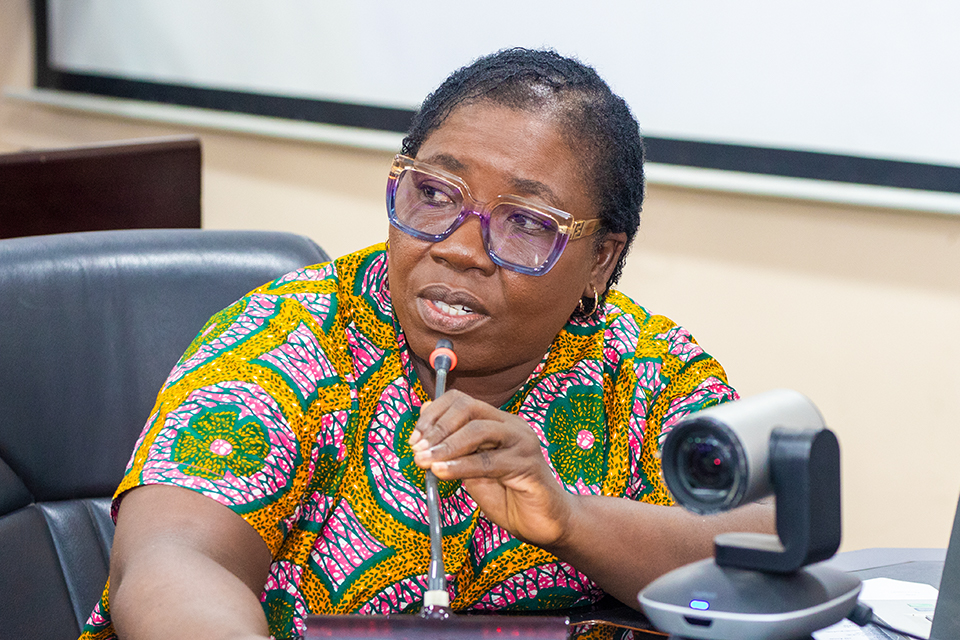
Prof. Rebecca Akpanglo-Nartey, the Principal of the College for Languages Education and Prof. Charlotte Fofo Lomotey, the Dean of the Faculty of Foreign Languages Education, commended the German government for its continued support through organisations such as the German Academic Exchange Service (DAAD). They appealed for further assistance in establishing a dedicated language centre to provide practical training and immersive learning experiences for students.
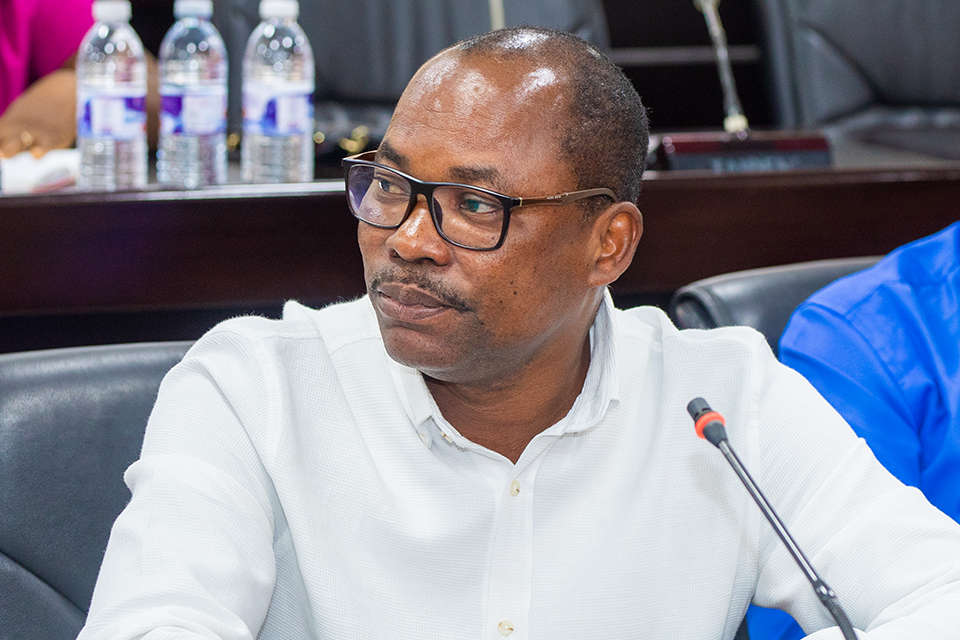
Prof. Harrison Golo, the Vice-Dean of the Centre for International Programmes, outlined UEW’s shift towards more innovative forms of collaboration including co-creating and co-teaching academic programmes with international partners. He noted that such initiatives would enhance the university’s global competitiveness and redefine the scope of its international engagements.
The meeting concluded with a shared commitment to formalising and institutionalising regular engagements between UEW and the German Embassy to ensure sustained dialogue and progress. Both parties expressed optimism about the future of the partnership with plans for reciprocal visits and expanded collaboration in the coming months.