UEW Equips Peer Educators to Improve HIV Prevention and Fight Stigma


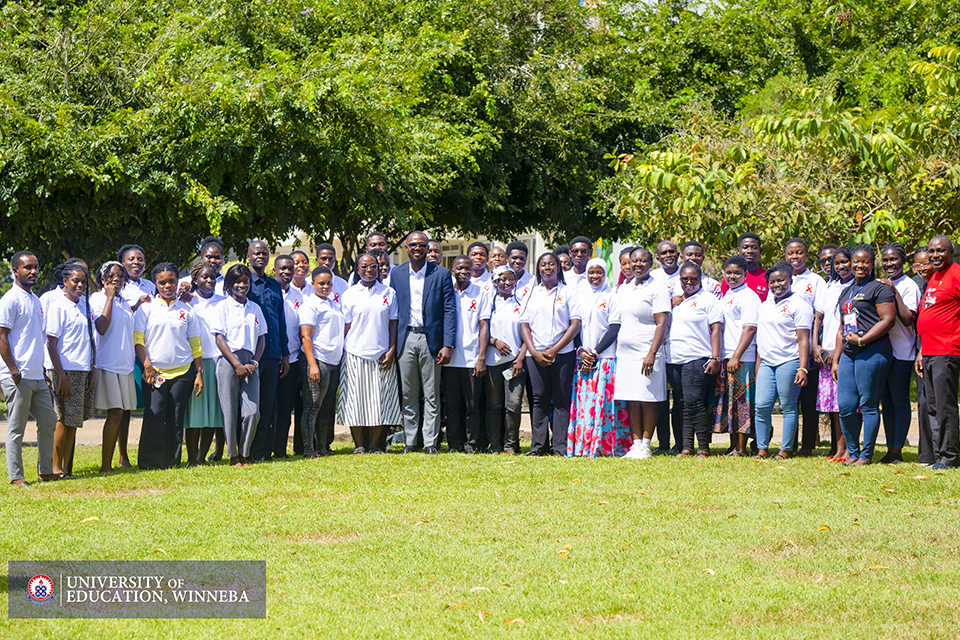
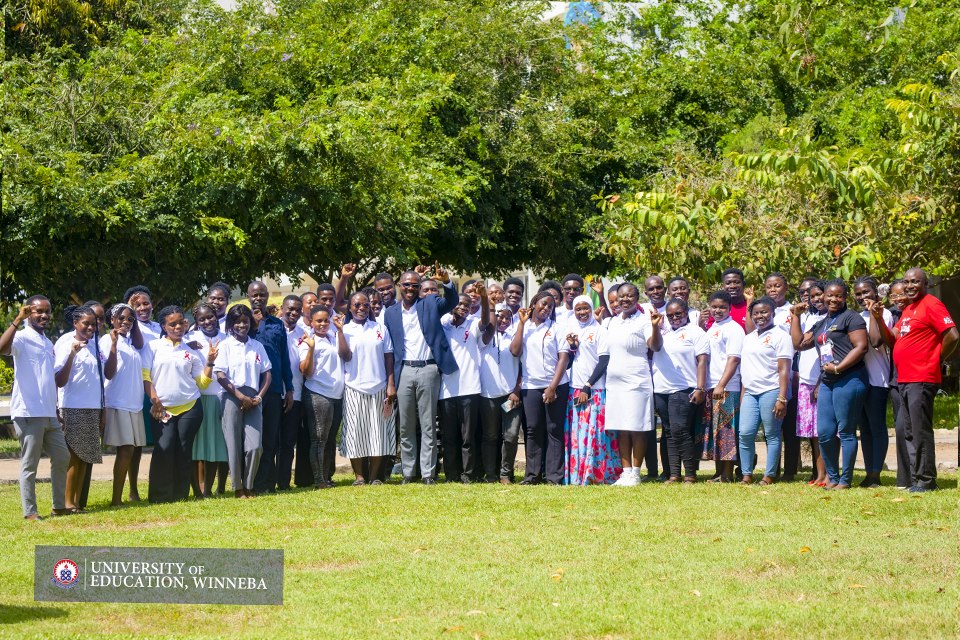
The University of Education, Winneba (UEW) has equipped a new cohort of peer educators with knowledge and skills to intensify HIV prevention, promote voluntary testing and combat stigma among students on campus.
The capacity-building initiative, organised by the UEW HIV and AIDS Centre in collaboration with health professionals and development partners, sought to position the peer educators as frontline advocates for HIV awareness, healthy lifestyles and inclusive support within the University community.
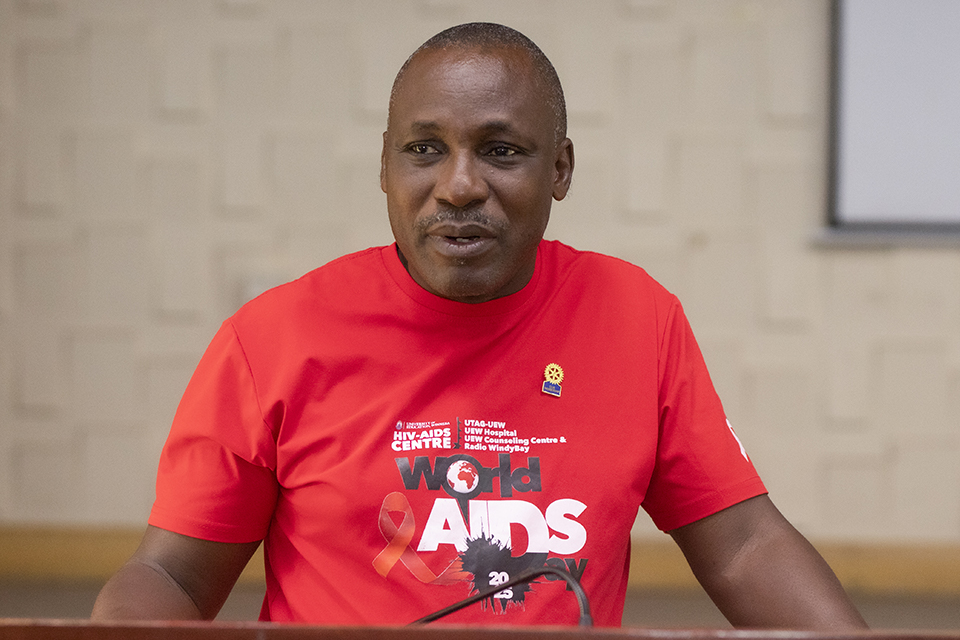
The Coordinator of the UEW HIV and AIDS Centre, Dr. Bernard B. B. Bingab, urged the newly trained peer educators to make prevention and continuous education central to their advocacy. He stressed that preventing HIV infection was more beneficial than managing its long-term consequences.
He noted that students often related more easily to their peers than to authority figures, making peer educators well positioned to influence responsible health behaviours and promote accurate information about HIV across faculties and departments.
Dr. Bingab therefore urged participants to regard their role as a responsibility to the University community and actively champion HIV education and prevention among their fellow students.
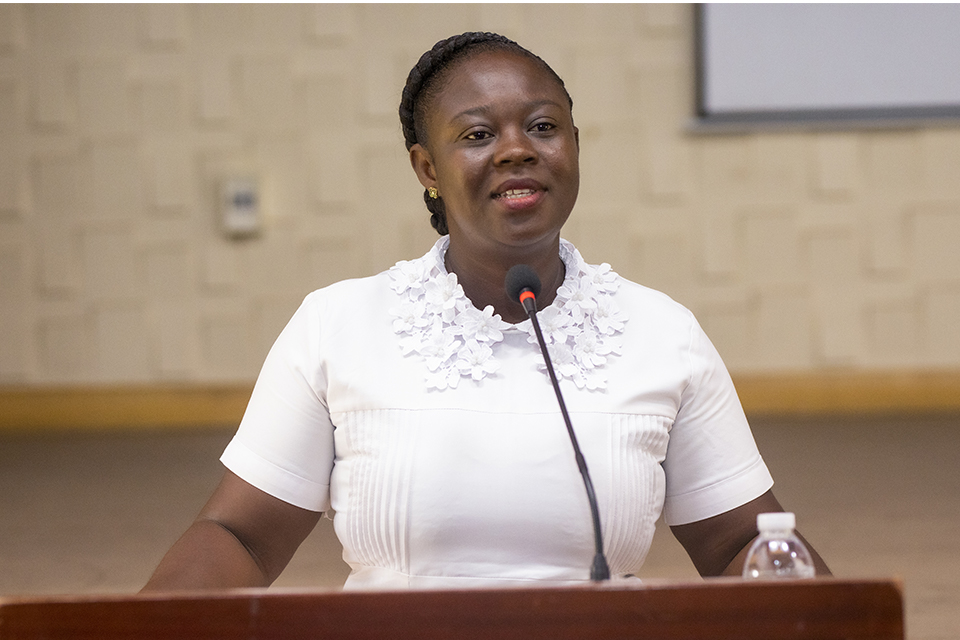
Public Health Officer at the UEW Hospital, Ms. Kindness Laar, who took participants through HIV transmission, prevention and management, described peer educators as the “white blood cells” of the University. She emphasised their role in protecting the campus community through education and awareness.
She identified unprotected sexual intercourse, mother-to-child transmission, contaminated sharp objects and exposure to infected blood as some routes of HIV transmission and encouraged students to adopt responsible health practices and undergo voluntary testing.
Ms. Kindness Laar also called for greater empathy towards persons living with HIV, cautioning against stigma and breaches of confidentiality. She noted that people living with HIV could lead healthy and productive lives when they adhered to treatment and received appropriate support.
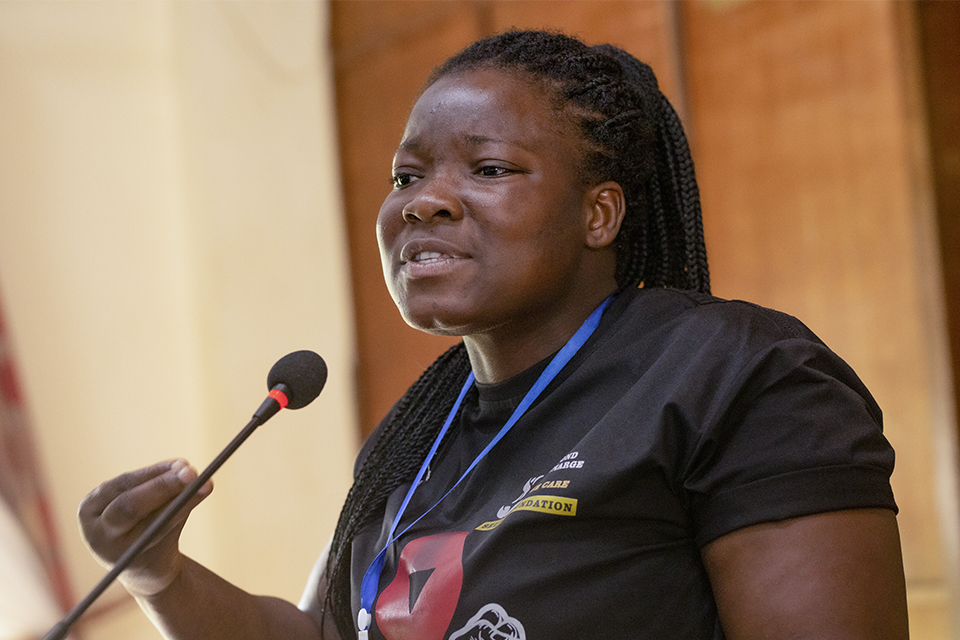
Speaking on the theme, “Vibes for All Abilities: Know Your Status, Own Your Power,” Public Health Nurse with SELCY Foundation, Ms. Mariama Yahaya, challenged the peer educators to make HIV education inclusive and accessible to all members of the University community.
She emphasised that knowing one's HIV status empowers individuals to make informed decisions about their health and encouraged the peer educators to dispel misinformation and fear surrounding HIV which she identified as barriers to testing and early diagnosis.
“HIV is not a death sentence,” she said, stressing that the condition could be managed effectively when diagnosed early and appropriately treated. She urged the peer educators to promote testing, responsible decision-making and prevention of new infections.
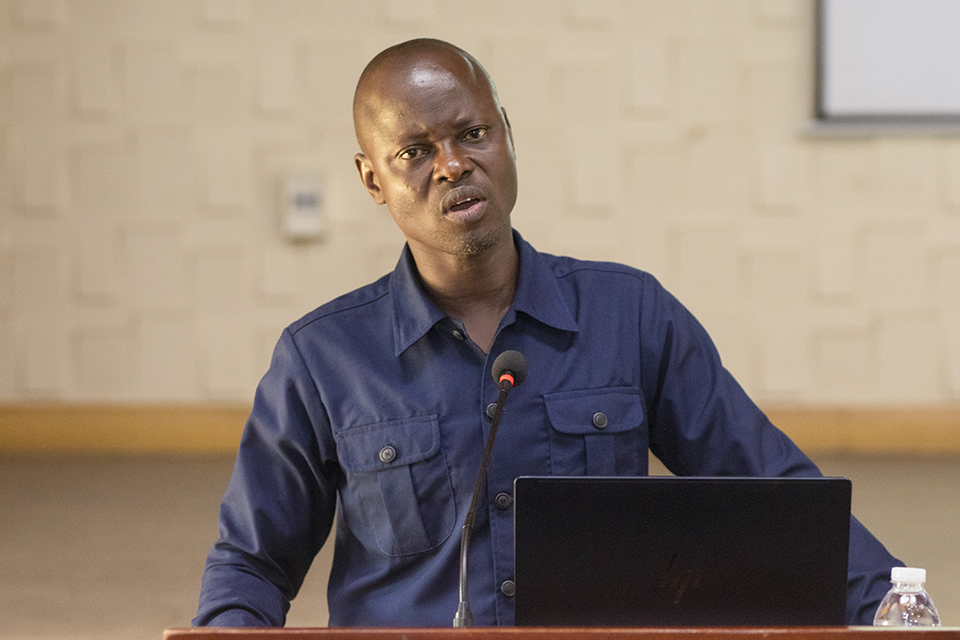
The workshop also addressed the psychological and social dimensions of HIV. Counselling Psychologist, Dr. John N-yelbi, highlighted the effects of stigma, anxiety, depression, stress and social isolation on persons living with HIV and urged the peer educators to provide compassionate support while respecting confidentiality.
He encouraged them to become advocates for mental well-being and inclusivity, noting that persons living with HIV could continue to contribute meaningfully to society when supported and treated with dignity.
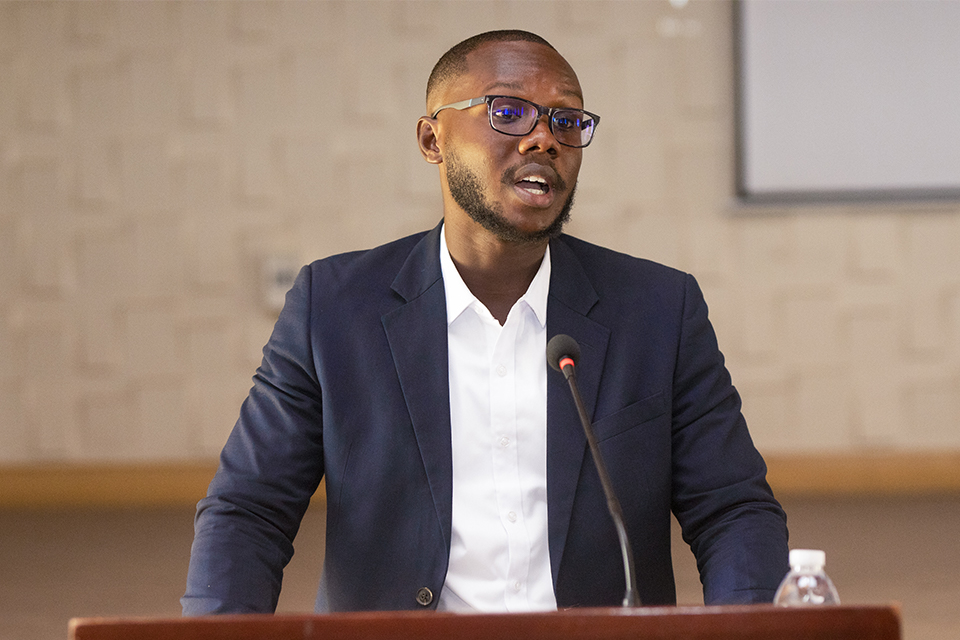
The Acting Executive Director of the West African Foundation for Educational Leadership (WAFEL), Mr. Gideon Osei Kofi, further encouraged participants to combine their advocacy responsibilities with personal and professional development through lifelong learning, mentorship and skills acquisition.
The workshop has strengthened UEW's efforts to build a knowledgeable and supportive campus community in which students are empowered to protect their health, access accurate HIV information, seek testing and care and challenge the stigma associated with HIV and AIDS.