UEW Engages Delegation on Bimoba Language Programme Proposal


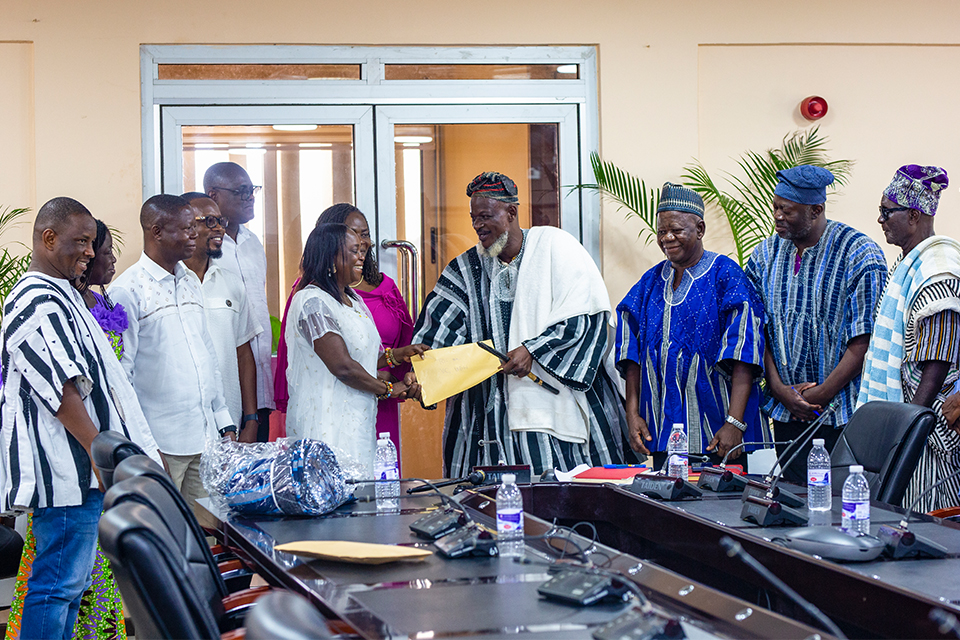
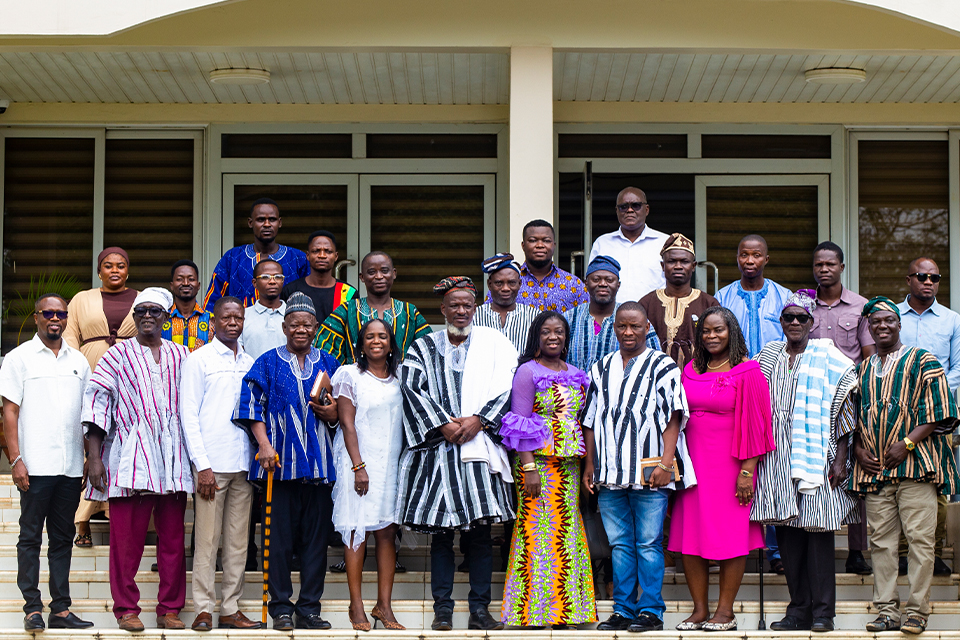
The University of Education, Winneba (UEW) on Friday, 26th September 2025, hosted a high-level delegation from the Bunkpurugu Constituency at the University’s Council Chamber to discuss a proposal to establish a degree and certificate programme in the Bimoba (Moar) language.
The delegation, comprising chiefs, opinion leaders and the Member of Parliament for Bunkpurugu, Hon. Abed-Nego Lamangin Bandim, sought UEW’s collaboration to preserve and develop the Bimoba language through training teachers and producing learning materials.
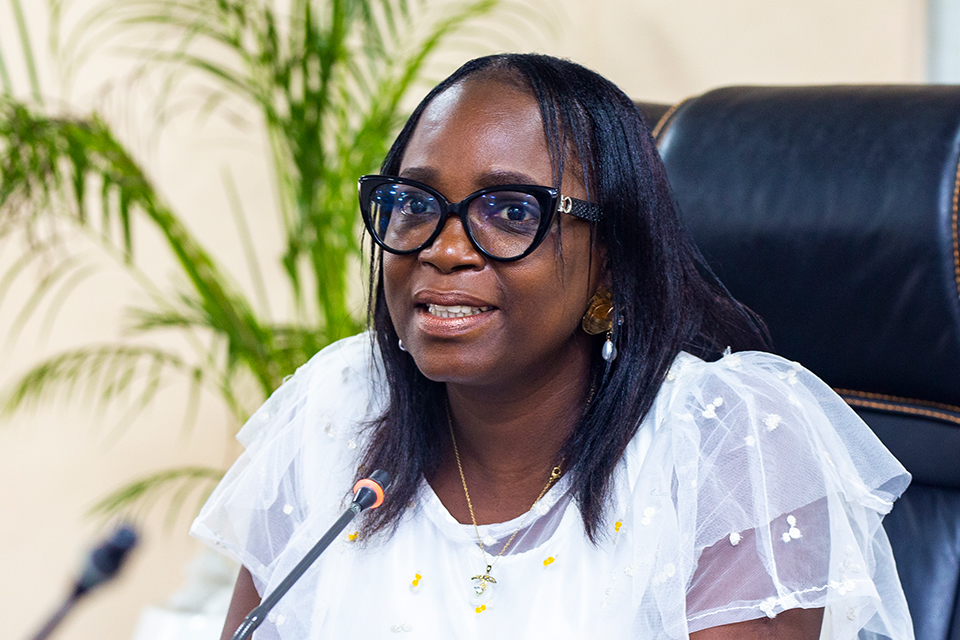
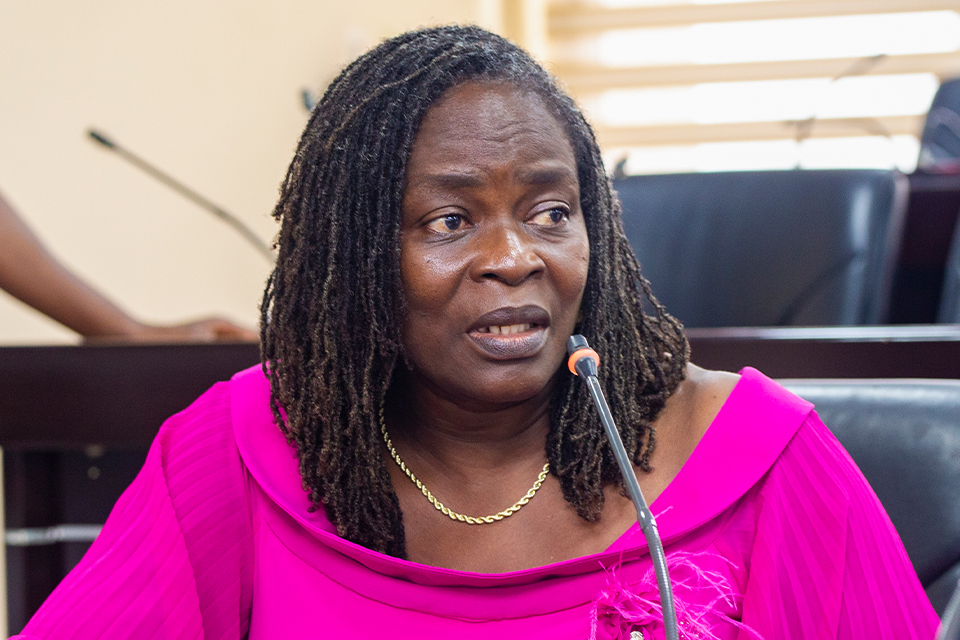
Receiving the guests on behalf of the Vice-Chancellor, Prof. Esther Yeboah Danso-Wiredu, Pro-Vice-Chancellor of UEW, stated that the University had anticipated the visit due to its significance for indigenous language education. She noted that UEW already has the Faculty of Ghanaian Languages Education in Ajumako with qualified experts to teach most Ghanaian languages and expressed pride in being considered for the initiative.
Prof. Esther Danso-Wiredu urged the Bimoba leadership to partner with UEW in conducting a baseline survey to establish the geographical distribution and number of Moar speakers as a foundation for sustainable programme development. She also revealed that UEW was finalising a certificate in Ghanaian languages which could be offered virtually to reach Ghanaians and other Africans abroad and assured the delegation that management would assign the task to the Principal and Dean of the College of Languages Education to work out the modalities.
Mrs. Wilhelmina Tete-Mensah, Acting Registrar, emphasised that while UEW was eager to help preserve the language, ensuring sustainability would be crucial. She called for innovative ways of reaching non-literate adults and community members beyond the formal classroom including literacy and pre-entry programmes, so the initiative would not suffer the fate of other well-meaning programmes that dwindled over time.
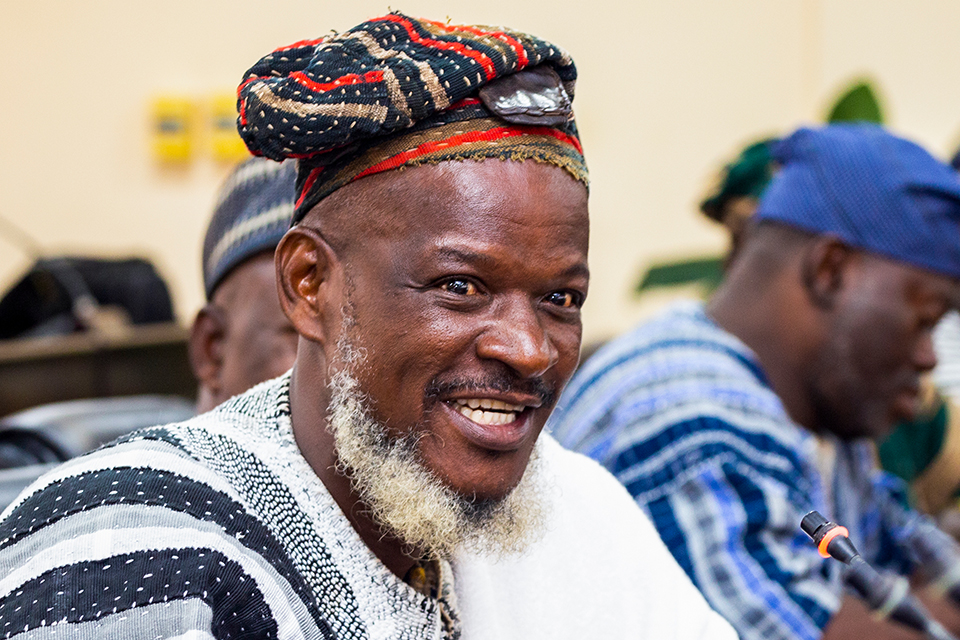
Naba Dazuur II, leader of the delegation and Chief of Kpikpira, expressed gratitude for the warm reception and recounted the dispersion of the Bimoba people across West and Central Africa. He appealed for Moar to be taught and documented at UEW to affirm the identity of the Bimoba and related Gurma groups. “It is not just about coming to learn how to speak; it is about what we do. Give us the opportunity; if you give us honey, we will taste it,” he said.
Naba Dazuur II assured UEW that chiefs, MPs, assembly members and opinion leaders were already contributing towards the project and would mobilise students from Ghana, Nigeria, Burkina Faso and other countries to enrol, thereby making the programme viable and generating revenue for the University.
Hon. Bandim, who initiated contact with UEW, described the project as a timely intervention to prevent the Bimoba language from extinction. Citing a Ghana Broadcasting Corporation study indicating that several Ghanaian languages could disappear within two decades, he stated that the youth, chiefs and elders of Bimoba land supported the proposal and would provide resource persons, research materials and funding. “As long as I continue to serve as Member of Parliament, I will give my fullest support,” he pledged, adding that his office was exploring the establishment of a teacher training college affiliated with UEW to sustain the initiative.
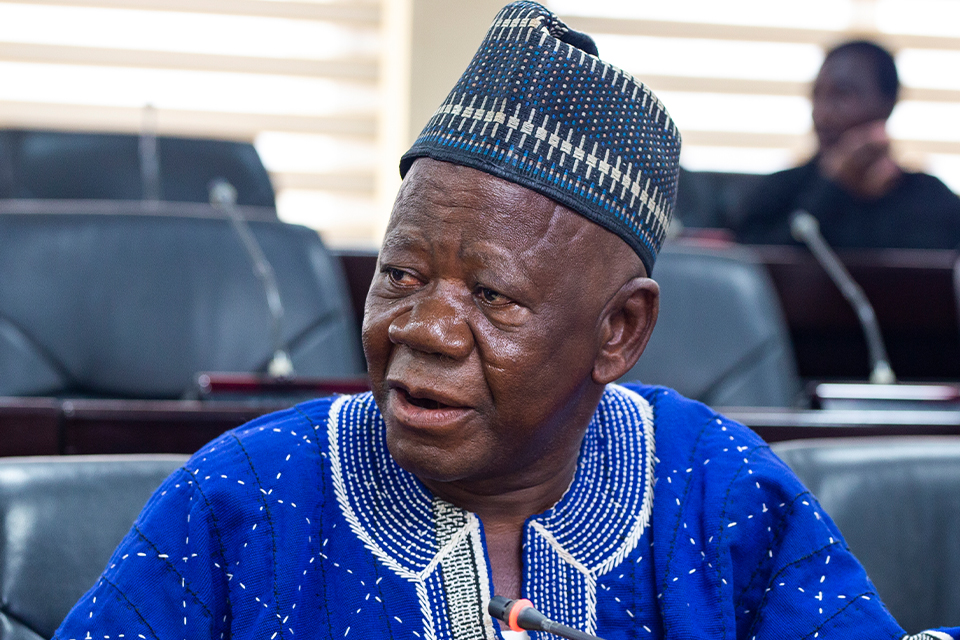
Other chiefs reinforced the appeal. Naba David Kombat, Chief of Kpemale, highlighted the widespread presence of Bimoba communities in the Northeast, Upper East, Togo, Burkina Faso and Benin, and the eagerness of churches such as the Assemblies of God and the Catholic Church to use Moar in teaching and worship. He mentioned that the community was prepared to support baseline studies and multiple entry routes including degrees, diplomas and certificates to attract pastors, mature students and others who had already begun informal literacy efforts in the language.
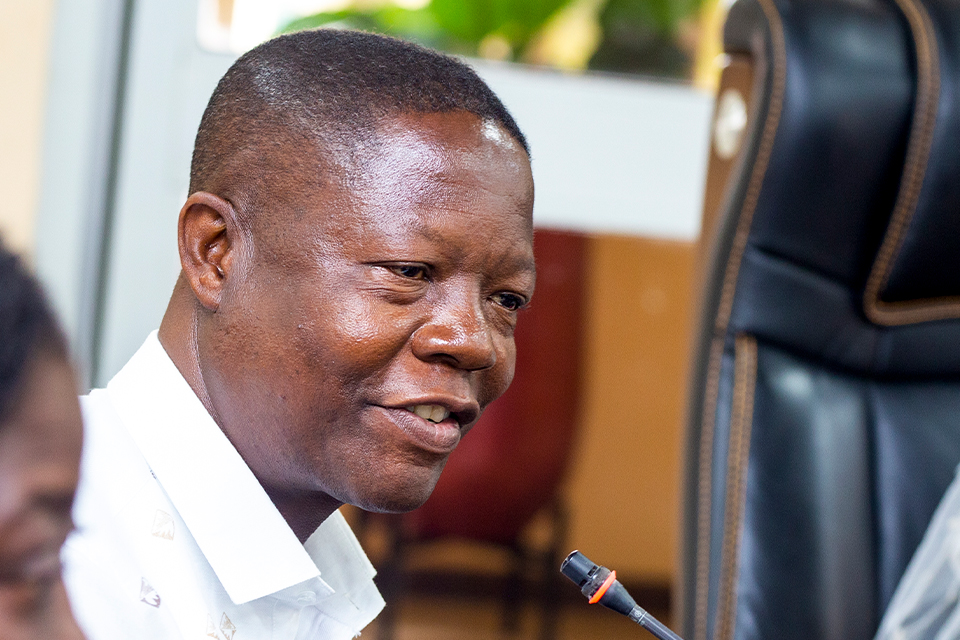
Prof. Frimpong Kaakyire Duku, Principal of the College for Distance and e-Learning, welcomed the proposal but cautioned that UEW had previously introduced programmes with initial enthusiasm only for student numbers to decline after a few years while lecturers still had to be paid. He urged the Bimoba leadership to commit to consistently supporting the programme with students “not in two or three years but to the end of time.”
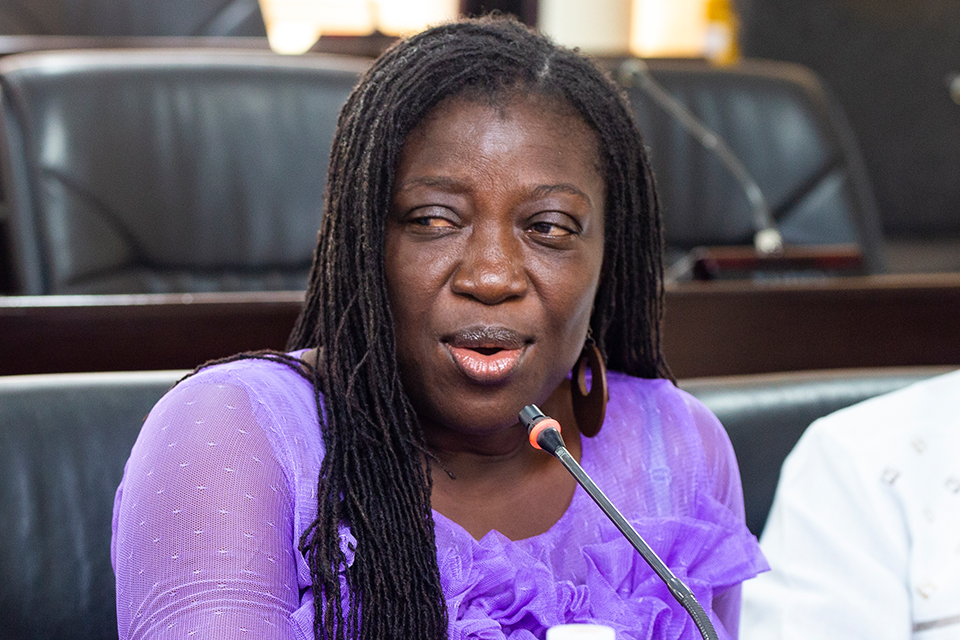
Prof. Rebecca Akpanglo-Nartey, Principal of the College of Languages Education, echoed this concern and stated that the College stood ready to assist once there were assurances of steady enrolment. “Our language is us; once we do not speak our language, once we do not develop our language, we get lost,” she emphasised.
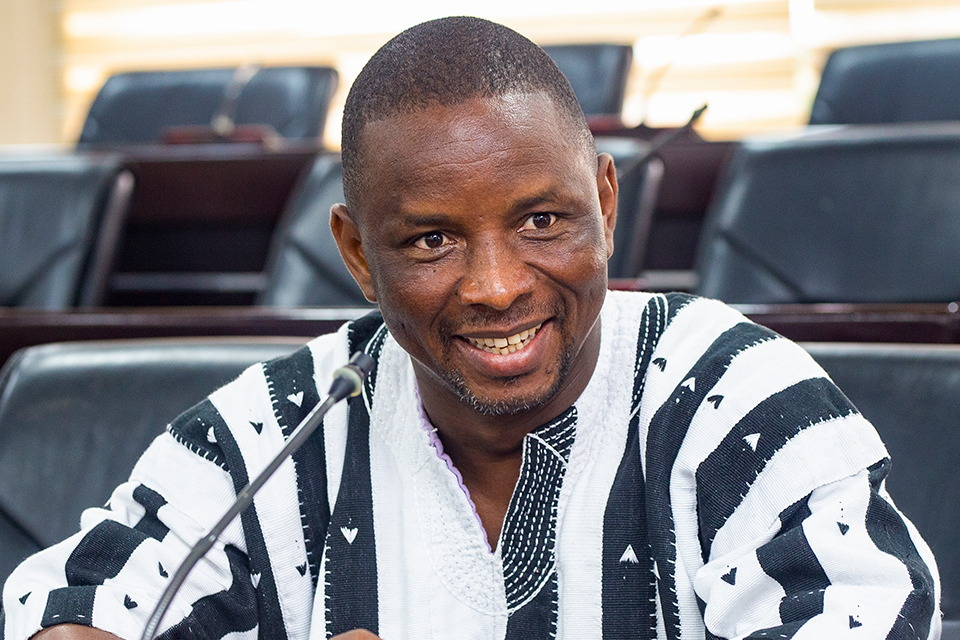
Prof. Samuel Alhassan Issah, Dean of the Faculty of Ghanaian Languages Education, highlighted the urgency of the request, noting that Moar speakers were surrounded by dominant languages and risked losing their linguistic rights. He commended the community’s initiative and the existence of some scholarly work on Moar but advised them to resolve internal dialectal differences and demonstrate long-term commitment. “One finger does not pick a stone. We are ready to support you but you must also sustain the programme,” he said.
The meeting concluded with an agreement for UEW’s College of Languages Education to engage further with the Bimoba leadership on the baseline survey, curriculum development and modalities for establishing the programme. Both parties expressed optimism that this collaboration would mark the beginning of a lasting partnership to preserve the Moar language and promote indigenous knowledge systems in Ghana and beyond.