GMD-UEW Strengthens Professional Development Through Mentorship Workshop for 2026 Cohort


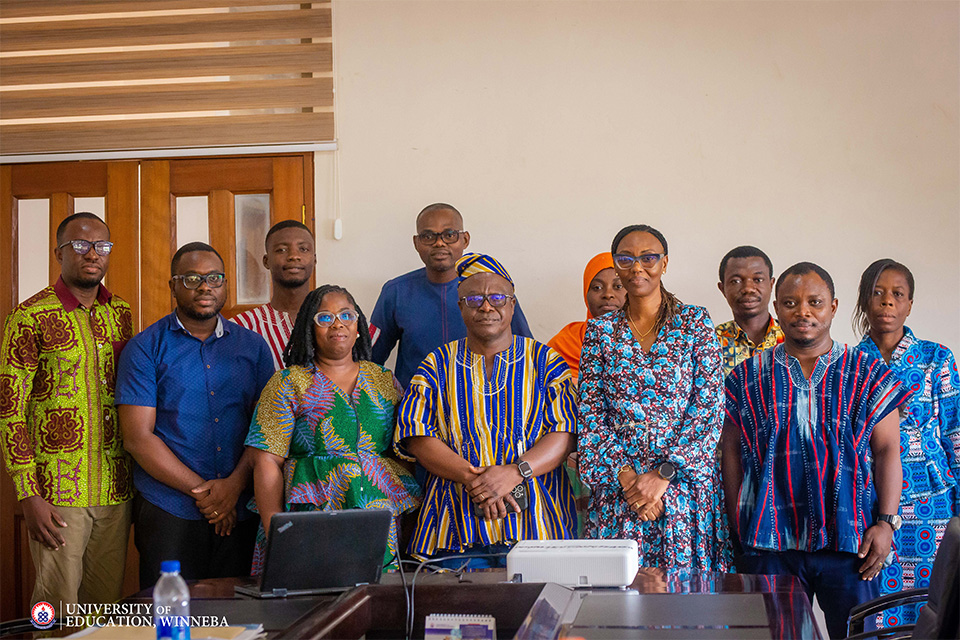
The Gender Mainstreaming Directorate (GMD) at the University of Education, Winneba (UEW) has organised a mentorship workshop for the 2026 cohort of mentees on its Mentorship Programme.
The workshop, held at the Registrar’s Conference Room on Wednesday, 29th April, 2026, was under the theme “Mentorship in Higher Education.”
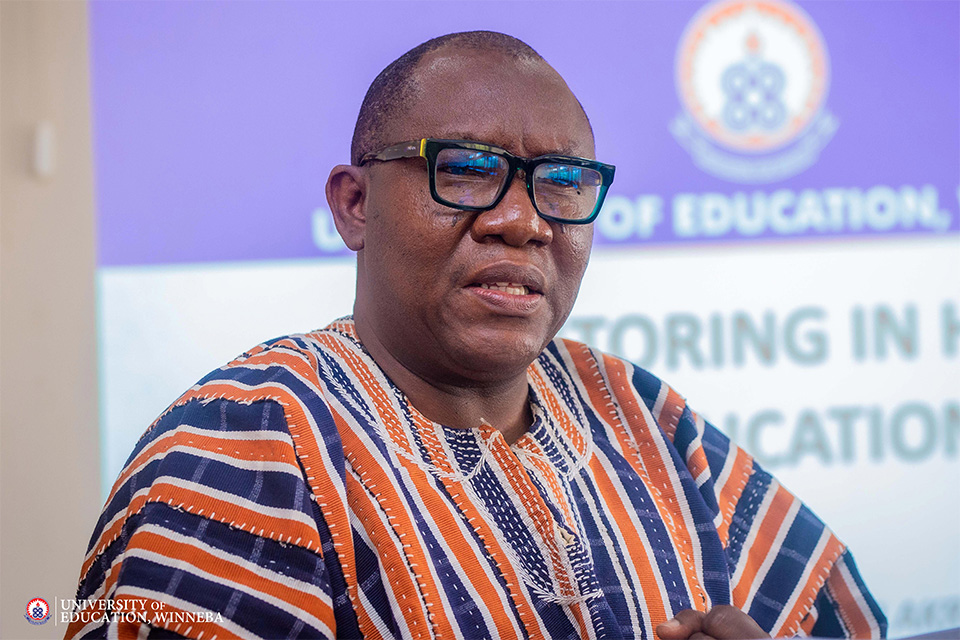
Mr. Reginald S.K. Agbo, Deputy Registrar in charge of Human Resource, speaking on behalf of the Registrar, underscored the transformative role of mentorship in shaping professionals within academia. He described the workshop as more than an orientation, emphasising it as “a commitment towards group excellence and becoming the kind of professional who can shape the institution and impact lives.”
Mr. Agbo highlighted mentorship as a dynamic partnership that requires active participation from mentees. He urged participants to take ownership of their development, stressing that curiosity, discipline, openness and trust as critical to a successful mentoring relationship. He further noted that in today’s complex work environment, technical competence alone is insufficient and called on participants to cultivate resilience, emotional intelligence, ethical judgment and strategic thinking.

Providing an overview of the programme, Ms. Patricia Kaitoo, Ag. Director of GMD-UEW, explained that the initiative is a structured but flexible platform designed to support early- and mid-career lecturers, administrators and finance staff in their professional and personal development. She indicated that the programme which has been running for decades with strong management support, continues to evolve to meet the needs of staff across the University.
Ms. Patricia Kaitoo intimated that the 2026 cohort comprises 22 mentees including lecturers, administrators and finance staff with a significant number drawn from the Ajumako campus. She outlined the programme’s key objectives including enhancing career progression, strengthening leadership capacity, building scholarly identity and promoting work-life balance.
She further detailed the structure of the programme to include one-on-one and group mentoring sessions, thematic workshops on publishing and leadership, experience-sharing engagements with senior academics and continuous monitoring and evaluation. “The programme is expected to culminate in a mini conference where mentees will present their outputs including research papers and professional work, demonstrating their growth and achievements,” she added.
Ms. Patricia Kaitoo expressed confidence that participants had gained valuable insights into the expectations and outcomes of the programme. She encouraged mentees to actively engage in all sessions and take advantage of the support systems provided to produce tangible outputs including publications and professional development achievements. She also reiterated the Directorate’s commitment to supporting participants throughout the programme and announced plans for upcoming workshops.
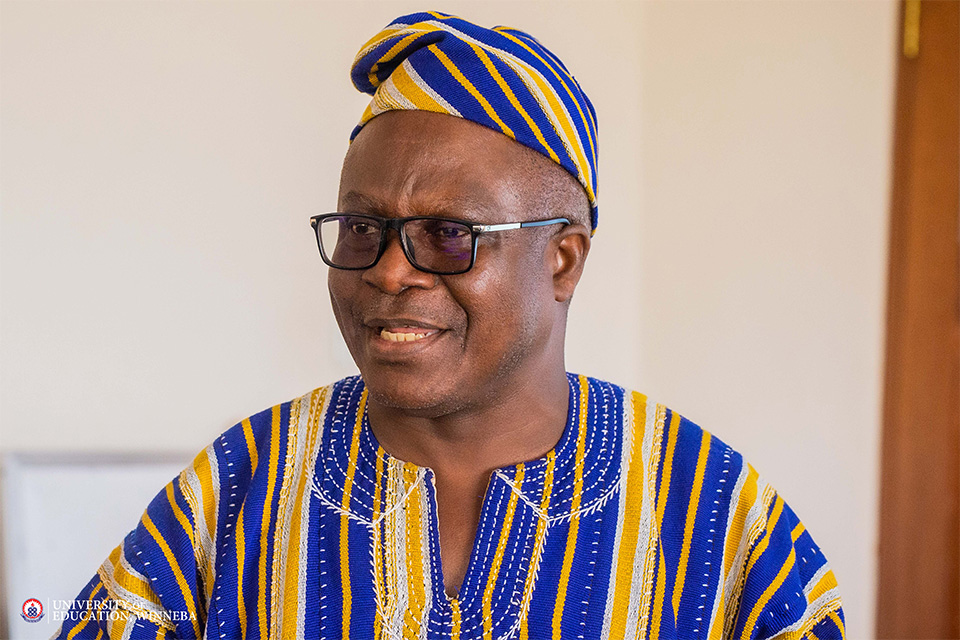
In a comprehensive presentation on mentoring in higher education, Dr. Francis Narh Akrono emphasised the critical importance of mentorship in academic and professional advancement. He described mentoring as a reciprocal relationship involving the transfer of knowledge and shared experience between a mentor and mentee to foster both personal and professional growth.
Dr. Akrono highlighted that many accomplished academics have risen through structured mentorship. He observed that intentional mentoring initiatives have historically contributed to increased representation and advancement within the University. He encouraged participants to engage consistently with their mentors, stressing that regular interaction and commitment are essential for achieving meaningful outcomes.
Drawing from personal experience, he illustrated how strong mentor-mentee relationships can accelerate academic progress, enhance research output and open opportunities through professional networks. He also outlined the roles of mentors, including providing guidance, offering constructive feedback, facilitating connections and supporting goal-setting while cautioning against dependency and passive participation by mentees.
He further addressed potential challenges in mentoring relationships, such as time constraints, communication barriers, mismatched expectations and limited availability. He urged both mentors and mentees to remain committed, proactive and accountable.
Dr. Akrono concluded by reaffirming that effective mentorship benefits not only individuals but also the institution as a whole. They contribute to improving staff performance, increased research output and a stronger, more collaborative academic environment.
The workshop marks a significant step in UEW’s ongoing efforts to build capacity, foster innovation and strengthen its position as a leading institution in teacher education and professional development in Ghana.