ILWGAWS Project Deepening Scientific Understanding of Amanzule Wetland – Dr. Osman


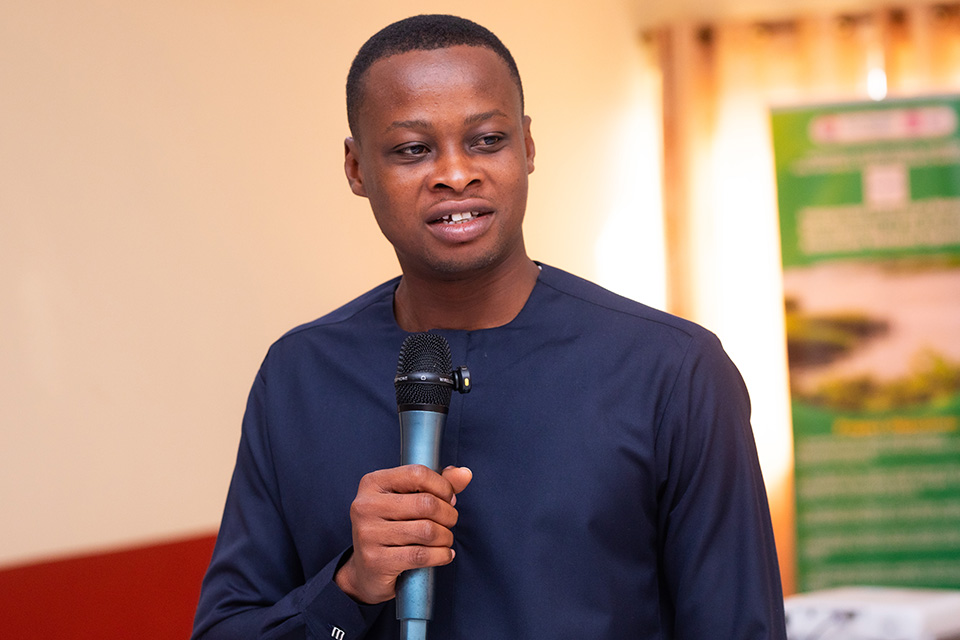
Dr. Adams Osman, the Principal Investigator of the Integrated Land and Water Management of the Greater Amanzule Wetland System (ILWGAWS) Project has reported that the project has achieved significant progress in enhancing scientific understanding of the Amanzule Wetland. These advancements, he said, are particularly evident in the fields of hydrology, land use and climate interactions.
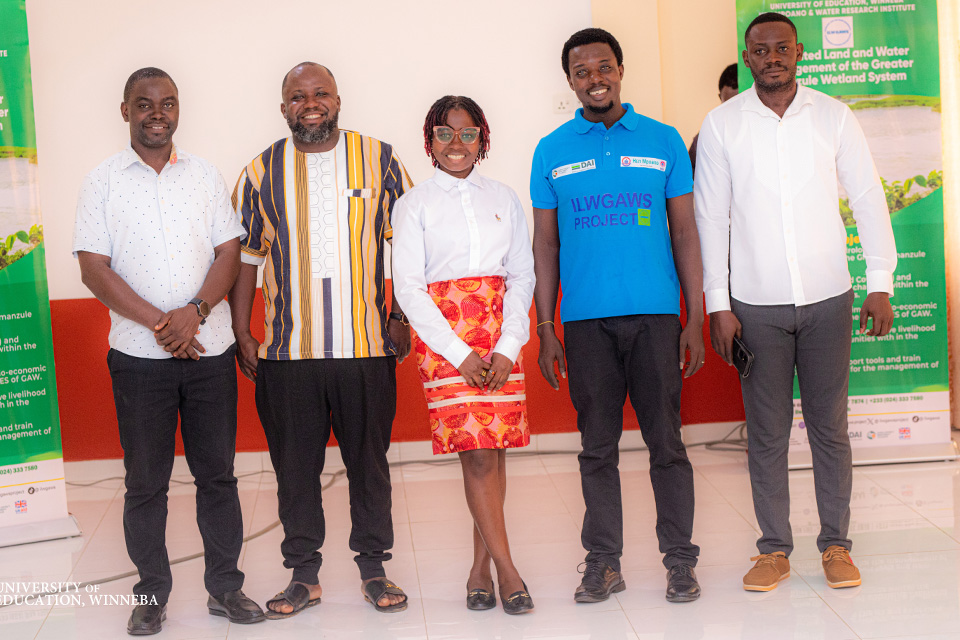
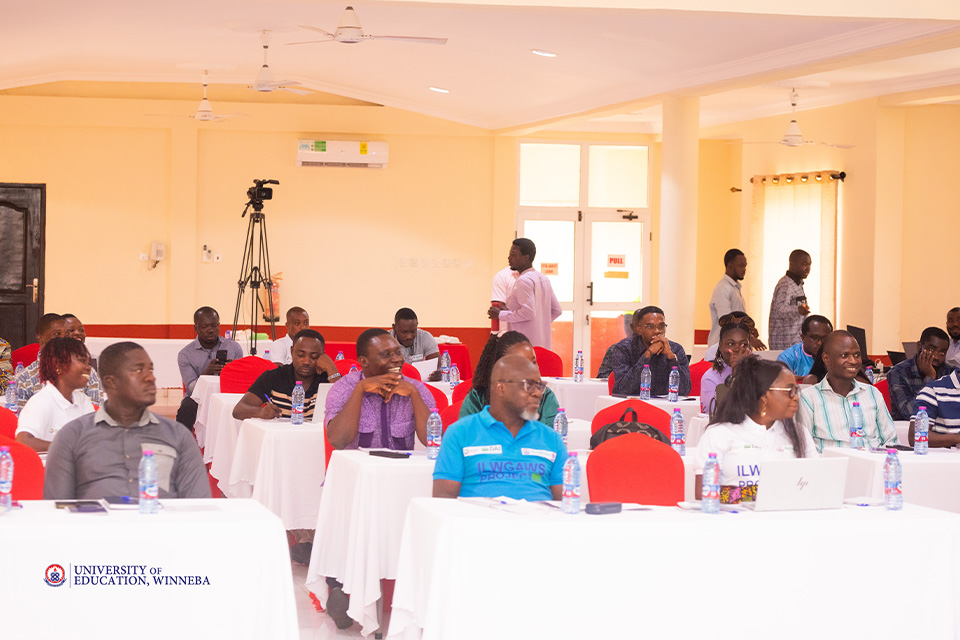
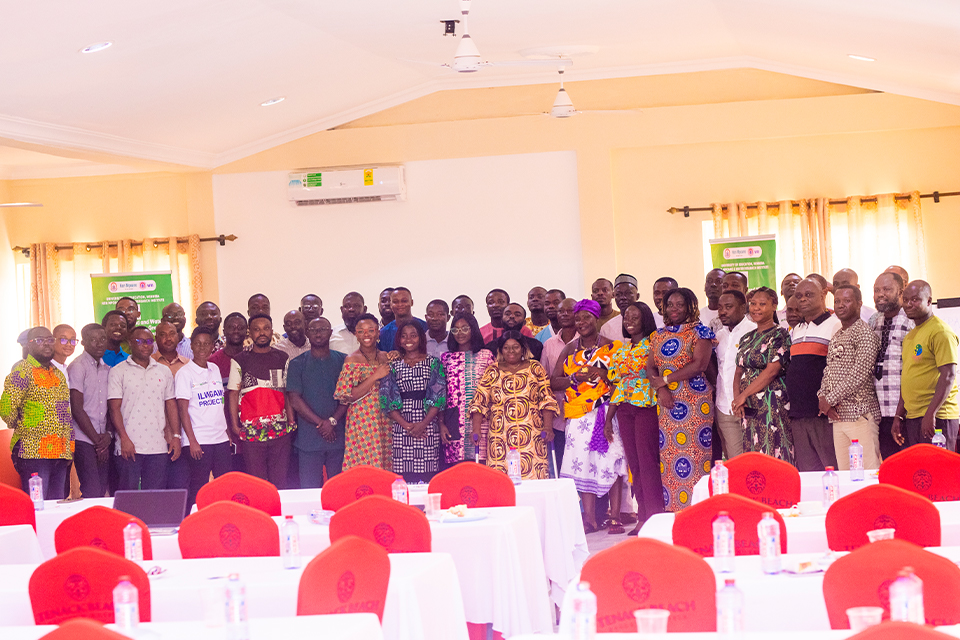
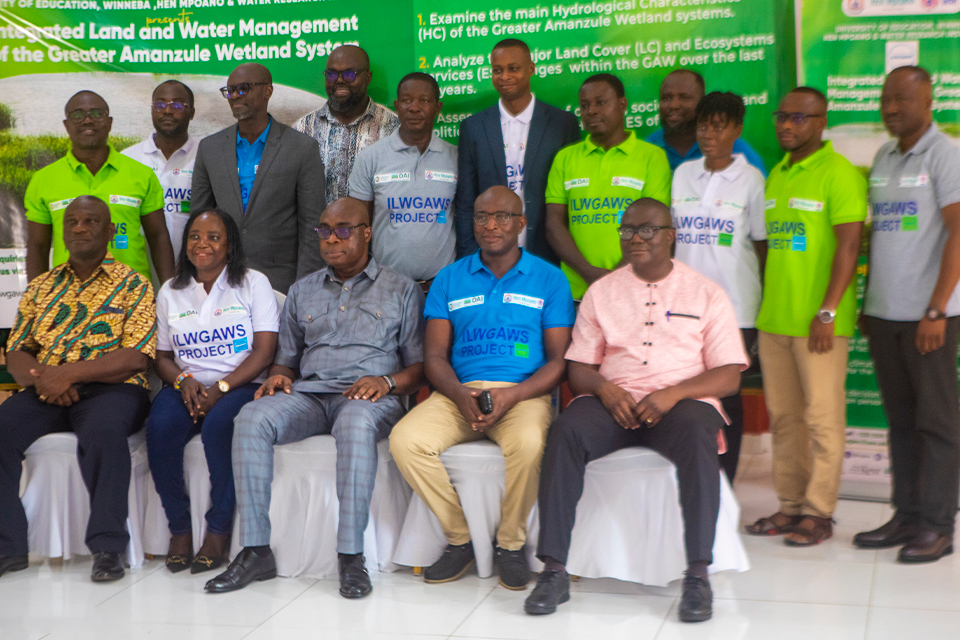
Dr. Osman made this known during an overview and progress presentation on Wednesday, 14th January, 2025, at the opening of a two-day evaluation and results discussion workshop held at Tenack Beach Resort, Beyin, in the Western Region. The workshop convened researchers, technical experts and key stakeholders to assess the progress of the project and formulate a strategic plan for future developments.
Providing a brief background to the initiative, Dr. Osman explained that the Amanzule Wetland had previously been conceptualised largely within the Marine Protected Area (MPA) framework. While that approach offered a useful starting point, he noted that it did not fully reflect the realities on the ground, particularly in relation to land cover changes and the wetland’s hydrological system.
He stressed that understanding the hydrology of the Amanzule Wetland is critical, especially in the context of climate change, increasing development pressures, infrastructure expansion and future government interventions. According to him, water lies at the heart of any wetland system and without a clear understanding of hydrological dynamics, it becomes difficult to predict the long-term sustainability of the ecosystem.
Dr. Osman further highlighted emerging threats to the wetland including the impact of artisanal mining activities which pose risks of pollution to water bodies and soils. He described the Amanzule Wetland as one of Ghana’s unique wetland systems, noting that although its level of degradation remains relatively low, it holds significant carbon stocks and is consistently identified under Ghana’s Nationally Determined Contributions as a priority area for carbon conservation.
With hydrology as the project’s core focus, Dr. Osman indicated that the ILWGAWS team developed a series of interlinked work packages to generate comprehensive scientific evidence to support wetland management and future interventions. He explained that hydrological processes are closely connected to land cover, climate variability, ecosystem services and livelihoods, making it necessary to examine these components together.
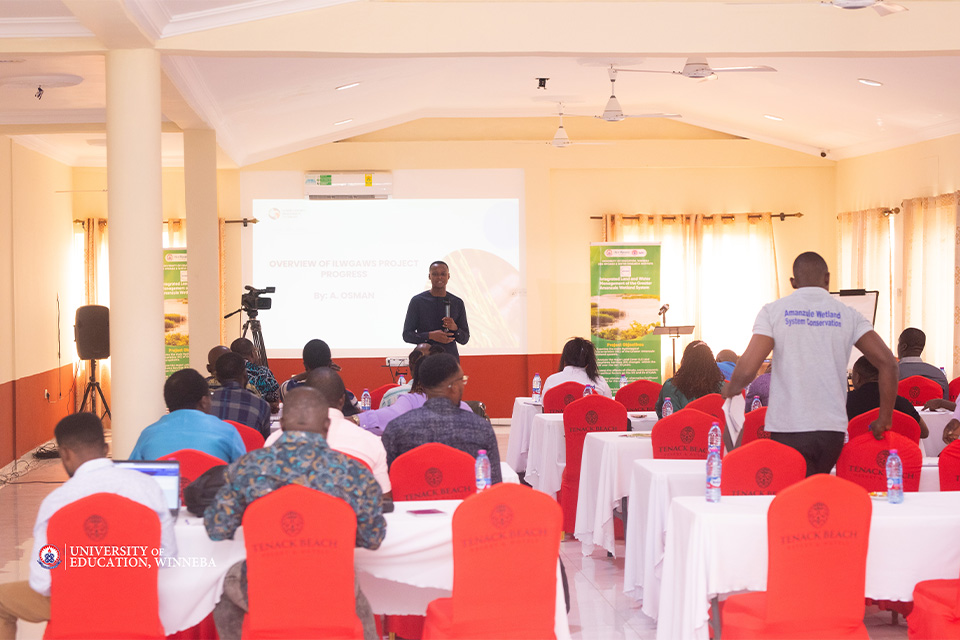
In total, six work packages were developed under the project. Work Package Zero focused on project start-up activities including the acquisition of essential equipment such as advanced drones and hydrological instruments, as well as training for technical teams and assemblies on their use.
Work Package One centred on stakeholder engagement, involving official project launch activities, workshops, surveys, field visits to degraded areas and extensive interaction with community leaders, traditional authorities and local government actors. These engagements, Dr. Osman noted, were aimed at deepening stakeholders’ understanding of the challenges within the Amanzule landscape.
Work Package Two addressed land use and land cover assessment through spatial analysis using drone and satellite imagery, land cover classification and ground verification. Work Package Three focused on hydrology and was implemented in collaboration with the Water Research Institute and the Water Resources Commission. Activities under this package included hydrological profiling, hydro-climatic modelling and the collection of water and soil samples to assess pollution levels including non-mining-related impacts.
According to Dr. Osman, Work Packages Four and Five, which focus on ecosystem services and livelihoods respectively are designed to translate scientific findings into community support initiatives. These include plans to support at least 400 households through conservation ambassadorship, school engagement programmes, beekeeping, nurseries, native tree planting, agroforestry and restoration of degraded areas. Work Package Six, he added, focuses on capacity building and implementation with stakeholders playing a central role in applying research outputs to everyday wetland management decisions.
He disclosed that the first year of the project concentrated primarily on Work Packages One, Two and Three, making the current evaluation exercise crucial for reviewing progress and drawing lessons for subsequent phases. Internal assessments, he said, showed that most targets had been met, although some activities, such as soil and water sampling, remain ongoing and will continue until the final quarter of the project.
Dr. Osman indicated that technical evaluations including drone imagery analysis, were 80% complete with earlier delays caused by technical challenges with LiDAR equipment which have since been resolved. Most hydrological and climate-related analyses have also been completed with some reports currently under review for onward sharing with stakeholders.
He acknowledged that the project had faced administrative, logistical and financial challenges including coordination across institutions, communication issues, safety concerns for field assistants in areas affected by artisanal mining, procurement costs and currency fluctuations. However, he noted that built-in project buffers helped absorb delays, keeping the project in good standing with its funders.
Despite these challenges, Dr. Osman described the project’s achievements as significant, citing strong stakeholder commitment, effective community collaboration and the dedication of the project team. He also acknowledged the support of the University of Education, Winneba management, Hen Mpoano and the Biodiversity Research Institute, noting that managing a multi-institutional project requires cooperation and mutual understanding.