ILWGAWS Project Team Takes Stock of First-Year Outputs, Charts Next Phase


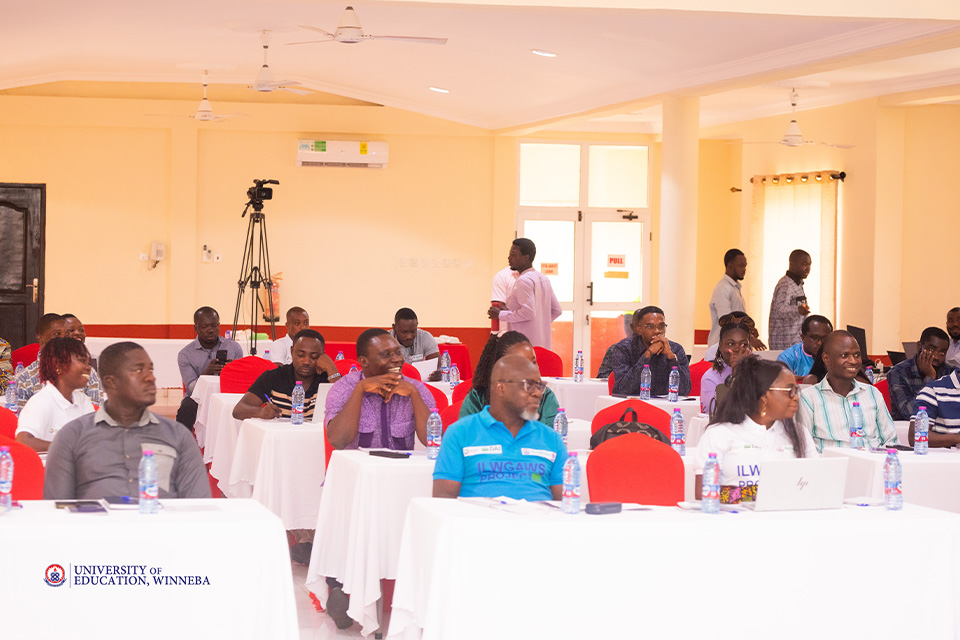
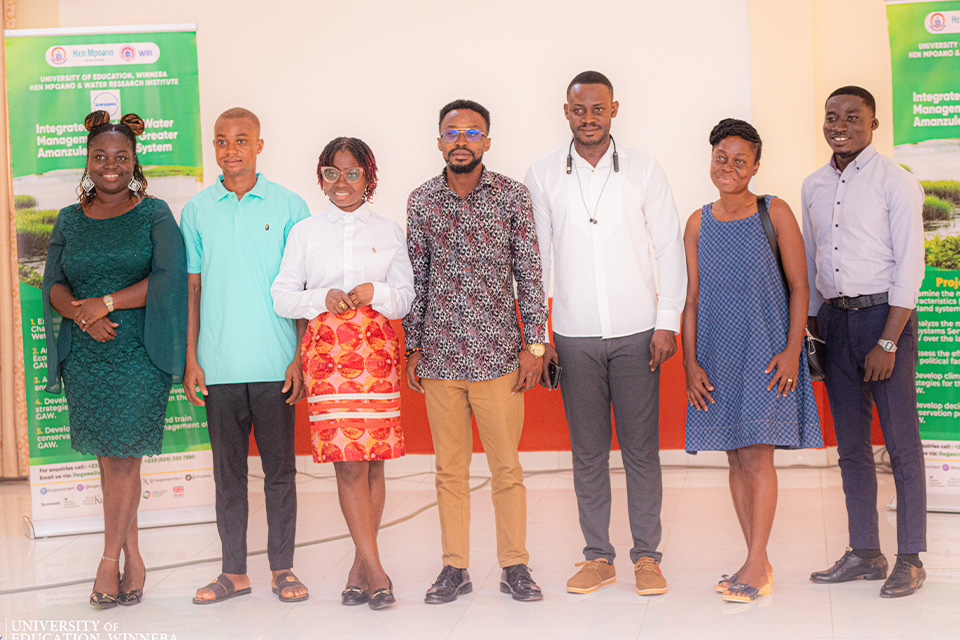
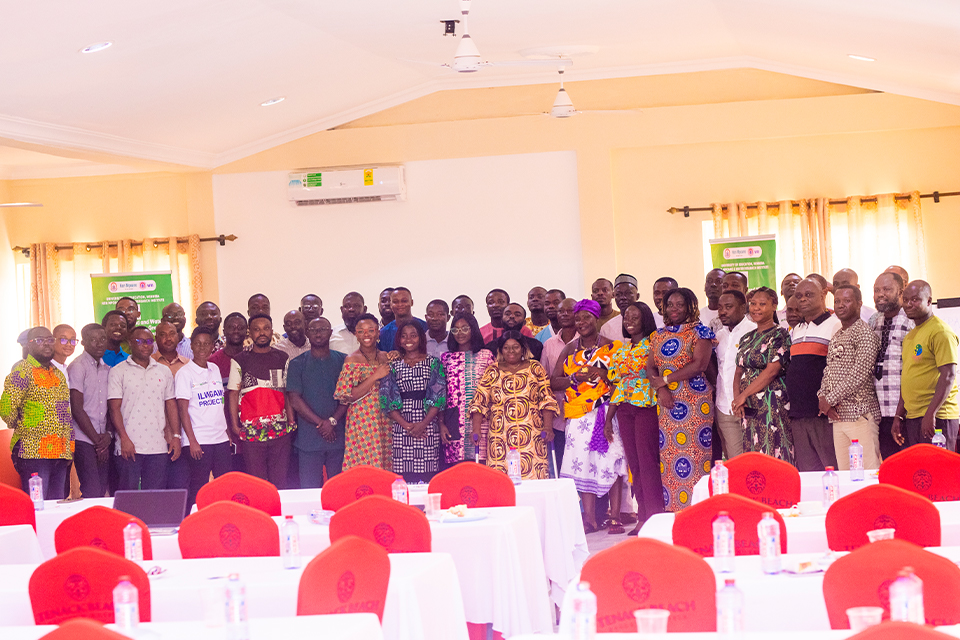
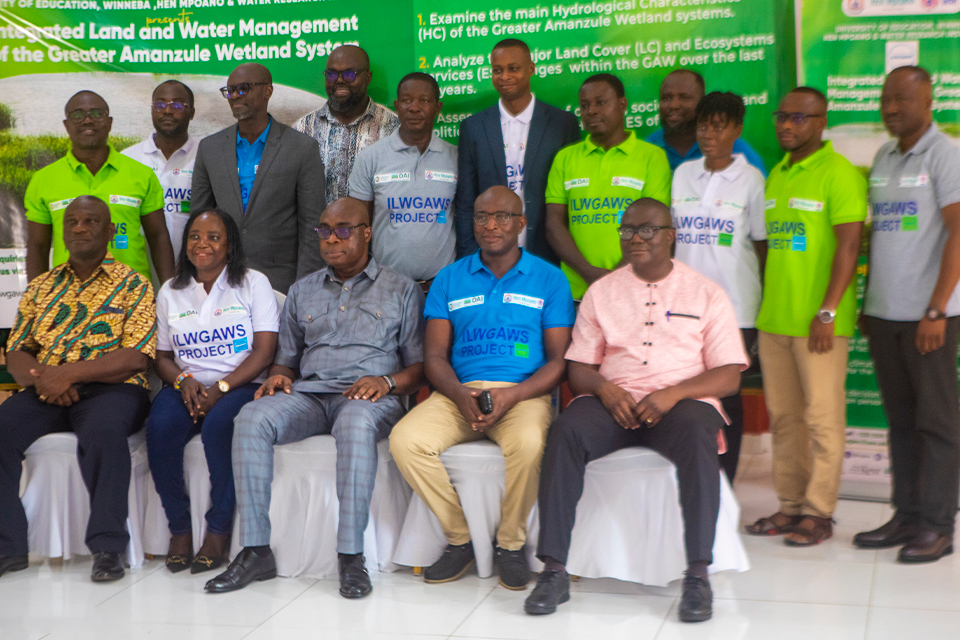
The Integrated Land and Water Management of the Greater Amanzule Wetland System (ILWGAWS) project team held a two-day intensive evaluation and results discussion workshop at Tenack Beach Resort, Beyin, in the Western Region.
The workshop, which took place on Wednesday, 15th and Thursday, 16th January, 2026, aimed to assess progress made in the project's first year and outline implementation priorities for the year ahead.
The workshop brought together members of the project’s steering committee, technical committee, researchers, students, and key stakeholders to review the scientific outputs generated so far and validate findings that support the sustainable management of the Greater Amanzule Wetland System.
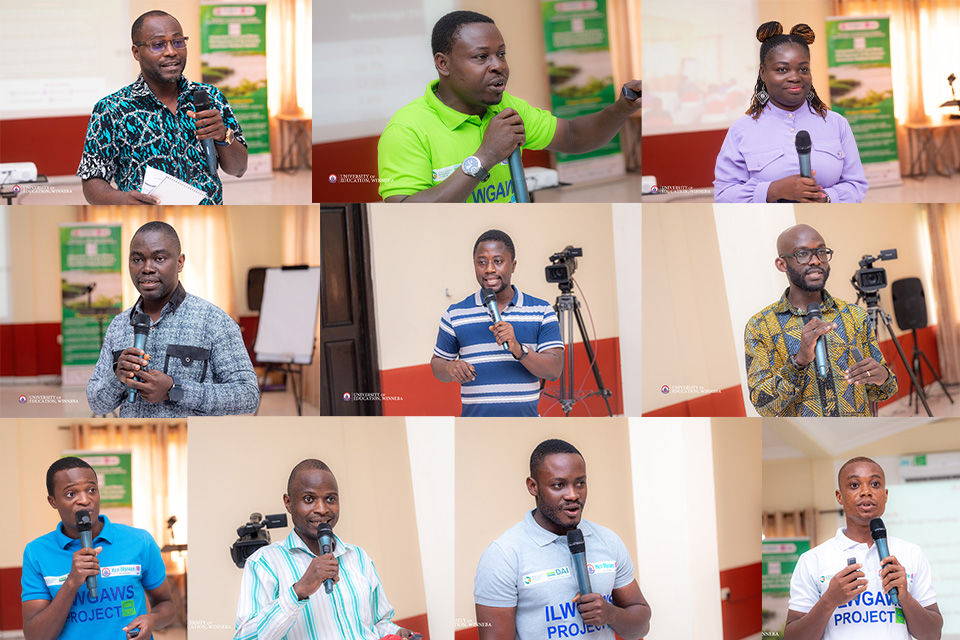
Activities on the first day included the formal introduction of the steering committee and technical committee, followed by a series of work package presentations covering Land Use and Land Cover (LULC) assessment, communities’ perceptions of LULC changes, hydrological profiling, hydrodynamics and climate modelling analysis, communities’ perceptions of climate change and baseline survey results. Each presentation was followed by detailed discussions and validation sessions to ensure technical accuracy and policy relevance.
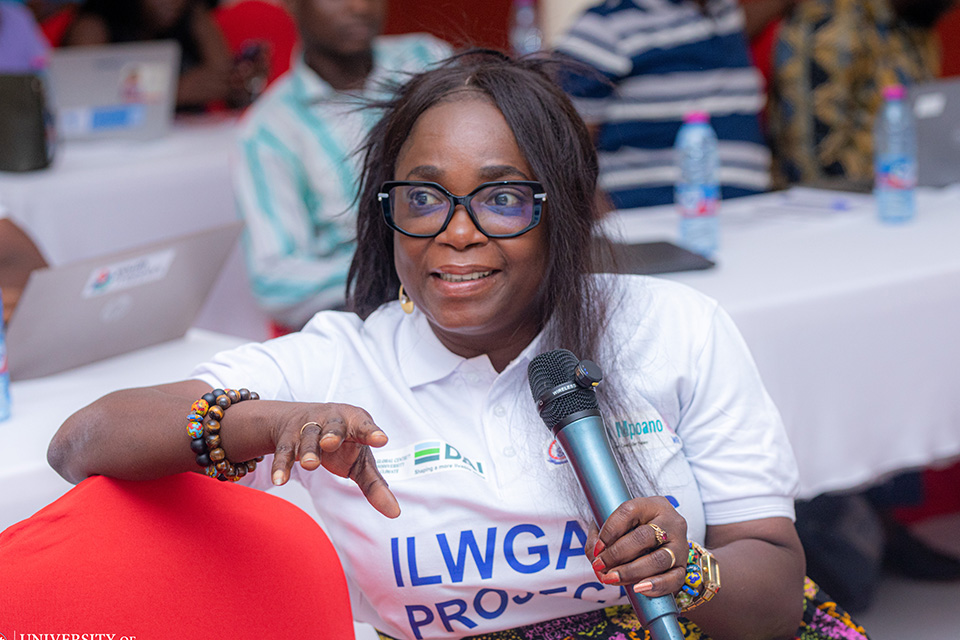
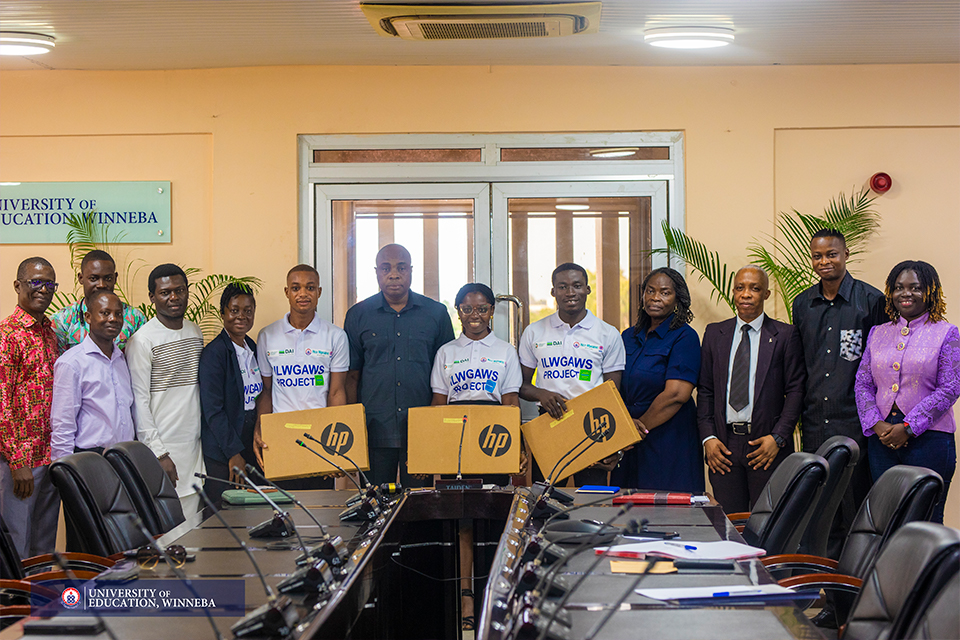
Representing the Vice-Chancellor of the University of Education, Winneba (UEW), Prof. Esther Yeboah Danso-Wiredu, Pro-Vice-Chancellor, commended the project team for meeting most of its first-year targets, describing the outcomes as impressive and valuable for both research and policy implementation.
She noted that the largely completed outputs demonstrated the team’s commitment and effectiveness and added that the factual data generated could serve as a foundation for further academic research including postgraduate studies. Drawing on her background in geography, Prof. Esther Danso-Wiredu emphasised the importance of up-to-date climatic and environmental data. She expressed satisfaction that some findings validated figures currently used in teaching and research.
She, however, challenged policymakers and technical stakeholders to ensure that the project’s scientific findings are translated into actionable interventions on the ground. She also encouraged future research to consider interdisciplinary dimensions such as the potential impact of environmental degradation on food crops and aquatic life, particularly in areas affected by illegal mining activities.
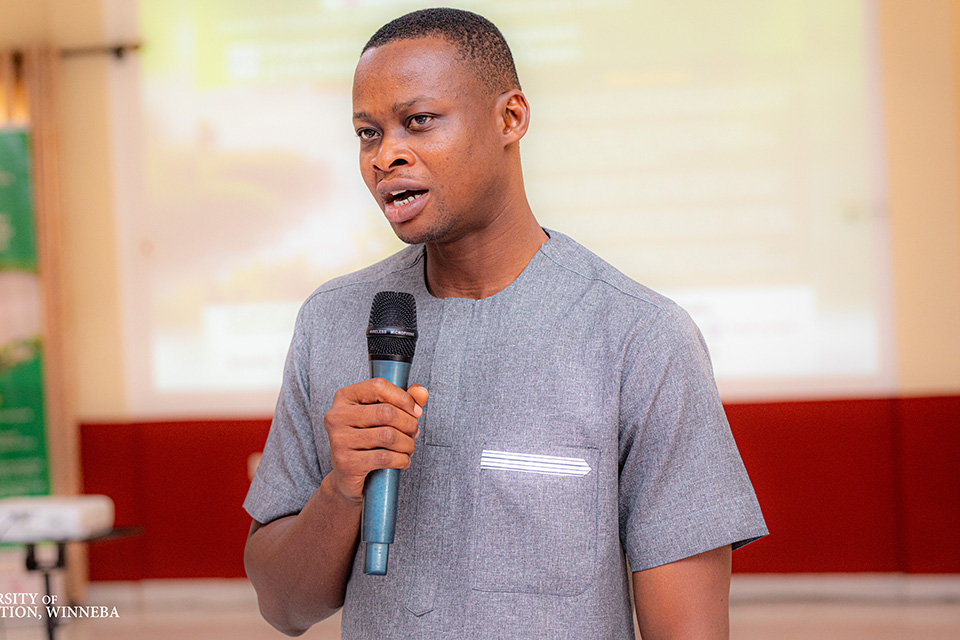
Earlier, Dr. Adams Osman, Principal Investigator of the ILWGAWS project, explained that the workshop formed part of efforts to reflect on achievements made over the past year and to strengthen collaboration between researchers and end-users of the project’s outputs.
Dr. Osman indicated that the project was structured in phases with the first year focusing on building a solid scientific understanding of the wetland system, the second year on translating research into livelihood support interventions and the final phase designed to develop decision-support systems tailored to policy and stakeholder needs. He stressed that while producing scientific documents is important, their usefulness depends on adoption by technocrats and practitioners.
He acknowledged that the project had encountered some administrative, financial and coordination challenges but underscored the need for open dialogue and collective problem-solving to address such issues. Dr. Osman also urged project members, particularly those involved in community-based activities, to actively participate in engagements to ensure successful implementation in the coming year.
The second day of the workshop featured an internal evaluation and reflection session during which three MPhil students on the project made presentations on their theses. This was followed by extensive discussions on implementation challenges, lessons learnt, data sharing, authorship arrangements, project key performance indicators, action planning and the clarification of roles and responsibilities for the 2026 fiscal year.
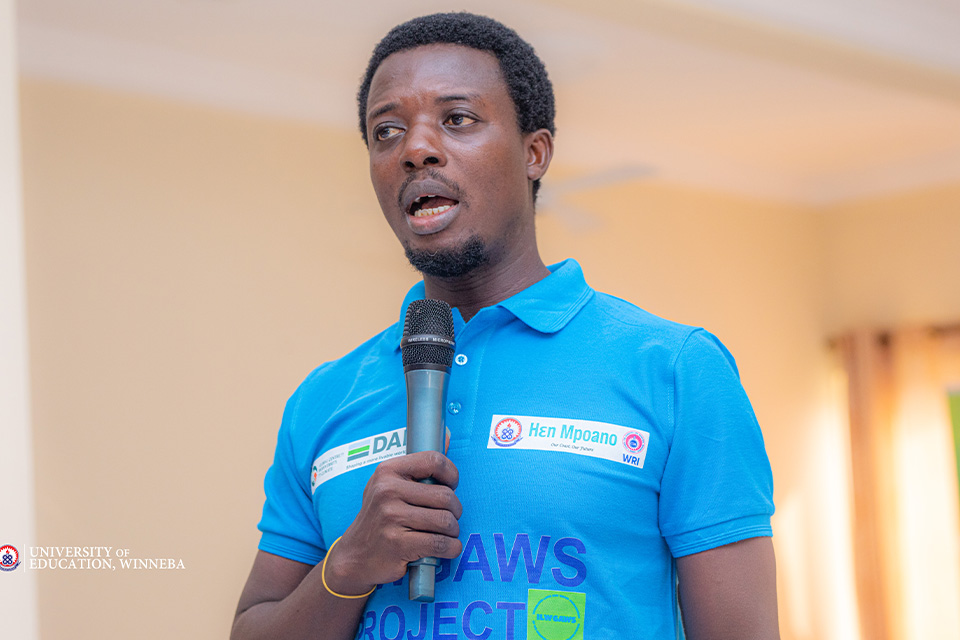
Moderating the workshop, Mr. Justice Camillus described the engagement as a critical moment for reflection and learning, noting that it provided an opportunity for the project team to account for progress made and to receive feedback from experienced stakeholders. He emphasised the importance of stakeholder interaction in ensuring that project outputs are understandable, adoptable and impactful.
The ILWGAWS project seeks to promote integrated land and water management in the Greater Amanzule Wetland System through evidence-based research, stakeholder engagement and policy-oriented interventions. The two-day workshop marked a key milestone in consolidating first-year achievements and setting a clear direction for the next phase of implementation.