CAS-UEW Hosts Dialogue on Justice and Democratic Values


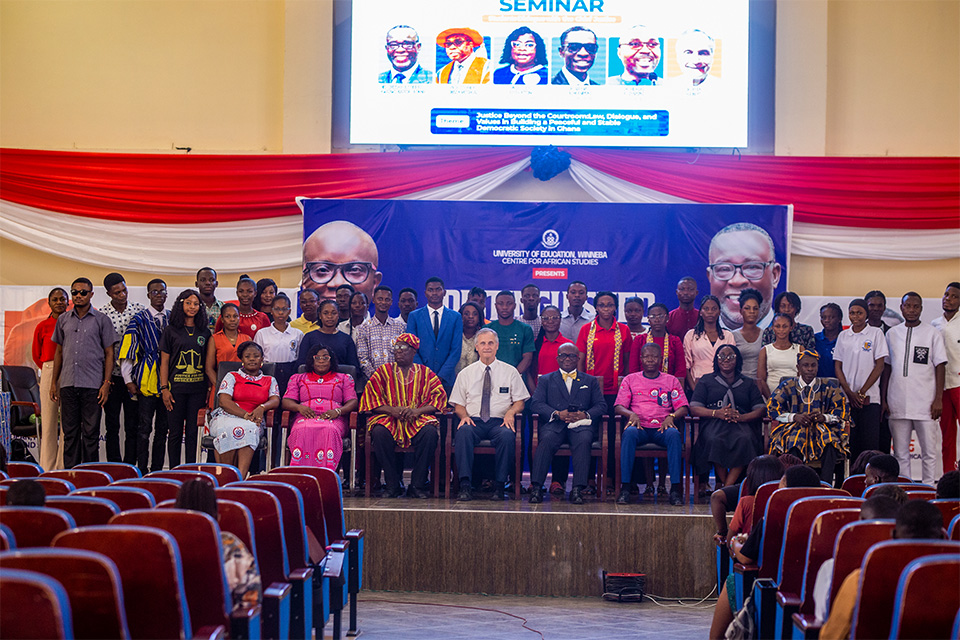
The Centre for African Studies (CAS) at the University of Education, Winneba (UEW) has organised an academic seminar dubbed “Students Dialogue with the Chief Justice” to deepen discussions on justice, governance and democratic values in Ghana.
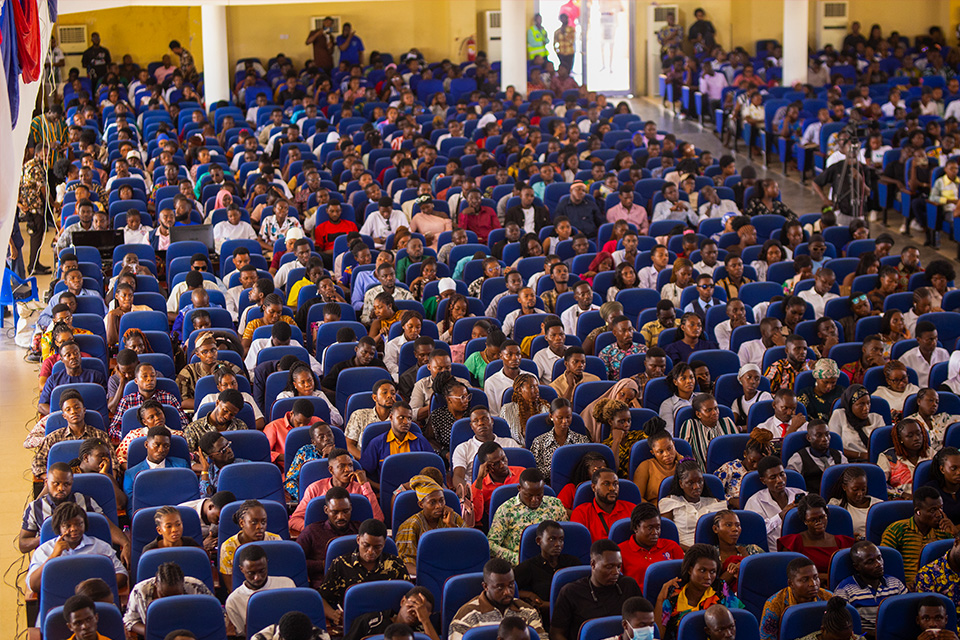
The seminar, held at the Jophus Anamuah-Mensah Conference Centre on Friday, 13th March, 2026, brought together members of the judiciary, academia and students under the theme “Justice Beyond the Courtroom: Law, Dialogue and Values in Building a Peaceful and Stable Democratic Society in Ghana.”
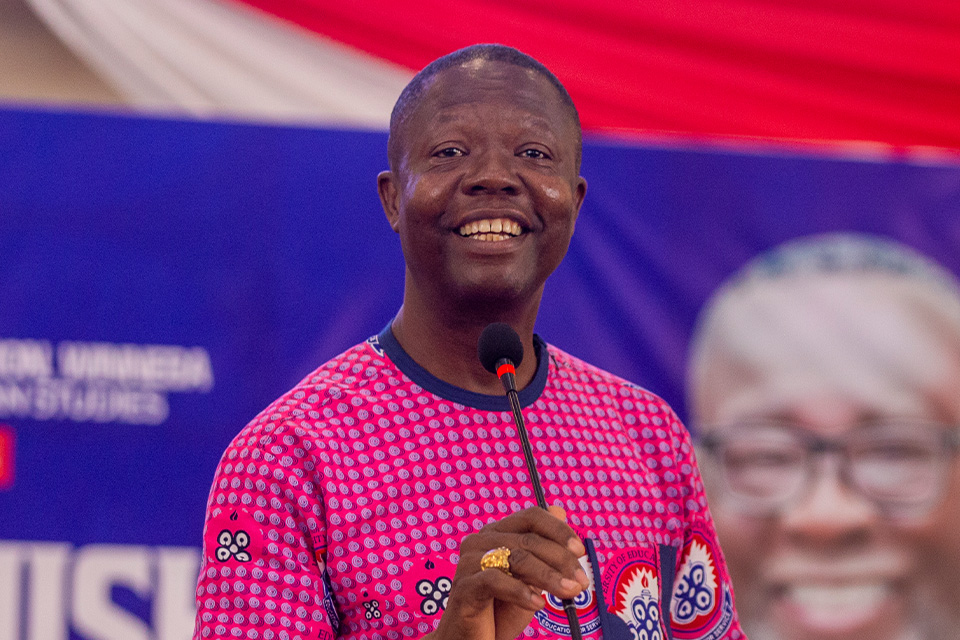
Delivering remarks on behalf of the Vice-Chancellor, Prof. Frimpong Kaakyire Duku, Principal of the College for Distance and e-Learning, described the seminar as a vital platform for dialogue between academia and the judiciary. He emphasised that universities play a critical role in shaping the moral character and civic responsibility of society.
According to him, justice extends beyond courtrooms and is reflected in the values society teaches its children, the fairness of institutions and the respect citizens show one another. He encouraged students to appreciate justice not merely as a legal concept but as a guiding social principle that promotes national unity, peace and democratic stability.
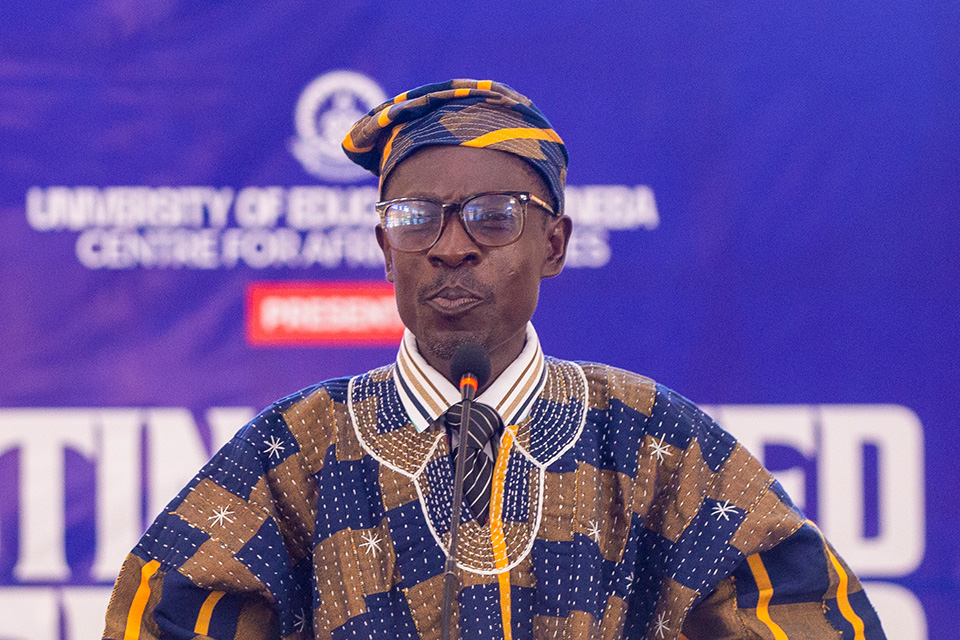
The organiser of the seminar, Dr. Maxwell Acheampong, Lecturer at CAS-UEW, said the programme was designed to bridge classroom learning with real-world experiences in law, leadership and conflict resolution. He noted that students studying courses such as Contemporary Issues in Ghanaian Law, Negotiation and Effective Parenting had been engaged in discussions on justice and civic responsibility throughout the semester.
Dr. Acheampong explained that the seminar offered students a rare opportunity to interact with experienced leaders whose work shape national institutions. He added that the event also allowed students to apply practical knowledge gained from their coursework while actively organising various aspects of the programme.
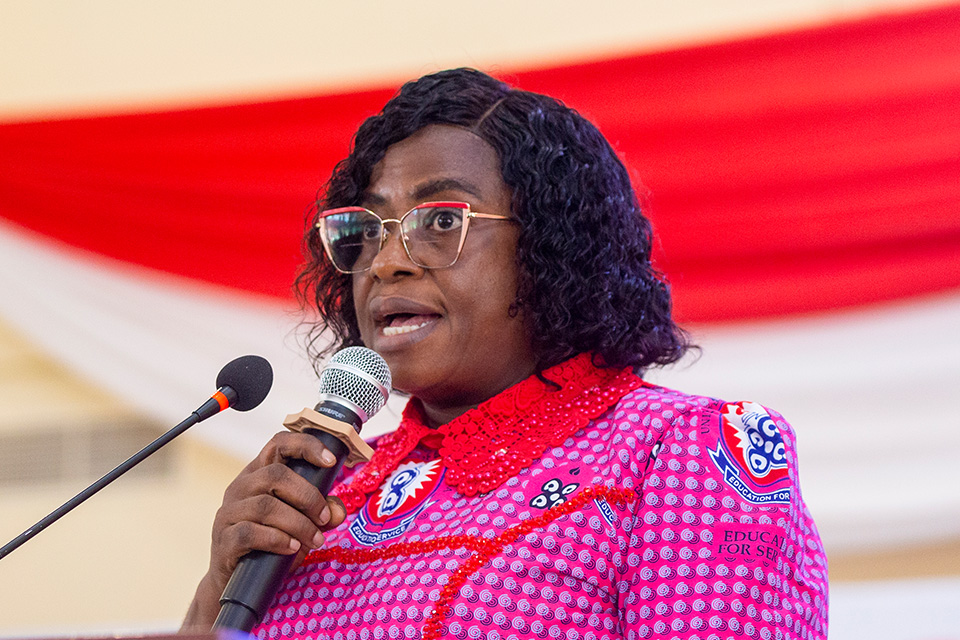
Welcoming participants, Prof. Lucy Effeh Attom, the Dean of the Faculty of Liberal and Social Studies Education, stated that justice must not be limited to formal legal institutions but should be reflected in everyday interactions among citizens.
She stressed that sustaining Ghana’s reputation as a peaceful democracy requires responsible citizens who exercise fairness, tolerance and accountability. She urged students to take advantage of the seminar to reflect on how dialogue, values and law can work together to strengthen peace and social harmony.
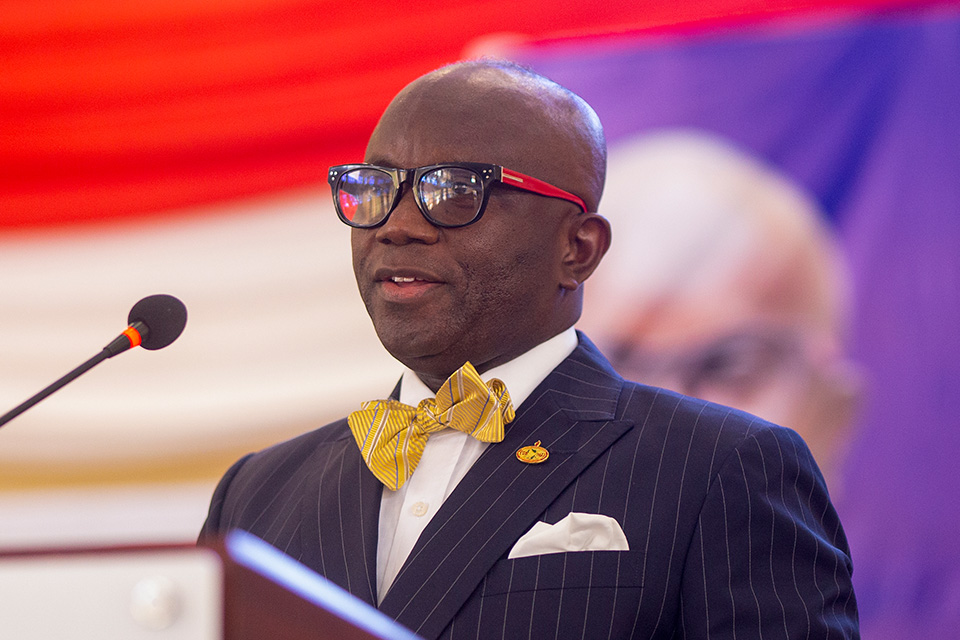
Delivering the keynote address on behalf of the Chief Justice, Justice Kweku Tawiah Ackaah-Boafo of the Supreme Court conveyed warm greetings from Justice Paul Baffoe-Bonnie, Chief Justice of the Republic of Ghana.
Justice Ackaah-Boafo explained that while courts play a central role in the administration of justice, the deeper work of building a peaceful and stable democracy occurs within families, schools and communities where civic values are cultivated. He noted that Ghana’s democratic journey has been sustained by institutions and citizens who consistently choose dialogue and constitutional processes over conflict.
He further highlighted the growing demand for justice in the country, citing the expansion of courts across districts and the success of the Court-Connected Alternative Dispute Resolution Programme which has facilitated the settlement of thousands of cases nationwide. He encouraged students to carry the principles of fairness, accountability and dialogue into their future careers and communities.
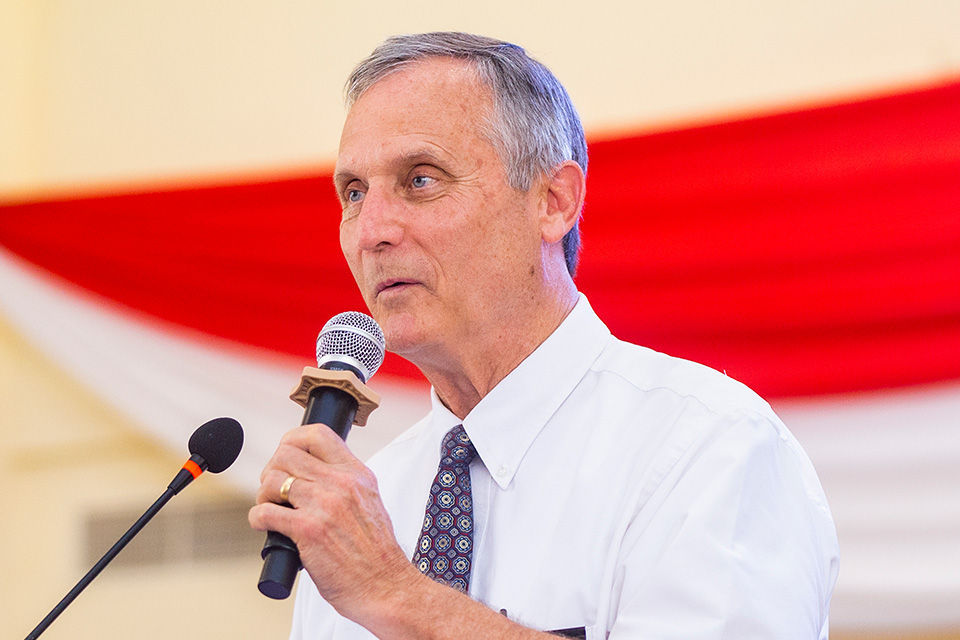
Also addressing the gathering, guest presenter Dr. Ryan Hulbert underscored the importance of education in promoting freedom, hope and peace in society.
He urged educators and future leaders to teach by example, inspire hope among learners and create environments that encourage self-discovery. According to him, when education nurtures open minds and responsible citizens, it contributes significantly to peaceful societies and stronger communities.
The seminar formed part of UEW’s efforts to promote intellectual engagement on governance, justice and civic responsibility while equipping students with the values and critical thinking skills necessary for national development.