UEW Showcases Ghana’s History Through Art


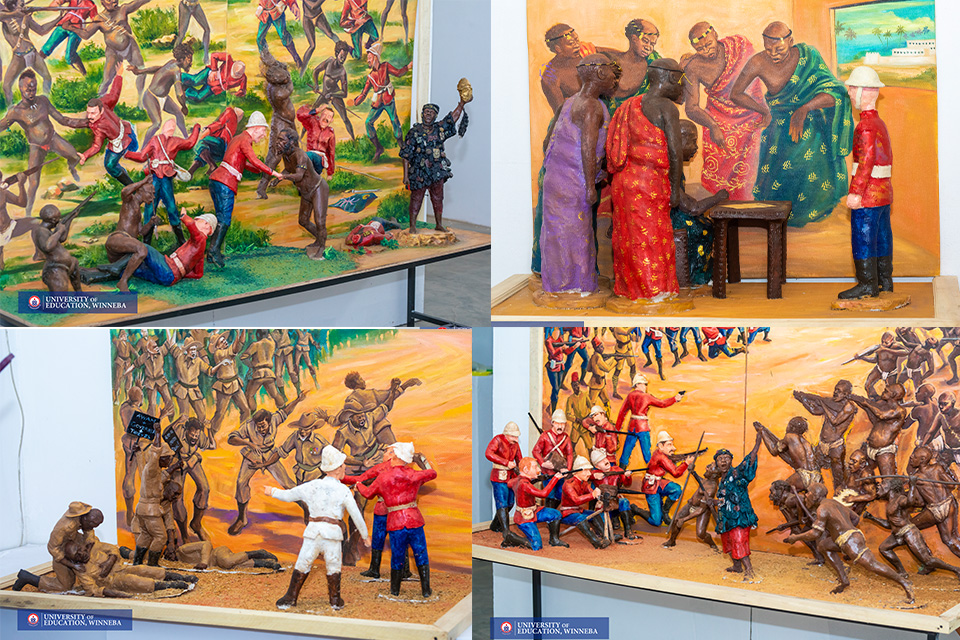
The University of Education, Winneba (UEW), through its Department of Art Education, has organised an exhibition titled “Embodied Histories: Visual Art as an Archive of Ghana’s Past,” reaffirming the University’s commitment to using creative scholarship to explore national history and identity.
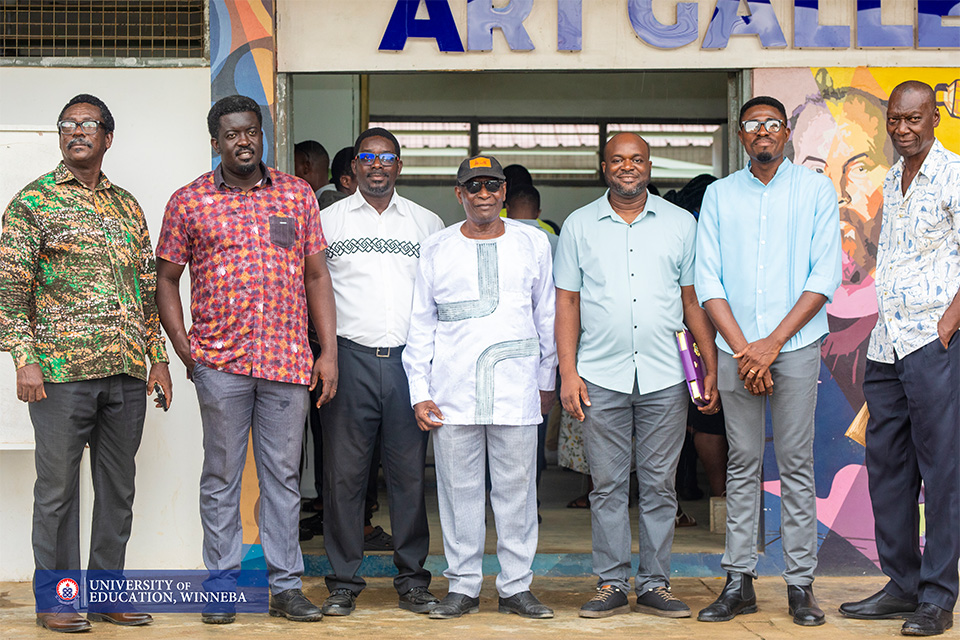
The exhibition, held at the Art Department Gallery from Tuesday, 3rd to Thursday, 5th February, 2026, featured a collection of works by Ghanaian visual artist Mr. Edward Baani Buxton, a lecturer in the Department of Art Education. It was curated by Mr. Ebenezer Kow Abraham. The exhibition explored critical moments in Ghana’s socio-political history, transforming well-known historical narratives into immersive visual and sculptural experiences.

Speaking during an interaction with the artist, Mr. Buxton explained that the exhibition emerged from his academic research and a long-standing concern that Ghana’s history is often encountered only through written texts and oral accounts. This, he believes limit emotional and experiential engagement. According to him, the works are intended to serve as an alternative visual archive that complements existing historical records.
He noted that his selection of historical scenes was guided by their significance in shaping Ghana’s socio-political development and their strong symbolic potential. Among the major events represented are the Anglo-Asante Wars including the defeat of Sir Charles MacCarthy at the Battle of Nsamankow in 1824; the Yaa Asantewaa War of 1900; the Bond of 1844 and the 1948 Accra Riots, widely regarded as a turning point in Ghana’s journey towards independence.
Mr. Buxton further highlighted that the works combine painting with three-dimensional sculptural elements, allowing figures to physically emerge from the canvas. This approach, he said, collapses time and space and enables viewers to feel a deeper connection to historical moments of resistance, leadership, diplomacy and sacrifice.
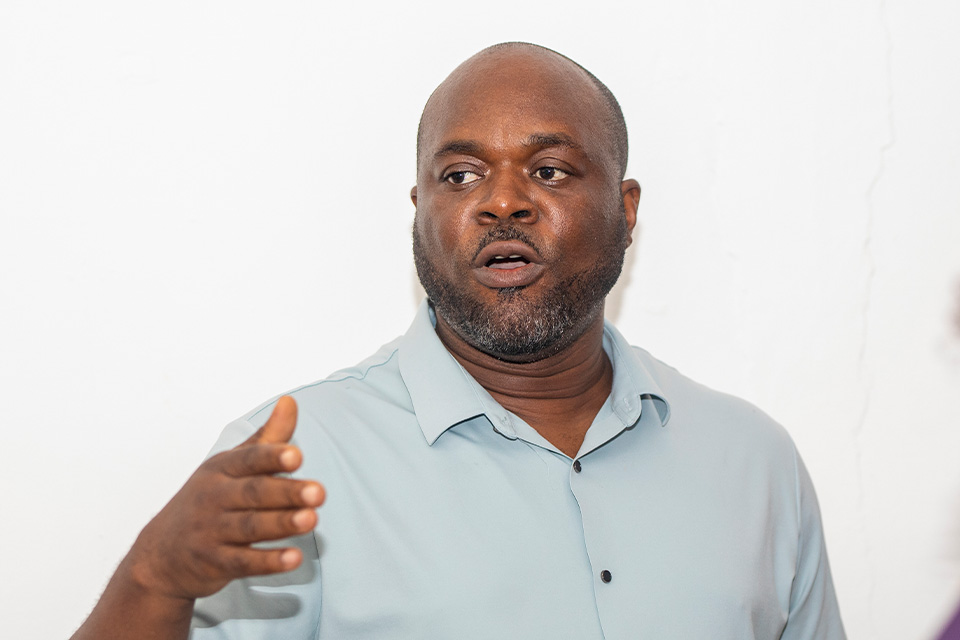
Providing curatorial insight, Mr. Ebenezer Kow Abraham explained that the exhibition follows a deliberate historical chronology, guiding viewers through Ghana’s colonial encounters and struggles. He noted that extensive consultations were held with historians, museum curators and other experts to ensure historical accuracy and depth in the interpretation of the works.
Mr. Abraham emphasised that the exhibition does not merely recount victories and defeats but invites reflection on the lived experiences of the people who endured colonial brutality and resistance.
He pointed to works depicting the Bond of 1844 as a critical moment that marked the beginning of colonial governance as well as representations of the Christiansborg Crossroads shooting during the 1948 Riots which exposed the human cost of colonial oppression and galvanised nationalist movements.
According to the curator, the exhibition is conceived as a “living archive,” using what he described as “materialised memory” through the integration of sculpture and painting. This method, he explained, allows the audience to enter the historical moment rather than merely observe it, encouraging remembrance, reflection and tribute to those who shaped Ghana’s past.
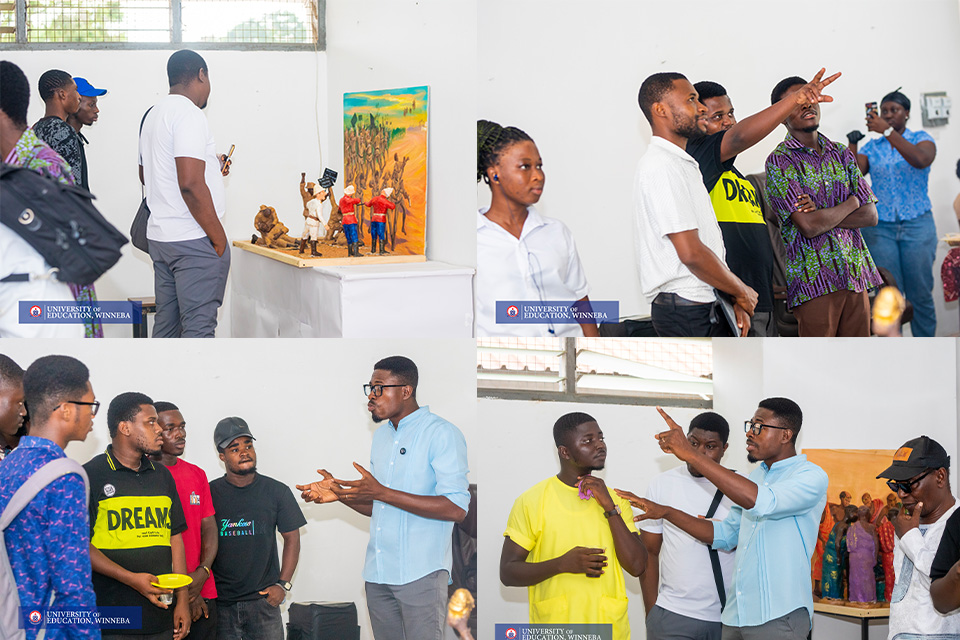
The exhibition attracted students, lecturers, artists and members of the public, offering an educational platform that aligns with UEW’s mandate to advance teaching, research and community engagement through creative and cultural scholarship.
“Embodied Histories” stands as a demonstration of how visual art at the University of Education, Winneba, can serve both as academic enquiry and public history, deepening national consciousness while preserving Ghana’s past for future generations.