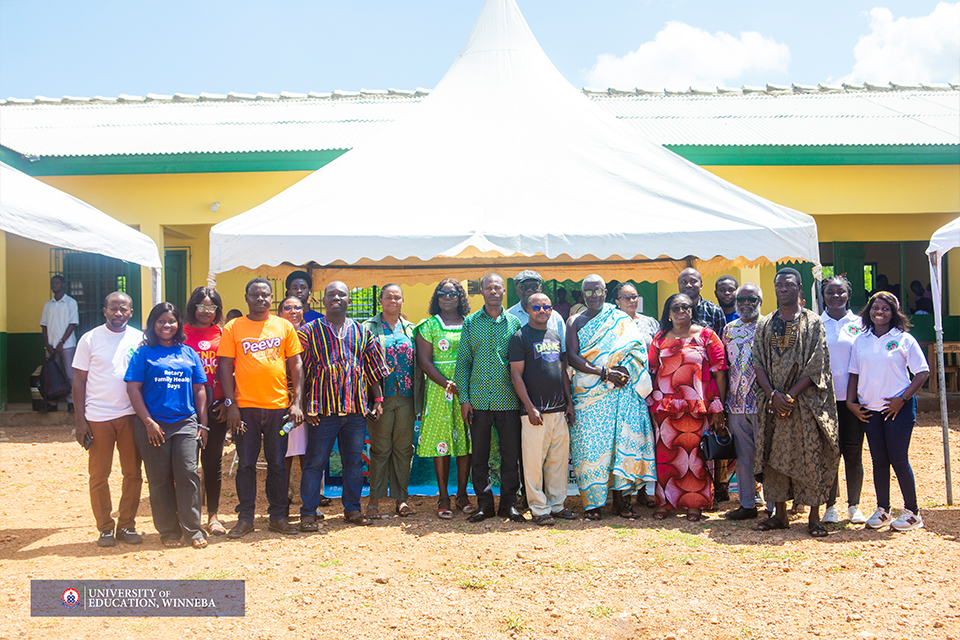
UEW SACOST Exhibition Showcases Young Innovators Developing Practical STEM Solutions


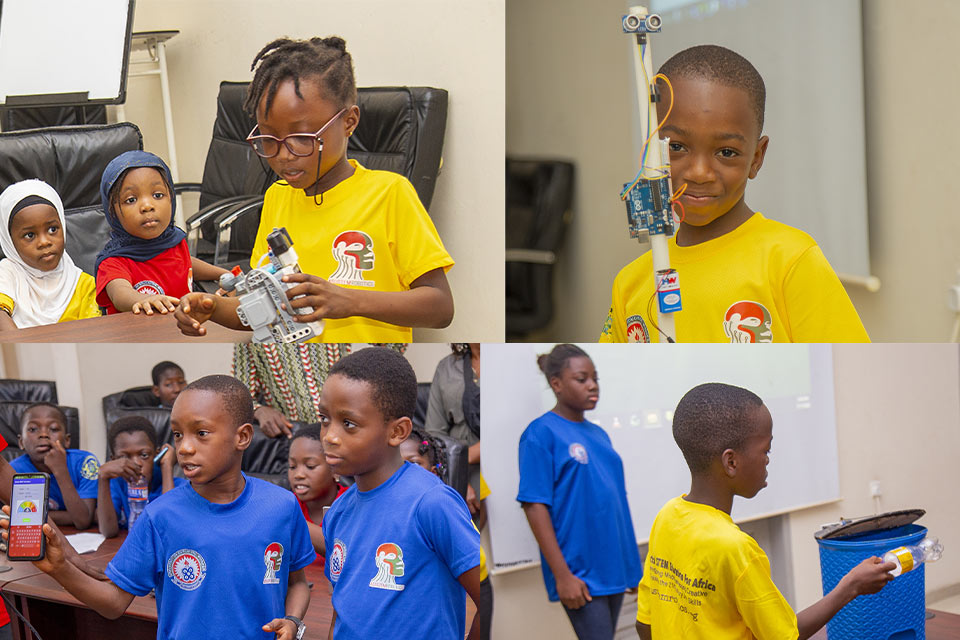
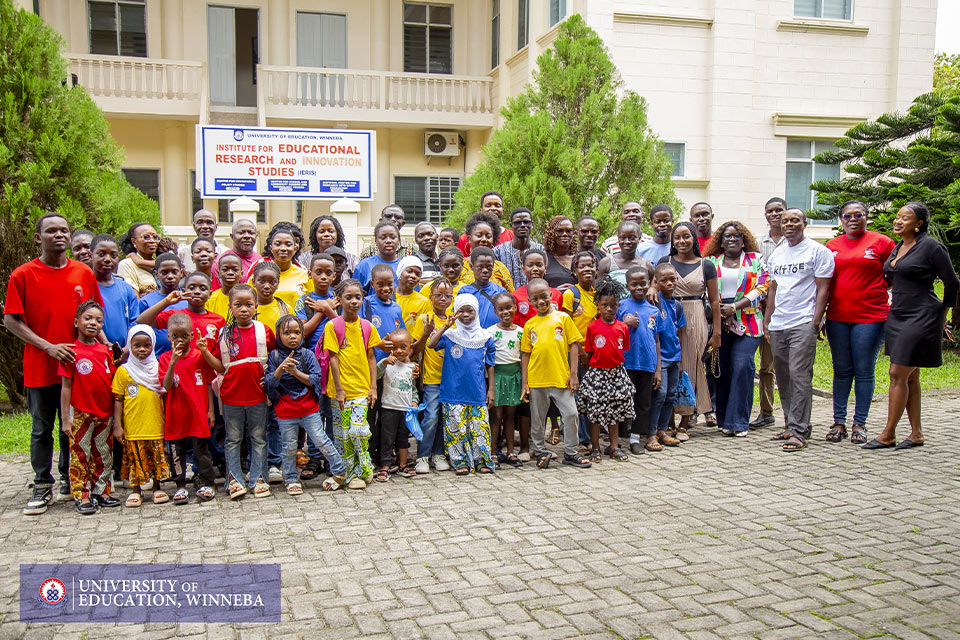
Young learners participating in the University of Education, Winneba's (UEW) Centre for School and Community Science and Technology Studies (SACOST) Community STEM Club have showcased innovative technology projects designed to address everyday societal challenges.
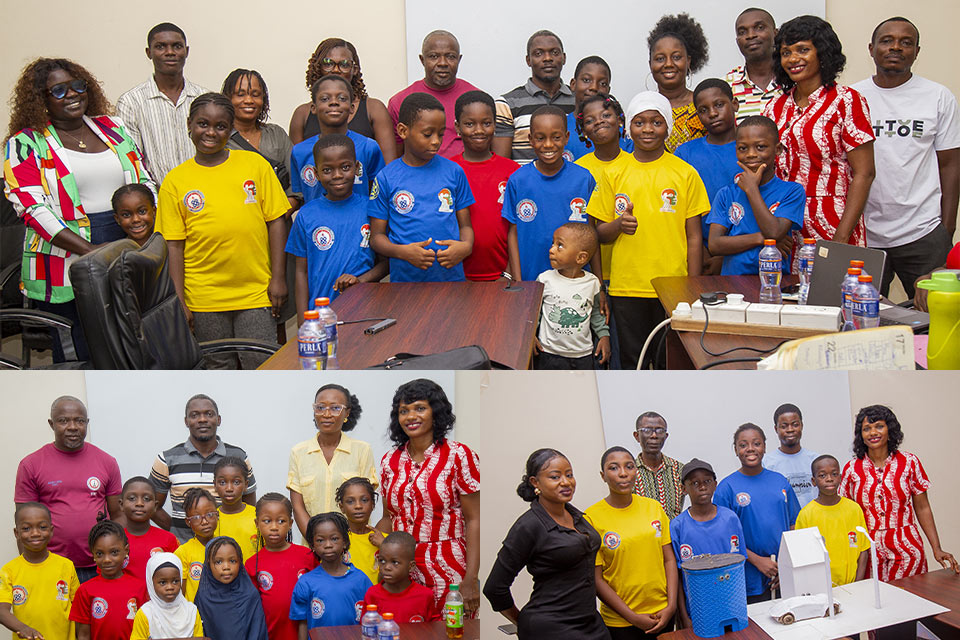
The exhibition at the Institute for Educational Research and Innovation Studies (IERIS) Conference Room on Saturday, 11th July, 2026, brought together parents, facilitators, partners and learners to witness practical solutions developed by participants through the Centre's Community STEM Club initiative.
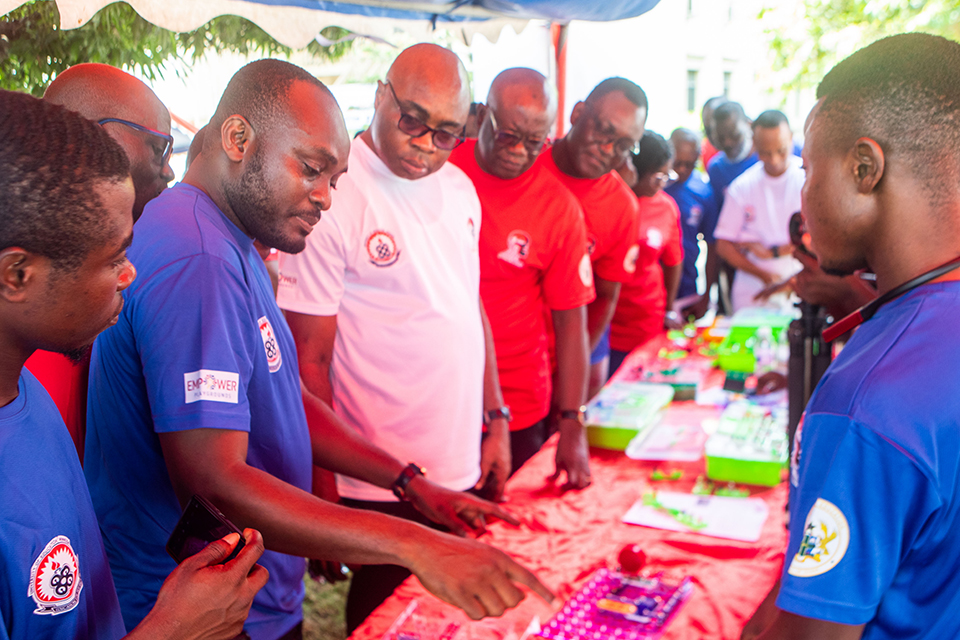
The exhibition featured projects including an automated toll gate system, a smart street lighting system, a smart walking stick for the visually impaired, a smart dustbin and a Body Mass Index (BMI) calculator mobile application, all developed by learners using robotics, programming and digital technologies.

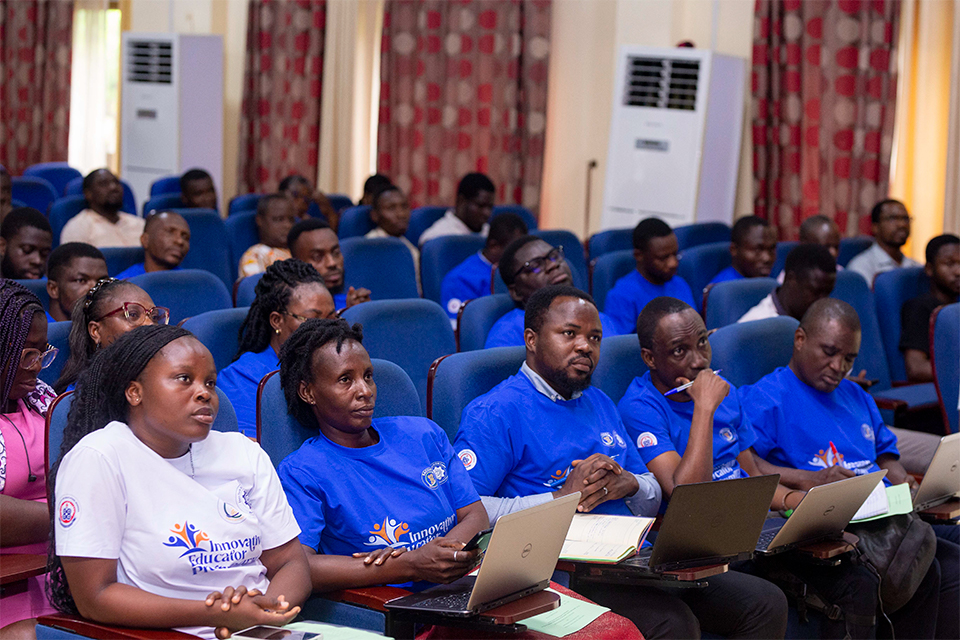
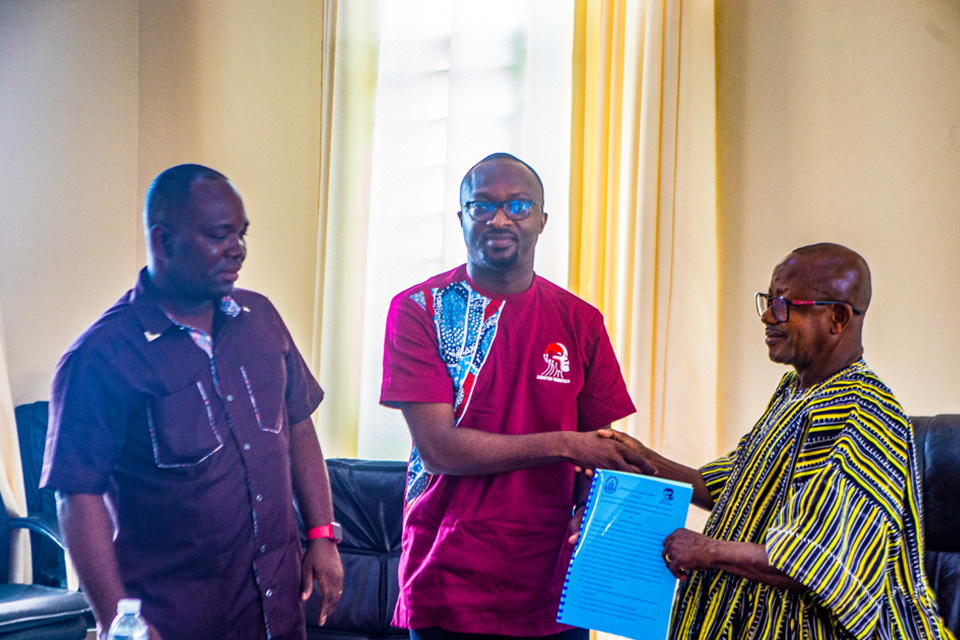
Welcoming participants, Prof. Peter Akayuure, the Head of SACOST, described the exhibition as a significant milestone in translating classroom learning into practical skills and innovations that prepare young people for future opportunities. He explained that the Community STEM Club is a collaborative initiative between SACOST and Asustem Robotics Technologies under a memorandum of understanding that combines academic supervision with technical expertise in robotics, programming and web technologies.
Prof. Akayuure disclosed that the programme had attracted interest from other districts seeking to replicate the initiative. It highlights its growing impact on science and technology education.
He commended learners aged between five and fifteen years for mastering robotics, programming and web technologies in a short period. He encouraged them to continue developing their creativity, critical thinking and problem-solving skills. Prof. Akayuure also expressed appreciation to parents for investing in their children's STEM education and acknowledged the commitment of supervisors, SACOST Associates, Asustem Robotics Technologies and the University for supporting the initiative.
Prof. Akayuure urged parents to engage the learners during the exhibition to appreciate the knowledge and practical competencies they had acquired.

Dr. Ethel Addae, one of the programme supervisors, explained that the exhibition reflected projects undertaken by three different age groups with learners aged five to seven introduced to robotics, those between eight and ten developing mobile applications using the Massachusetts Institute of Technology (MIT) App Inventor platform and participants aged 11 to 15 designing Arduino-based electronic systems.
She announced intentions to organise future exhibitions in public spaces, aimed at highlighting the works of learners to enhance community engagement and stimulate increased participation in forthcoming cohorts.
Presenting their projects, the learners demonstrated how Arduino-based technologies could be applied to solve real-life challenges through automated systems.
One group explained that its automated toll gate project uses ultrasonic sensors, light-dependent resistors, servo motors and an Arduino Uno microcontroller to detect approaching vehicles, automatically open the gate and activate street lighting according to surrounding light conditions.
Another team demonstrated a smart walking stick designed to improve the mobility and safety of visually impaired people by detecting nearby obstacles and alerting users through audio signals.
Learners aged eight to ten also presented a Storybook as well as Health and BMI Calculator mobile applications developed to help users assess healthy body weight and promote informed lifestyle choices.

Mr. Ahiable Aikins, the Ag. Business Operations Manager of Asustem Robotics, commended the learners for their remarkable progress. He noted that they had successfully assembled robots, understood the functions of sensors and written introductory computer codes despite the complexity of the technologies involved.
He announced that the next cohort would be introduced to advanced concepts including coding for robotics, artificial intelligence, machine learning, speech recognition, text-to-speech applications and enhanced security features for learners' technology projects.
Mr. Aikins encouraged parents to sustain their support for the programme, assuring them that subsequent cohorts would build on the foundation established by the current participants and further strengthen the learners' practical STEM competencies.
This demonstrates the University's commitment to nurturing the next generation of scientists, engineers and technology innovators.