GMD-UEW Improves Research and Professional Writing Abilities of 2026 Mentees


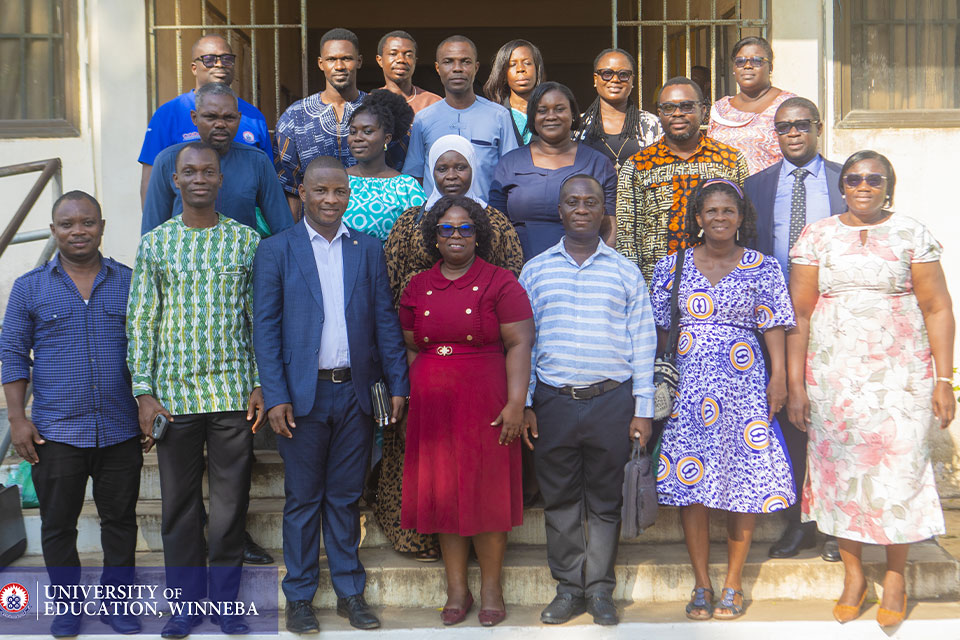
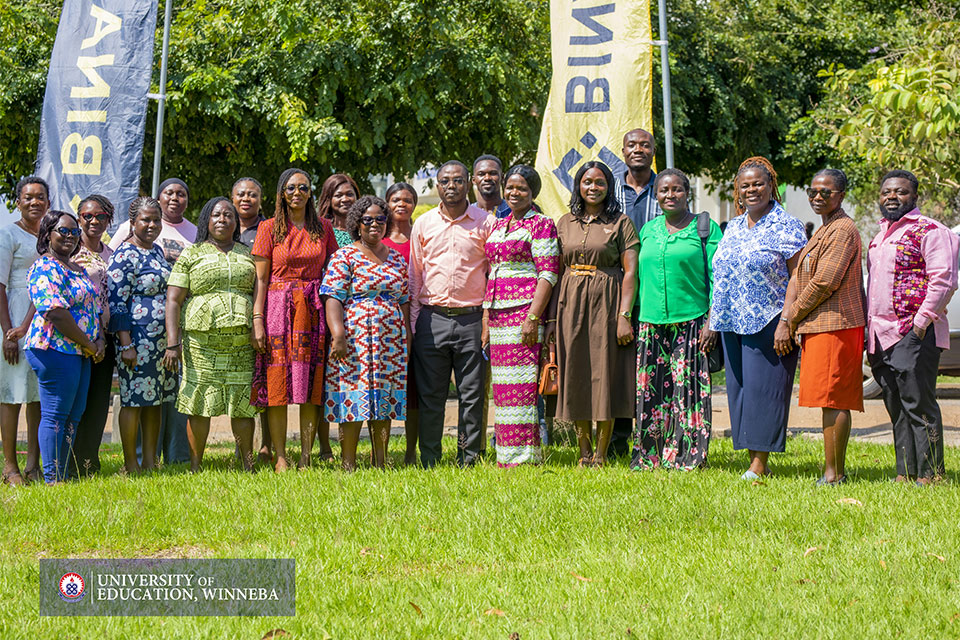
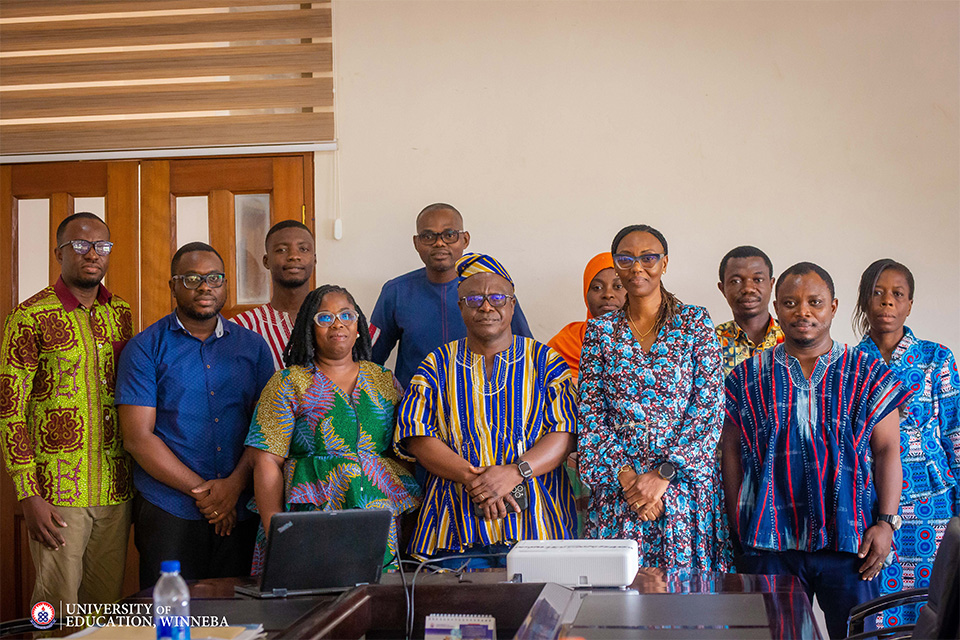
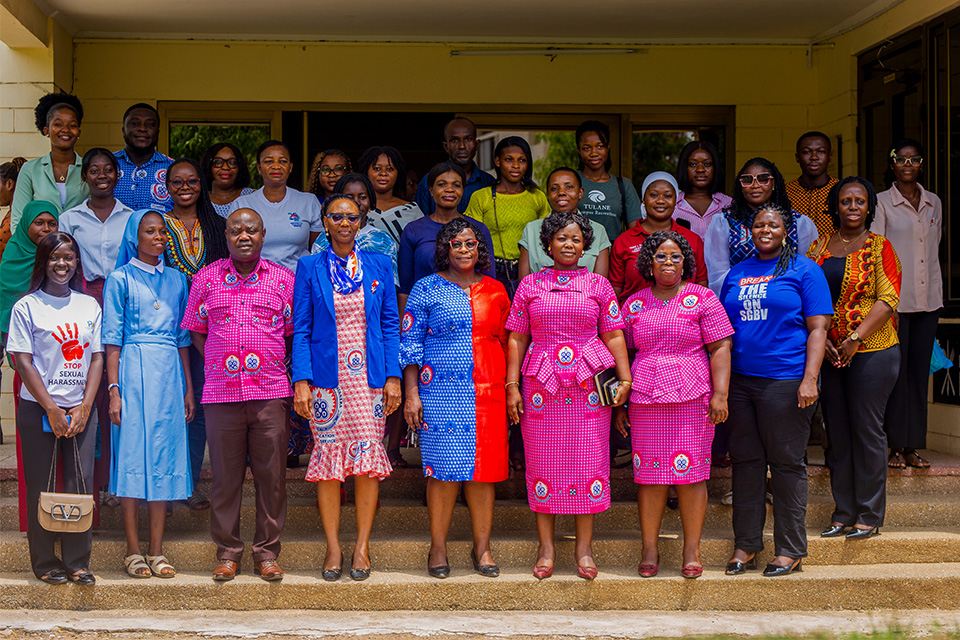
The Gender Mainstreaming Directorate (GMD) of the University of Education, Winneba (UEW) has organised a mentorship workshop at the Ajumako Campus to strengthen staff competencies in academic publishing, administrative writing and professional development.
The workshop, held on Thursday, 5th November, 2026, formed part of the University's ongoing mentorship programme to promoting gender equality, leadership development and career advancement among staff.

Opening the workshop on behalf of the College of Languages Education Management, Mr. Francis Kwantwi Barima, the Acting College Registrar and Chairperson of the programme, commended the GMD for the initiative. He described mentorship as vital to nurturing talent and helping staff realise their professional potential.
He stressed that academic writing and effective administrative communication were essential competencies for career progression and urged participants to apply the knowledge gained to their professional responsibilities.
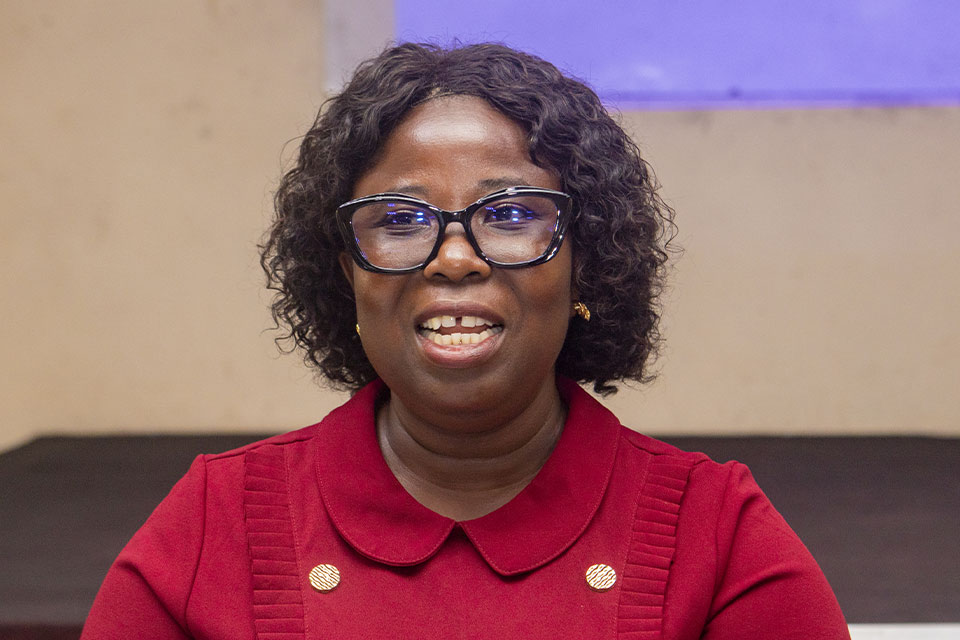
Ms. Patricia Kaitoo, the Director of the GMD-UEW, explained that the workshop was designed to sharpen mentees' research and writing skills while equipping teaching and administrative staff with practical strategies to improve scholarly publications and professional documentation.
Speaking on Writing and Publishing in Reputable Journals, Prof. Kwasi Adomako, the Vice-Dean of the Faculty of Ghanaian Languages Education, Ajumako Campus, highlighted the importance of research publications to academic progression and institutional visibility.
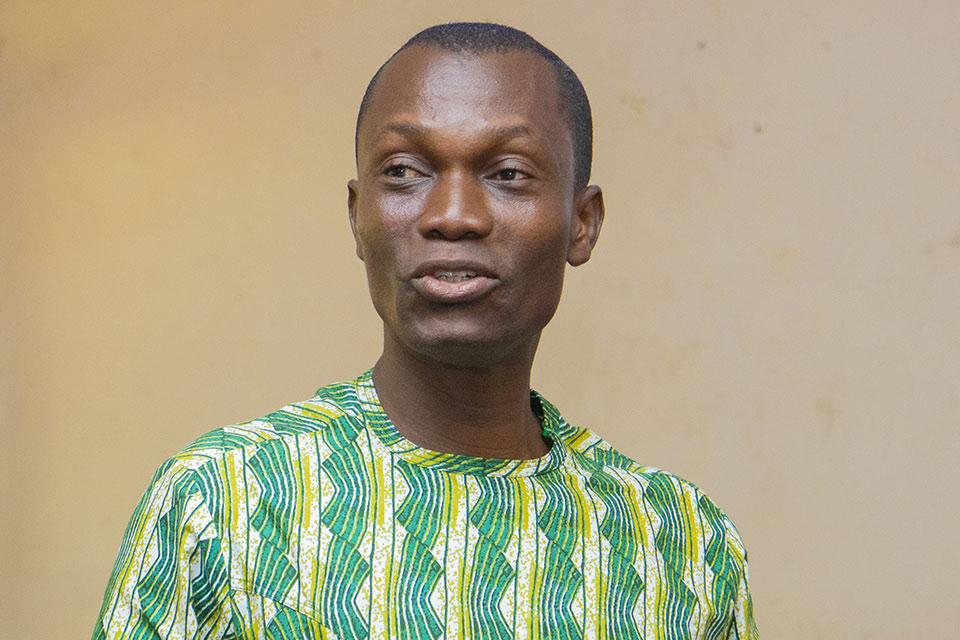
He identified research output, effective teaching and community service as key pillars of career advancement. He urged academic staff to regard publishing not merely as a promotion requirement but as a professional responsibility that contributes to knowledge creation and enhances the University's reputation.
Prof. Adomako encouraged participants to draw research ideas from postgraduate studies, literature reviews, conferences and contemporary societal challenges. He also advised them to identify suitable journals, follow publication guidelines, seek mentorship and establish consistent writing schedules.
In addressing barriers to research productivity, he identified heavy teaching workloads, limited self-confidence, family commitments and poor time management as key challenges. He urged faculty to collaborate, maintain consistency and dedicate time to scholarly work. Furthermore, he encouraged researchers to view peer-review feedback constructively and persevere through revisions to enhance the quality of their manuscripts.
The discussion also examined the responsible use of artificial intelligence (AI) in scholarly publishing. Responding to concerns about journals scrutinising AI-generated content, Ms. Patricia Kaitoo emphasised the importance of ethical AI use and disclosed that the Directorate would consider further training to guide staff on its appropriate application in academic work.
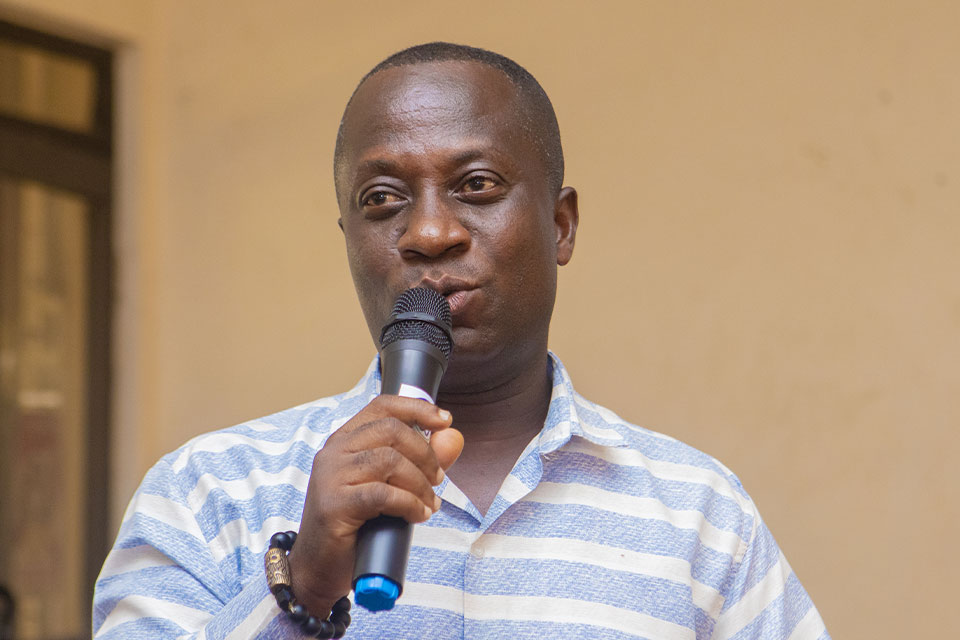
In the second presentation, “Writing for Career Progression and Professional Growth: The Registry in Focus,” Mr. Prince Asiedu, Deputy Registrar and Head of Planning, underscored the importance of effective administrative writing in professional advancement, particularly for staff seeking leadership positions.
He discussed various forms of administrative writing, including position papers, concept papers, proposals and reports, emphasising the need for well-structured, evidence-based documents that demonstrate professional competence and contribute to institutional decision-making.
Drawing on practical examples, Mr. Asiedu encouraged administrators to identify institutional challenges and develop research-based proposals capable of driving meaningful improvements. He also cautioned against relying on confidential committee reports and other documents unsuitable for promotion purposes.
He urged participants to cultivate regular reading and writing habits, pursue continuous professional development and collaborate with colleagues to produce impactful work that contributes to the University's growth.
The workshop reaffirmed the GMD's commitment to strengthening staff capacity through mentorship, professional learning and initiatives that support equitable career development across the University.