UTAG-UEW Raises Awareness of Breast Cancer Through Symposium and Screening


The University of Education, Winneba (UEW) Chapter of the University Teachers Association of Ghana (UTAG) hosted a one-day Breast Cancer Awareness Symposium and Screening event to educate and empower the University community on proactive steps towards early detection and treatment of breast cancer.
Held on Wednesday, 29th October 2025, at the North Campus Mini-Conference Room, the event was part of the global October Breast Cancer Awareness Month campaign themed “My Breast, My Life.” It included free screening and counselling sessions conducted by medical professionals from Ridge Hospital and the UEW Health Services Directorate.
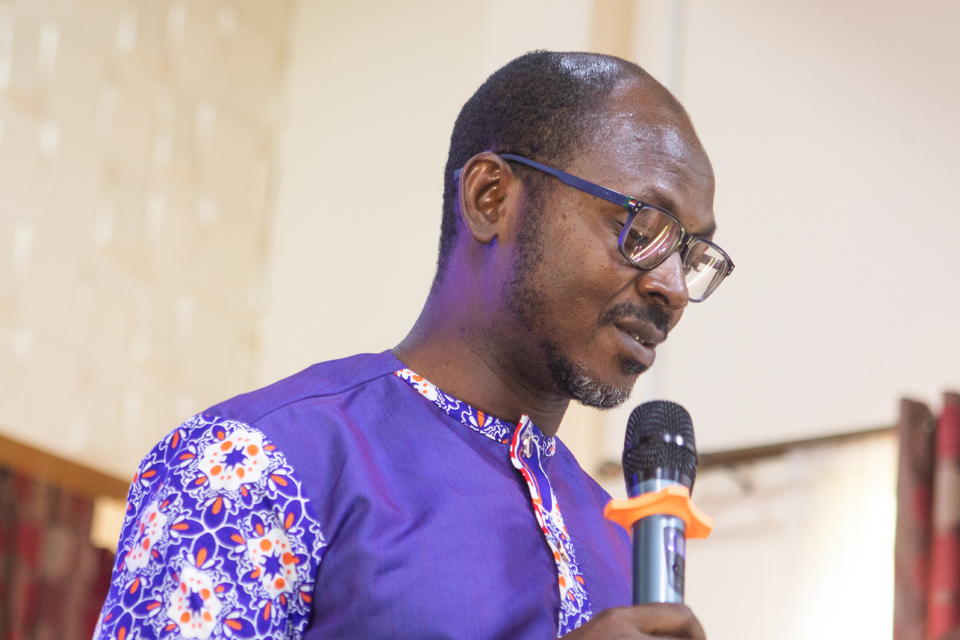
Rev. Dr. Ebenezer Amanor-Lartey, Vice President of UTAG National, emphasised the pressing need for increased awareness and regular screening, lamenting the ongoing trend of late detection that continues to claim lives across the country. “Each October, we join the global community to shine a light on breast cancer. Early detection saves lives; yet in Ghana, an estimated 70% of breast cancer cases are detected late, making treatment much harder,” he stated. Rev. Dr. Amanor-Lartey expressed hope that the symposium would equip them with knowledge and motivation to act and educate others.
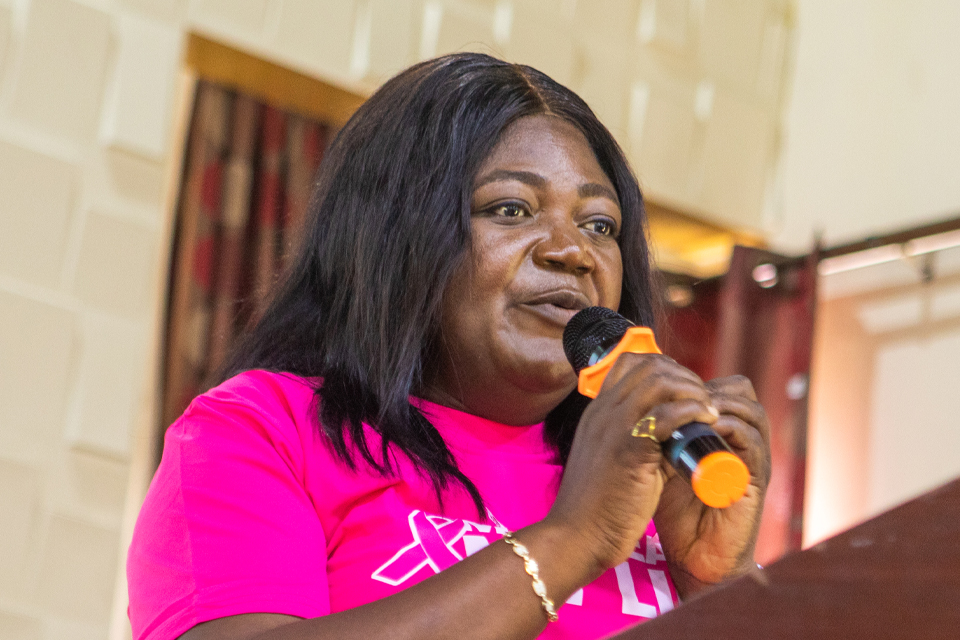
Ms. Barbara Amoako Kissi, Women Executive Officer of UTAG-UEW, highlighted the significance of community-driven advocacy in fighting breast cancer. “Today we gather as a community to learn, share and act. Breast cancer affects countless lives, women and some men but through awareness, education and lifestyle change, we can save lives,” she said.
Ms. Barbara Kissi appreciated the collaboration with the University Hospital and Greater Accra Regional Hospital, commended survivors who shared their stories, encouraged participants to commit to advocacy and regular self-examinations, and urged loved ones to get screened.

Chairing the event, Prof. Samuel Alhassan Issah commended the UTAG Women’s Executive for organising a forum that addresses one of the most pressing health concerns among women. He emphasised that breast cancer is treatable when detected early and encouraged continuous education and awareness to eliminate misconceptions surrounding the disease. “We must support awareness efforts and ensure that both women and a small percentage of men are aware that they can be affected,” he remarked, calling for sustained institutional support to make screening and awareness a regular practice on campus and beyond.
The keynote speaker delivered an insightful and practical lecture on the causes, symptoms, prevention and management of breast cancer. She highlighted its global prevalence, noting that one in eight women is likely to be diagnosed with the disease during their lifetime. She advised that the most important step is for women to know their own breasts, explaining that regular self-examinations are key to detecting any unusual changes early.
She further recommended maintaining physical activity, managing body weight, reducing alcohol intake, avoiding tobacco and embracing breastfeeding for its protective benefits. She urged open conversations and community support to combat the stigma surrounding breast cancer.

The symposium also included heartfelt testimonies from two breast cancer survivors sharing their journeys of pain, hope and recovery. Their stories reinforced the importance of early detection, family support and faith in overcoming the disease. One survivor recounted neglecting a lump until pain became unbearable, resulting in a late-stage diagnosis. She underwent surgery, chemotherapy, radiotherapy and hormone therapy, describing the experience as painful and costly but ultimately life-saving. “Do not hide, do not be ashamed; tell someone, seek help early and fight for your life. Early detection changed my outcome,” she advised.
Another survivor, accompanied by her husband, spoke about the emotional and physical toll of treatment and the strength of family support. “Treatment is emotionally and physically tough — chemo causes hair loss, nausea and deep fatigue — but with support, faith and persistence, recovery is possible,” she said, urging participants to support loved ones and help reduce the stigma associated with breast cancer.
The symposium concluded with free breast cancer screening and counselling, providing practical demonstrations on self-examination techniques and follow-up care information. The event reaffirmed UTAG-UEW’s dedication to safeguarding the health and well-being of its members and the wider university community through education, awareness and preventive measures.