UEW Conference Calls for Enhanced Research to Support Sustainable Development


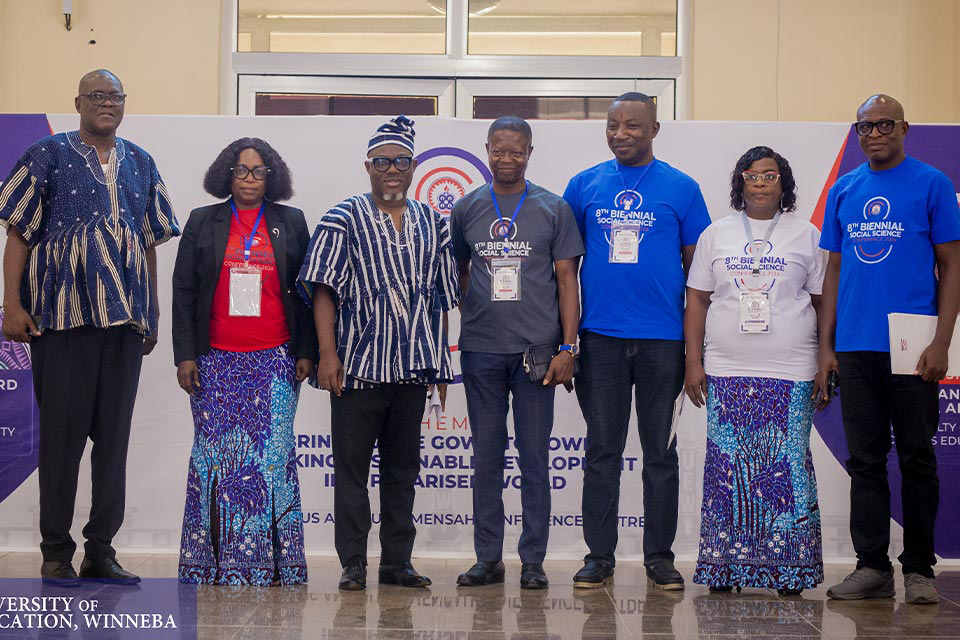
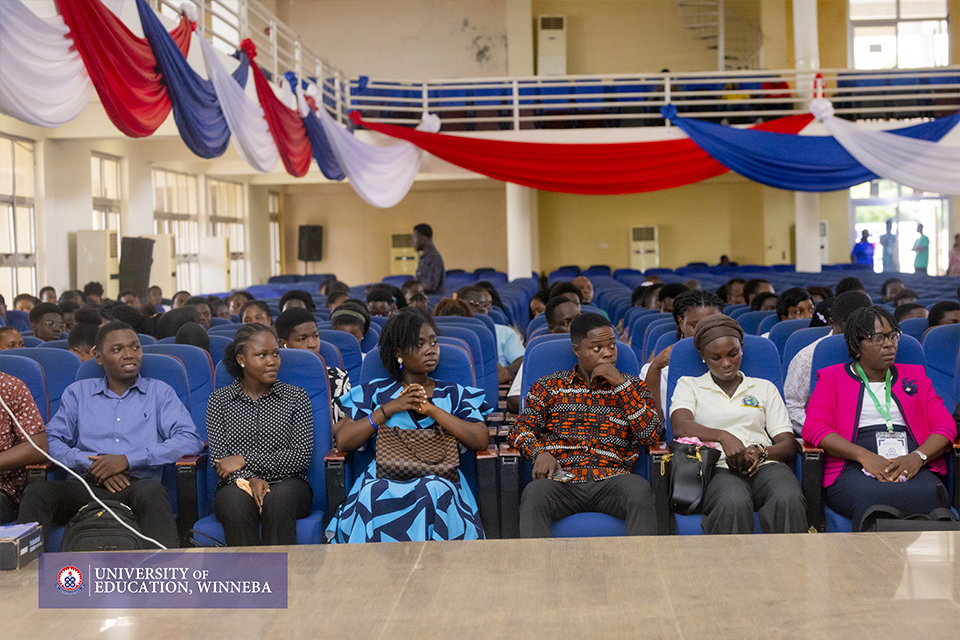
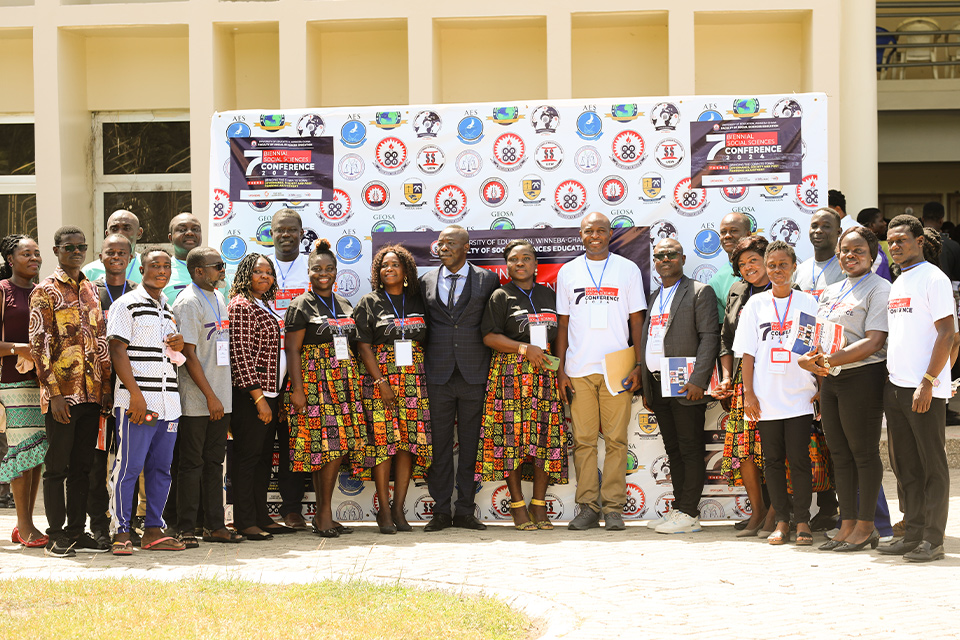
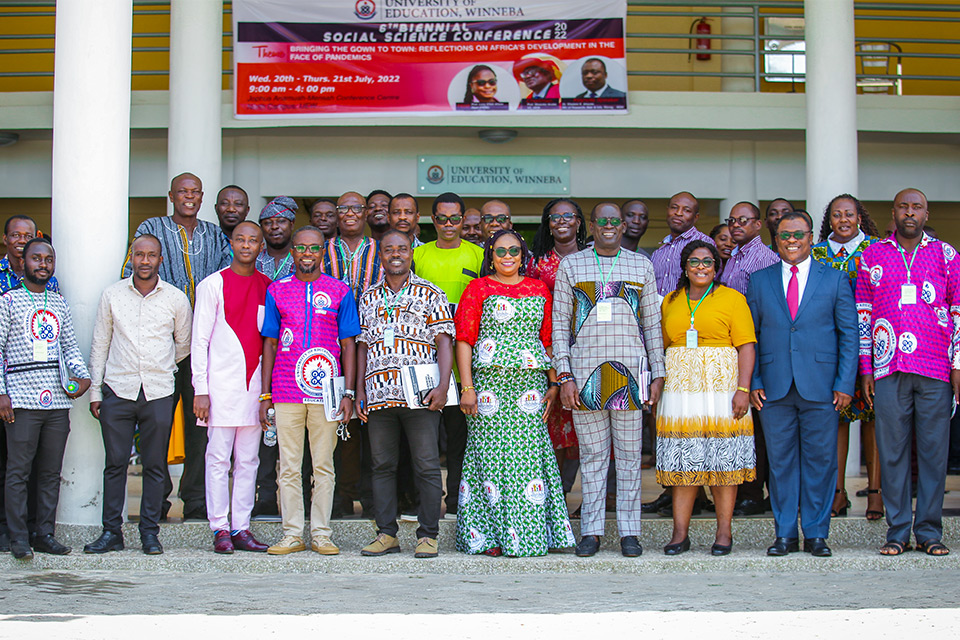
The University of Education, Winneba (UEW) has hosted the 8th Biennial Social Science Conference with a renewed commitment to advancing community-driven scholarship and ensuring that academic research translates into practical solutions for societal challenges.
The two-day conference, organised by the Faculty of Social Sciences Education (FSSE) and the Faculty of Liberal and Social Studies Education (FLSSE), took place from Wednesday, 24th to Thursday, 25th June, 2026, at the Jophus Anamuah-Mensah Conference Centre. The conference was under the theme: “Bringing the Gown to Town: Seeking Sustainable Development in a Polarised World.”

Delivering the welcome address, Prof. Lucy Effeh Attom, the Dean of FLSSE, highlighted the importance of collaboration and dialogue in addressing growing social, political and economic divisions that threaten sustainable development. She noted that universities have a critical responsibility to create spaces for inclusive conversations, generate evidence-based solutions, and strengthen partnerships that respond to society's needs.
“Universities have a critical role to play in facilitating conversations and generating practical solutions to societal problems,” Prof. Lucy Attom stated, expressing confidence that the conference would inspire new ideas and partnerships for building resilient and equitable communities.
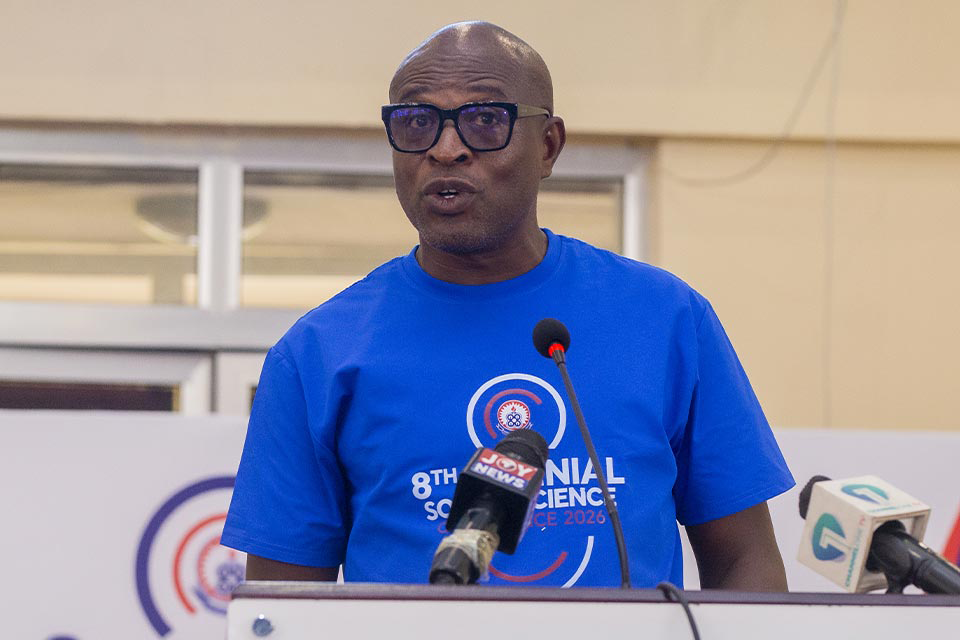
Prof. Anselm Komla Abotsi, the Dean of FSSE, described the conference as a continuation of UEW’s “Bringing the Gown to Town” agenda which seeks to bridge the gap between academic knowledge and societal realities. He explained that the initiative was designed to position universities as active partners in development by ensuring that research moves beyond academic spaces to influence policies, improve livelihoods and strengthen communities.
According to Prof. Abotsi, contemporary challenges such as political instability, economic uncertainty and social fragmentation require practical and evidence-based interventions from researchers and educators.

Chairing the opening session, Prof. Esther Yeboah Danso-Wiredu, the Pro-Vice-Chancellor of UEW, urged researchers to ensure that their findings are transformed into actions that improve lives and contribute to national development. She stressed that the relevance of academic work lies in its ability to address societal needs and encouraged participants to engage in discussions that would generate innovative solutions.
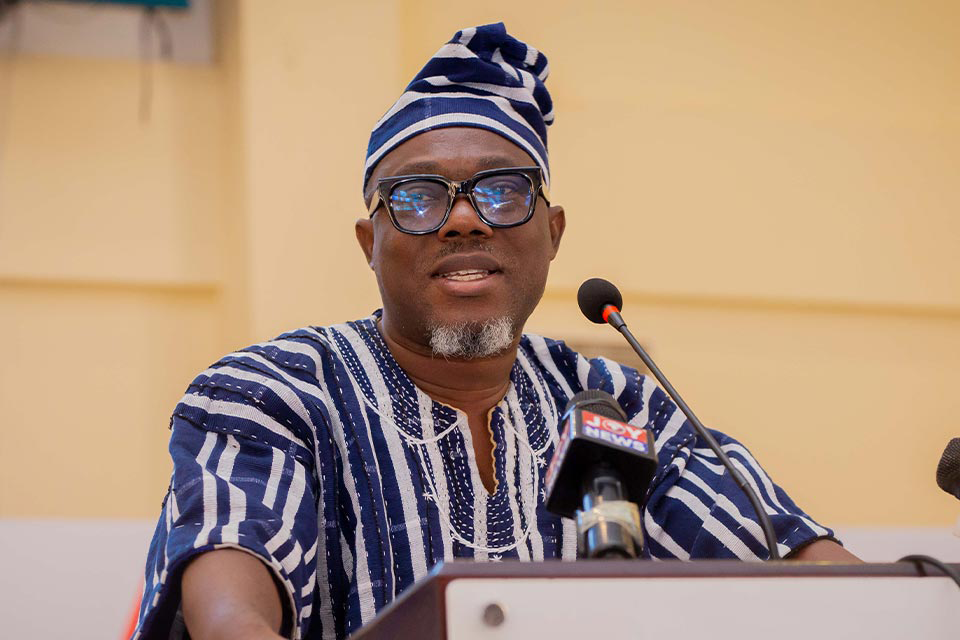
Prof. Ransford Gyampo, the keynote speaker and the Chief Executive Officer of the Ghana Shippers Authority, challenged universities to redefine their role by becoming institutions that facilitate dialogue, build public trust and promote social cohesion. He forewarned that sustainable development is difficult to achieve in societies characterised by deep political and ideological divisions, arguing that polarisation weakens cooperation and undermines long-term development efforts.
Prof. Gyampo called for a collaborative approach to knowledge creation that recognises community experiences and indigenous knowledge alongside academic expertise. He further urged universities to move beyond producing knowledge to becoming civic institutions that help address societal challenges.
Highlighting UEW’s unique role as Ghana’s premier teacher education institution, Prof. Gyampo noted that the University’s graduates serve as important links between knowledge and communities, making them key agents in promoting critical thinking, dialogue and social integration.
He also identified policy discontinuity as a major barrier to Ghana’s development and called for a national commitment to sustaining development initiatives beyond political transitions.
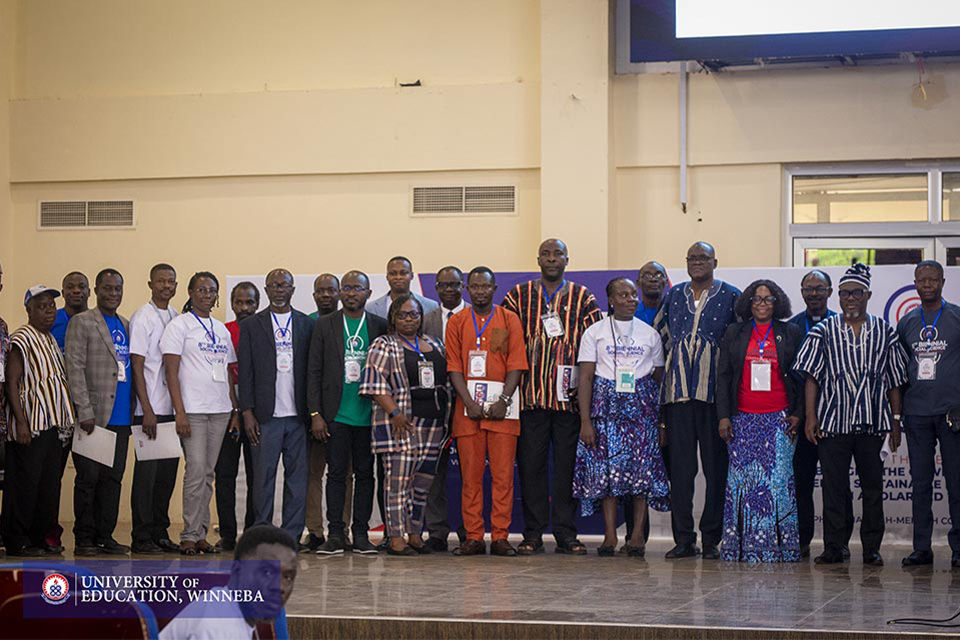
The conference continued with paper presentations, panel discussions and scholarly engagements across disciplines including economics, geography, political science and social studies, as participants sought practical pathways towards sustainable development.
Through the conference, UEW continues to reaffirm its commitment to impactful research, interdisciplinary collaboration and the use of knowledge to transform communities and advance national development.