
UEW Researchers Enhance Skills in Afrobarometer Data Tools


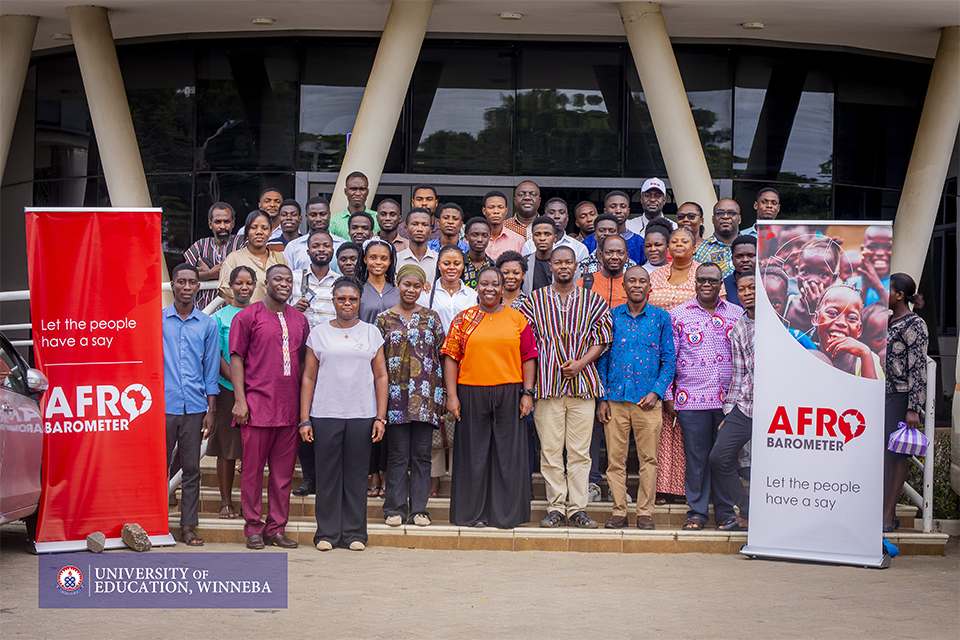
The University of Education, Winneba (UEW) has strengthened the research capacity of lecturers, researchers and students through a two-day workshop on using Afrobarometer data and analytical tools to support evidence-based research, policy analysis and informed decision-making.
Organised by the Department of Economics Education in collaboration with the Afrobarometer Ghana team, the workshop equipped participants with practical skills in accessing, analysing and interpreting Afrobarometer survey data for academic research and policy engagement.
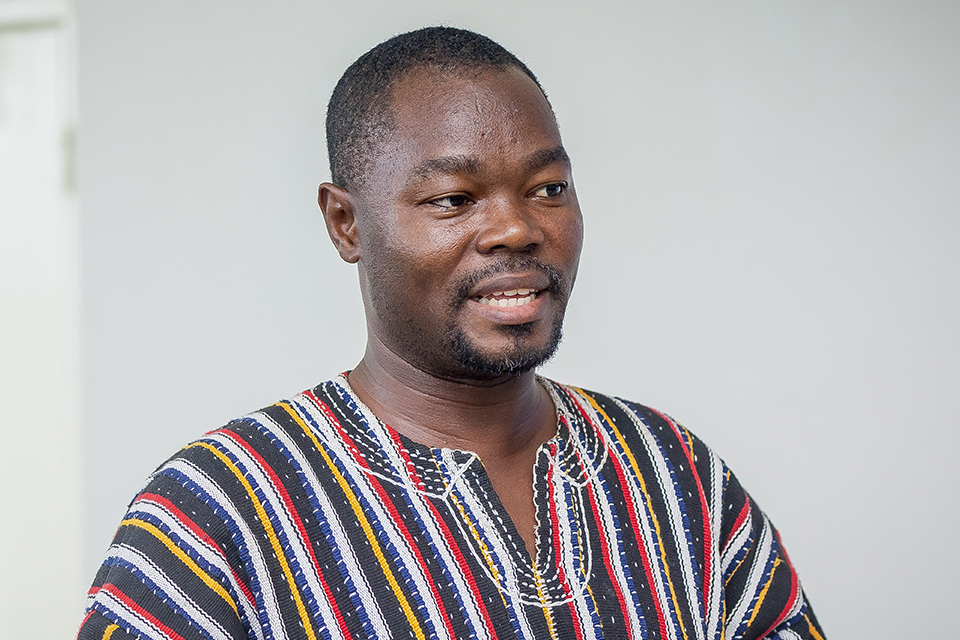
Welcoming participants, Dr. Alhassan Atta Quayson, the Head of the Department of Economics Education, described the workshop as a strategic opportunity to expose researchers and students to credible datasets that could improve the quality of academic research and strengthen evidence-based solutions to national development challenges.
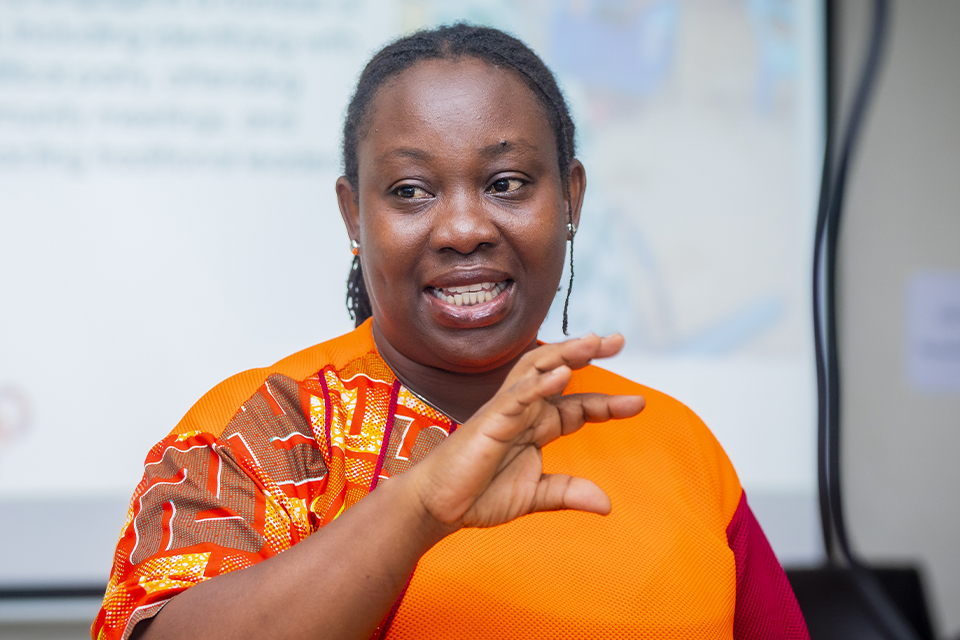
Ms. Maame Akua Amoah Twum, the Communications Manager for Afrobarometer, introduced participants to the organisation's mandate, research outputs and online resources. She highlighted the availability of survey questionnaires, publications, codebooks and downloadable datasets for researchers.
She demonstrated the Afrobarometer Online Data Analysis tool, showing participants how to analyse survey data, generate tables and charts, compare public opinion across demographic groups and examine issues such as the economy, education, climate change and social services.
Ms. Akua Twum encouraged researchers to make greater use of Afrobarometer resources and publication platforms. She noted that collaboration with the organisation could enhance academic visibility while contributing to policy-relevant research across Africa.
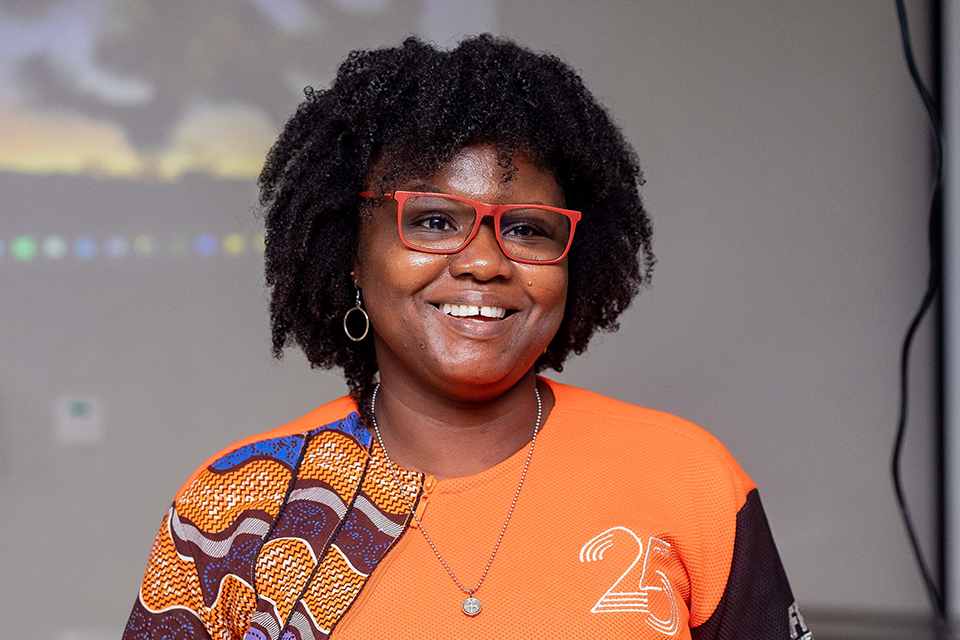
Ms. Mavis Zupork Dome, an Investigator for Afrobarometer Surveys, explained the organisation's rigorous questionnaire development and scientific sampling procedures. She stressed that nationally representative data are produced through carefully designed methodologies that ensure eligible citizens have an equal opportunity to participate.
She urged researchers to combine Afrobarometer perception data with other datasets to produce stronger analyses capable of tracking changes in public attitudes, evaluating policy outcomes and informing evidence-based recommendations.
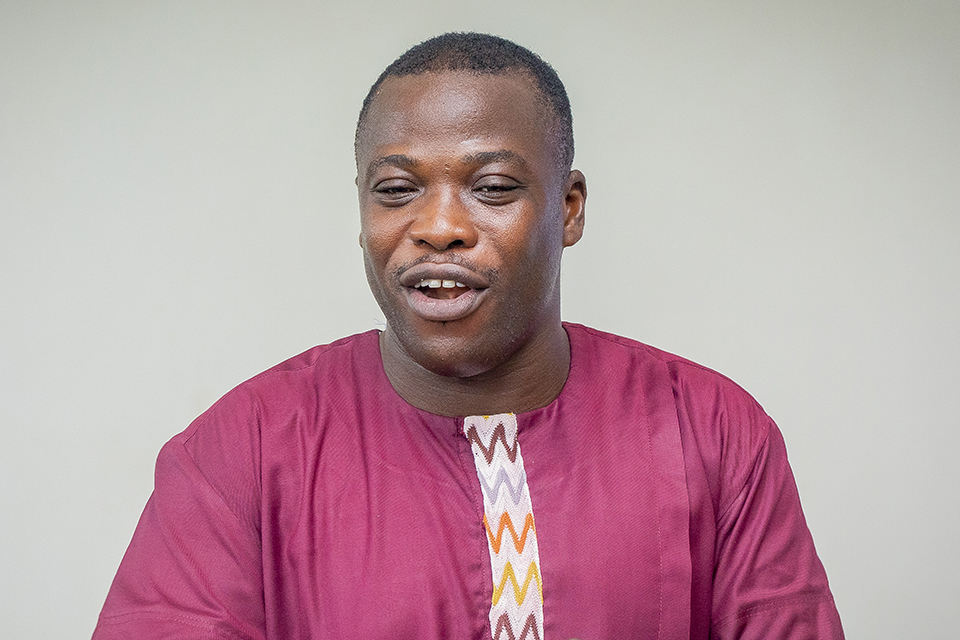
Dr. Isaac Doku, a Senior Lecturer at the Department of Economics Education, encouraged participants to integrate Afrobarometer data into their research. He explained that the datasets provide valuable statistics and visual evidence for strengthening problem statements and supporting advanced empirical analysis.
The workshop concluded with practical group exercises during which participants applied the Afrobarometer Online Data Analysis tool to investigate selected research topics, interpret survey findings and present evidence-based analyses.
The training forms part of ongoing collaboration between UEW and Afrobarometer to strengthen research capacity and promote the use of reliable data in addressing national and continental development challenges.