UEW Pro-VC Urges Stronger Journalism Education Against Disinformation


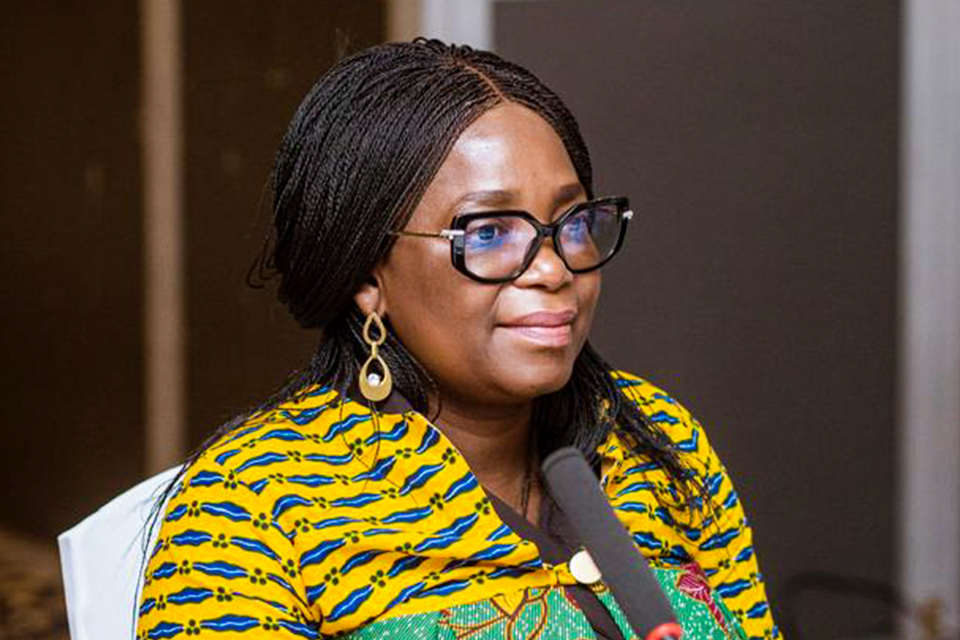
The Pro-Vice-Chancellor of the University of Education, Winneba (UEW), Prof. Esther Yeboah Danso-Wiredu, has called for stronger journalism education, enhanced digital competencies and ethical media practice to counter the growing threat of disinformation and information manipulation in the Sahel and West Africa.
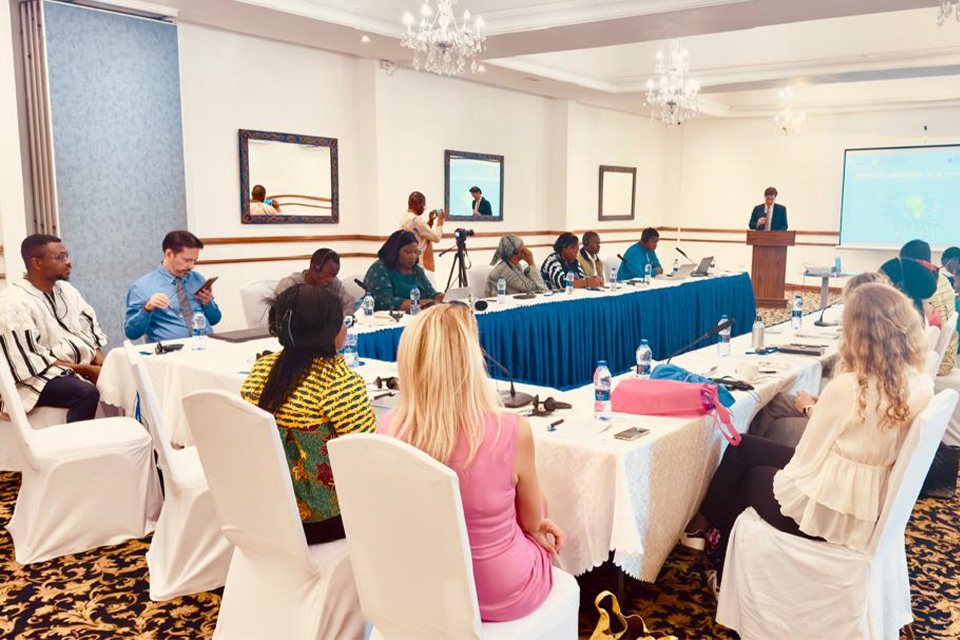
Delivering a welcome address on behalf of the Vice-Chancellor, Prof. Stephen Jobson Mitchual, at the opening ceremony of the STREAC (Strengthening Resilience and Competence in the Field of Disinformation in the Sahel) Autumn School on Wednesday, 11th November, 2026, at La Palm Royal Beach Hotel in Accra, Prof. Esther Danso-Wiredu underscored the urgent need to equip journalism educators and media professionals with the knowledge and skills to safeguard information integrity in an increasingly complex digital environment.
She observed that although digital technologies and social media had expanded opportunities for communication and democratic participation, they had also intensified the spread of misinformation, manipulated narratives and the misuse of emerging technologies, particularly artificial intelligence (AI). These developments, she cautioned, threatened public trust, social cohesion and the quality of democratic discourse.
She stressed that contemporary journalism must extend beyond news gathering and reporting to embrace critical thinking, digital competence, ethical judgement, technological awareness and a commitment to truth and accuracy. She further challenged journalism educators to prepare future practitioners to interrogate information, verify sources, identify manipulated content and use emerging technologies responsibly.
Prof. Esther Danso-Wiredu described the STREAC initiative as a timely intervention and an important platform for strengthening journalism education through media and information literacy, collaborative research, professional development and international knowledge exchange.
She underscored UEW’s commitment to its partnership with the Erich Brost Institute for International Journalism at TU Dortmund University. She noted that international academic collaboration is essential for addressing shared challenges in journalism and media development.
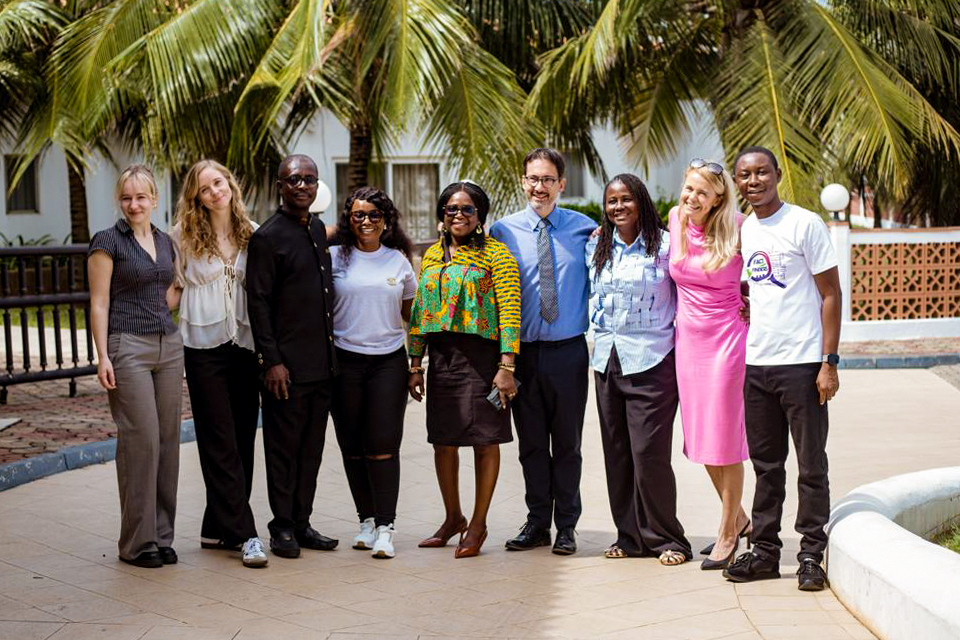
On behalf of the University, she thanked the Federal Republic of Germany and the German Federal Foreign Office for funding the STREAC Disinfo project. She also commended the Erich Brost Institute for its leadership. Finally, she acknowledged the vital contributions of UEW’s Department of Journalism and Media Studies.
The Pro-Vice-Chancellor emphasised that African institutions must take an active role in shaping global conversations on journalism, media development and information integrity rather than remain passive participants in these discussions.
She urged participants to apply the knowledge and competencies they gained during the Autumn School to improve teaching, strengthen research, promote responsible media practice and build more resilient information ecosystems across their respective countries. She also encouraged them to build lasting professional and institutional relationships beyond the programme.
The opening ceremony brought together H. E. Amb. Frederik Landshöft, Ambassador of the Federal Republic of Germany to Ghana; Prof. Dr Susanne Fengler, Director of the Erich-Brost Institute for International Journalism at TU Dortmund University and other distinguished guests.
The inaugural STREAC Autumn School was a three-day capacity-building conference held in Accra from Wednesday, 11th to Friday, 13th November, 2026. It brought together journalism educators and media professionals from 10 countries across the Sahel and West Africa to strengthen their capacity to address disinformation and build resilient information ecosystems. The programme was developed jointly by the Erich-Brost Institute for International Journalism at Technical University Dortmund and the Department of Journalism and Media Studies, University of Education, Winneba.
The STREAC Autumn School forms part of collaborative efforts to strengthen journalism education, promote information integrity and build regional resilience against disinformation.