UEW: Shaping Creative Talent Beyond the Classroom


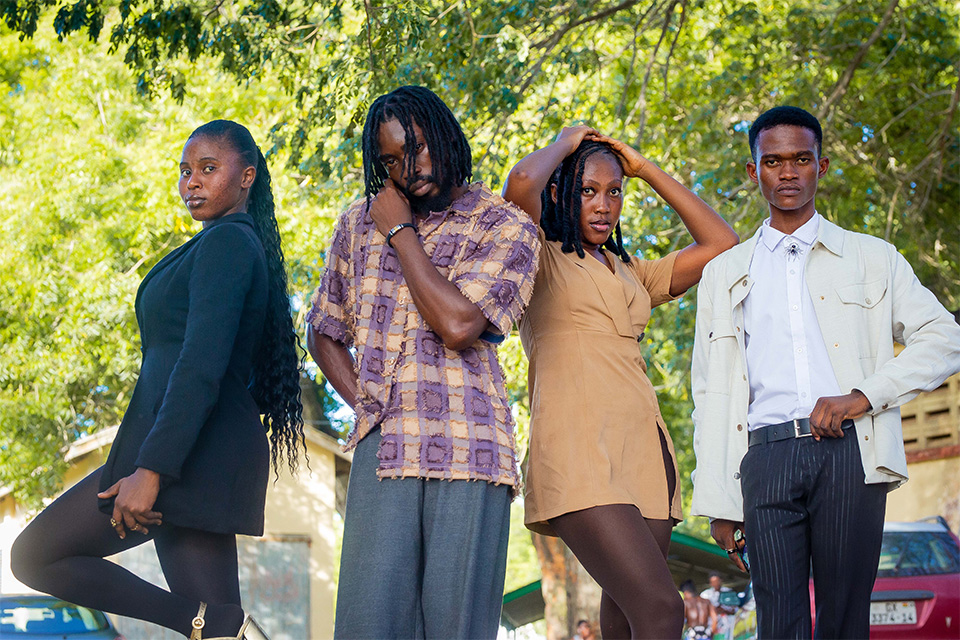
The University of Education, Winneba (UEW) has evolved from a teacher-training institution to a vibrant hub for nurturing creative talents, making bold strides in fashion, art and self-expression.
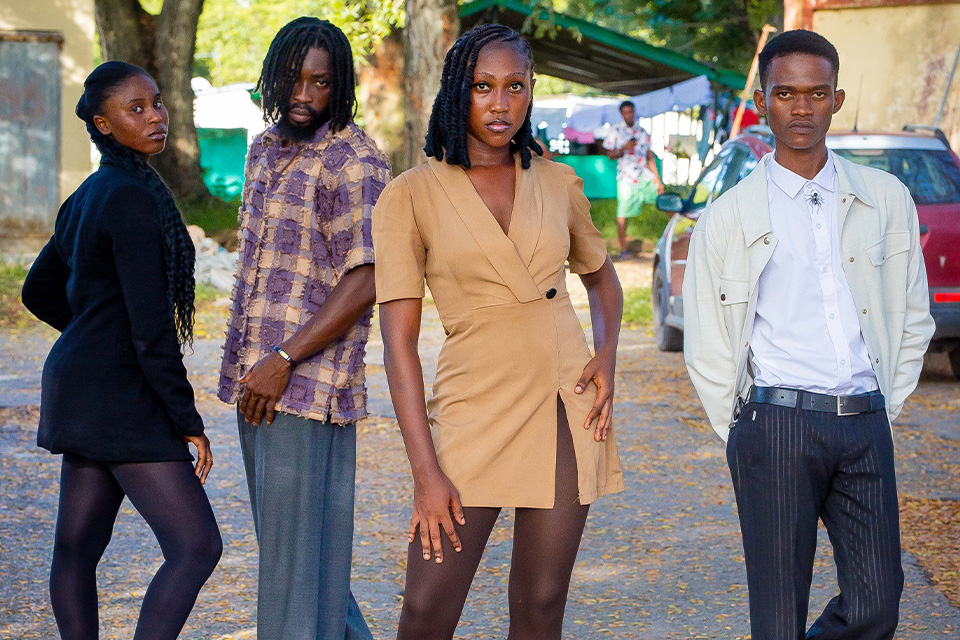
Among those redefining perceptions of the University are Mr. Elijah Asare, a National Service Person (NSP) at UEW and multidisciplinary creative; Ms. Pascaline Mensah, an NSP at UEW; and Mr. Dramani Abubakari, a Level 300 Art Education student, whose passion for fashion has become an extension of their artistic identities and professional aspirations.
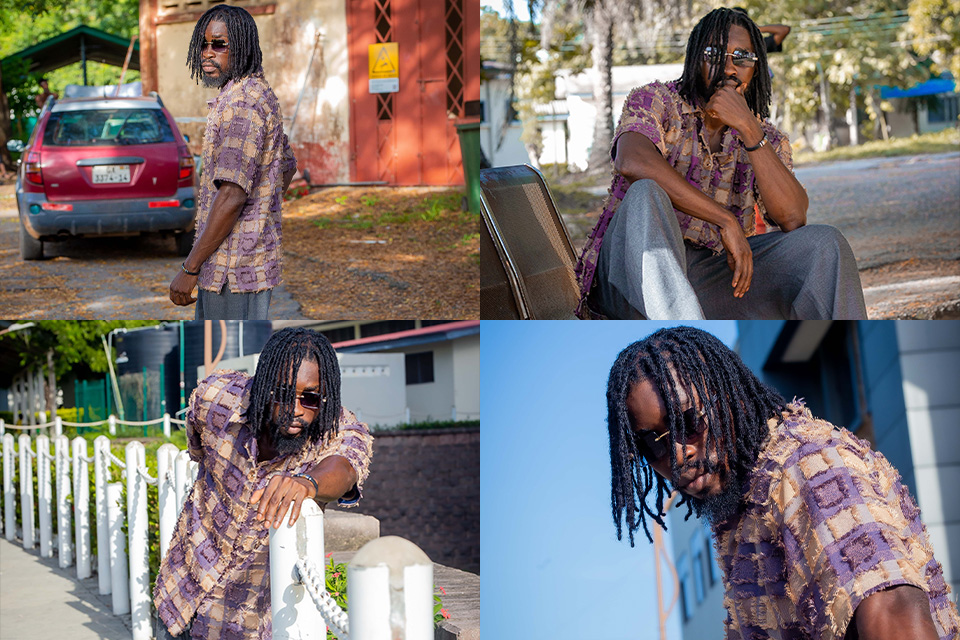
Mr. Asare, a creative director, artist, model, designer and stylist, believes that fashion goes beyond aesthetics. He views it as a platform for storytelling, sustainability and cultural expression.
Drawing inspiration from nature and environmental consciousness, he has developed a fashion philosophy centred on sustainable practices, advocating the intentional reuse, repurposing and prolonged use of garments before introducing new clothing into circulation.
His distinctive fashion journey gained momentum within UEW's Department of Art, where he began combining modern, traditional and vintage influences into unique and expressive looks. What started as a personal style soon evolved into a movement embraced by colleagues and peers who appreciated his bold approach to fashion and creativity.
"Fashion sustainability begins not only with recycling but with intentional use, care and continuity," he noted.
According to Mr. Asare, his exposure to student fashion shows, theatre productions and interactions with creative practitioners at UEW broadened his understanding of fashion as a powerful narrative tool capable of communicating identity, memory and transformation.
His work blends Ghanaian cultural symbols, textures and motifs with contemporary and experimental designs, creating a dialogue between heritage and innovation. Looking ahead, he hopes to establish a sustainable clothing brand, mentor emerging creatives and contribute to preserving and reinterpreting traditional Ghanaian textiles for a modern audience.
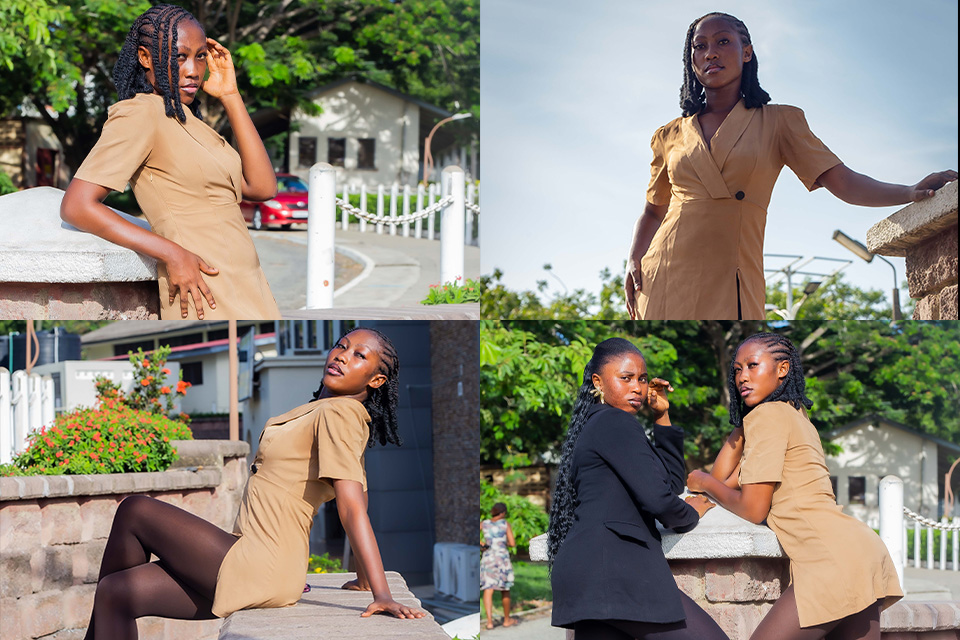
Like Mr. Asare, Ms. Pascaline Mensah views fashion as a language of confidence, intellect and purpose. Inspired by what she describes as "understated power," she embraces timeless styles that convey elegance, professionalism and self-assurance.
For her, fashion serves as a bridge between intellect and expression. Her experience at UEW has shaped her understanding of clothing as more than mere appearance, viewing it instead as a canvas through which individuals communicate their identity and values.
"Fashion is not just about following trends; it is about establishing who you are, what you stand for and how you choose to present your intellect to the world before you even speak," she explained.
Ms. Pascaline Mensah believes that fashion and professional ambition can coexist, enabling young people to express creativity while maintaining poise and purpose. She aspires to redefine modelling and creative direction through mentorship, coaching and the development of structures that support emerging talent. Through her personal brand, she aims to promote professionalism, high-fashion standards and the global competitiveness of Ghanaian fashion.
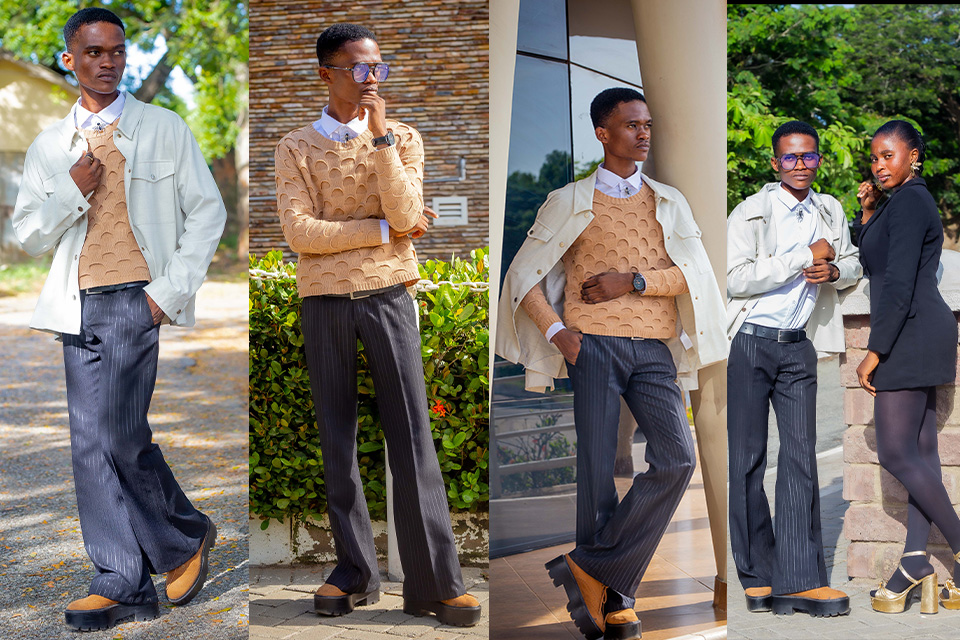
Similarly, Mr. Dramani Abubakari has transformed his passion for fashion into a defining aspect of his personal and professional identity.
Inspired by art, music, social media and contemporary fashion trends, he regards clothing as a form of visual communication and self-expression. His evolution from following popular trends to developing a bold and intentional personal style reflects growing confidence and creativity.
"As an art student, I see fashion as a form of visual communication," he explained, adding that every outfit presents an opportunity to express personality, creativity and professionalism.
For Mr. Abubakari, attention to colour coordination, fit and detail has become a daily practice that not only enhances self-confidence but also supports his interests in modelling and creative entrepreneurship.
Beyond personal expression, he believes fashion can serve as a powerful tool for building professional networks, strengthening personal branding and unlocking opportunities within the creative economy.
He, however, observed that limited support, exposure and investment remain key challenges confronting emerging designers and models in Ghana. He expressed his commitment to promoting originality, supporting local fashion and contributing to efforts to enhance the global visibility of Ghana's fashion industry.
The stories of Mr. Asare, Ms. Pascaline Mensah and Mr. Abubakari underscore UEW's growing role in nurturing versatile graduates whose talents extend beyond traditional academic disciplines. Through creativity, innovation and entrepreneurship, they exemplify how the University continues to empower students to pursue their passions while contributing meaningfully to Ghana's creative and cultural industries.