GMD-UEW Discusses SGBV and Mental Health: Breaking the Silence Together


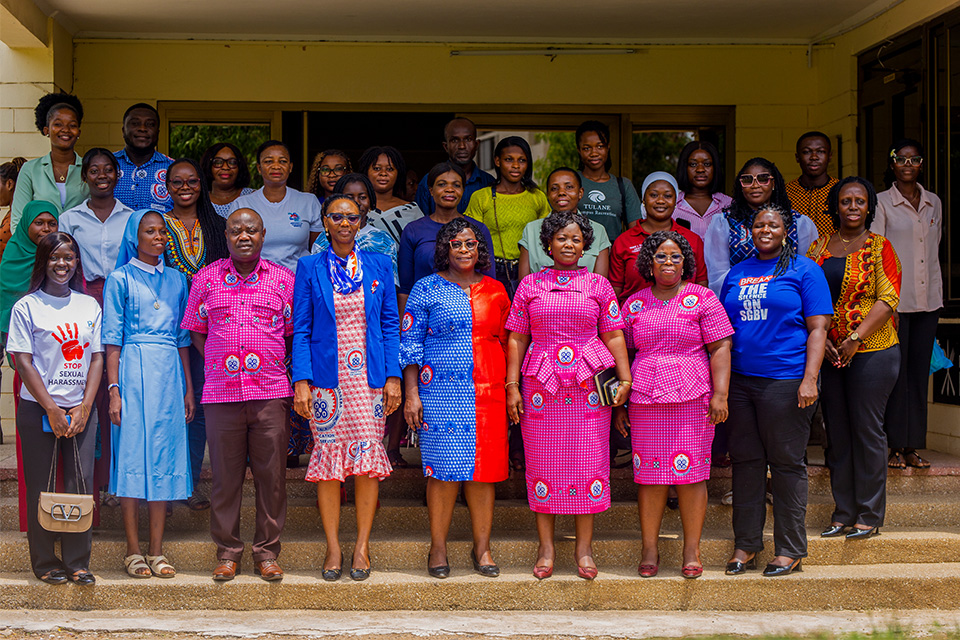
The Gender Mainstreaming Directorate (GMD) at the University of Education, Winneba (UEW) has held a campus dialogue on Sexual and Gender-Based Violence (SGBV) and Mental Health, calling for sustained action to break the culture of silence surrounding abuse.
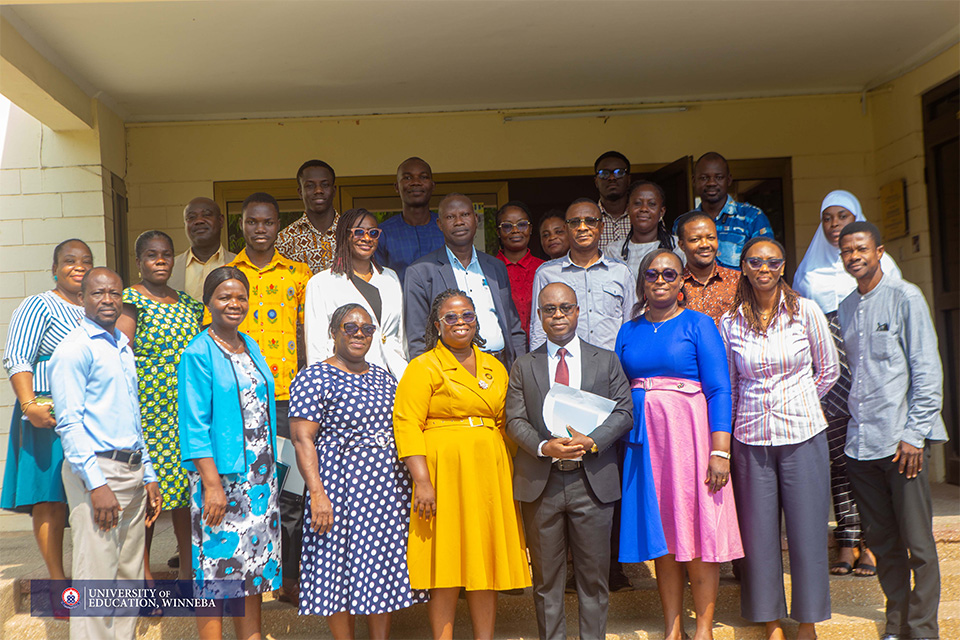
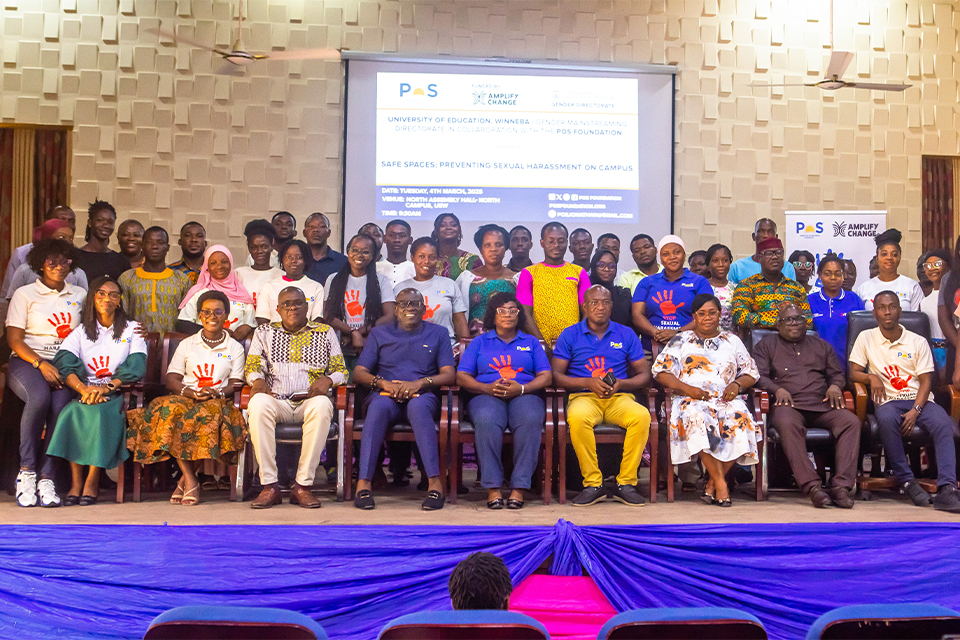
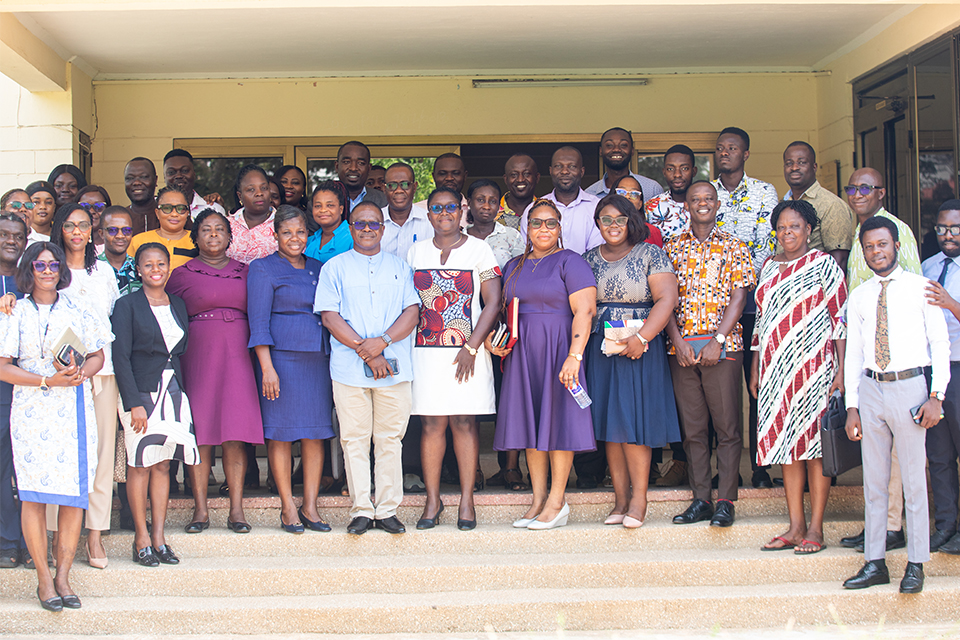
The event, held in collaboration with Human Rights and Development Services (HURDS) and the UEW-SRC Women’s Commission, took place at the North Campus Mini-Conference Room on Friday, 27th February, 2026. It brought together students, faculty, gender advocates and municipal officers to deepen awareness on SGBV, strengthen reporting systems and address the mental health consequences of abuse.
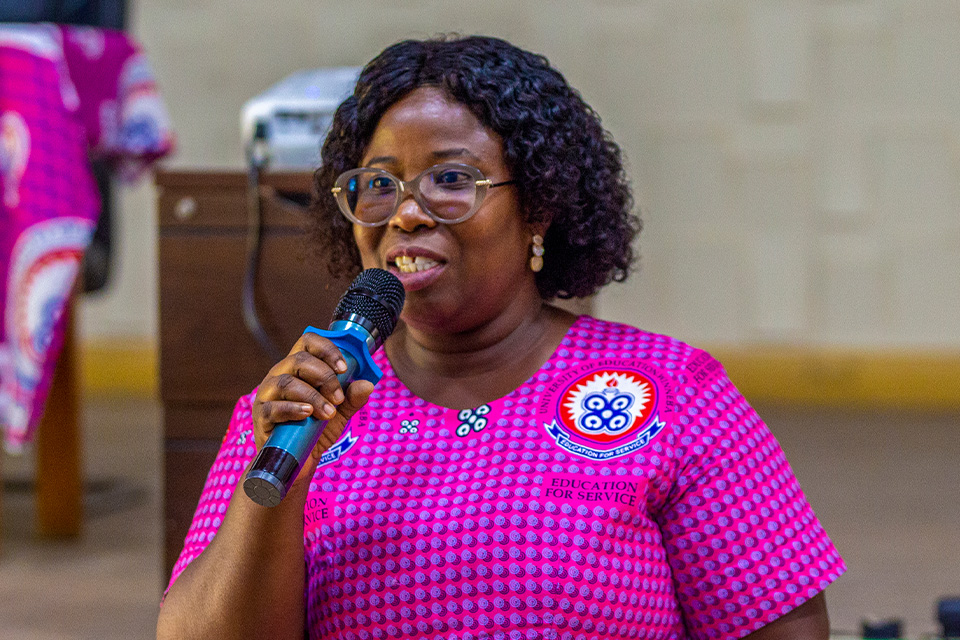
In her welcome address, Ms. Patricia Kaitoo, the Director of GMD-UEW, described the dialogue as a demonstration of UEW’s commitment to creating a safe, respectful and inclusive university environment, where dignity is upheld and rights are protected. She emphasised that sexual and gender-based violence remains a critical global issue, particularly within tertiary institutions, undermining human rights and hindering both academic and professional development.
She stated that, as a university tasked with training future leaders and educators, UEW has both a moral and institutional obligation to address SGBV decisively. She encouraged students to view themselves as ambassadors of change, promoting a culture of respect and zero tolerance for violence in hostels, lecture halls and social spaces.
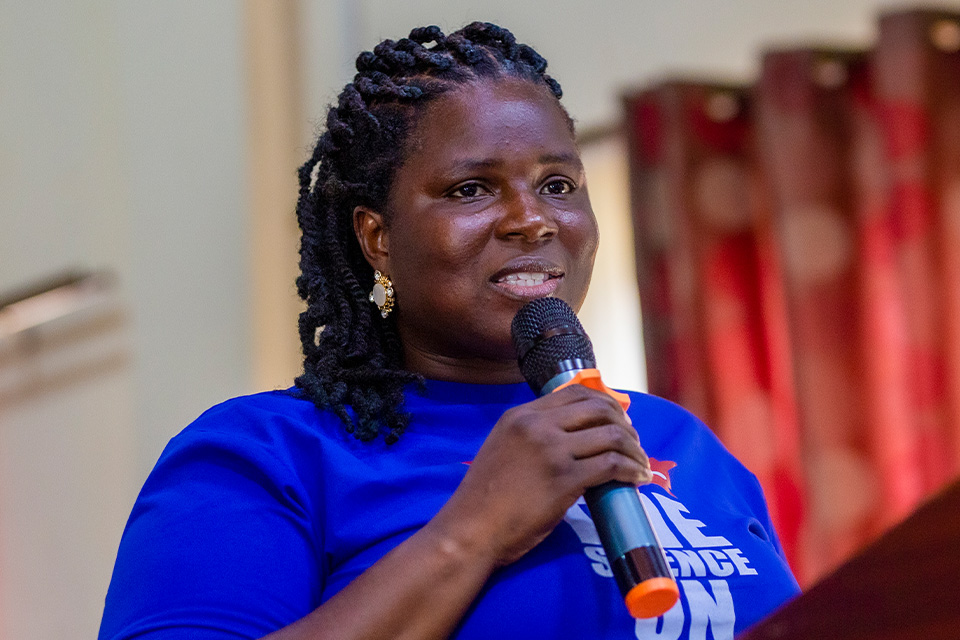
Ms. Eva Ankrah, the Founder and Executive Director of HURDS, commended the Gender Mainstreaming Directorate for its swift collaboration in organising the programme. She stressed that the session was intended to be a dialogue rather than a lecture, inviting participants to reflect on what their communities and campuses would look like if women and girls had equal power to make decisions about their own lives. Citing a United Nations report that one in three women has experienced some form of violence, Ms. Eva Ankrah described SGBV as both a human rights violation and a public health concern.
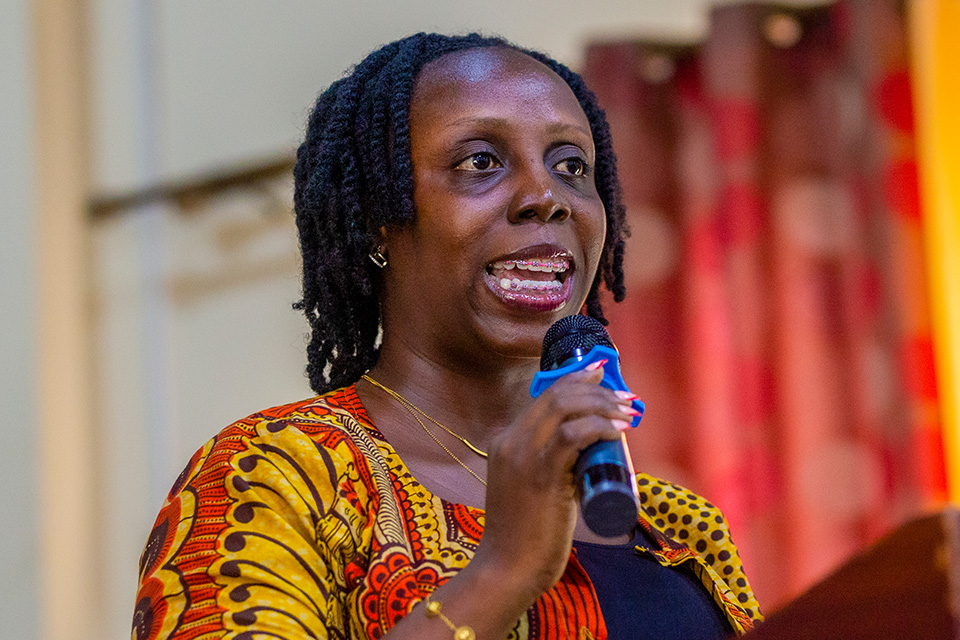
Nana Araba Ennin, the Gender Desk Officer for the Effutu Municipal Assembly and also with the Department of Social Welfare and Community Development, focused her presentation on sexual violence in educational settings.
She identified key risk factors such as abuse of authority by older individuals, lack of awareness among students, economic pressures and limited reporting channels. According to her, financial vulnerability often exposes young women and single parents to exploitation while fear and stigma discourage victims from speaking out. She cautioned that sexual offences carry severe legal consequences under Ghana’s Criminal Offences Act, 1960 (Act 29) and the Domestic Violence Act, 2007 (Act 732).
She further highlighted the psychological and social consequences of sexual violence including anxiety, trauma, teenage pregnancy and declining academic performance. She encouraged victims to utilise formal reporting channels such as the Domestic Violence and Victim Support Unit (DOVVSU), the Department of Social Welfare and Community Development and other designated offices, assuring participants that support services are available within the municipality.
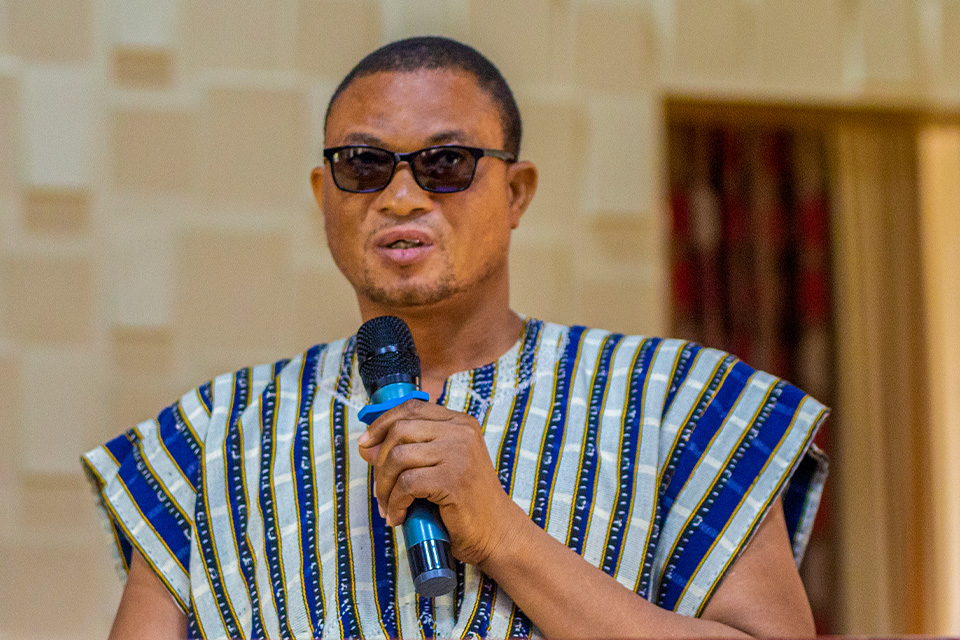
Dr. Alfred Anovunga, a Counselling Psychologist at UEW’s Department of Counselling Psychology, examined the mental health aspects of SGBV. He attributed the silence to dependency on perpetrators, fear of retaliation, stigmatisation and fear of not being believed.
He emphasised that mental health challenges are genuine issues and should not be seen as a sign of weakness or lack of faith. He urged victims to seek help and reassured participants that the Counselling Directorate at UEW is available to provide professional support. He called for ongoing, structured assistance for survivors to help prevent them from returning to abusive environments and reaffirmed that healing is possible when silence is broken.
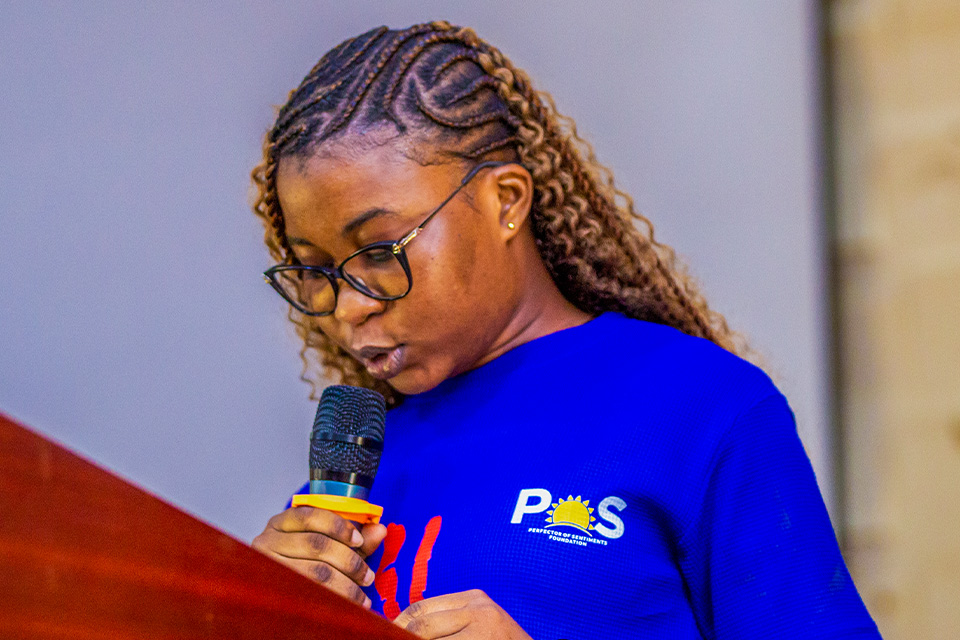
On behalf of the student body, Adepa Priscilla Appiah, the Women’s Commissioner for the Communication and Media Studies Students’ Association (CoMSSA), delivered a solidarity message to survivors. She assured victims that they are not alone and that the student leadership believes and stands with them.
She urged students to report incidents through appropriate institutional channels and to join the collective effort to end violence on campus. “Let us break the silence together until violence ends and justice prevails,” she declared.
The dialogue formed part of ongoing efforts by the Gender Mainstreaming Directorate and its partners to strengthen prevention, reporting and survivor-support systems within the University and the wider Effutu Municipality, reinforcing UEW’s commitment to safeguarding the rights, dignity and mental wellbeing of its community.