UEW Social Studies Students Drive Community Impact Through Practical Projects


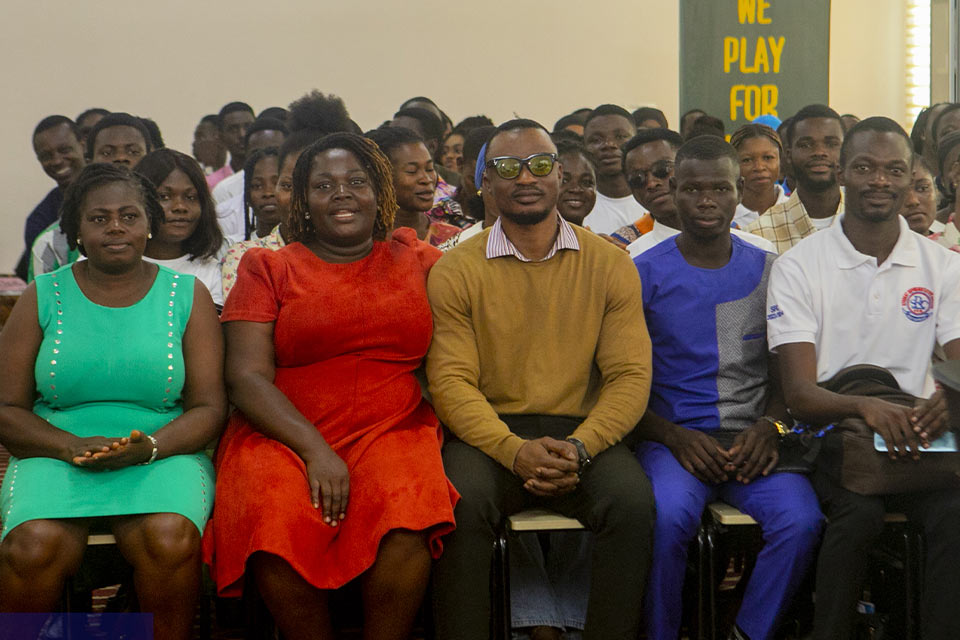
Final-year Social Studies students at the University of Education, Winneba (UEW) have demonstrated the power of experiential learning by applying classroom knowledge to practical community development initiatives focused on promoting entrepreneurship, environmental responsibility and social transformation.
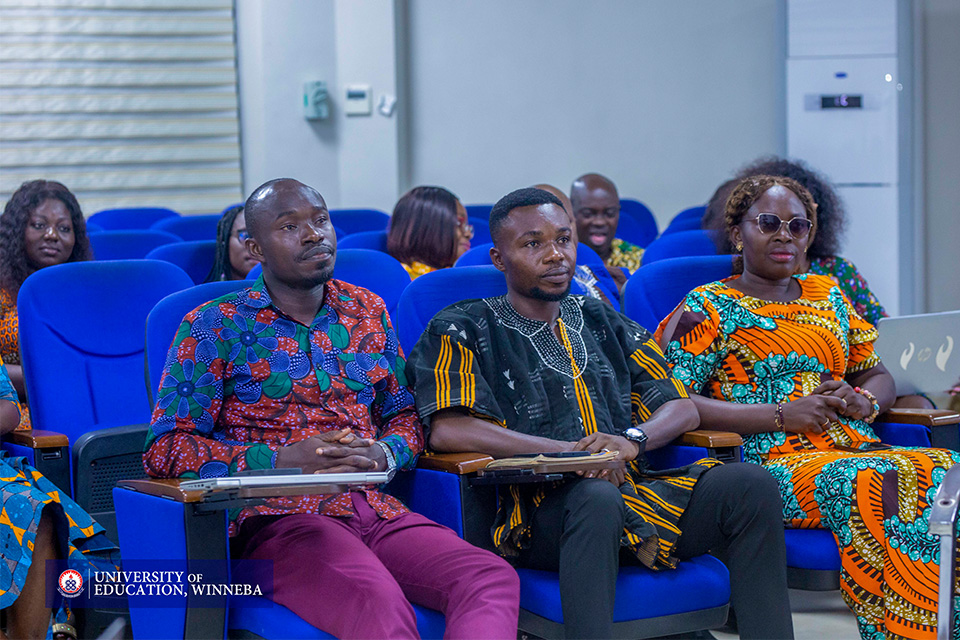
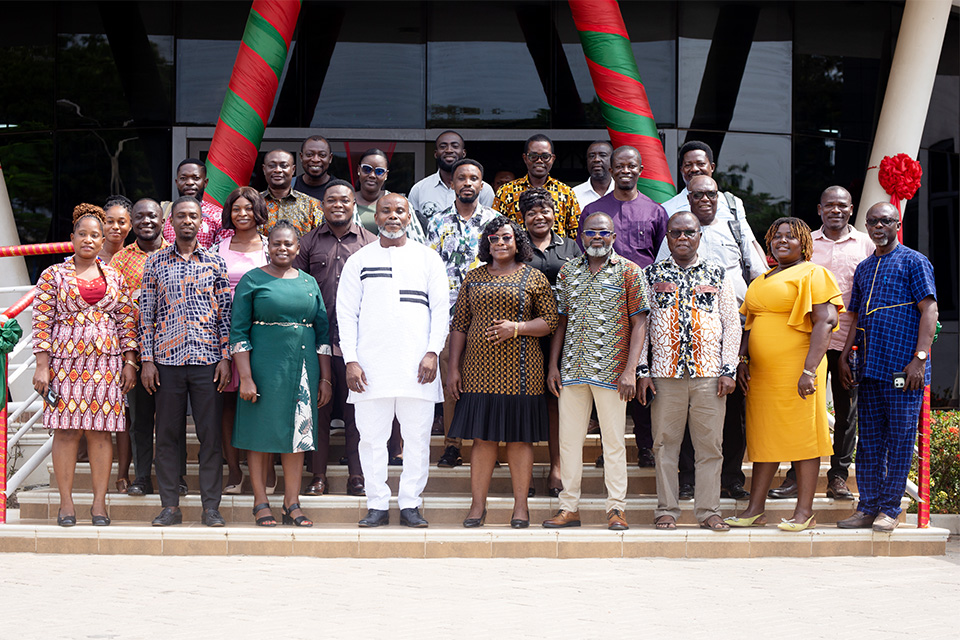
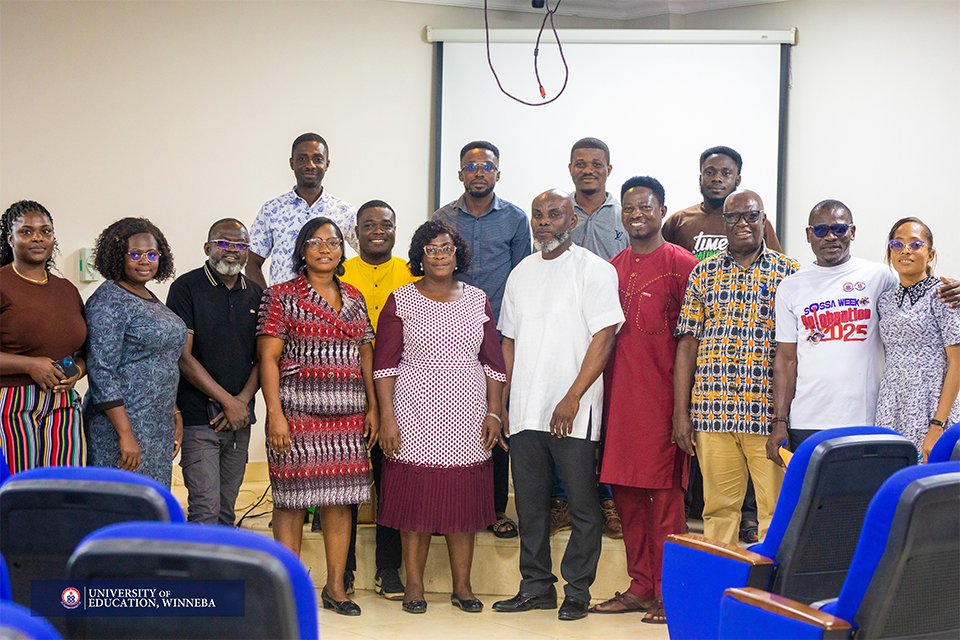
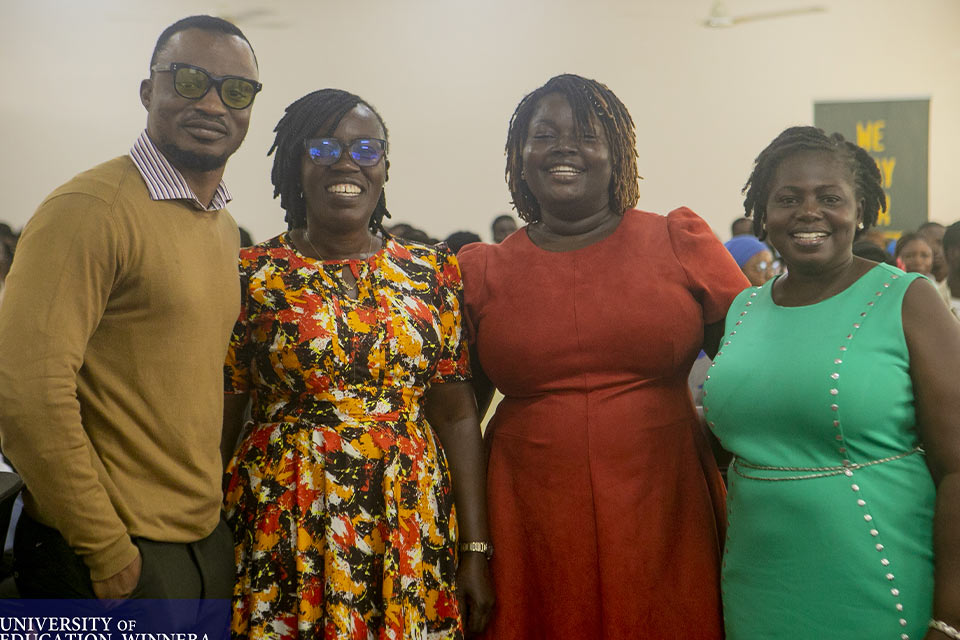
The Level 400 students, together with their course lecturer, Dr. Jacob Oppong Nkansah, recently visited the Right to Play Centre of Excellence at the School of Business Block, UEW, to showcase and reflect on community-based projects undertaken as part of the Youth and National Development course.
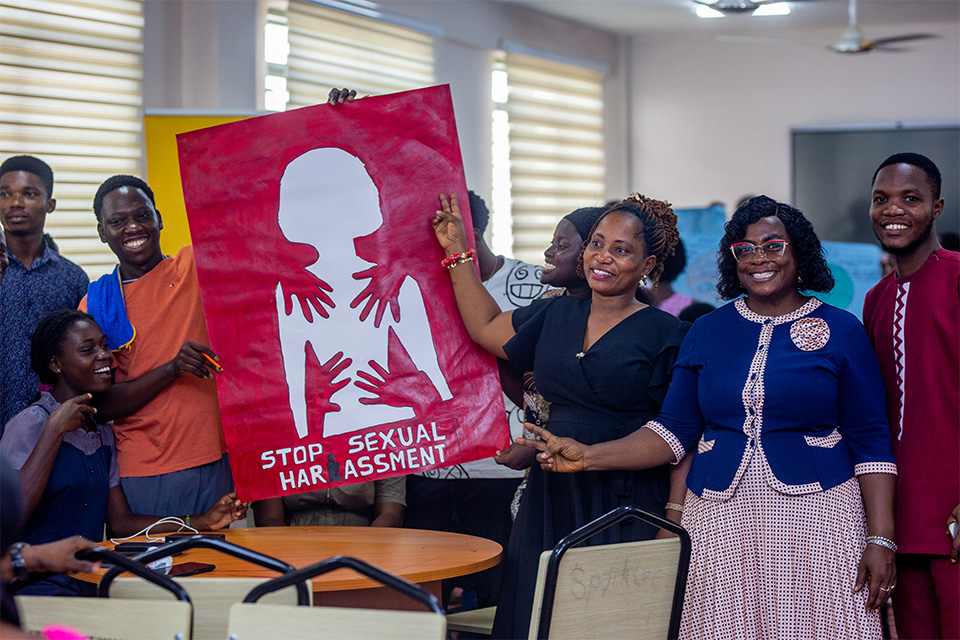
The initiative, designed to move students beyond theoretical learning, equipped them with practical skills to address community challenges while preparing them to become job creators and socially responsible graduates. The projects focused on areas including tree planting, sexual health awareness, soap production, waste management and recycling, bead making and agricultural activities.

Dr. Nkansah explained that the course was built on the philosophy that higher education should empower students to apply knowledge to solve real-world problems and contribute meaningfully to national development. “The course does not only teach young people about national development; it places them at the centre of it by giving them the tools and confidence to create solutions,” he noted.
Through the projects, students gained practical competencies in entrepreneurship, community engagement, environmental stewardship and innovation. The soap production project, for instance, introduced students to raw material sourcing, production, branding and business development, providing a foundation for possible small-scale enterprises.
The waste management and recycling initiative challenged students to view environmental problems as opportunities by transforming discarded materials into useful products, while the tree planting exercise promoted environmental conservation and climate awareness.
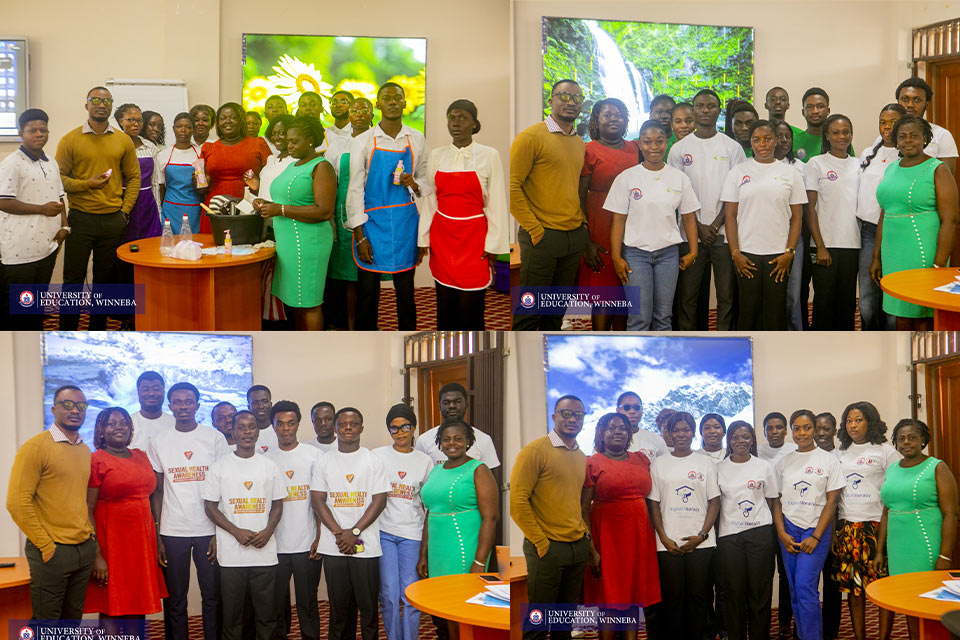
Students also engaged communities through sexual health awareness campaigns, demonstrating the role of education in promoting public health, advocacy and social responsibility. Other activities including bead making and agricultural projects, exposed students to cultural entrepreneurship, agribusiness and sustainable livelihood opportunities.
The initiative was supported by co-course lecturers Ms. Doris Acheampong Boakye and Ms. Vida Amankwaah Kumah, as well as the Right to Play Centre of Excellence, led by Dr. Diana Adjei-Fianko, whose mandate promotes active and experiential learning as a tool for youth empowerment and development.
The collaboration reflects UEW’s commitment to producing graduates who are not only academically prepared but also equipped with practical skills to contribute to society. The project aligns with the United Nations Sustainable Development Goals (SDG), particularly SDG 4 on Quality Education, SDG 8 on Decent Work and Economic Growth, SDG 13 on Climate Action and SDG 17 on Partnerships for the Goals.
The Department of Social Studies Education continues to champion a learning approach that positions students as active contributors to national development rather than passive recipients of knowledge.
Through initiatives such as the Youth and National Development course, UEW is strengthening its mission to produce graduates who are innovative, entrepreneurial, community-focused and ready to create meaningful impact even before graduation.