DRID-UEW Reviews Progress, Sets Ambitious Targets for Greater Research Impact


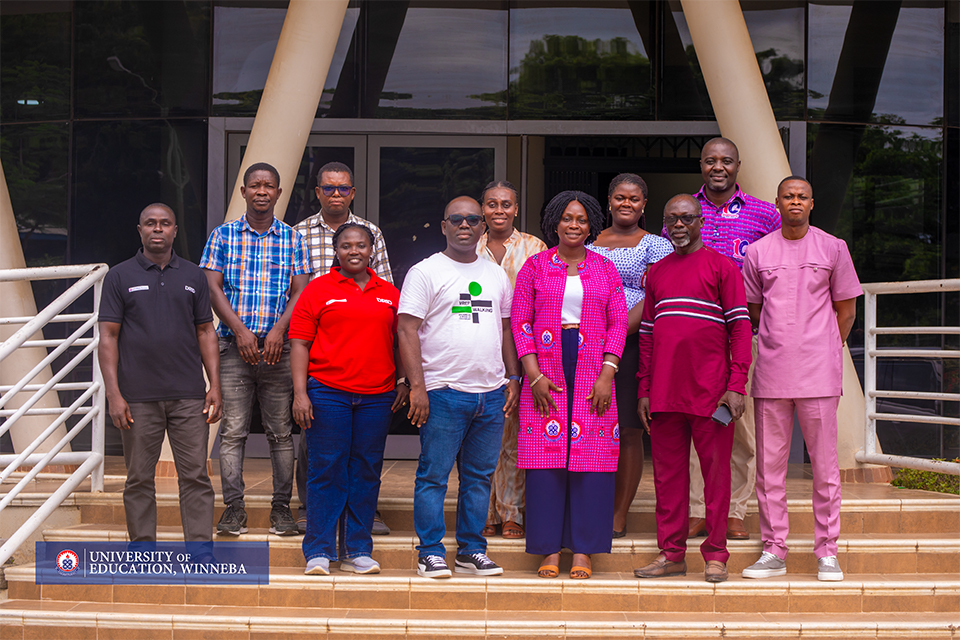
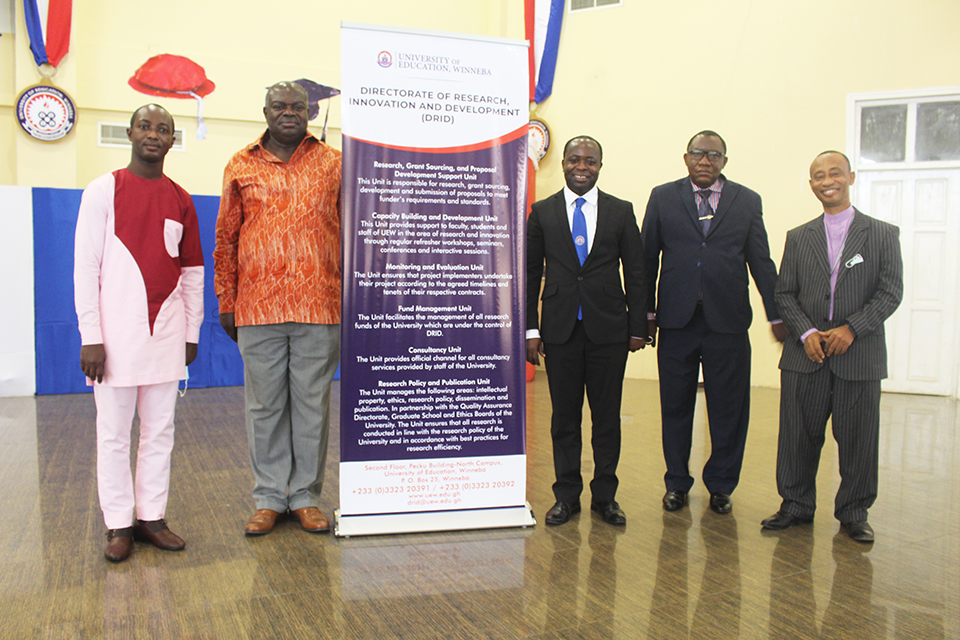
The Directorate of Research, Innovation and Development (DRID) at the University of Education, Winneba (UEW) has reviewed its mid-year performance and outlined strategic measures to strengthen research excellence, innovation, grant mobilisation and institutional visibility.
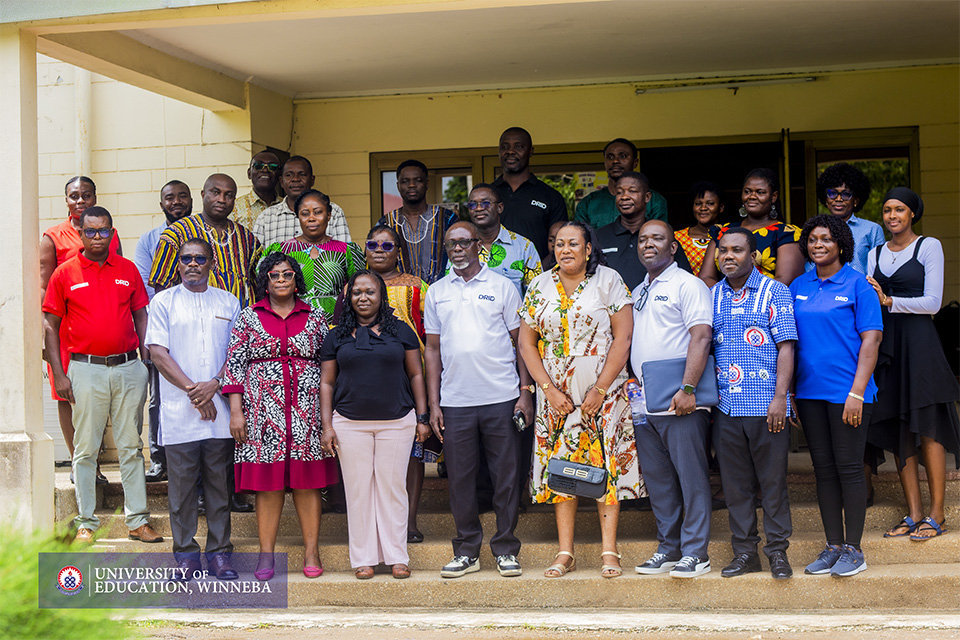
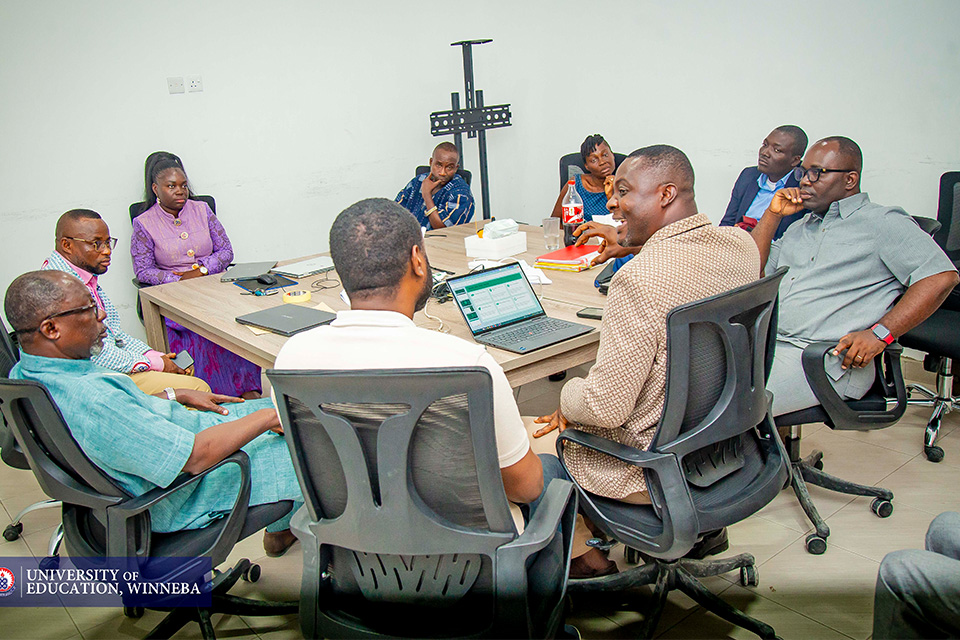
The review meeting brought together DRID Management and Coordinators of the Directorate’s various units to assess progress made in the first half of 2026, identify implementation challenges and develop strategies to advance UEW’s research agenda.
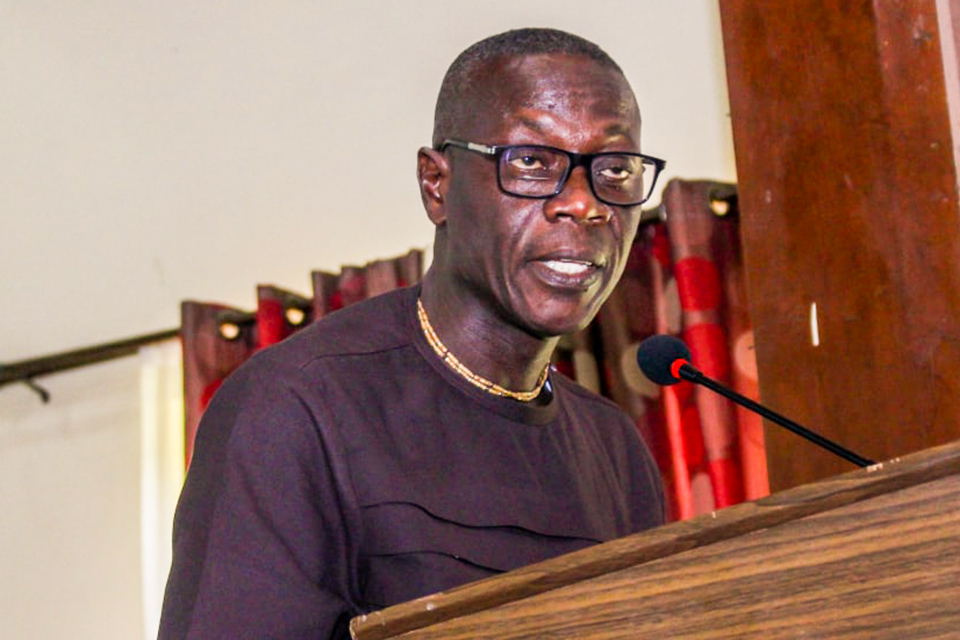
Opening the meeting, Prof. Enoch F. Sam, the Director of DRID, commended staff for their commitment to advancing the Directorate’s mandate and urged them to focus on transforming strategic plans into measurable outcomes.
He emphasised that the success of DRID’s initiatives would depend on effective implementation, accountability and collective ownership of the strategies developed to enhance the University’s research ecosystem.
Prof. Sam encouraged the team to remain focused on delivering tangible results. He stressed that the Directorate’s collective efforts are central to advancing UEW’s research, innovation and development agenda.

Prof. Alfred Kuranchie, the Deputy Director of DRID, highlighted teamwork, innovation, adaptability and ethical leadership as critical drivers for achieving the Directorate’s objectives. He encouraged staff to embrace creative approaches to problem-solving and expressed optimism that strategic efforts would position UEW to attract major infrastructure and research grants.
Presenting updates from the various units, coordinators highlighted ongoing initiatives to improve research capacity, strengthening grant acquisition and increasing the University’s scholarly visibility.
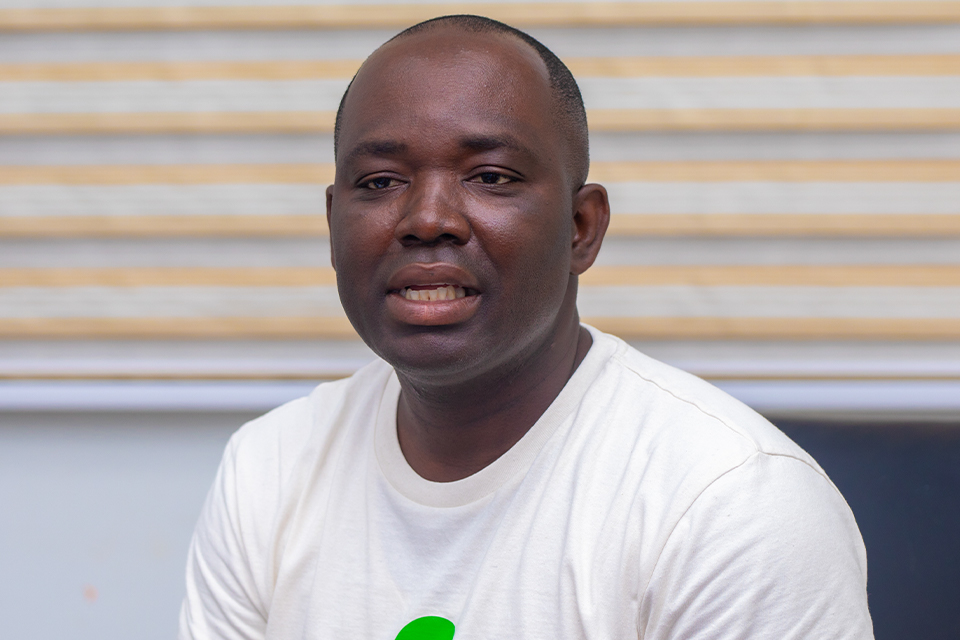
The Grant Sourcing and Proposal Development Unit reported continued support for academic staff through grant opportunity dissemination, proposal reviews, writing assistance and capacity-building activities. The unit also identified limited grant-writing experience and low participation in research funding opportunities as key challenges requiring sustained mentorship, international collaborations and staff development.
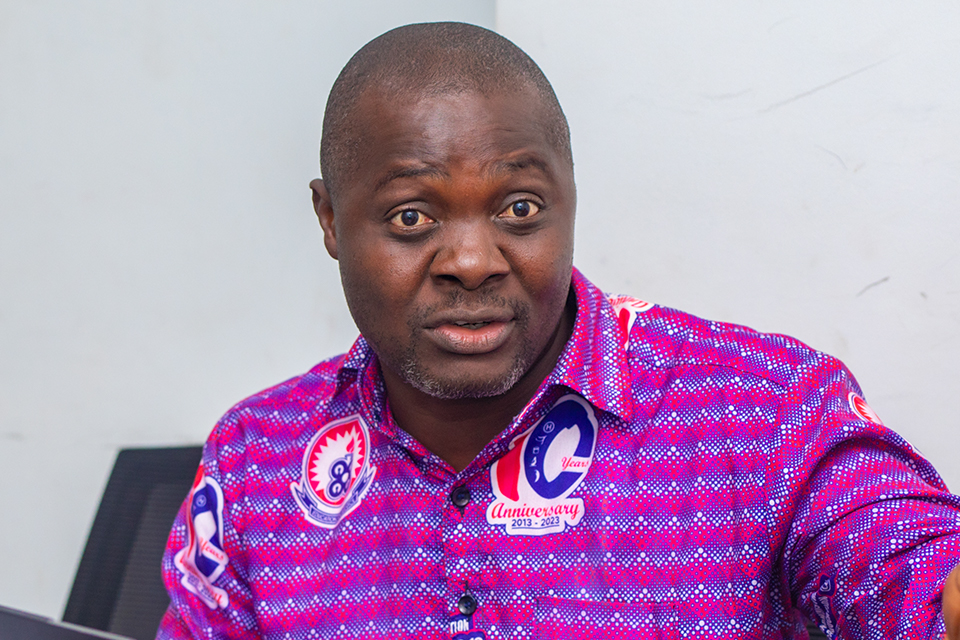
The Consultancy and Patent Service Unit reported progress towards developing frameworks to promote innovation, intellectual property protection and technology transfer. The unit is also undertaking initiatives to identify research outputs with commercial potential and strengthen partnerships with industry.

On research quality and institutional visibility, the Research Policy, Journal Standards and University Ranking Unit highlighted efforts to improve the University’s publication standards, strengthen journals, develop the UEW Scholar platform and enhance participation in international university impact rankings.
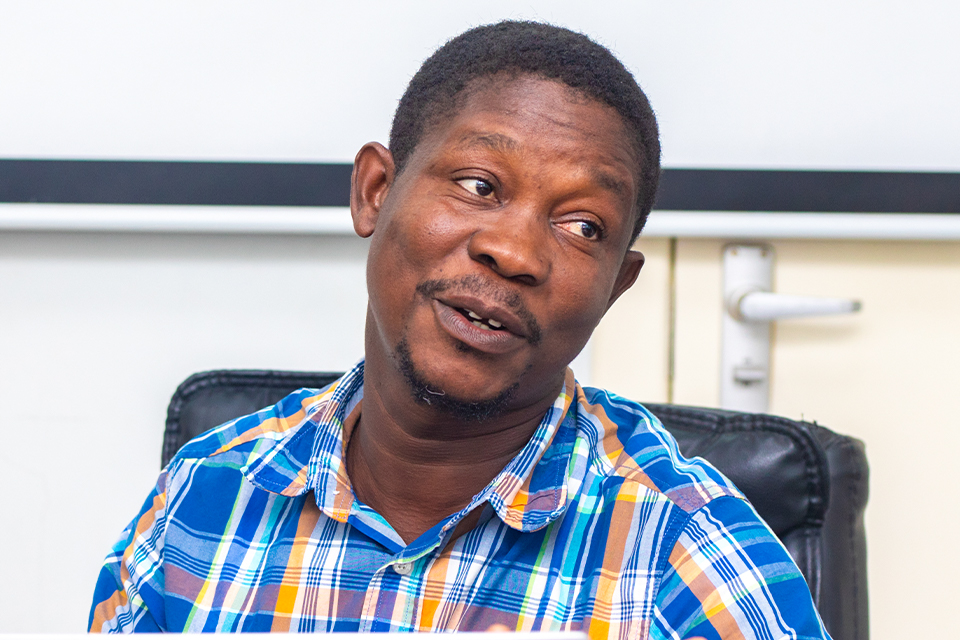
The Capacity Building and Development Unit reported that seven out of ten planned activities for the first half of 2026 had been completed, representing a 70% implementation rate. The activities included research training programmes, grant proposal development sessions and capacity-building initiatives for staff and affiliated Colleges of Education.

The Monitoring and Evaluation Unit reported progress in improving project oversight through the development of a comprehensive research project database and digital tracking system. The unit also proposed a revised reporting framework to improve efficiency and the quality of project monitoring.

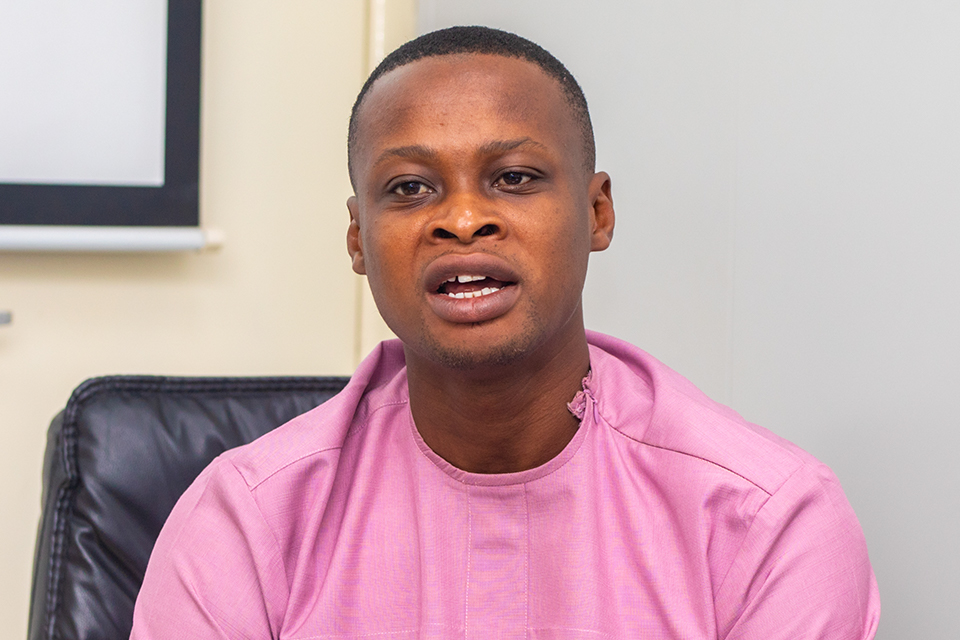
Providing the financial outlook of the Directorate, Mrs. Nancy Monney, Coordinator of the Fund Management Unit, disclosed that DRID received approximately GH¢1.7 million in project funds during the first half of 2026, supporting six funded projects while expenditure covered 12 active projects.
She noted that operational challenges including logistical constraints and delays in financial processing, require continued attention to ensure effective delivery of research activities.
The meeting concluded with a renewed commitment by DRID management and unit coordinators to enhance collaboration, improve grant mobilisation, strengthen research capacity and implement innovative approaches that will position UEW as a leading research-driven institution.