UEW’s Martin Tetteh Narh Explores Art and Regeneration in South Africa


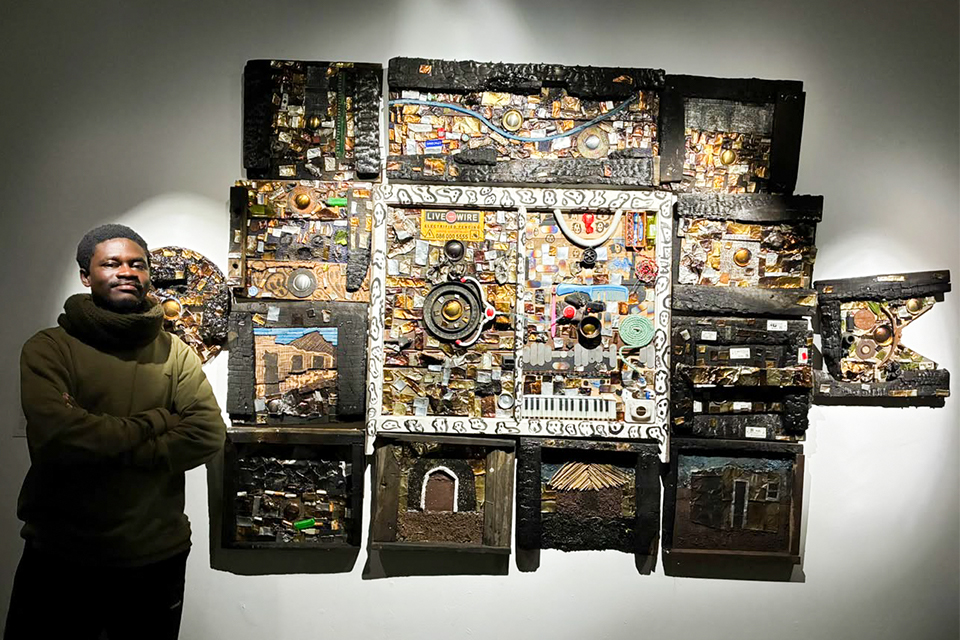
Mr. Martin Tetteh Narh, a National Service Personn at the Department of Art Education at the University of Education, Winneba (UEW) and a prospective MPhil Art Education student, has participated in the New Futures Art Residency 2026 in Cape Town, South Africa, exploring the intersection of art, environmental sustainability and social responsibility.
The residency, themed “(De)composing: Between Extraction and Regeneration,” brought together emerging artists, researchers, educators and activists from across the world to examine environmental, social, political and economic challenges through creative practice.
Narh’s participation was facilitated by Exploring Visual Cultures (EVC), Winneba Chapter, led by Prof. Patrique deGraft-Yankson, Prof. Osuanyi Quaicoo Essel, Dr. Ebenezer Acquah and Mr. Ebenezer Kow Abraham. The initiative provided opportunities and connections that enabled him to participate in the international programme.
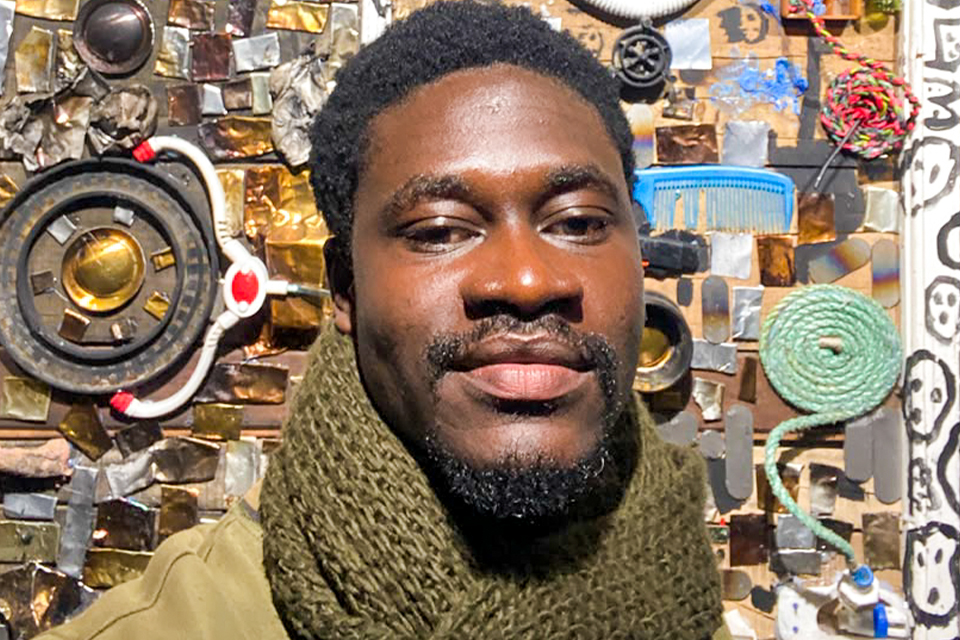
The residency began with online seminars, workshops and discussions from June to July 2026, followed by an in-person programme in South Africa from 30th July to 6th September, 2026. Participants engaged in site visits, research and exchanges with artists, academics, activists, indigenous leaders and local communities before developing and exhibiting artworks inspired by their experiences.
During his stay in the Western Cape, Narh explored historical sites, caves, demolished spaces and surrounding communities in and around Cape Town. These encounters deepened his interest in the relationships between people, place, memory and material culture, informing an artistic investigation into how human activities shape landscapes and leave lasting traces on the environment.
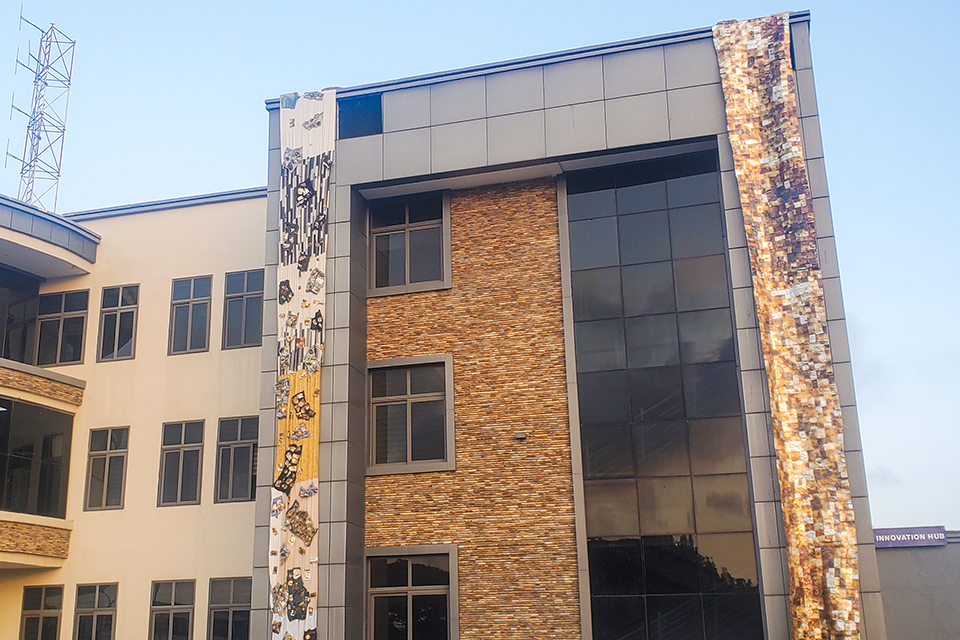
His final artwork incorporated discarded and fire-altered materials including aluminium cans, burnt wood, cigarette remnants and fragments collected from communities and demolished sites. By assembling these materials into a unified form, Narh sought to preserve traces of their former existence while giving them renewed meaning. The work reflects on coexistence, interdependence and the need to move beyond wasteful and extractive practices towards regeneration and collective environmental responsibility.
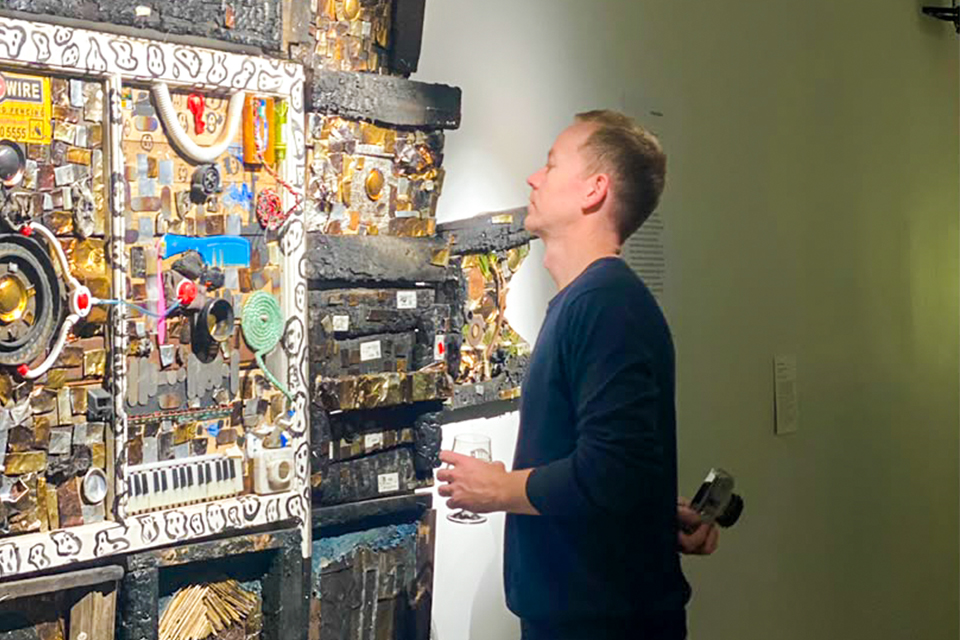
The artwork also draws on Ghana’s June 3 disaster in Accra, a painful reminder of the consequences of environmental neglect, inadequate urban planning and waste accumulation in drainage systems. Through this reference, Narh honours the memory of those who lost their lives while encouraging reflection on responsible waste management and environmental stewardship.
Reflecting on the experience, Narh described the residency as more than an opportunity to produce an artwork. It enabled him to bring knowledge and experiences gained at UEW into an international setting, engage with global perspectives on art and social justice and explore new approaches to artistic research and practice.
His participation highlights the role of international artistic exchange and initiatives such as EVC in creating pathways for emerging artists to engage with global challenges through research, creative expression and community engagement.