UEW Hosts TeProD Workshop on Strengthening Professional Development for Sub-Saharan Africa's Twin Transition


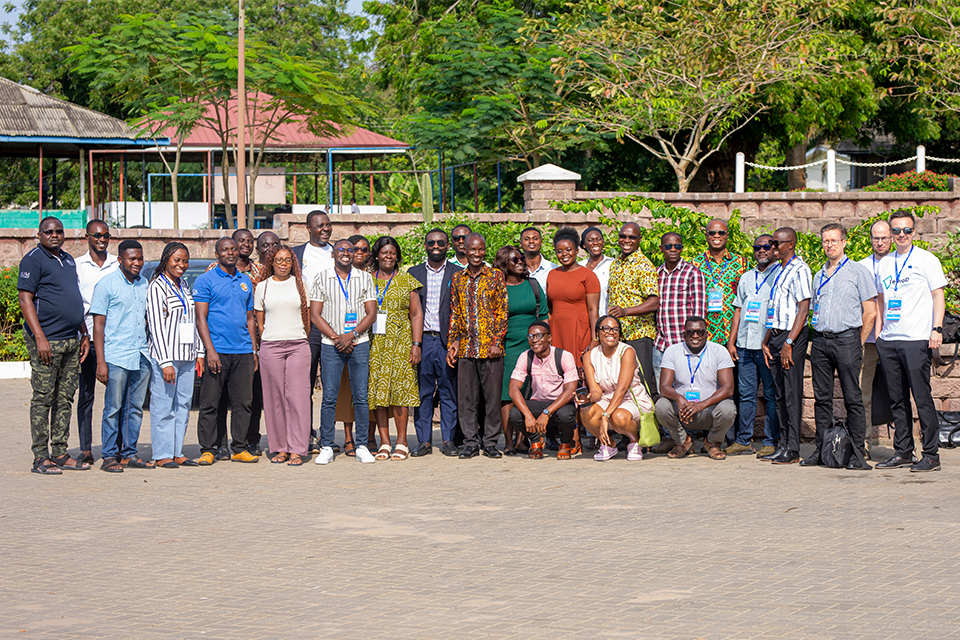
The University of Education, Winneba (UEW) has hosted a two-day capacity-building workshop under the TeProD Project, Improving Teachers’ and Students’ Professional Development on the Twin Transition in Sub-Saharan Africa.
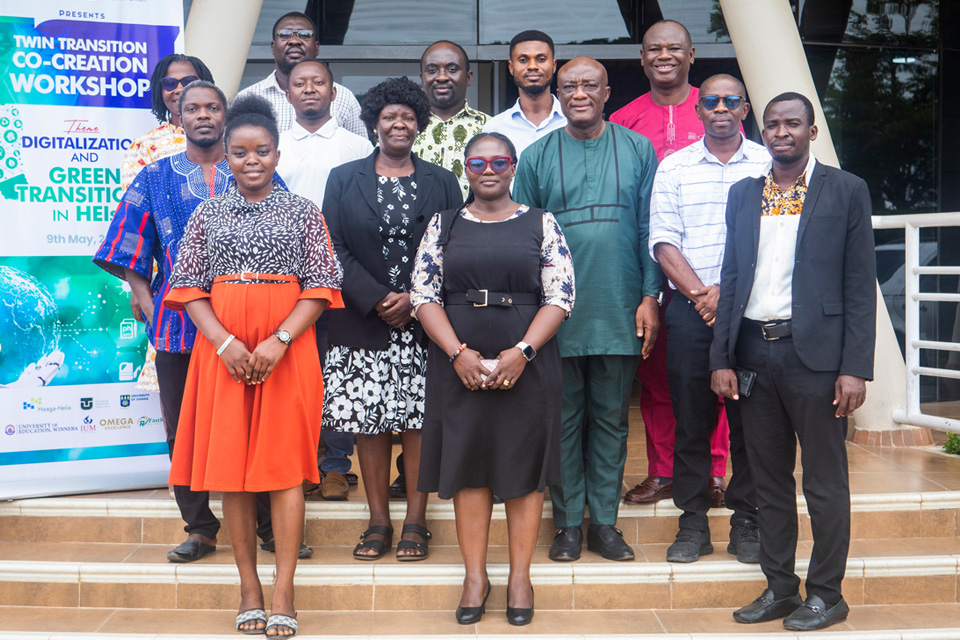
The workshop, held on Monday, 8th and Tuesday, 9th December, 2025, at the Students Centre, North Campus, brought together international facilitators, UEW scholars and educators and project partners for a series of hands-on activities targeted at strengthening pedagogical innovation, curriculum development, digital transformation and green competencies in higher education.
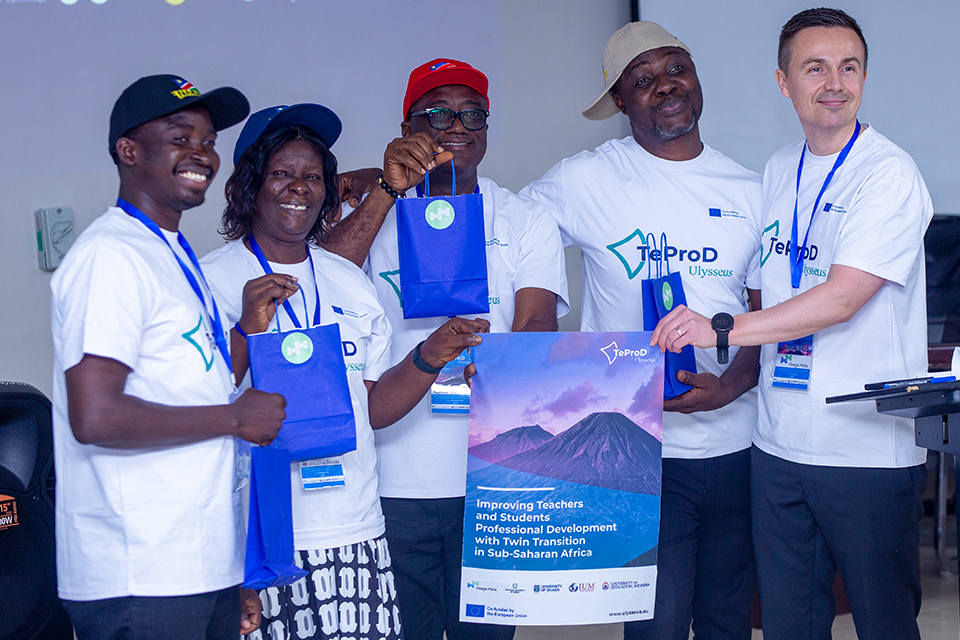
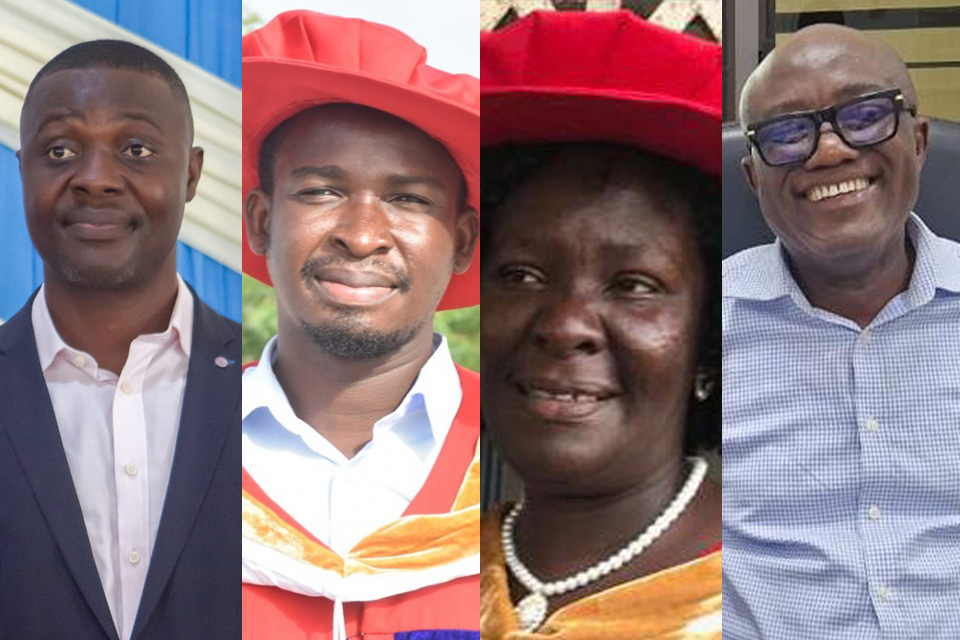
The TeProD Project, funded by the European Commission under the Erasmus+ Programme, is coordinated by Haaga-Helia University of Applied Sciences in Finland with partner institutions from Ghana, Namibia and Slovakia. Scholars from the University of Education, Winneba including Dr. Bright Ankudze, Dr. Richard O. Agjei, Prof. Ruby Hanson and Prof. Charles K. Assuah, form part of the interdisciplinary team contributing expertise to the project’s implementation.
Day Two of the workshop featured two intensive sessions delivered by international facilitators. The first session, led by Dr. Jani Siirilä, Principal Lecturer at Haaga-Helia University of Applied Sciences, introduced participants to pedagogic co-creation using the ABC Learning Design model. He emphasised that effective course planning begins with clear learning outcomes, which determine the content, teaching methods, learning environments and assessment strategies.
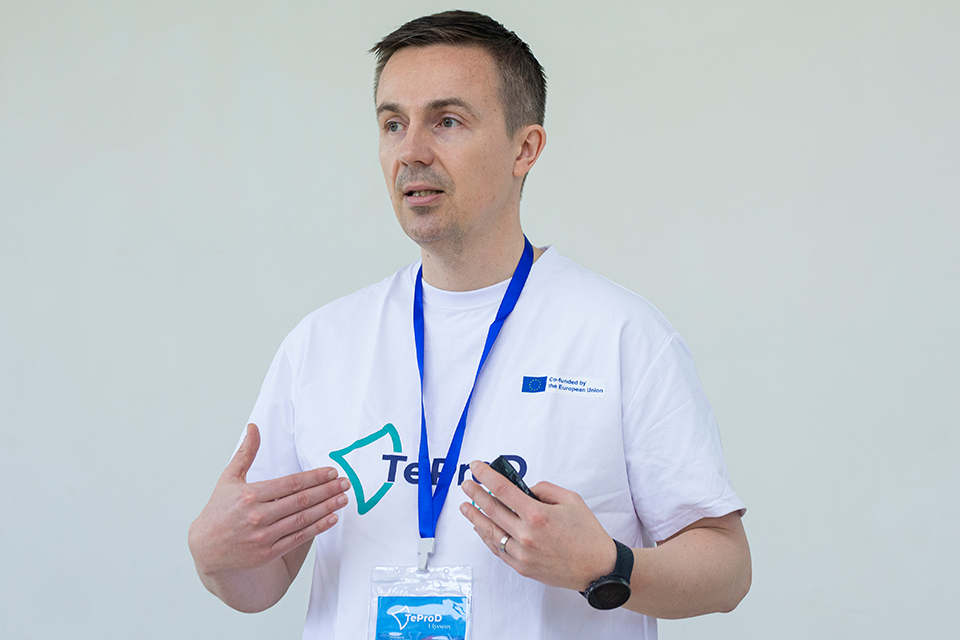
Dr. Siirilä outlined six key learning types—acquisition, collaboration, discussion, investigation, practice and production—and noted that orientation, though not a learning type, is vital for motivating students and preparing them to engage.
The facilitator guided participants through learning-type cards offering conventional and digital pedagogical options to help diversify teaching through activities such as lectures, demonstrations, debates, enquiry tasks and creative outputs. Using these cards, the facilitator supported participants in creating course storyboards mapping the learning journey across lessons or modules. Dr. Siirilä noted that greater variety in learning types leads to a richer student experience.
Participants later worked in small groups to design or revise courses and presented summaries of their choices.
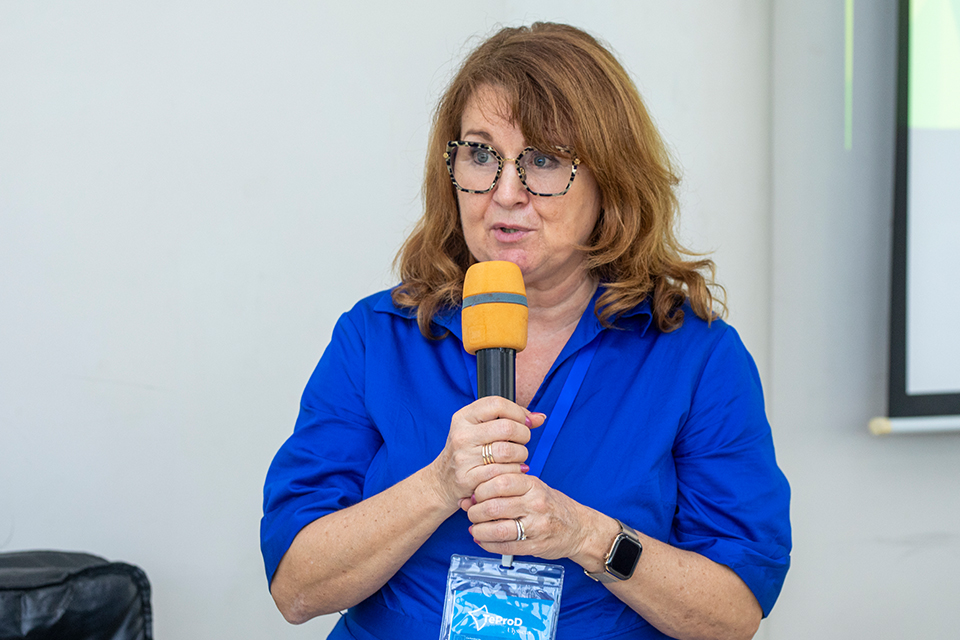
Prof. Natasa Urbancikova of the Technical University of Košice led the second major session, focusing on building green competencies within the wider green and digital “Twin Transition” in higher education. She stressed that climate change affects every sector, positioning universities as key actors in preparing graduates who can think critically, act responsibly and contribute meaningfully to sustainable development.
She outlined the European Commission’s Green Competencies Framework, which comprises four areas: embodying sustainability values, embracing complexity, envisioning sustainable futures and acting for sustainability. These areas include skills such as systems thinking, critical thinking, adaptability, future literacy, problem framing, collaboration and personal initiative.
Prof. Natasa Urbancikova emphasised that sustainability skills are relevant across all disciplines. She demonstrated how lecturers in any field—mathematics, business, education, technology or health sciences—can integrate sustainability into learning outcomes, assessments and activities through tools such as reflective tasks, system-mapping exercises, debates, crisis simulations, green-infrastructure mini-projects and community-action plans.
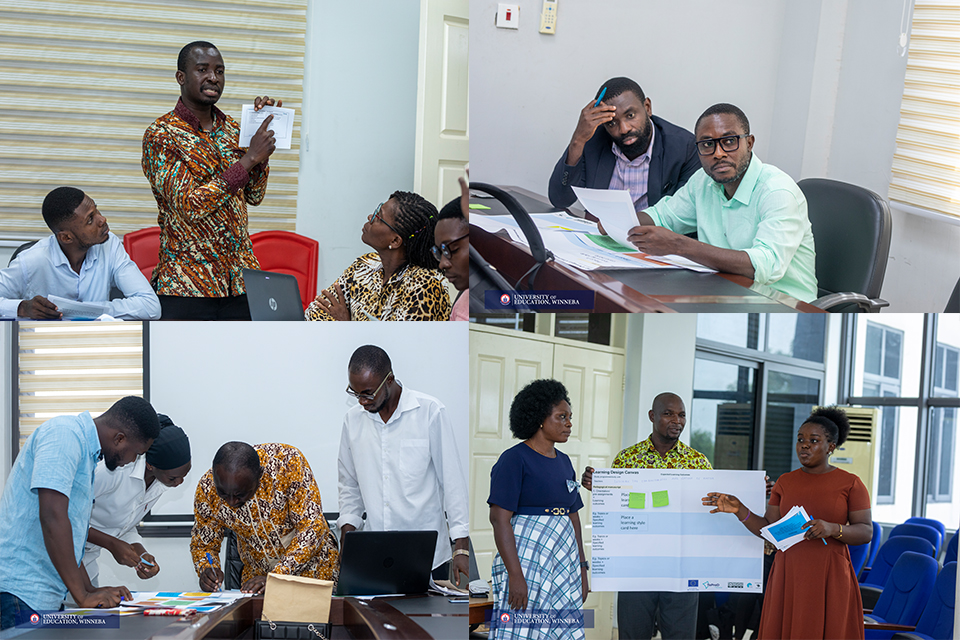
Participants were later divided into four groups and assigned one competency area each. Using handouts provided, they explored how to meaningfully embed sustainability principles into their courses and discussed opportunities for integrating green competencies into classroom activities and assessments. Prof. Natasa Urbancikova reiterated that the goal is not to introduce entirely new modules but to enrich existing curricula. “Even integrating one or two competencies can significantly enhance students’ awareness and skills,” she said.
The workshop forms part of ongoing efforts by UEW and its international partners to reimagine teaching and learning for the future, particularly within the context of digital transformation and sustainability transitions. Through collaborative engagements such as these, the TeProD Project seeks to build the capacity of educators to design innovative, future-ready curricula that prepare students for emerging global challenges.