UEW Advocates for Data-Driven Road Safety Initiatives in Africa


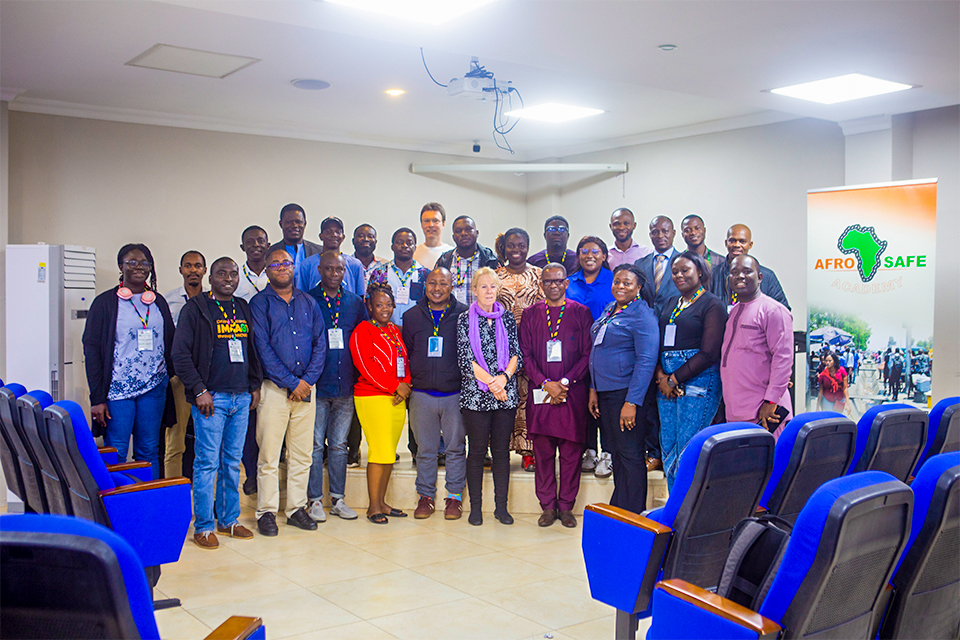
The University of Education, Winneba (UEW) has echoed its commitment to advancing research-driven solutions to Africa’s road safety challenges, hosting the second AfroSAFE Academy Conference from Tuesday, 12th to Friday, 15th August, 2025, at the Students Centre.
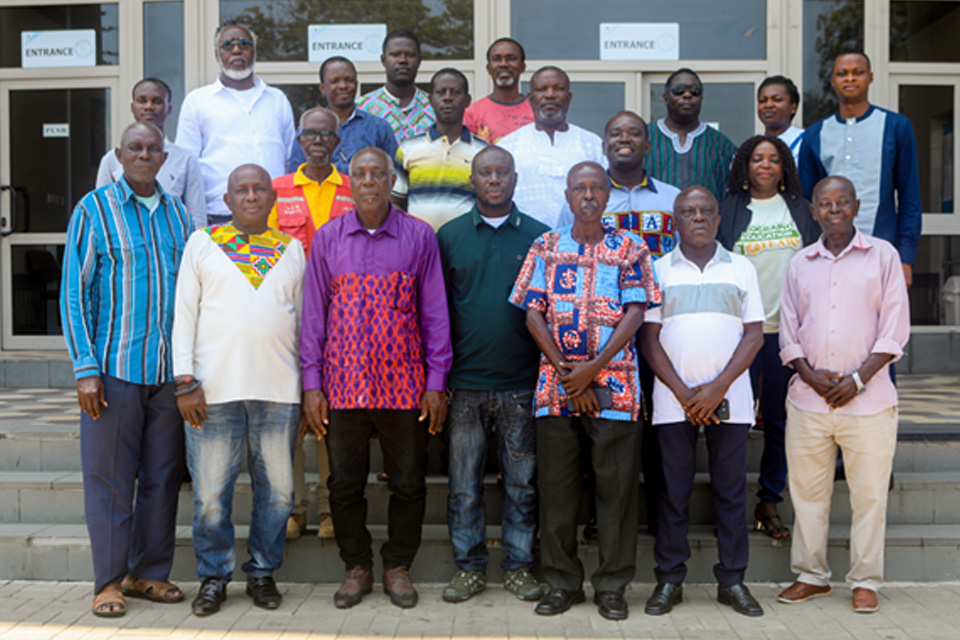
The four-day international gathering, held under the theme “Data-Driven Discourse on Safe System Approach in Africa,” brought together academics, policymakers and industry stakeholders from across Africa and Europe to deliberate on evidence-based strategies for reducing traffic-related injuries and fatalities.
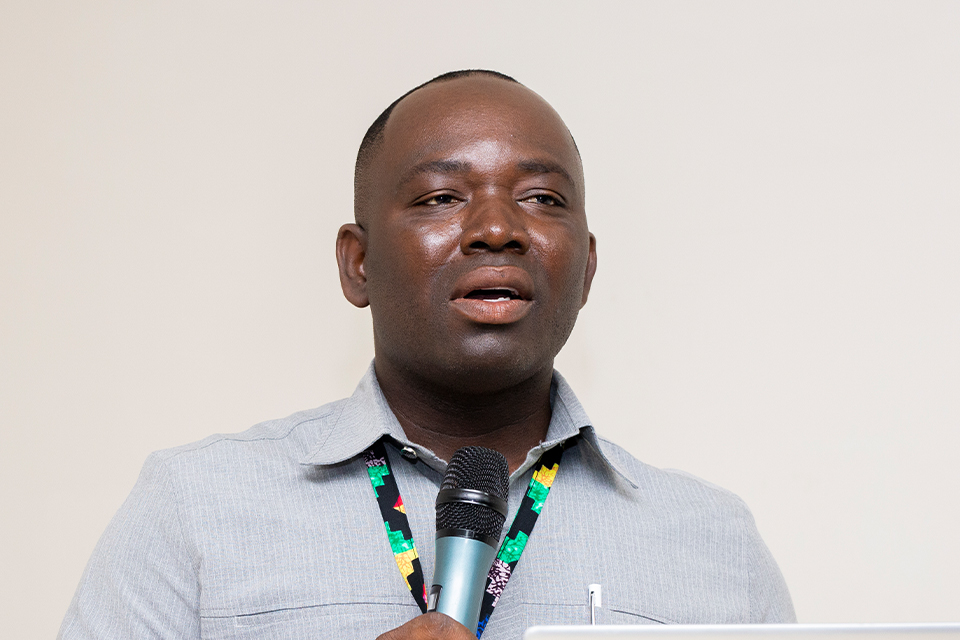
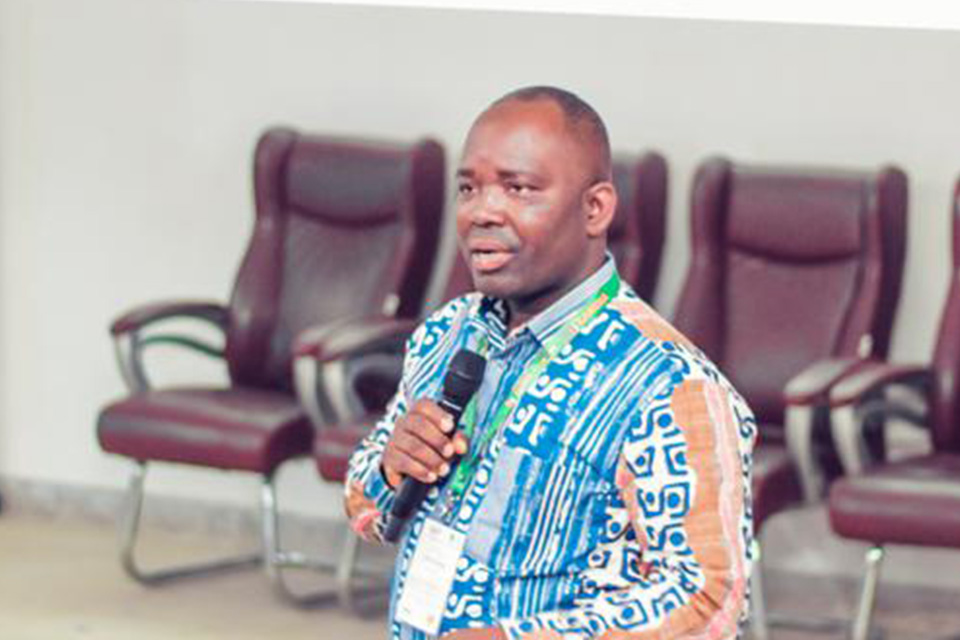
The conference was officially launched by Prof. Enoch F. Sam, AfroSAFE Project Country Lead and Chair of the Local Organising Committee together with Project Coordinator Prof. Aliaksei Laureshyn.
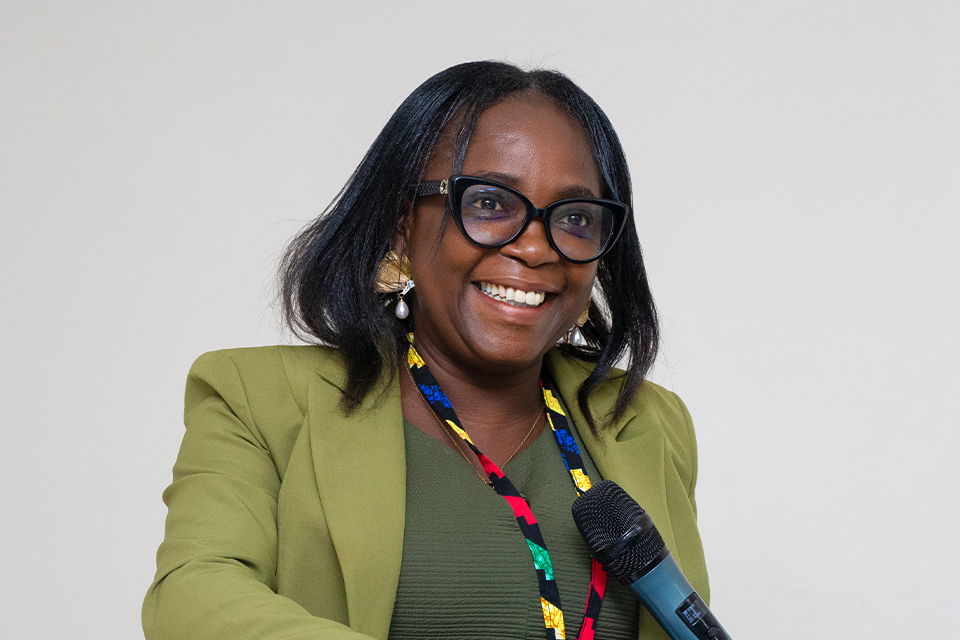
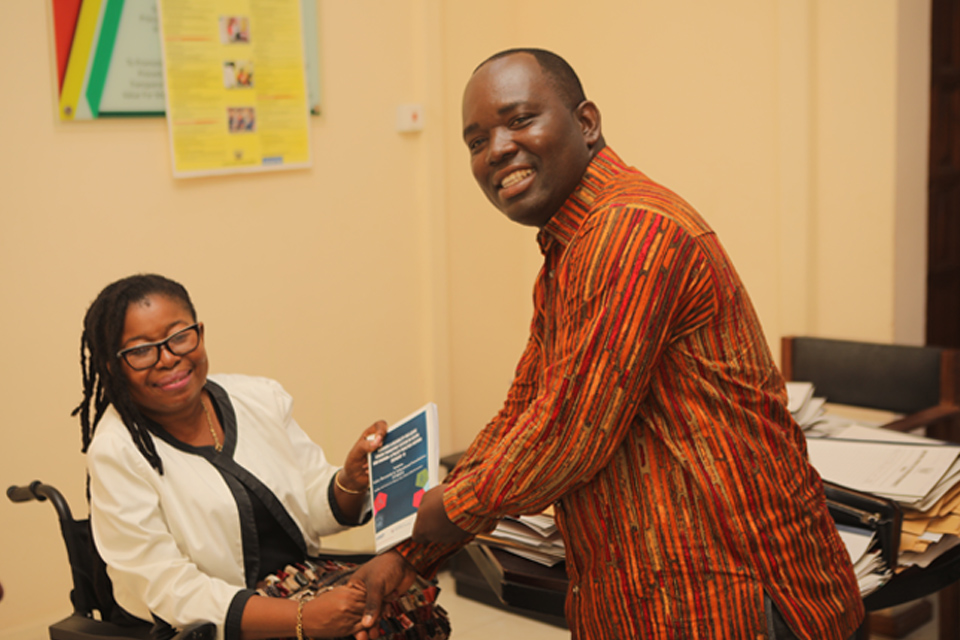
Representing the Vice-Chancellor of UEW, Prof. Esther Yeboah Danso-Wiredu, Pro-Vice-Chancellor, underscored the University’s commitment to applied research that tackles pressing societal issues including road safety. He emphasised that UEW’s role goes beyond producing graduates to generating knowledge that influences policy and saves lives.
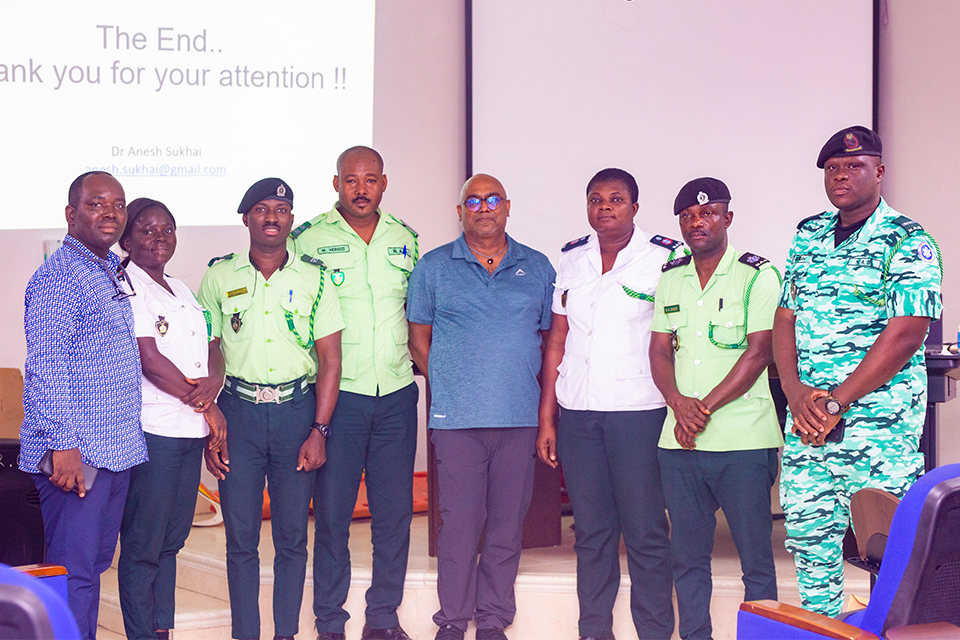
Expressions of support were also shared by Autoliv, one of the sponsors and Prof. Adjoa Afriyie Poku, Head of the Department of Geography Education.
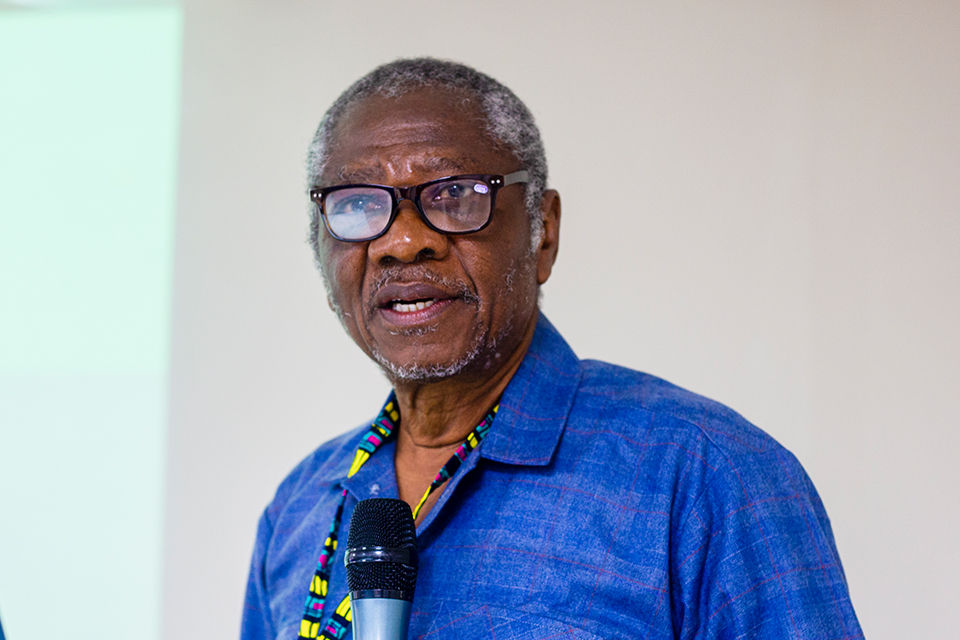
Ing. Francis Afukaar, who spoke on “Data-driven road safety management in Ghana and the implications for the Safe System approach,” highlighted the importance of evidence-based policies in curbing road crashes.
The day’s sessions examined themes of urban mobility, crash data and safety culture. Presenters included James Damsere Derry, who proposed alternatives to speed bumps as traffic calming measures; Prof. Sam, who analysed driver distraction and Albert Awopone, who introduced adaptive traffic light innovations in Kumasi.
Contributions also came from Comfort Akinbusola on congestion in Abuja and Nyombi Sidney on non-compliance among motorcycle riders in Kampala. Other researchers explored tricycle crash patterns, pedestrian walkability, machine learning applications and risk-taking behaviour among motorcyclists. The day concluded with a gala dinner that facilitated networking and collaboration.
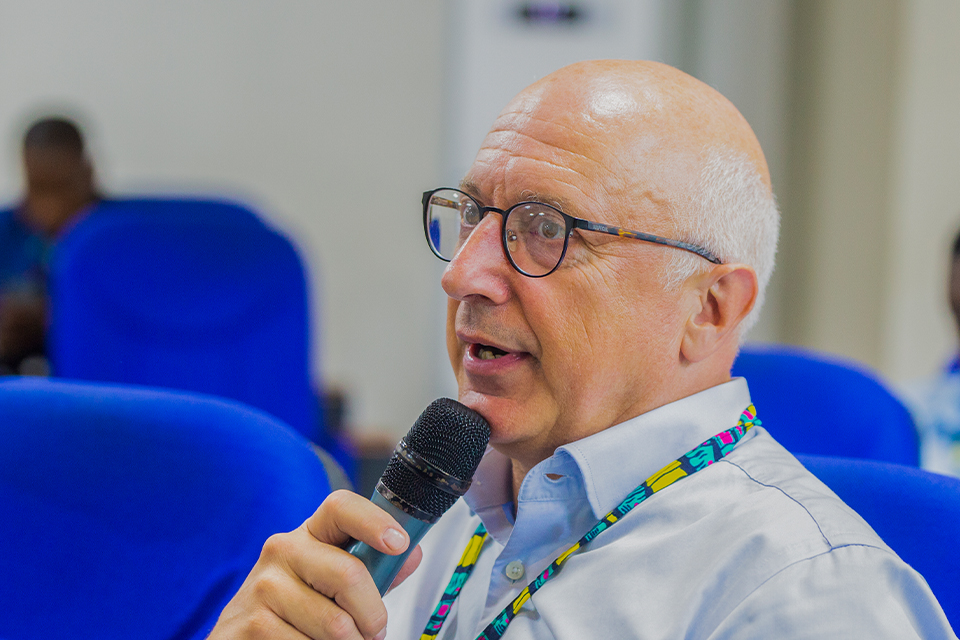
The second day featured a keynote address by John Fredrik Grönvall, who introduced the Initiative for the Global Harmonisation of Accident Data as a comparative tool for analysing global crash patterns. Presentations followed on education, enforcement, vulnerable road users and the Safe System approach.
Topics ranged from professional training frameworks for road safety practitioners and deterrence doctrines in traffic law enforcement to the challenges of sexual harassment in Zambia’s public transport and accessibility in informal urban settlements. Researchers also addressed pedestrian mobility barriers in Lusaka, child road safety knowledge in Ghana and cultural influences such as fatalism on road user behaviours. The evening ended with a social event where participants discussed future AfroSAFE collaborations.
The third day built on these discussions with further focus on enforcement and planning, vulnerable road users and user-infrastructure interactions. Contributions included Owonibi’s mapping of speed-related crashes on the Lagos-Ibadan Expressway, Owusu’s study on tricycle transport risks, and Francis’ assessment of motorcycle driver knowledge in Tanzania.
Damsere Derry analysed speed dispersion and fatal collisions while Nana Nsiah Achampong addressed children’s road safety knowledge. Prof. Sam examined the influence of pedestrian beliefs and superstitions, stressing the need to challenge unsafe cultural attitudes that contribute to accidents.
The final day centred on the Safe System and Vision Zero approach with presentations by Tor Olav Nævestad comparing Safe System readiness in Africa and Europe, Reuben Tamakloe examining crash clusters in vehicles with advanced driving technologies and Sonja Forward investigating the role of fatalism in shaping road use across contexts. These sessions highlighted the importance of systemic, cultural and technological perspectives in driving sustainable change.
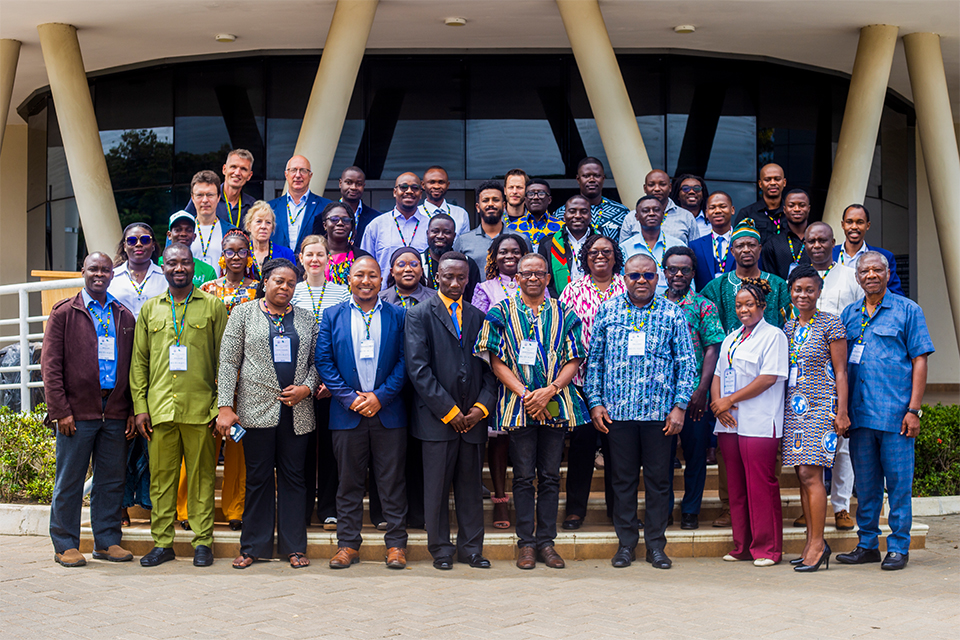
At the closing ceremony, reflections from the rapporteur, the Local Organising Committee chair and the project coordinator reinforced the conference’s role as a platform for shaping continental road safety discourse. Prof. Sam, in his concluding remarks, stressed that Africa has the expertise, passion and innovation required to address its unique road safety challenges. “The Safe System approach provides a pathway where every life matters and every crash is preventable,” he stated.
By the end of the four days, the second AfroSAFE Academy Conference at UEW had not only provided a rich platform for sharing cutting-edge research but also strengthened international partnerships and reaffirmed UEW’s position as a hub for advancing road safety knowledge. The event demonstrated that data-driven initiatives are central to achieving safer roads in Africa and laid the groundwork for policies and practices that prioritise the protection of lives on the continent’s highways.