UEW Bootcamp Prepares Postgraduates for High-Quality Research and Timely Completion


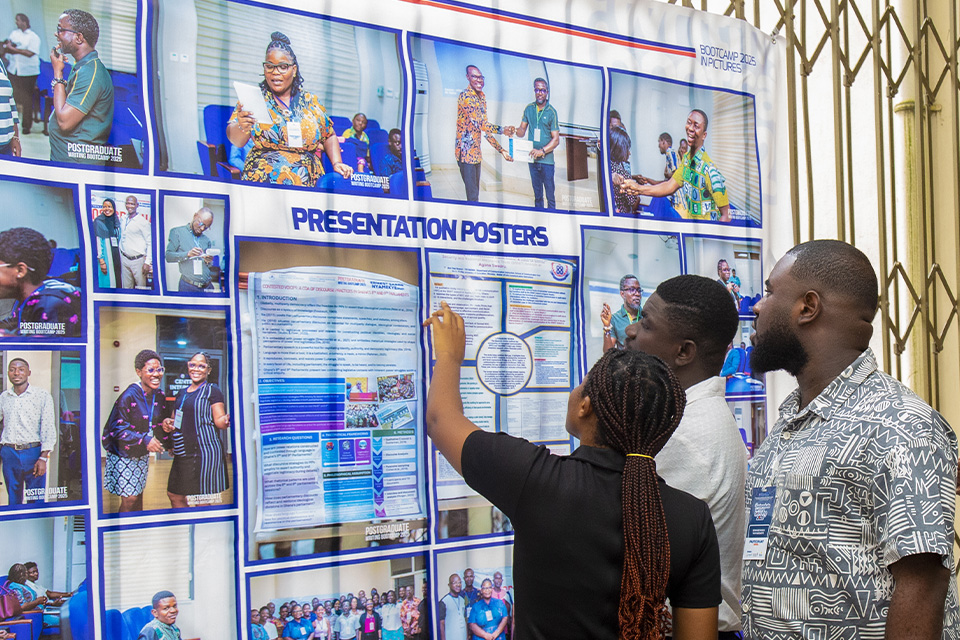
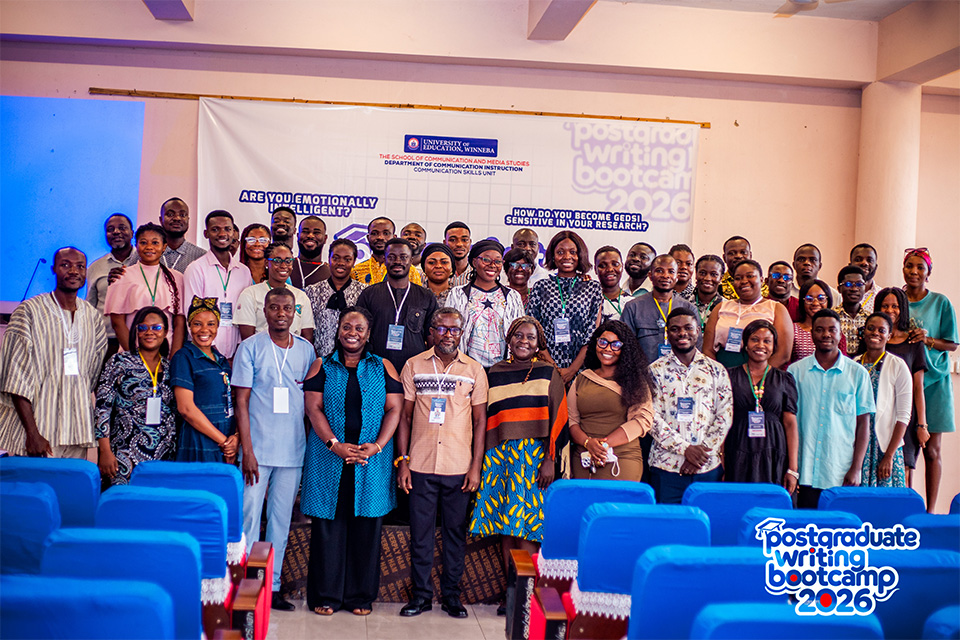
The Department of Communication Instruction at the University of Education, Winneba (UEW) has held the second edition of its postgraduate writing bootcamp.
The programme equipped postgraduate students with practical research, academic writing and publishing skills to enhance the quality and timely completion of their studies.
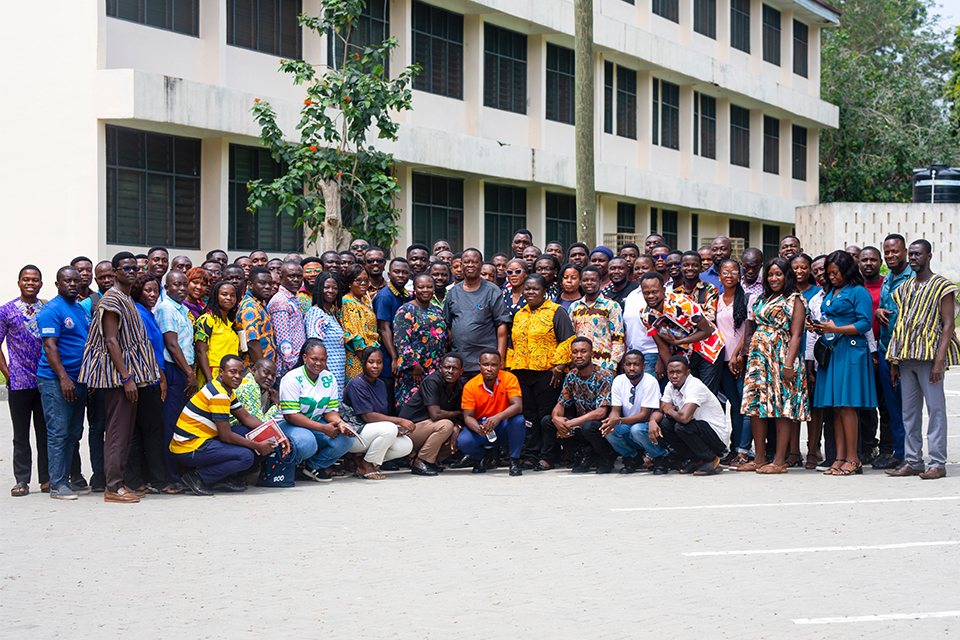
The two-day bootcamp, held from Tuesday, 28th to Wednesday, 29th July, 2026, at the School of Creative Arts (SCA) Conference Room, brought together postgraduate students from the Department of Communication Instruction and for the first time, participants from the Department of Theatre Arts for intensive training led by experienced academics.
The programme featured presentations on emotional intelligence and academic empathy, embedding Gender, Equity, Disability and Social Inclusion (GEDSI) in postgraduate research, ethical research protocols, poster presentations, responsible use of artificial intelligence in research and transforming theses into publishable journal articles. Participants also undertook practical writing exercises using their own research topics and received hands-on guidance from facilitators.
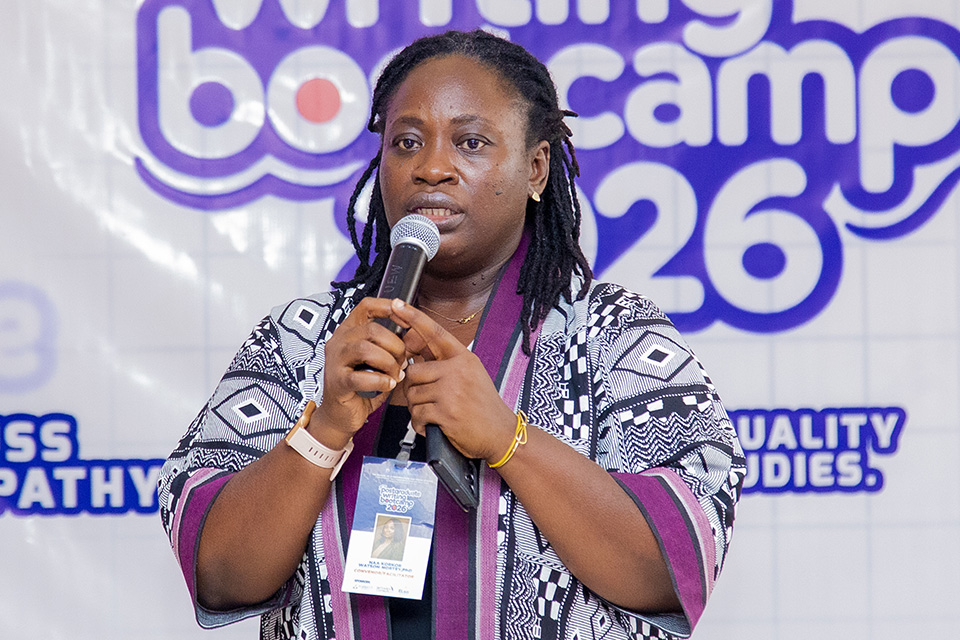
In her welcome address to participants, Dr. Naa Korkor Watson-Nortey, the Head of the Department of Communication Instruction, said the initiative was introduced to expose postgraduate students to best practices in academic writing and research communication while preparing them for international scholarly engagements through poster presentations.
She explained that the bootcamp which began last year, had recorded considerable success and expressed delight that the second edition had expanded to include postgraduate students from the Department of Theatre Arts, creating opportunities for wider interdisciplinary learning.
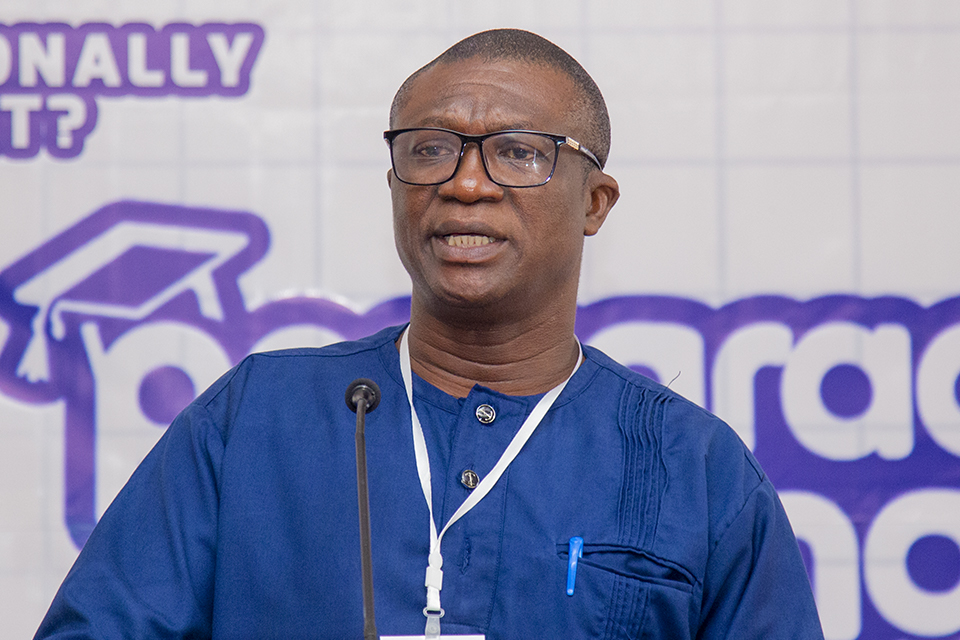
Prof. Albert Agbesi Wornyo, the Dean of the School of Communication and Media Studies, noted that postgraduate education often presents significant challenges for both students and supervisors, making initiatives that strengthen academic relationships and research skills particularly valuable.
He encouraged participants to remain committed to their academic journey. He expressed the hope that the knowledge gained from the bootcamp would help them complete their programmes within the stipulated duration.
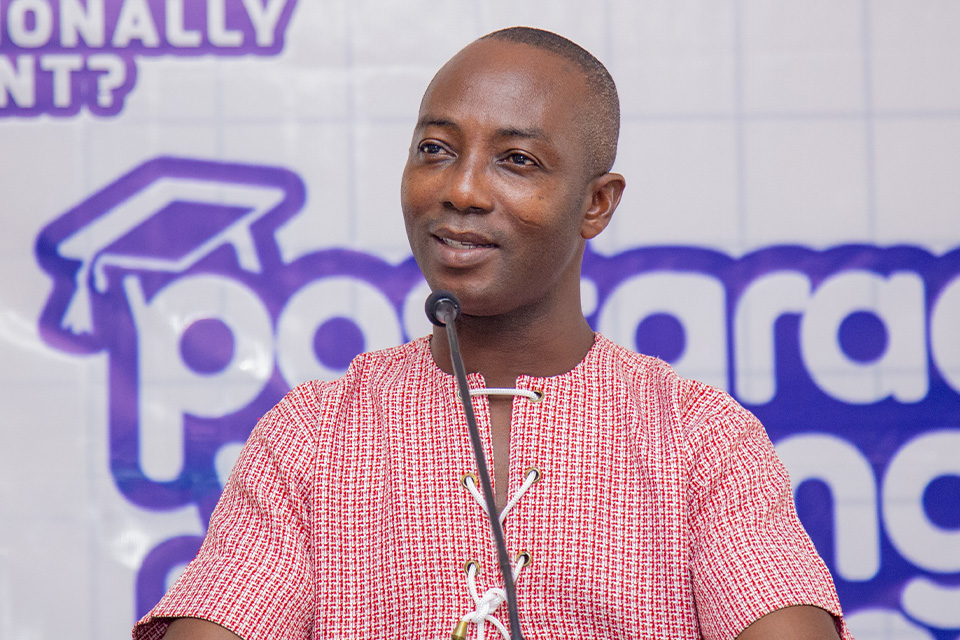
Prof. Emmanuel Obed Acquah, the Dean of the School of Creative Arts, described the bootcamp as an innovative model that deserved to be replicated across the university. He said it had the potential to improve graduate supervision and academic writing.
Prof. Acquah urged students to approach their research with precision, clarity and academic integrity, stressing that postgraduate education extends beyond generating new knowledge to communicating research effectively and ethically.
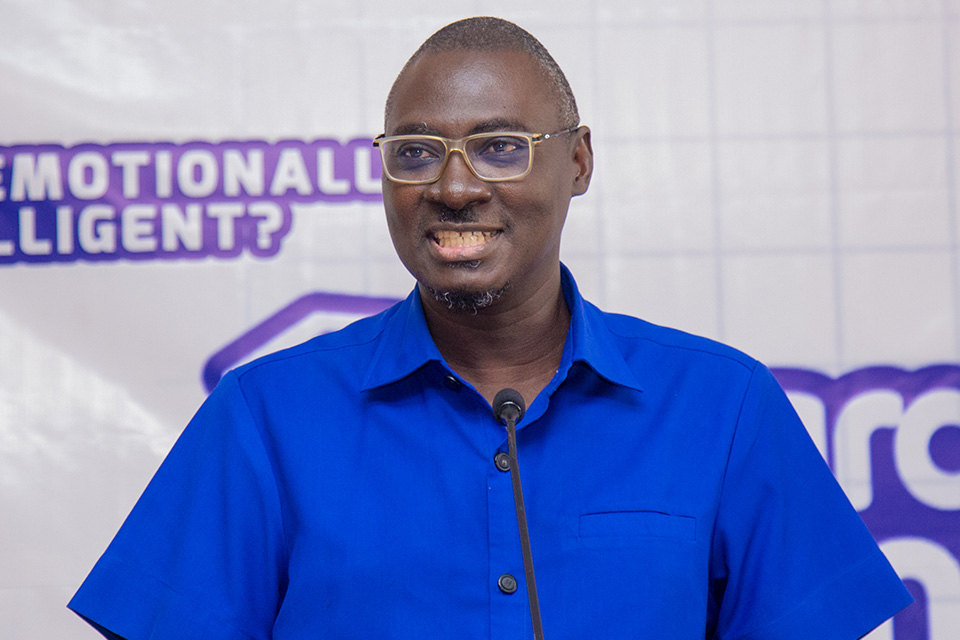
Also addressing the participants, Prof. Ernest Kwasi Amponsah, the Head of the Department of Theatre Arts, encouraged them to make full use of the opportunity, recalling that many academics had completed their postgraduate studies without such structured support.
He commended the organisers for the innovation and announced that the School of Creative Arts intended to replicate the initiative as a faculty-wide postgraduate bootcamp to strengthen research capacity among graduate students.
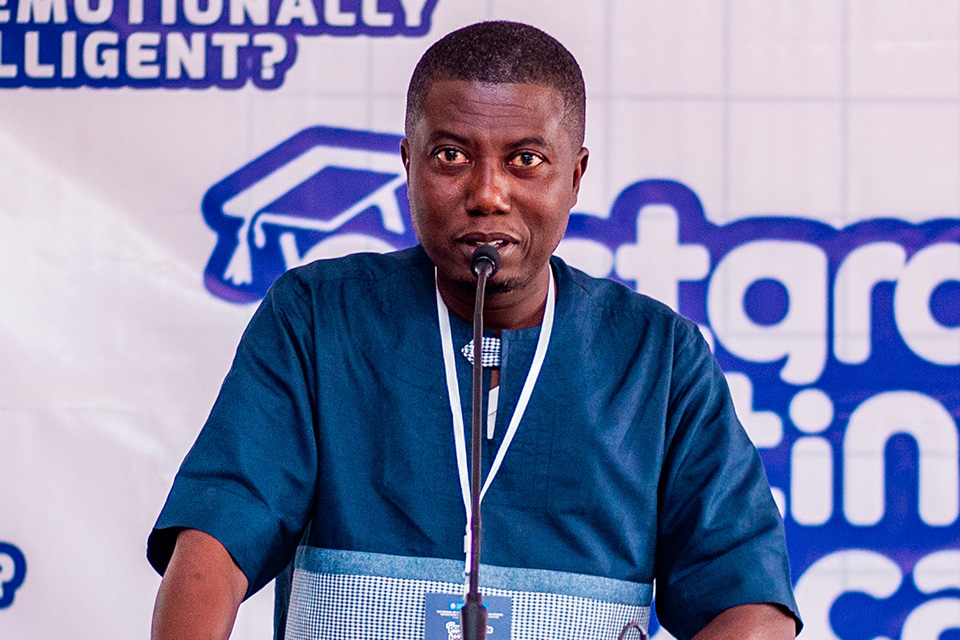
Dr. Samuel Arko Mensah, the co-organiser and moderator of the event, said the bootcamp was designed to expose postgraduate students to best practices that make academic writing more rewarding while easing their postgraduate journey through expert guidance and practical engagement.
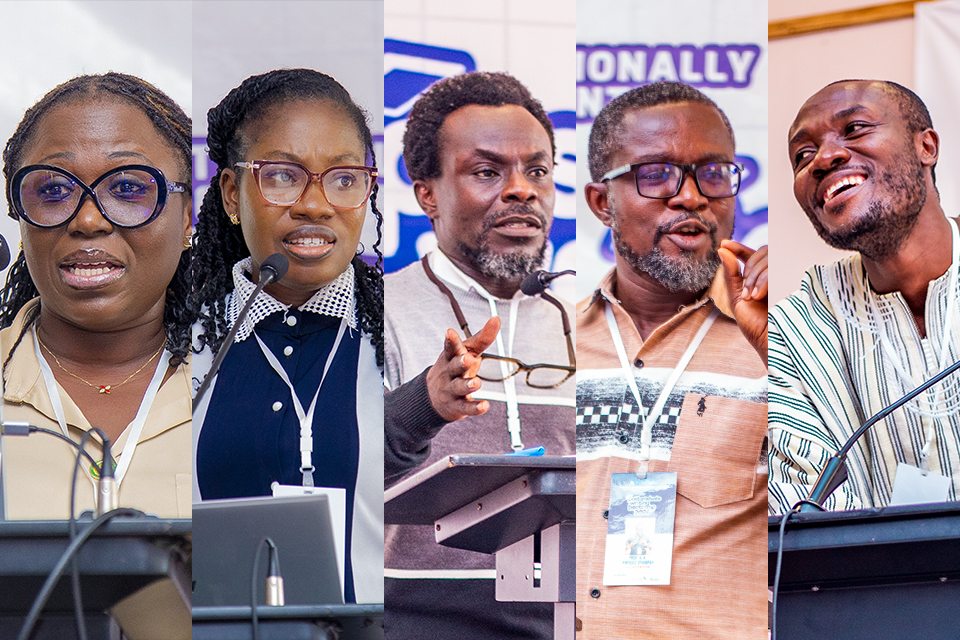
The bootcamp featured expert presentations by Prof. Patricia Mawusi Amos on emotional intelligence and academic empathy at the postgraduate level, Dr. Gifty Nana Yaa Rockson on embedding Gender, Equity, Disability and Social Inclusion (GEDSI) in postgraduate research, Dr. Yaw Asamoah on writing ethical research protocols, Dr. Daniel Danso Essel on responsible use of artificial intelligence in research through his presentation on "AI Giarism" and Prof. Akwasi Kwarteng Amoako-Gyampah on transforming theses into publishable journal articles.
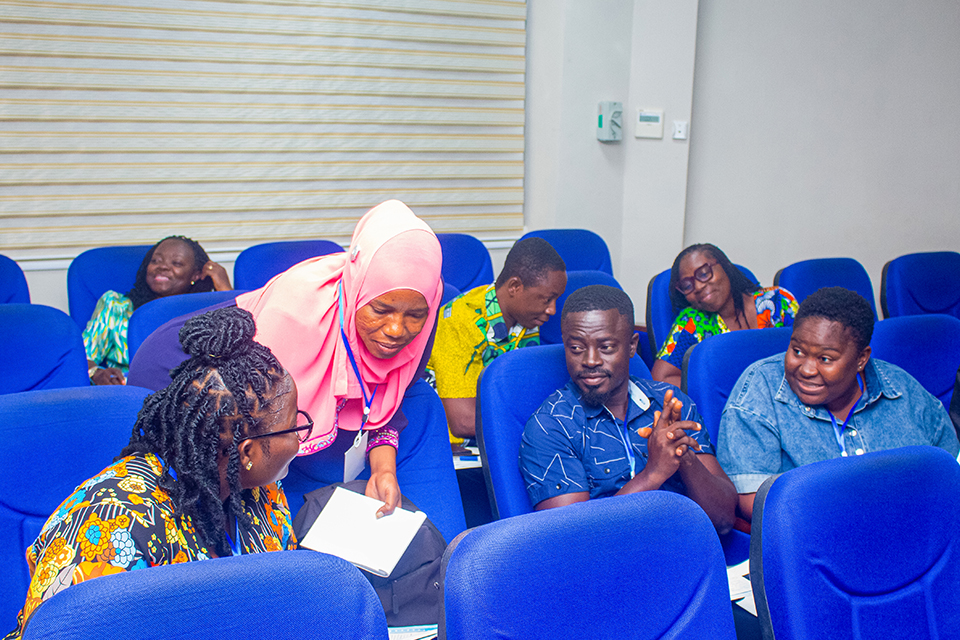
The sessions were complemented by practical writing exercises that enabled participants to apply the concepts directly to their own research projects and theses.