UEW Model Basic School Committee Engages Stakeholders in Ultramodern Project


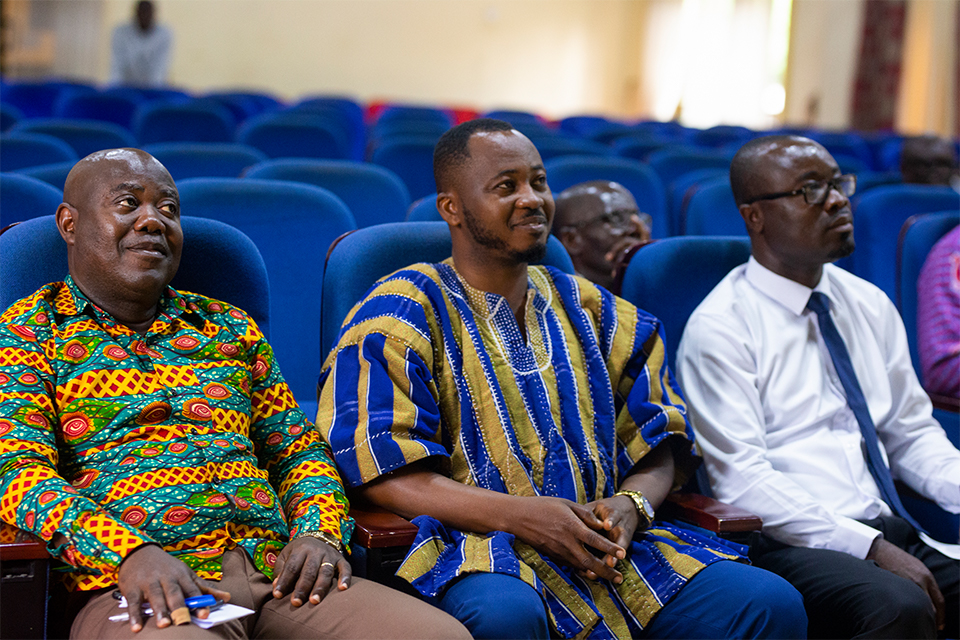
The University of Education, Winneba (UEW) Model Basic School Committee on Tuesday, 16th September, 2025, held a stakeholder meeting to deliberate on the planning and implementation of the proposed Ultramodern Inclusive Model Basic School Project.
The meeting brought together senior administrators, architects, faculty and other stakeholders to review designs, financial strategies and implementation plans for the flagship initiative.
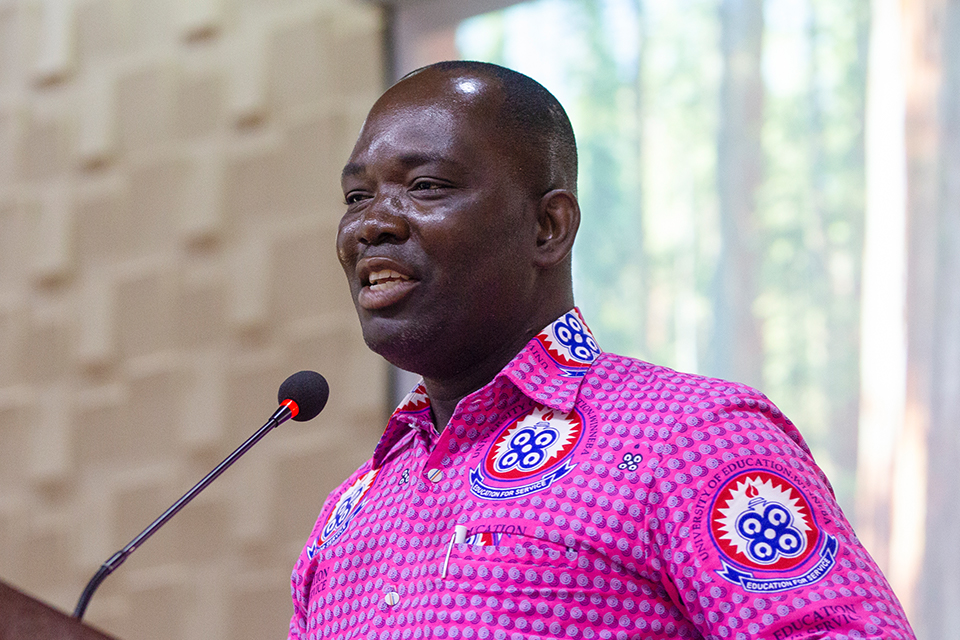
Prof. Enoch F. Sam, Chairman of the UEW Model Basic School Committee, welcomed participants and explained that the committee was formed by management in July 2025 with a mandate to propose a 3D plan for the school, identify potential partners, develop fundraising strategies and recommend sustainable income-generating avenues. He said the committee had already produced preliminary designs and financial models but convened the meeting to incorporate broader stakeholder input.
Prof. Sam emphasised that inclusion had emerged as a major priority after initial consultations with management. “We invited you here so that together we can improve what we have done so far,” he remarked. He hinted at plans to secure seed funding internally before approaching external donors, noting that demonstrating UEW’s own commitment would strengthen its support case.
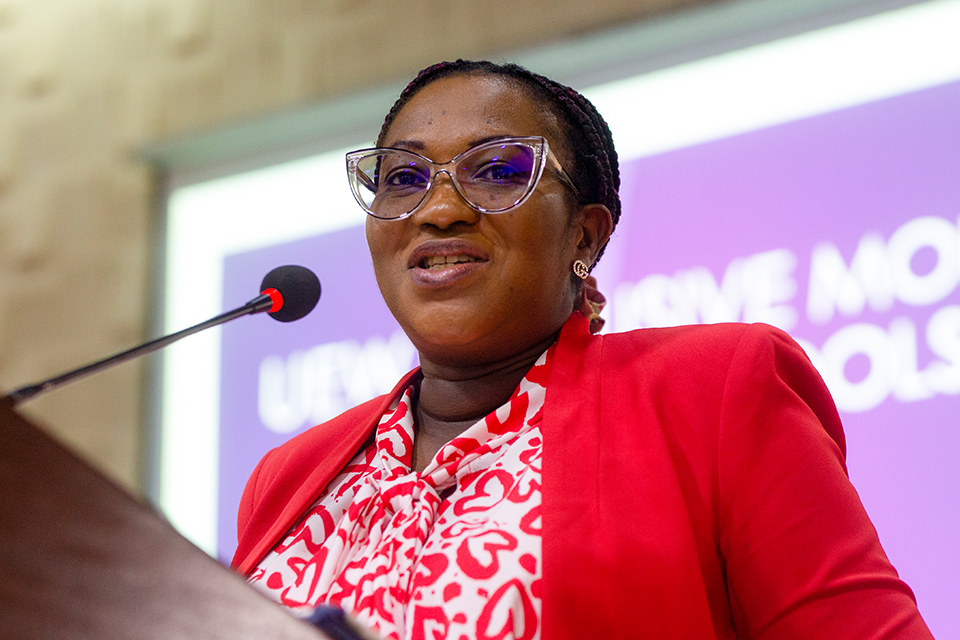
Arc. Akua Nyarko Cofie, Senior Architect at the UEW Development Office, presented the proposed design for the UEW Inclusive Basic School. She explained that while UEW already operates a basic school, the new project aims to establish a model institution integrating inclusive education, STEAM, digital literacy and recreation at preschool, primary and junior high levels.
Captured in UEW’s 2025–2030 Strategic Plan, the design proposes 51 inclusive classrooms and eight specialised pull-out rooms for students with special needs, accommodating about 1,300 learners. Facilities include smart classrooms with Wi-Fi, mini-libraries, ICT and robotics labs, music and dance studios, safe playgrounds, accessible ramps and elevators, solar power, rainwater harvesting and green landscaping.
Inspired by the traditional courtyard concept, the layout is designed to enhance social interaction, daylighting and natural ventilation. The project, estimated at $8.54 million (₵93 million) will be implemented in phases over four and a half years. Arc. Akua Cofie said the initiative is “future-ready, inclusive and ICT-enhanced” and is expected to set a benchmark for basic education in Winneba and beyond.
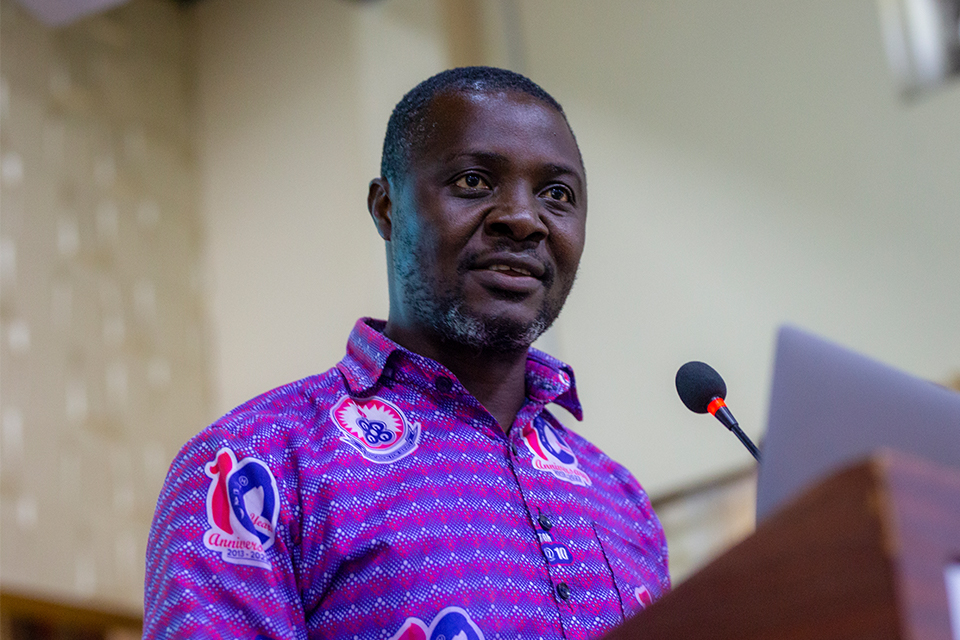
Dr. Richard Osei Agjei, a committee member, highlighted the financial and resource considerations underpinning the project. He said the estimated cost, at $13.5 million, reflects the school’s ambitious scope but expressed confidence that strong emphasis on inclusivity would attract funding. He indicated that the project aligns with Ghana’s Education Strategic Plan (2025–2030) and the United Nations Sustainable Development Goals on quality education and reduced inequalities.
Dr. Agjei outlined a multifaceted funding strategy combining UEW’s own seed capital, support from government agencies such as GETFund, partnerships with international organisations like UNICEF, the World Bank, UNESCO, JICA and Erasmus+ and corporate social responsibility contributions from telecom, banking and oil and gas companies. He added that alumni and individual donors would also be invited to contribute.
“To sustain operations, the committee plans to create an endowment fund, generate revenue from facility rentals and partner with industry sponsors for STEAM incubation programmes,” he said. He revealed that solar power and rainwater harvesting would cut utility costs significantly.
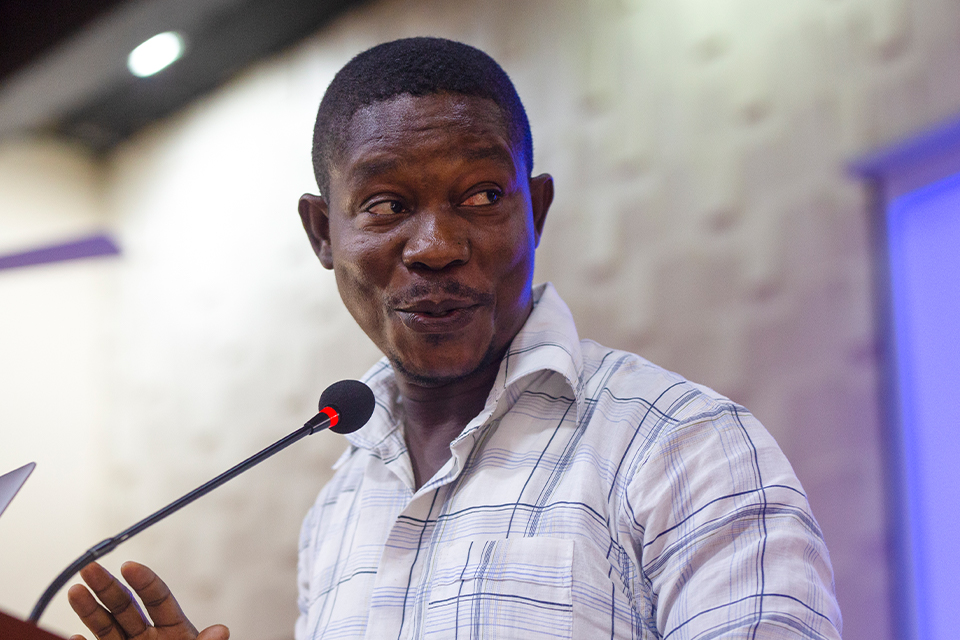
Dr. Philip Siaw Kissi, another committee member, summarised stakeholder contributions during the open forum. He noted suggestions to integrate the project explicitly with SDG 4.3 in funding proposals, incorporate a sports complex, clarify class-size criteria and refine the use of terms such as “ultramodern” and “state-of-the-art.”
Participants also raised concerns about security during phased construction, alignment with UEW’s project management policies, inclusion of psychological services and special education expertise, provision for boarding facilities and specialised vehicles for students with disability, and the need for an inclusive education policy document to guide implementation.
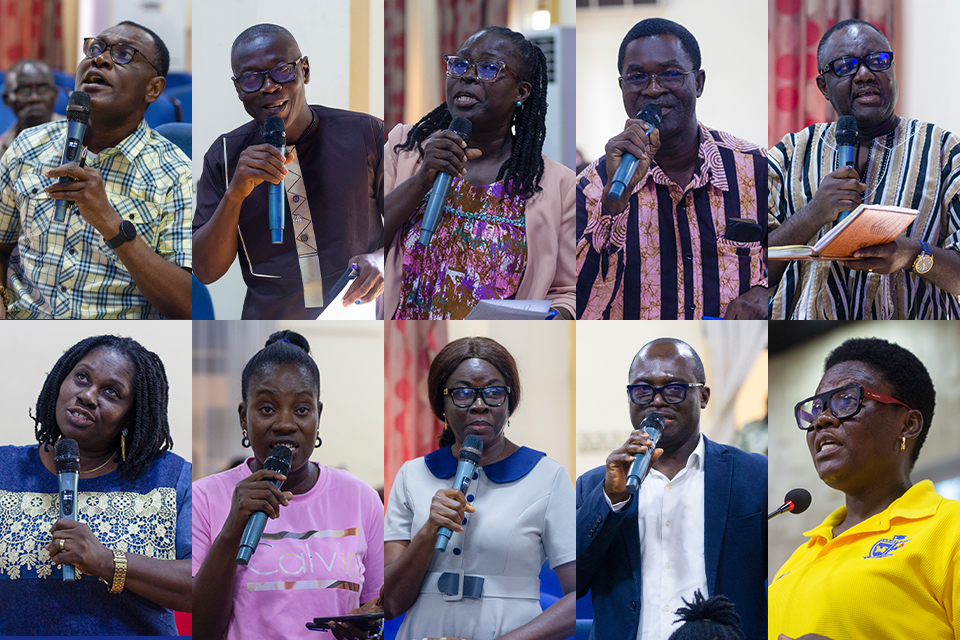
Additional proposals included replacing “pull-out rooms” with “learning support rooms,” infusing African cultural elements into architectural designs, enhancing ventilation and ensuring collaboration with relevant UEW departments on facilities such as science, home economics and health. Dr. Kissi said these inputs would be considered as the committee revises the plans.
The engagement ended with a renewed commitment by UEW management, architects and committee members to refine the designs, strengthen funding strategies and work collaboratively to deliver the Ultramodern Inclusive Model Basic School Project. When completed, the school is expected to become a national flagship for inclusive, technology-driven and sustainable basic education