SCMS-UEW Postgraduate Students Showcase Community-Centred Solutions Through Development Communication Projects


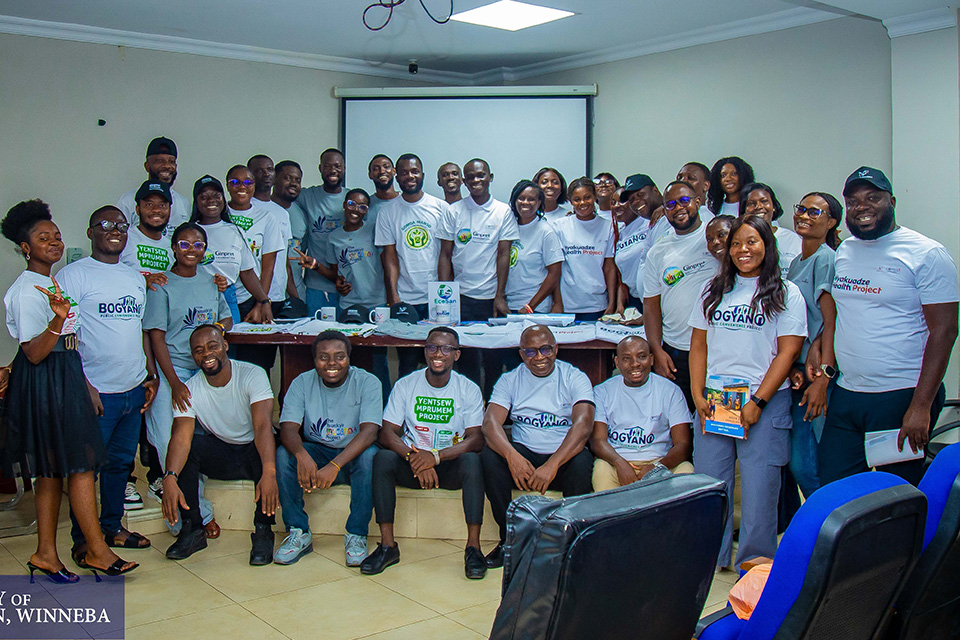
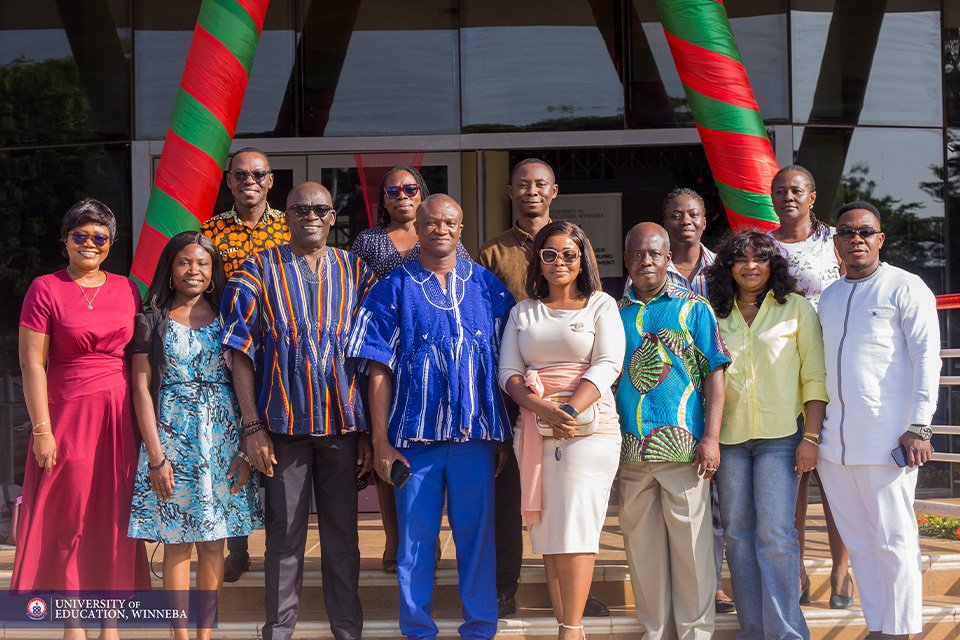
Master of Arts students at the School of Communication and Media Studies (SCMS), University of Education, Winneba (UEW), have presented innovative, community-driven development projects aimed at addressing socio-economic challenges across selected communities.
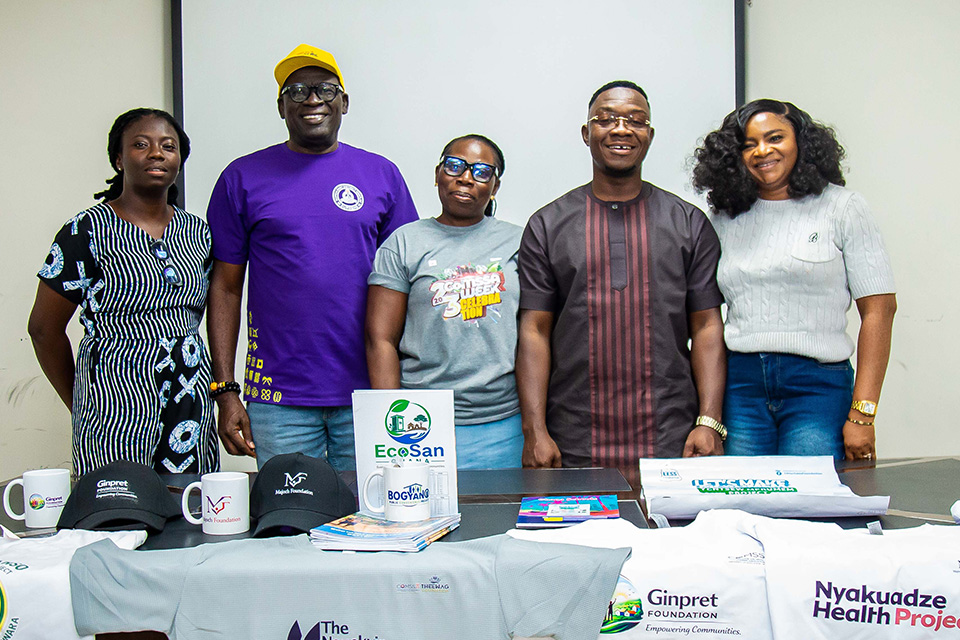
The presentations, held at the Students Centre Seminar Room III on Thursday, 30th April, 2026, formed part of the end-of-first-semester assessment for the course COM 706: Development Communication. Six groups showcased projects spanning sanitation, education and healthcare, demonstrating the practical application of participatory communication strategies to real-life development issues.
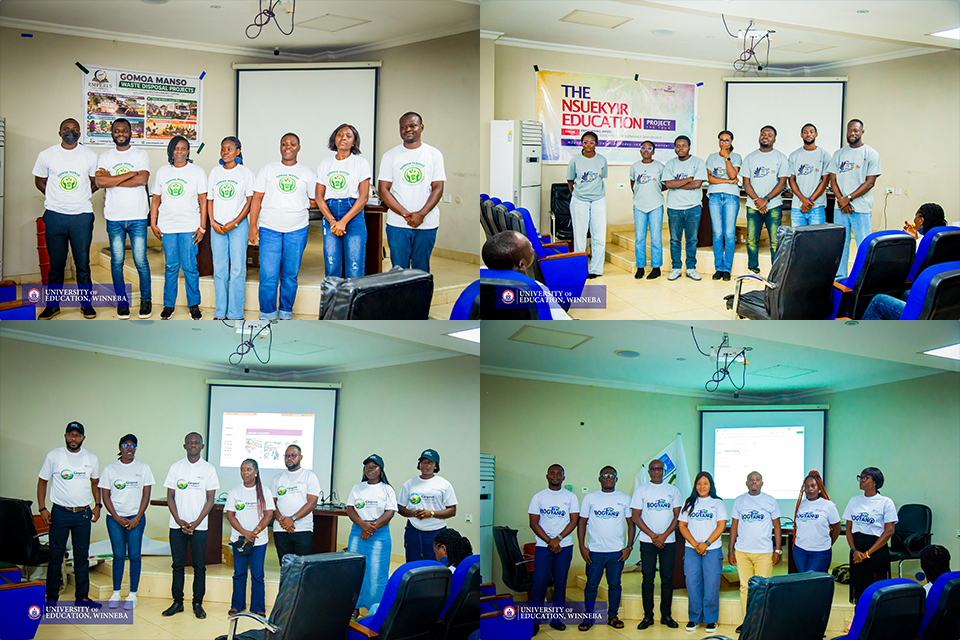
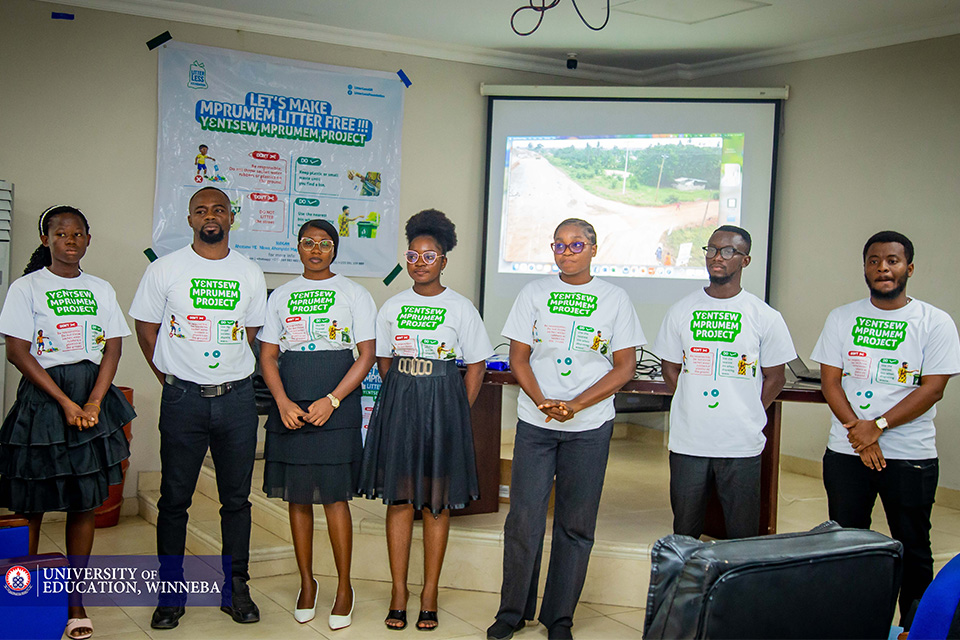
The projects included Ginpret Foundation’s Gomoa Nsuaem Public Toilet Project, Emperls Group’s Gomoa Manso Waste Disposal Project, Theewag Foundation’s Nsuekyir Education Project, Litter Less Foundation’s Yɛntsew Mprumem sanitation initiative, EcoSan Foundation’s Bogyano Public Convenience Project and Majoach Foundation’s Nyakuadze Health Project.
The Emperls Group’s intervention in Gomoa Manso addressed persistent sanitation challenges caused by indiscriminate waste disposal. The project adopted behaviour change communication and community participation as core strategies to promote collective responsibility and long-term environmental sanitation.
Similarly, Theewag Foundation’s Nsuekyir Education Project responded to multiple developmental challenges identified through community consultations including poor sanitation, unemployment and limited access to education. The group prioritised education as the most critical need, designing interventions focused on youth empowerment, mentorship and sustained school participation.
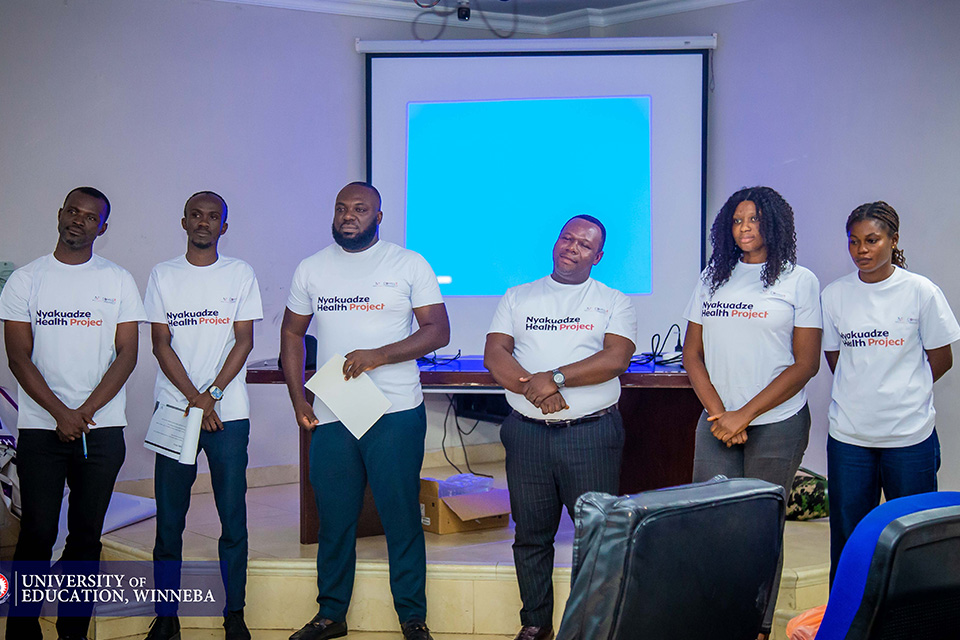
In the health sector, Majoach Foundation’s Nyakuadze Health Project sought to improve access to healthcare and promote preventive health practices. The group proposed the establishment of a one-room health pavilion to provide essential medical services, while emphasising the role of community engagement in achieving long-term health outcomes.
Across all presentations, a common thread was the emphasis on participatory development, with students highlighting the importance of stakeholder engagement, behaviour change communication and local ownership in ensuring sustainable impact.
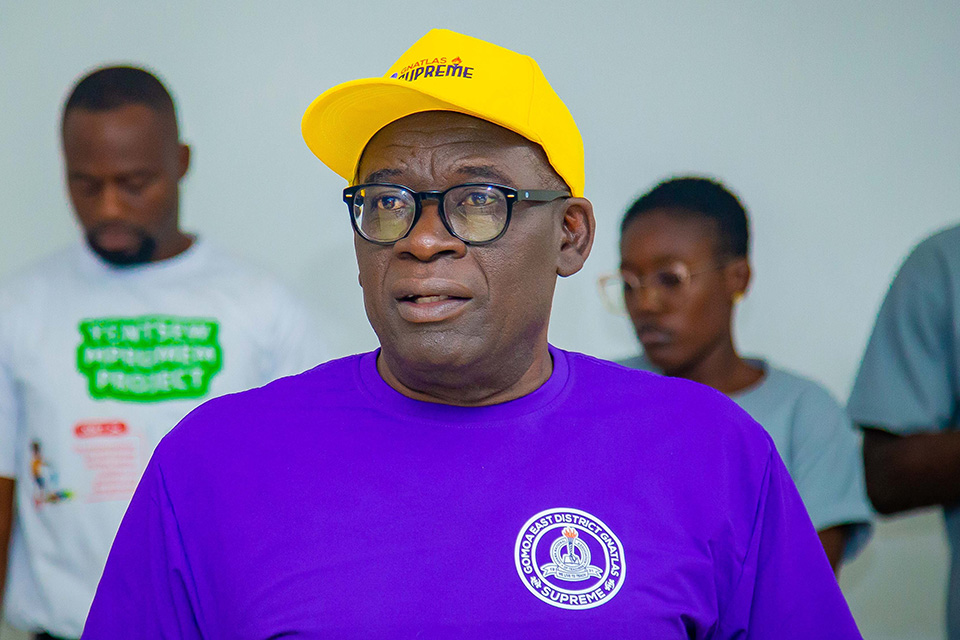
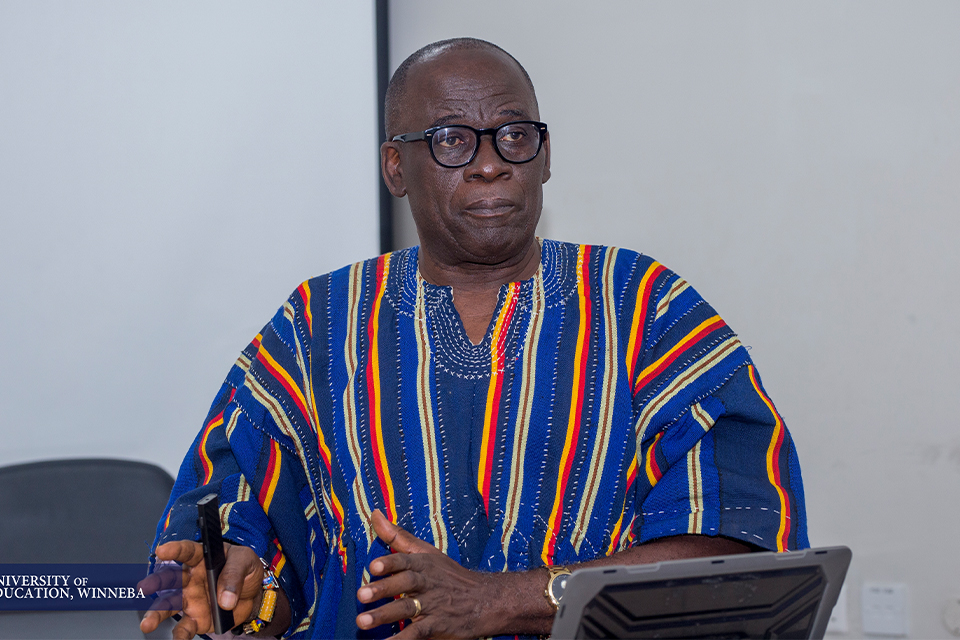
Prof. Andy Ofori-Birikorang, Course Lecturer, commended the students for their commitment, resilience and investment in executing the projects. He noted that the exercise represents the 16th cohort of Development Communication presentations at the School. He acknowledged the challenges associated with group work and field engagement but described the outcomes as a testament to the students’ dedication and practical learning.
He further encouraged the students to extend the projects beyond the classroom, citing past examples where student-led initiatives evolved into fully implemented community interventions with institutional support.
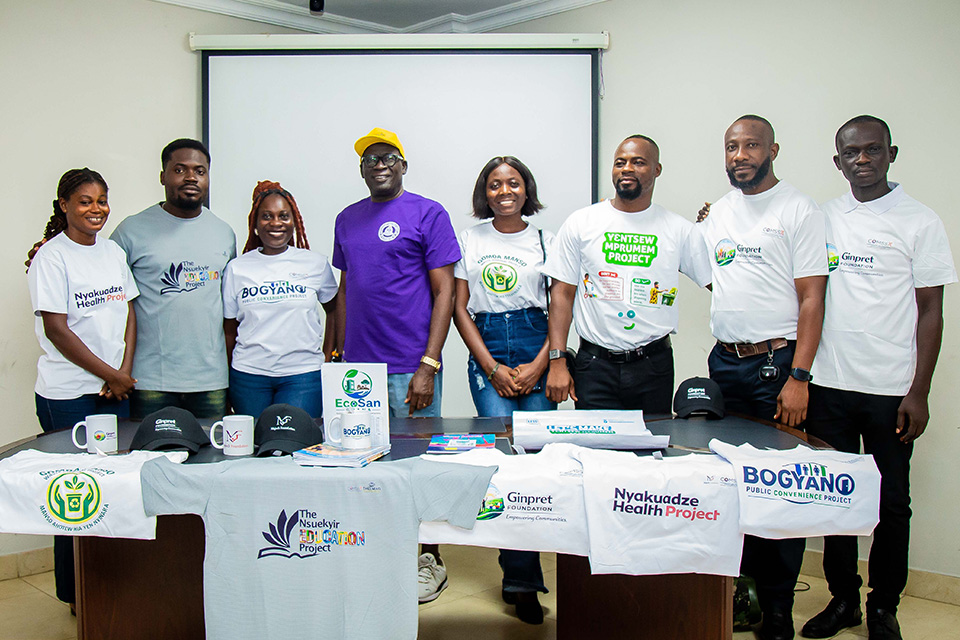
Prof. Ofori-Birikorang also revealed plans for a future university-wide exhibition that would showcase outstanding student projects. He urged participants to preserve their work for possible selection and broader visibility.
The presentations underscored the relevance of development communication as a tool for social transformation, demonstrating how strategic communication, when combined with community participation, can effectively address complex development challenges. The exercise forms part of UEW’s broader commitment to experiential learning, equipping students with the skills and knowledge required to drive sustainable development and societal change.