UEW Graduate Students Challenged to Transform Research into Real-World Impact


The University of Education, Winneba (UEW) has challenged graduate students to move beyond producing theses for academic certification and translate their research findings into practical interventions that improve lives and educational practice.
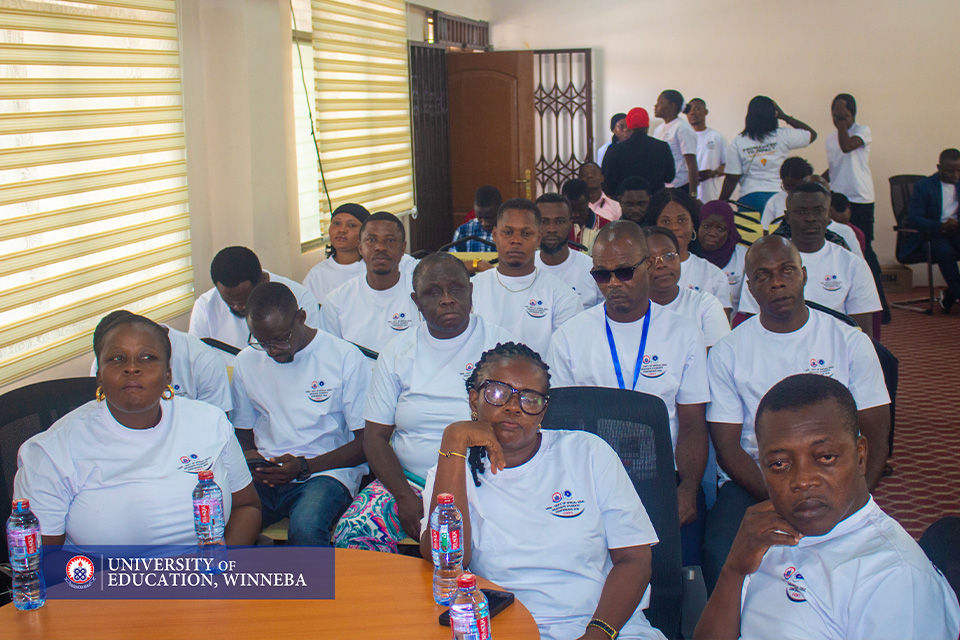
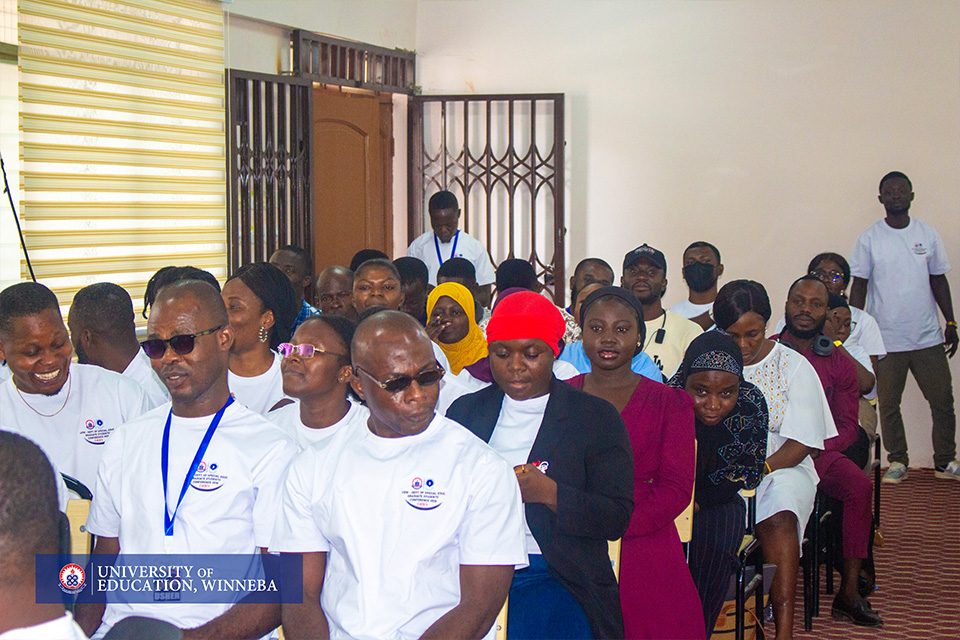
The call was made at the 2026 Graduate Students Conference organised by the Department of Special Education, Faculty of Applied Behavioural Sciences in Education, under the theme “From Thesis to Impact: Applying Qualitative Research in the Ghanaian Context.”
Held at the Right to Play Centre of Excellence at the Business Block on Thursday, 7th August, 2026, the conference sought to bridge the gap between academic research and practical solutions to educational and societal challenges in Ghana.

Delivering the keynote address, Prof. Richardson Addai-Mununkum, Head of the National Centre for Research into Basic Education (NCRIBE), challenged graduate researchers to consider who would benefit from their research five years after graduation. He stressed that the success of a thesis should not be measured merely by academic completion.
He urged students undertaking qualitative research to focus on genuine, context-specific problems, properly conceptualise their research questions and select appropriate research designs. He also stressed the need for researchers to generate rich and credible data through interviews, observations and document analysis and analyse the data for meaning rather than merely describing participants’ responses.
Prof. Addai-Mununkum further urged the students to give their theses “multiple lives” by translating research findings into policy briefs, teacher guides, community engagement initiatives and accessible social media content.
Using examples involving persons with special educational needs, he demonstrated how research that captures lived experiences can generate public understanding and contribute to policy change. He therefore encouraged students to pursue research capable of improving the lives of learners, particularly persons with disabilities.

The Chairperson for the conference, Dr. Serwaa-Ameniampong Dosoo, Lecturer at the Department of Audiology, Speech and Language Therapy at the University of Ghana, commended the initiative for creating a platform for graduate students to make their research more practical and impactful.
She observed that many theses produced in Ghana ended up on bookshelves after graduation without their findings being translated into practical outcomes. She expressed the hope that the conference would encourage students to deliberately consider how their research could make a difference beyond the university.
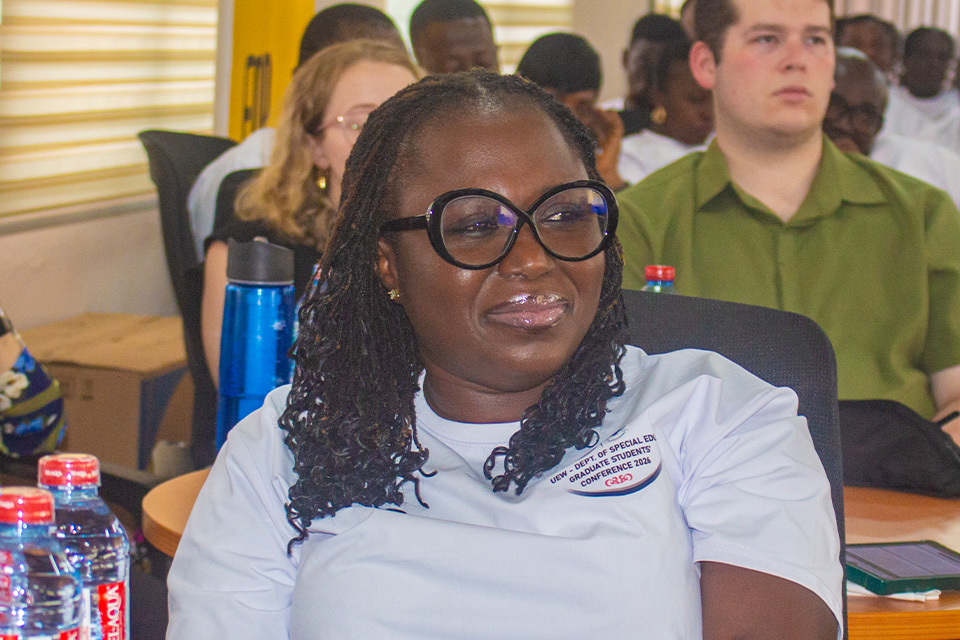
Prof. Patricia Mawusi Amos, Dean of the Faculty of Applied Behavioural Sciences in Education, also commended the initiative. She said it offered graduate students an opportunity to learn from one another and explore ways of translating research into meaningful change.
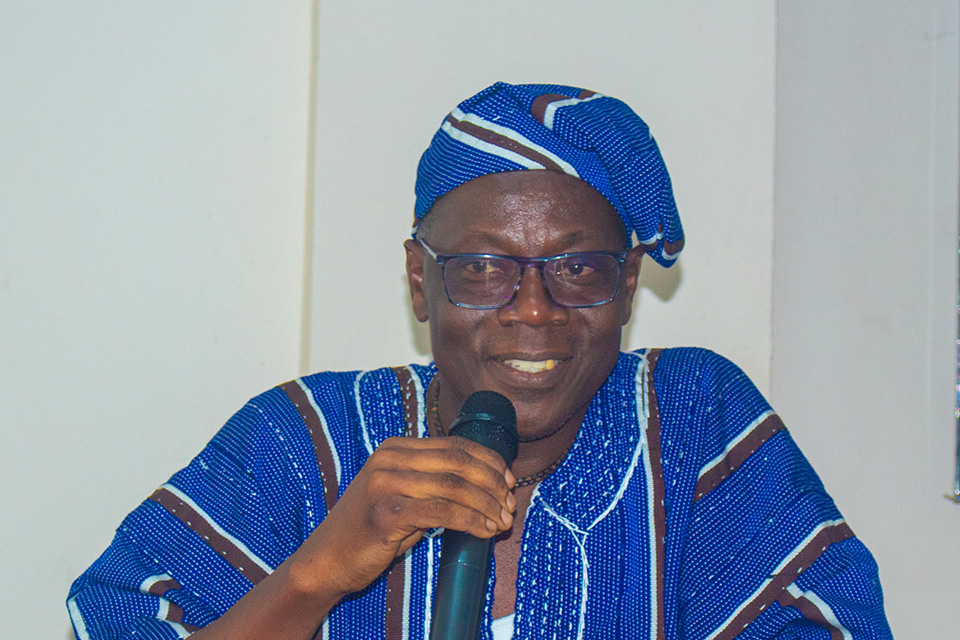
Prof. Yaw Nyadu Offei described the conference as an innovative approach to graduate education. He noted that meaningful academic learning could take place through workshops, seminars and conferences in addition to formal classroom instruction. He encouraged the University to sustain such initiatives to expose graduate students to academic networking, research presentation and constructive feedback.

Dr. Daniel Fobi, a Senior Lecturer at the Department of Special Education, explained that the conference was organised to make research and learning more engaging while allowing graduate students to take ownership of an academic event. He encouraged the students to present their ideas confidently, engage experienced academics and use feedback to strengthen their research.
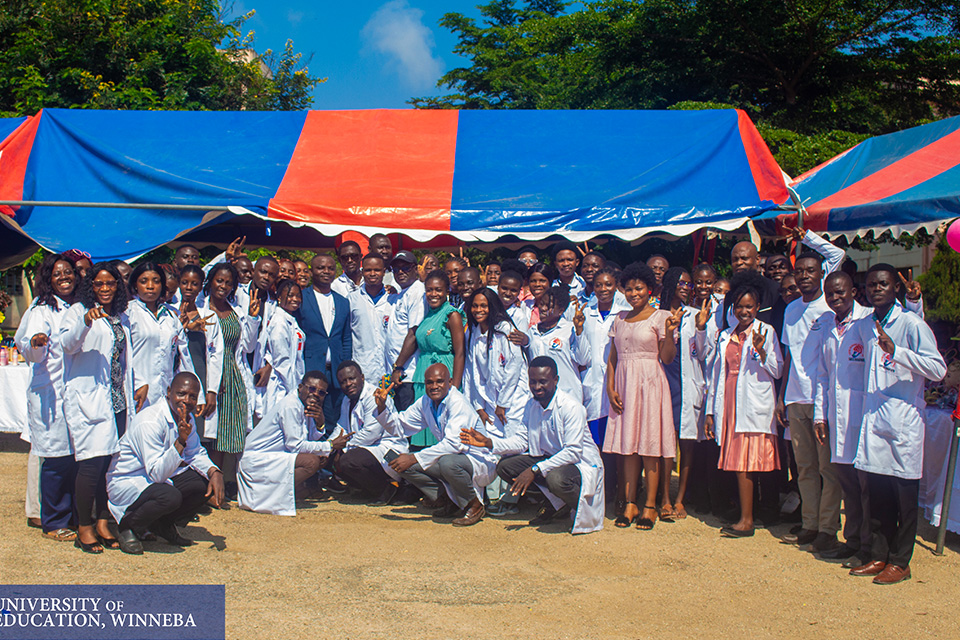
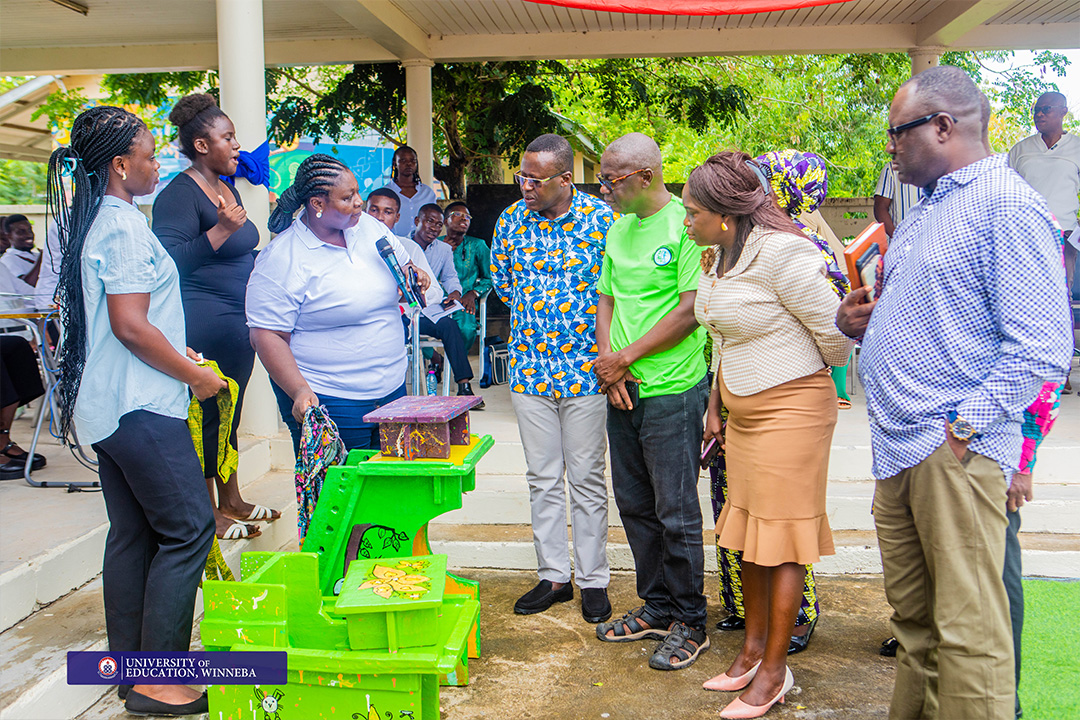
As part of the conference, Level 300 students of the Department of Special Education mounted an exhibition to showcase practical skills acquired through the course “Preparing the Hearing Impaired for Independent Living”. The exhibition featured products and services including fascinators, shower gel, liquid soap, yoghurt, bead-making, balloon decoration and flower decoration.
The practical component of the course is intended to equip students with skills for self-reliance and entrepreneurship, particularly where immediate formal employment opportunities may be limited.
The conference and exhibition collectively highlighted the importance of connecting academic learning and research with practical solutions, skills development and meaningful societal impact.