UEW Political Science Colloquium Calls for Stronger Measures to Protect Ghana’s Environment


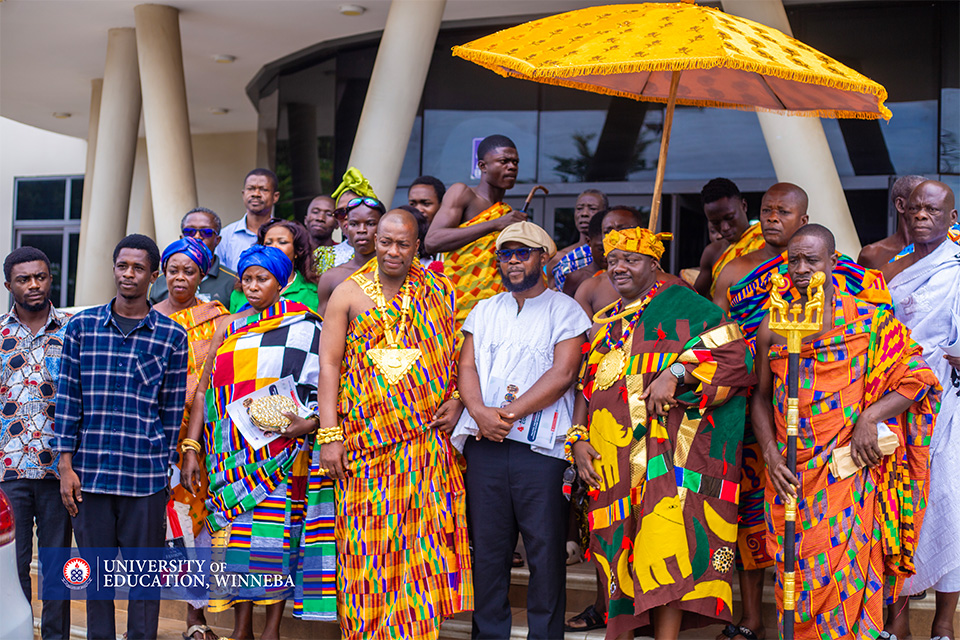
The Department of Political Science Education at the University of Education, Winneba (UEW) has called for stronger political commitment, consistent enforcement of environmental laws and evidence-based interventions to tackle Ghana’s growing environmental challenges.
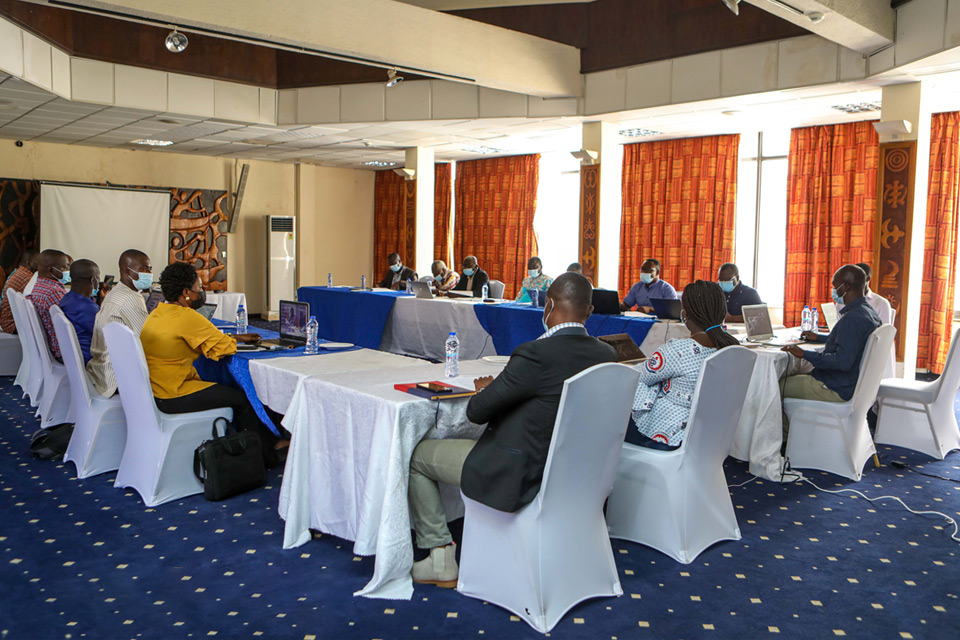
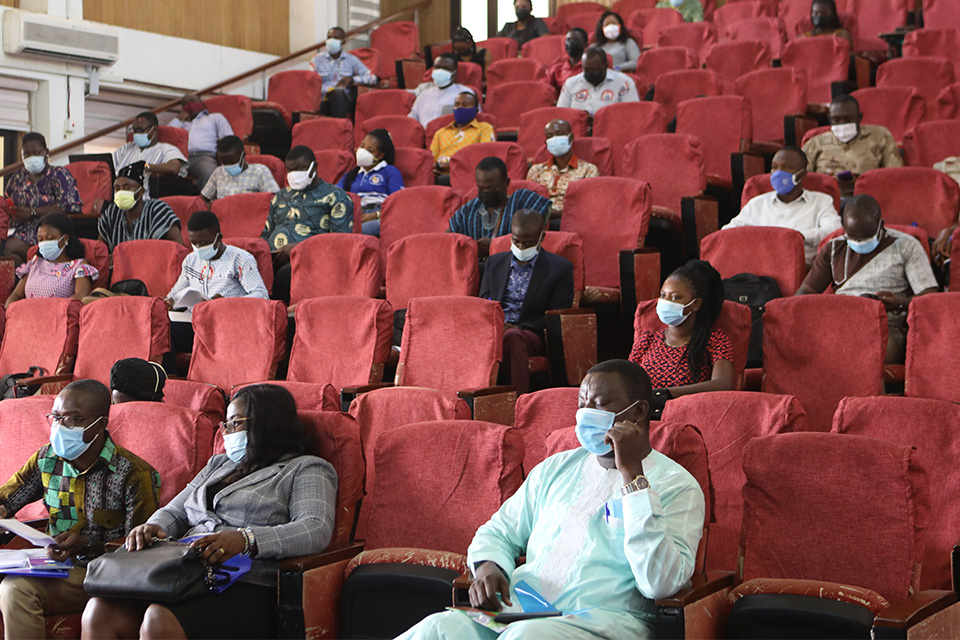
The call was made at the Department’s 4th Annual Colloquium held on Wednesday, 2nd September, 2026, at the Students Centre Seminar Room III. The colloquium, under the theme “Politics, the Environment and Our Common Future: Ghana at a Crossroads?”, brought together scholars, traditional authorities, students and other stakeholders to examine the political, economic and social dimensions of environmental degradation and identify practical pathways towards sustainability.
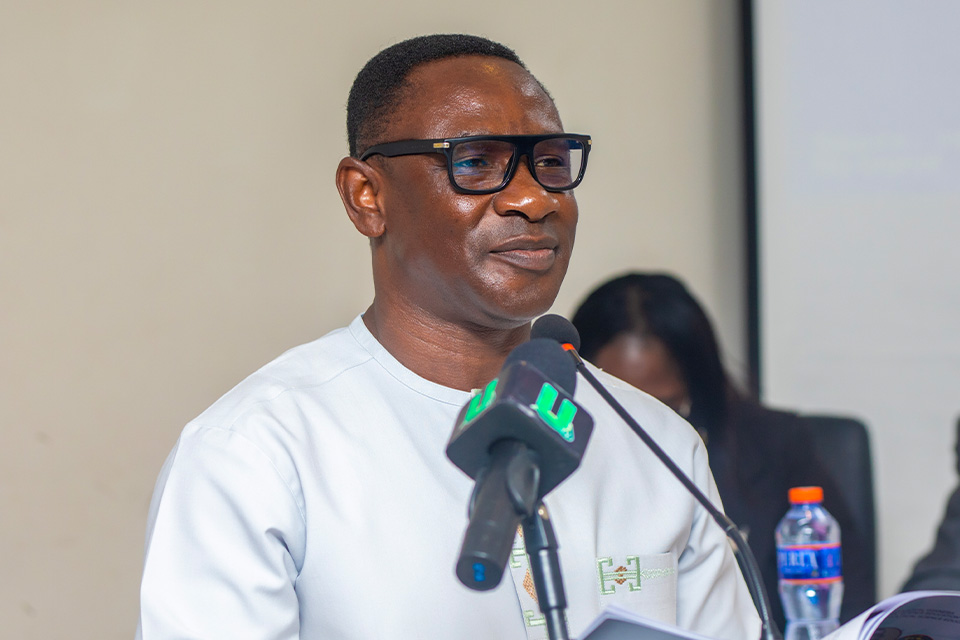
Opening the programme, the Head of the Department, Prof. Gabriel K.A. Botchwey, described Ghana’s environmental situation as a critical crisis requiring a decisive shift from analysing problems to developing and implementing solutions. He highlighted climate change, illegal mining and the destruction of forests and water bodies as major threats and urged scholars to translate research and evidence into policies capable of reversing environmental degradation. He challenged participants to move “from analysis to advocacy, from research to resolve and from resolve to action.”
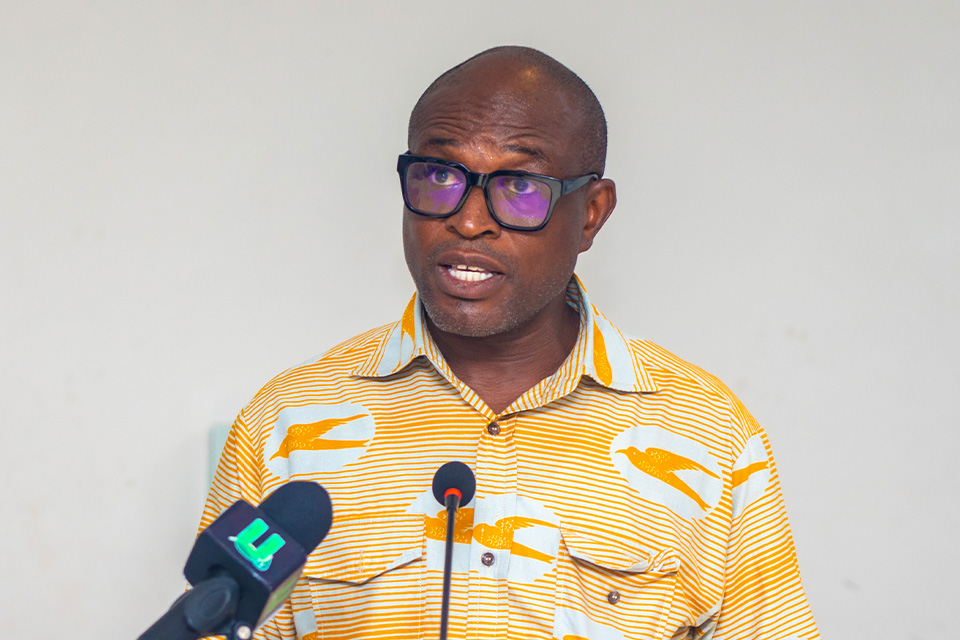
The Dean of the Faculty of Social Sciences Education, Prof. Anselm Komla Abotsi, said the theme addressed an urgent national concern, noting that Ghana’s natural resources which should drive development, had increasingly become associated with illegal mining, pollution, coastal erosion and poor waste management. He stressed the need to examine the connections between governance, public policy and environmental sustainability rather than relying on simplistic condemnation.
He expressed the hope that the colloquium would generate practical ideas on natural resource management, climate policy, traditional authority, local governance, urbanisation, waste management and the transition to a just and green economy.
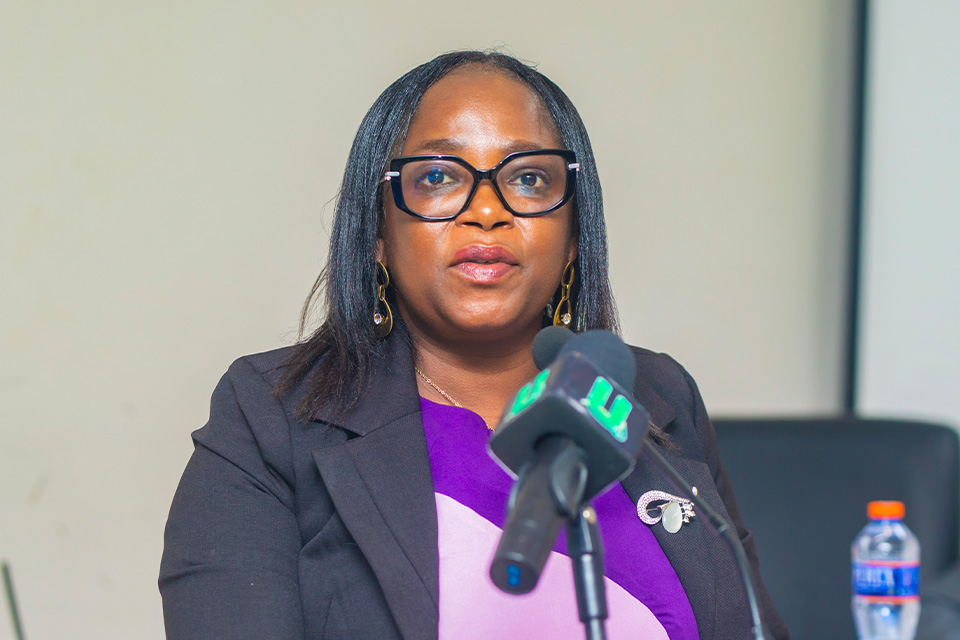
Chairing the programme, the Pro-Vice-Chancellor of UEW, Prof. Esther Yeboah Danso-Wiredu, emphasised the close relationship between politics and environmental management. She observed that decisions on mining, forests, water bodies, urban development, waste disposal, energy and climate change are shaped by political institutions and public policy. She therefore called for a broad-based approach involving Parliament, traditional authorities, businesses, civil society organisations, communities, universities, the media and citizens.
She also underscored the universities’ responsibility to produce credible evidence, challenge assumptions, evaluate policies and develop innovative solutions to national problems.
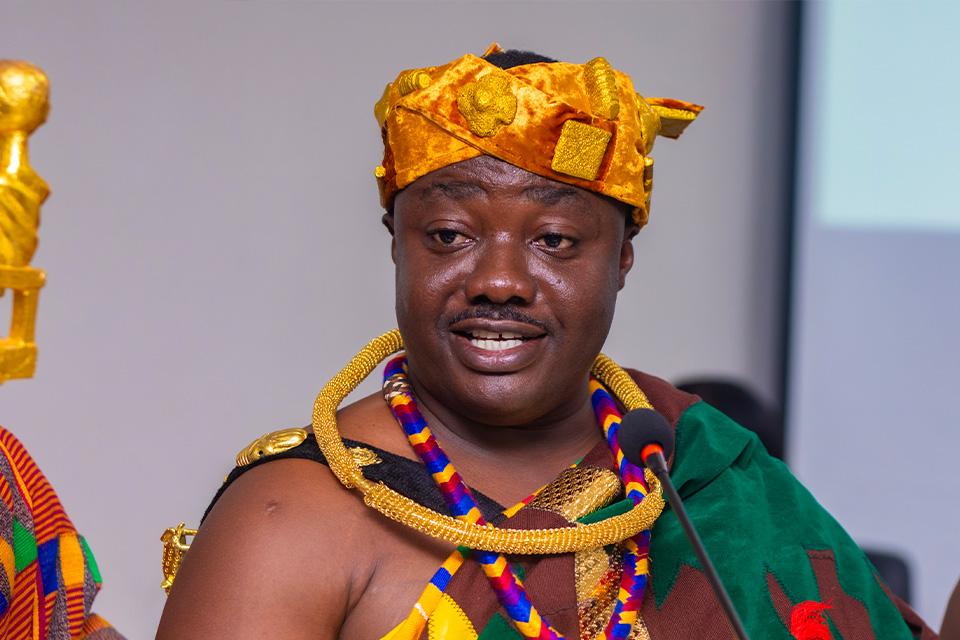
The Chief of Akyem Esaase, Apapam and Guest of Honour, Baffour Kwaku Sono Sikabede, called for traditional authorities to be recognised as active partners in environmental protection and enforcement. He argued that Ghana already had substantial environmental legislation but that the major challenge was the consistent and impartial application of existing laws. He advocated firm action against illegal mining, irrespective of the status or connections of those involved and urged government agencies to consult traditional authorities before granting mining concessions.
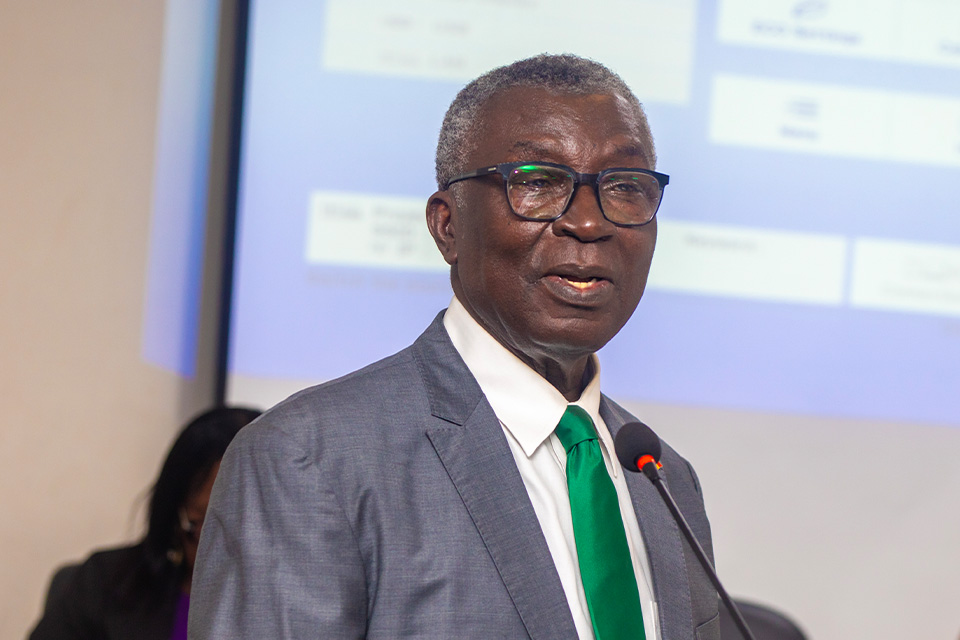
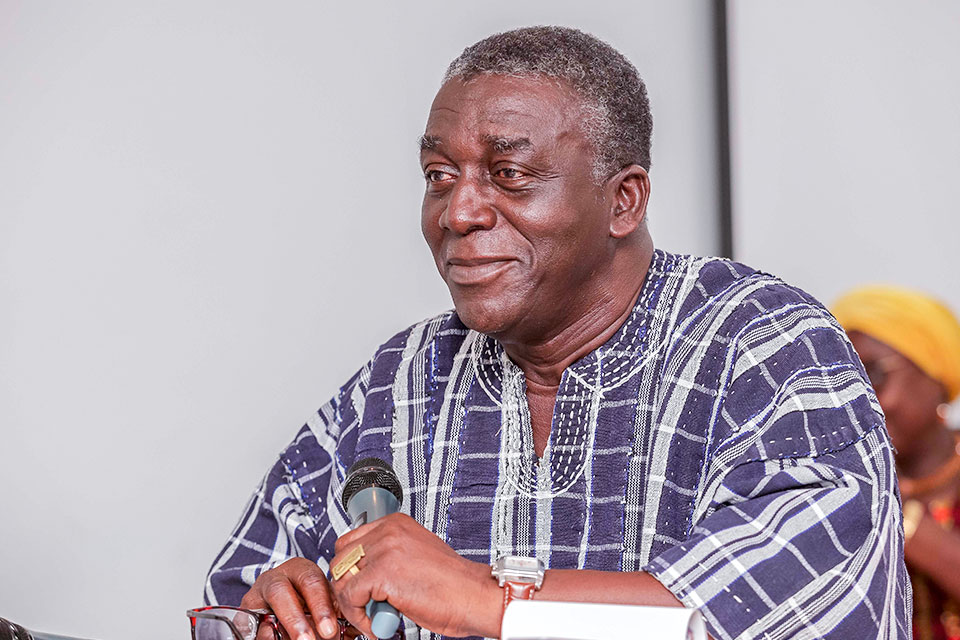
Delivering the keynote address, Prof. Kwabena Frimpong Boateng, Director of Frimpong Boateng Medical Centre, broadened the discussion by highlighting the implications of environmental degradation for human health and national development. He argued that the environment should include not only the physical surroundings but also the “mental environment”, since people’s attitudes and values influence how they treat and protect their surroundings.
Prof. Frimpong Boateng further called for increased investment in science and technology. He stressed that Ghana’s ability to address challenges in energy, agriculture, healthcare, sanitation, clean air, clean water and natural resource management depended on its capacity to develop and apply appropriate technologies. He argued that national development should be measured not only by the infrastructure acquired but also by the country’s ability to produce the tools, machines and technologies required for sustainable development.
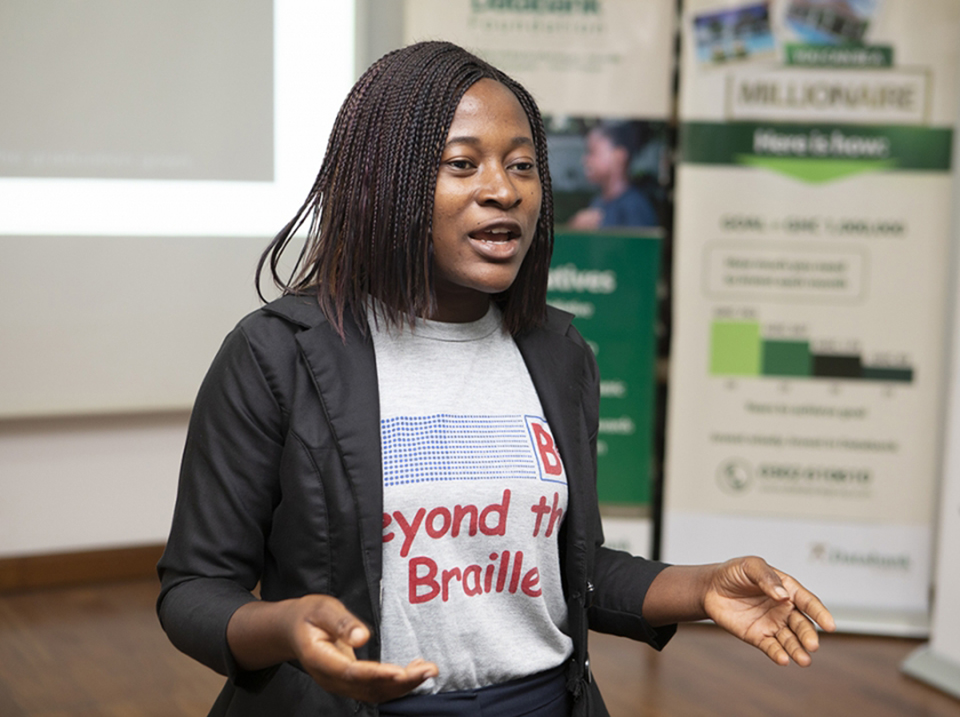
The colloquium concluded with a roundtable discussion led by Dr. Kofi Rogers, Director of Culture, Climate and Safety at the Antioch Unified School District, California, USA, which further explored the intersections of politics, environmental governance and Ghana’s common future.