UEW Concludes 9th IMCfPS with Call for Innovation and Practical Impact


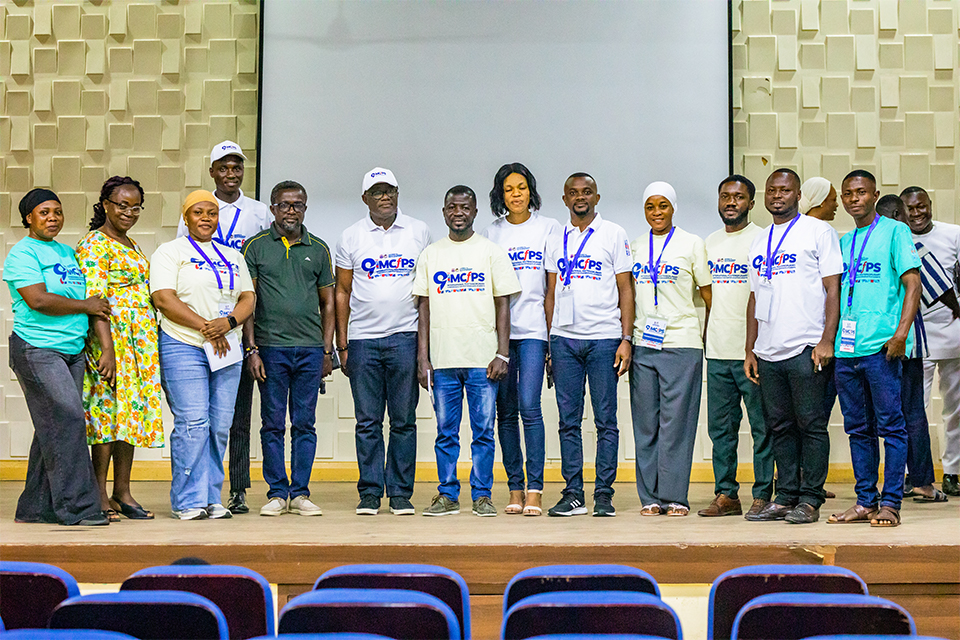
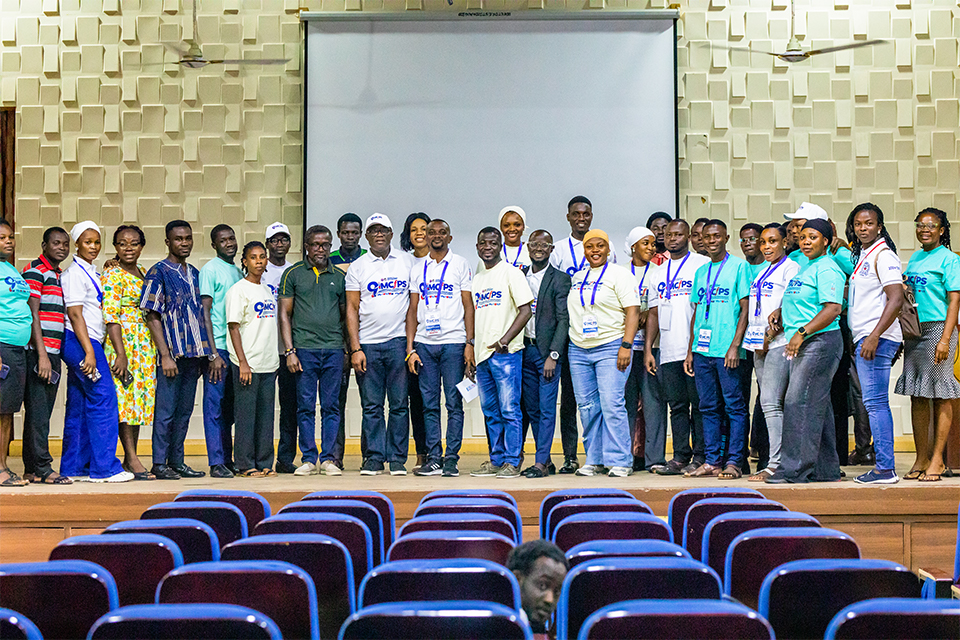
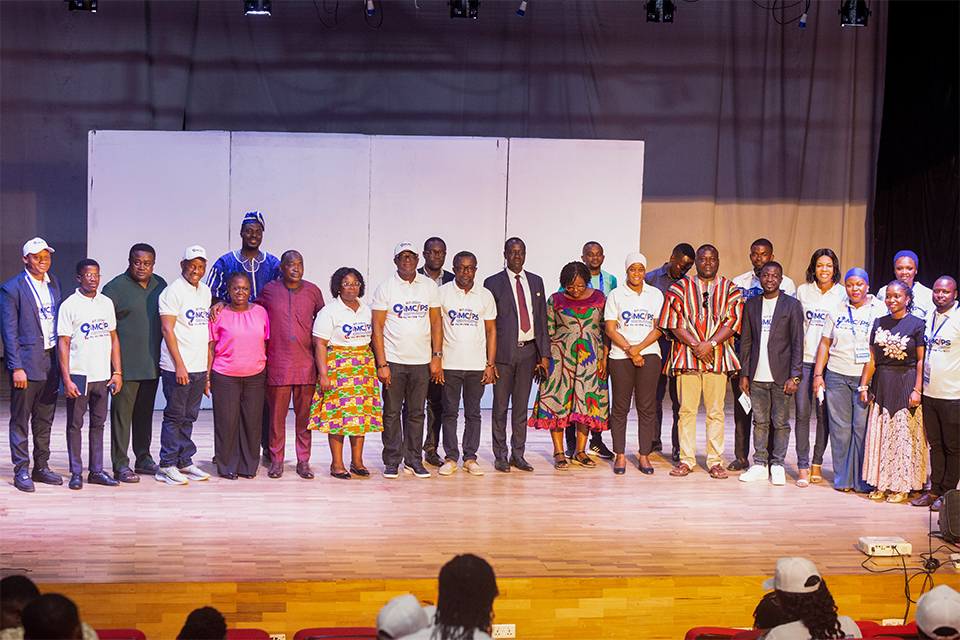
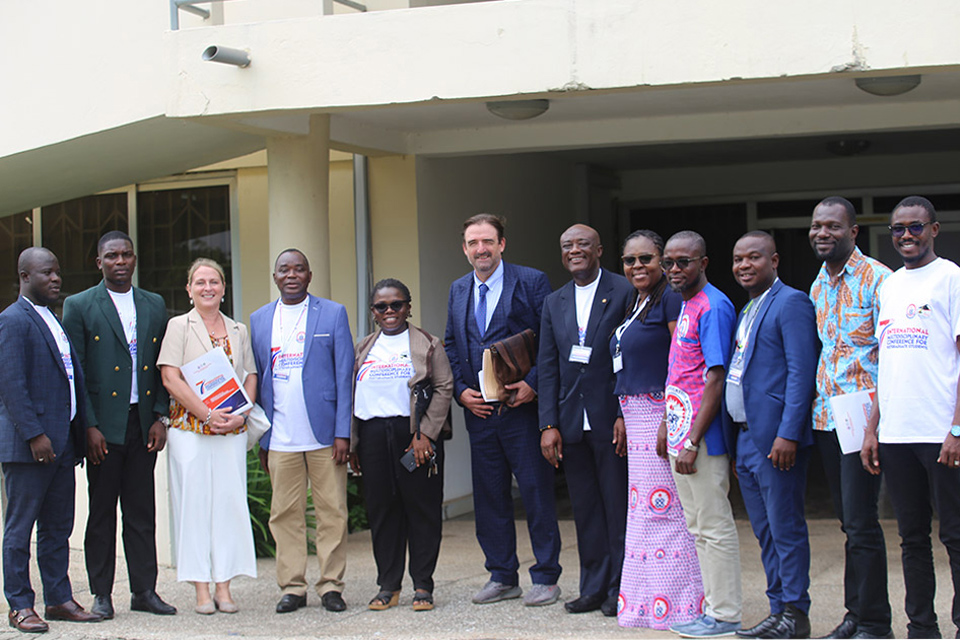
The Planning Committee of the 9th International Multidisciplinary Conference for Postgraduate Students (IMCfPS) on Friday, 12th September 2025, held a short ceremony at the North Campus Mini-Conference Room of the University of Education, Winneba (UEW) to officially climax this year’s conference.
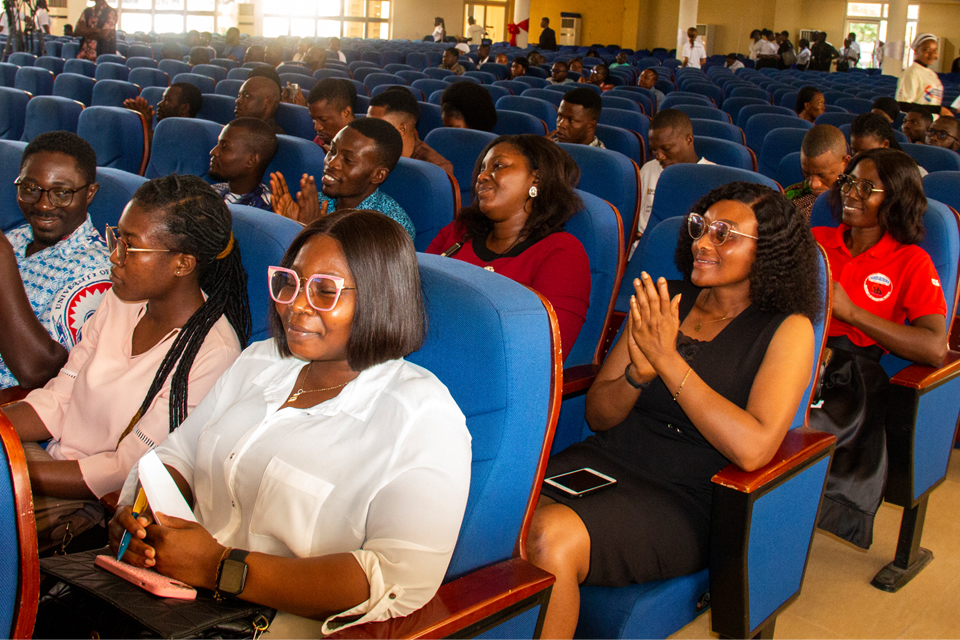
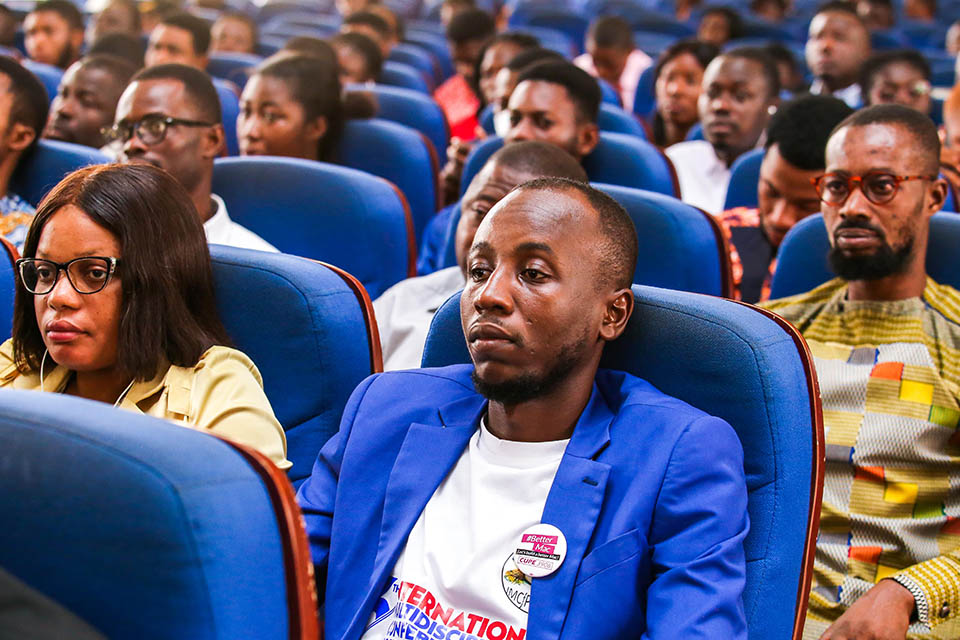
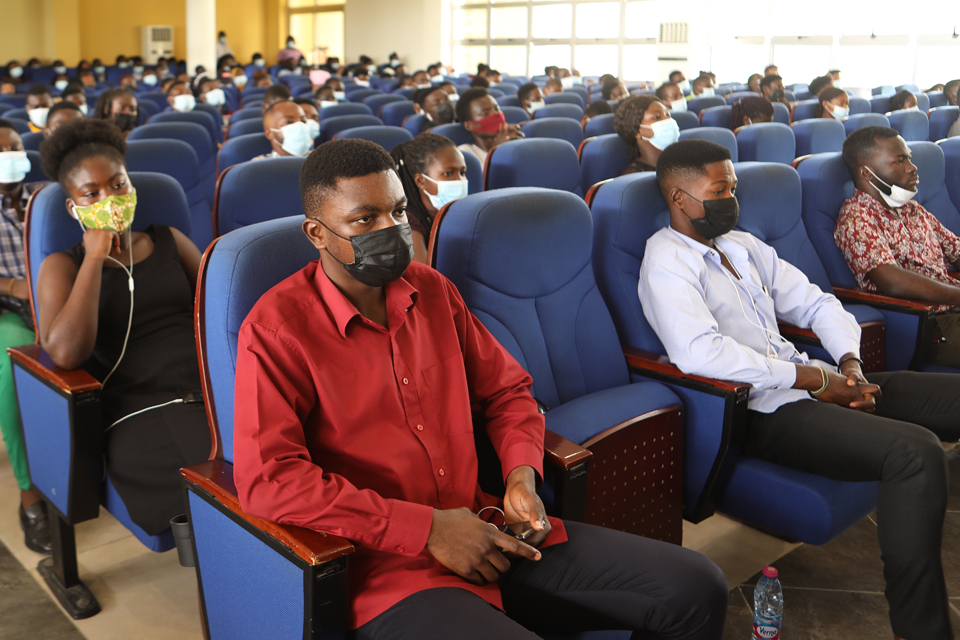
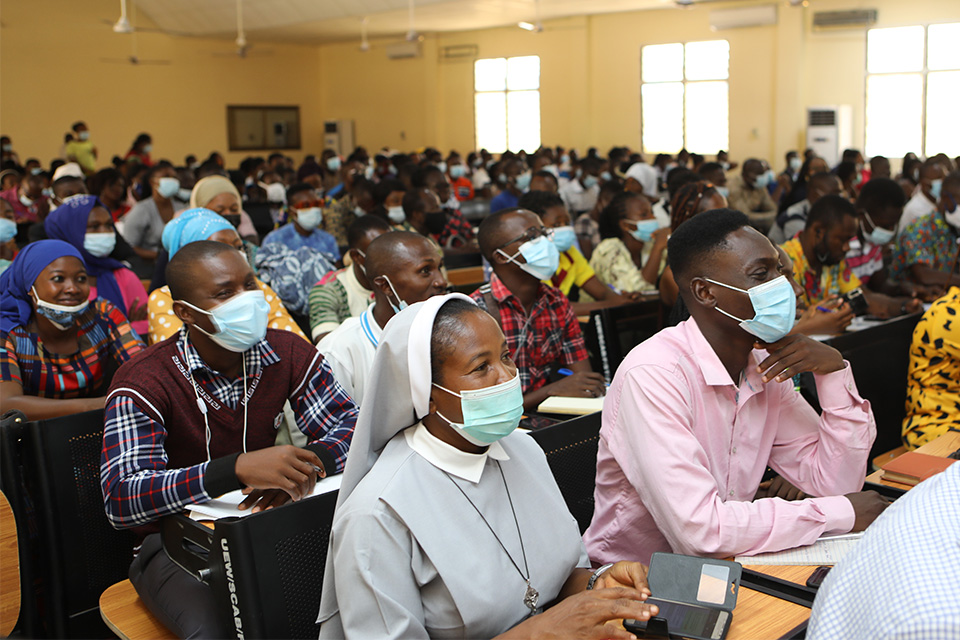
The ceremony brought together faculty, postgraduate students and guests to reflect on the conference theme, “Transforming Education for Sustainable Employment in Ghana.” Over two days, participants presented and discussed research that addressed pressing national challenges ranging from teacher education, STEM-driven job creation and entrepreneurship to inclusive education and the creative arts.
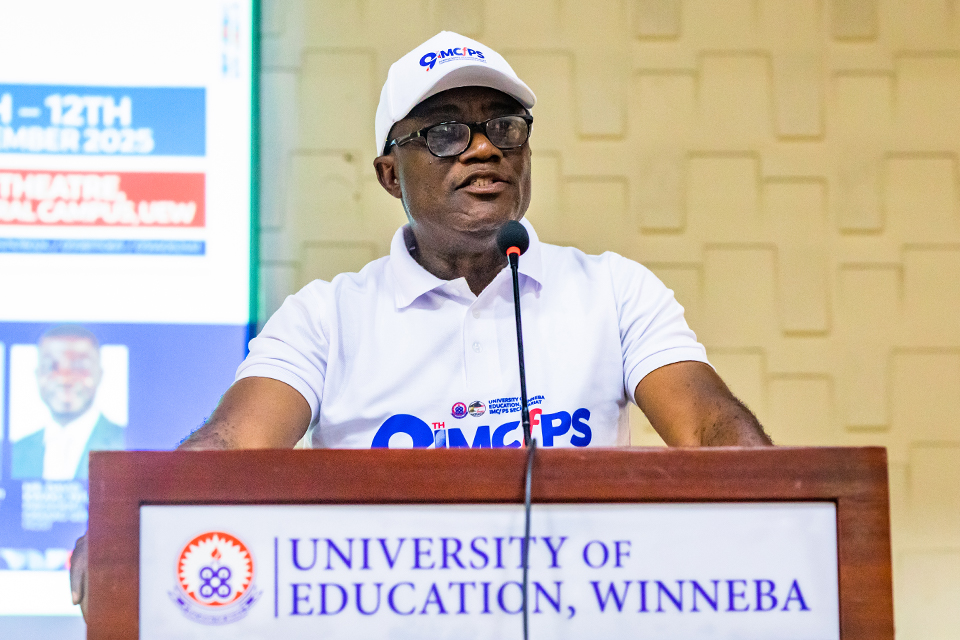
Delivering the closing remarks, Prof. Charles Kojo Assuah, Dean of the Centre for International Programmes and Chairman of the IMCfPS Planning Committee, commended participants for their scholarly contributions and urged them to apply their knowledge creatively to bridge the gap between education and the world of work. He stressed that postgraduate students must see themselves as “change agents” who should leverage their skills and networks to create opportunities rather than wait for ready-made jobs.
“I am particularly inspired by the role of postgraduate students in these deliberations. Your research has demonstrated not only academic rigour but also solutions with real-world applications. The confidence, clarity, and creativity you displayed confirm that the future of scholarship, innovation, and leadership in Ghana is in capable hands,” Prof. Assuah said.
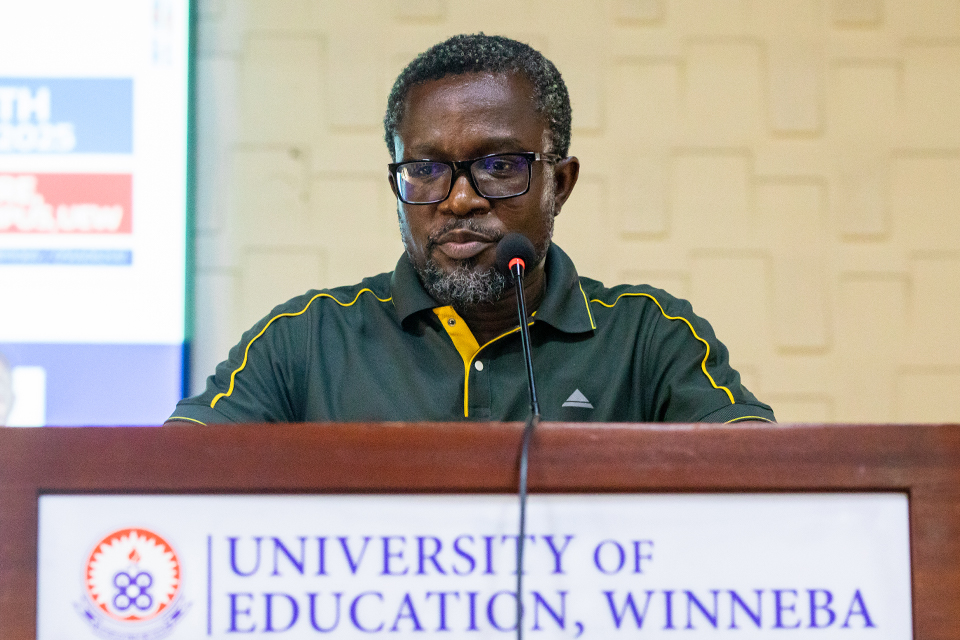
Prof. Akwasi Kwarteng Amoako-Gyampah, Vice-Dean of the School of Graduate Studies and mouthpiece for the Planning Committee, expressed satisfaction with the quality of the papers and presentations, describing this year’s conference as “incredibly insightful and rigorous.” He acknowledged logistical challenges such as venue issues and equipment limitations but assured participants that lessons learned would be used to improve subsequent editions.
Prof. Amoako-Gyampah also underscored the importance of lifelong learning and technological literacy, urging students to go beyond acquiring certificates to seek a deeper understanding and practical skills. “The illiterate of the 21st century will not be those who cannot read and write but those who cannot learn, unlearn and relearn,” he said, warning that those who fail to keep pace with technology risk being left behind despite their degrees.
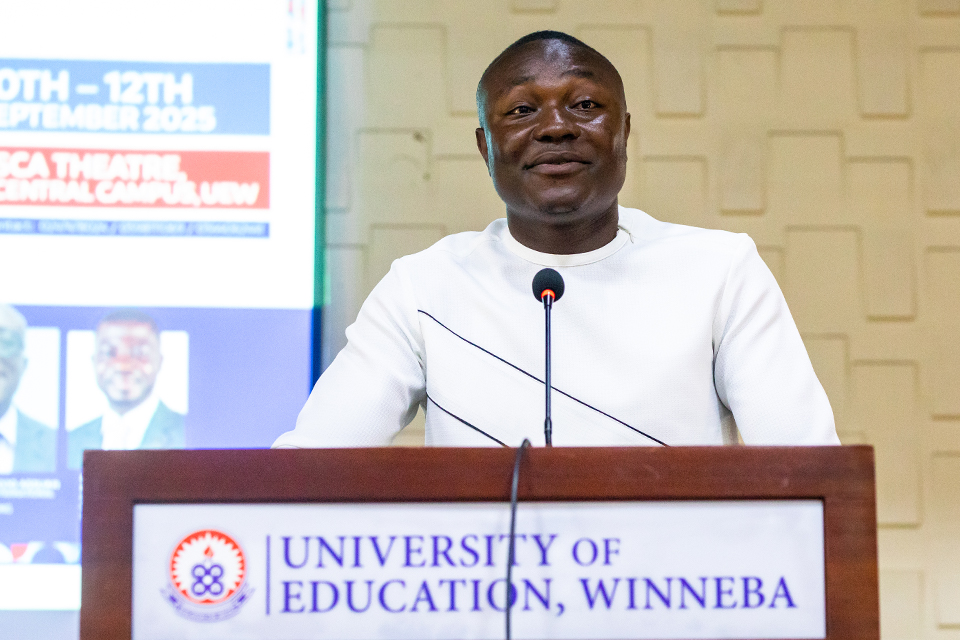
Mr. Jimmy Mawuse Adangbe, National President of the Graduate Students’ Association of Ghana (GRASAG) used the occasion to update participants on national efforts to resolve bursary disbursement delays for postgraduate research. He revealed that payments had begun in several institutions with UEW among those awaiting final clearance due to administrative issues at the bank. He urged patience, assuring students that GRASAG was engaging government officials to expedite the process.
Mr. Adangbe further announced that discussions were underway with the Ministry of Education and the Ministry of Finance to increase bursaries and establish a dedicated research fund to support graduate research. GRASAG, he added, was also preparing to launch its own research support fund to provide financial assistance to at least 20 students annually.
Touching on national concerns, he appealed to graduate students to use their influence in their communities to discourage illegal mining which he described as a “national threat” undermining both society and the environment.
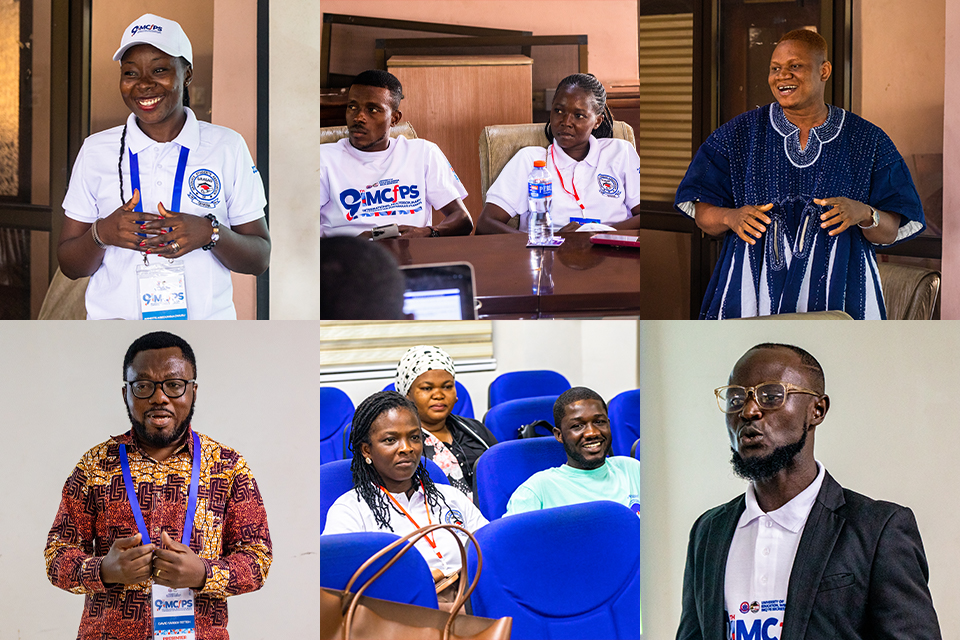
The conference ended on a note of optimism, with participants encouraged to translate their research into solutions that promote employability and sustainable development. The Planning Committee expressed gratitude to faculty, students and partners for their support, pledging to deliver an even more impactful conference in the years ahead.