STRATCOM-UEW Seminar Raises Awareness of Kidney Disease Prevention


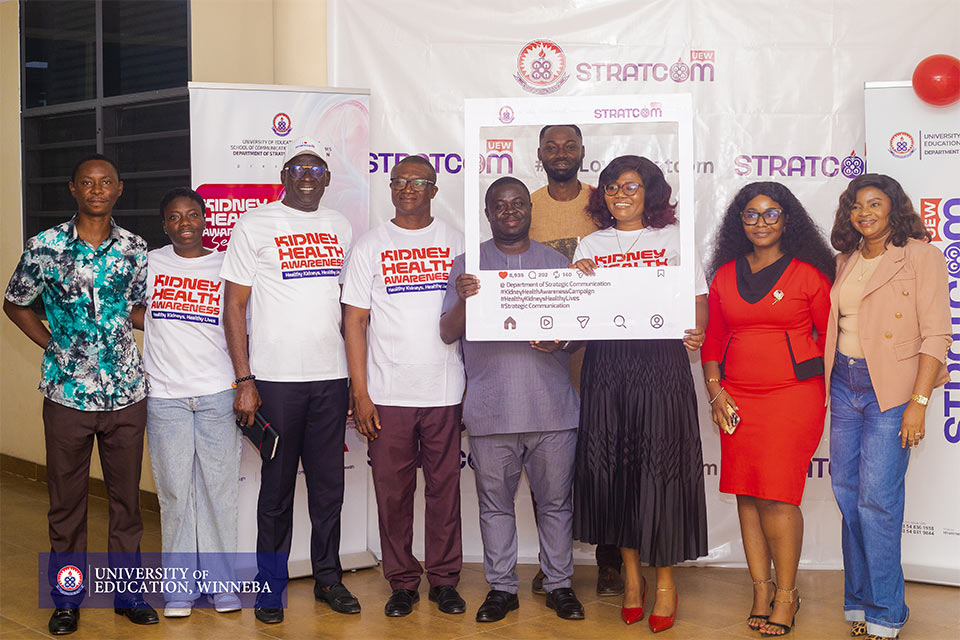
The Department of Strategic Communication (STRATCOM) at the University of Education, Winneba (UEW) hosted a kidney health awareness seminar to educate the university community on chronic kidney disease prevention and the adoption of healthier lifestyles.
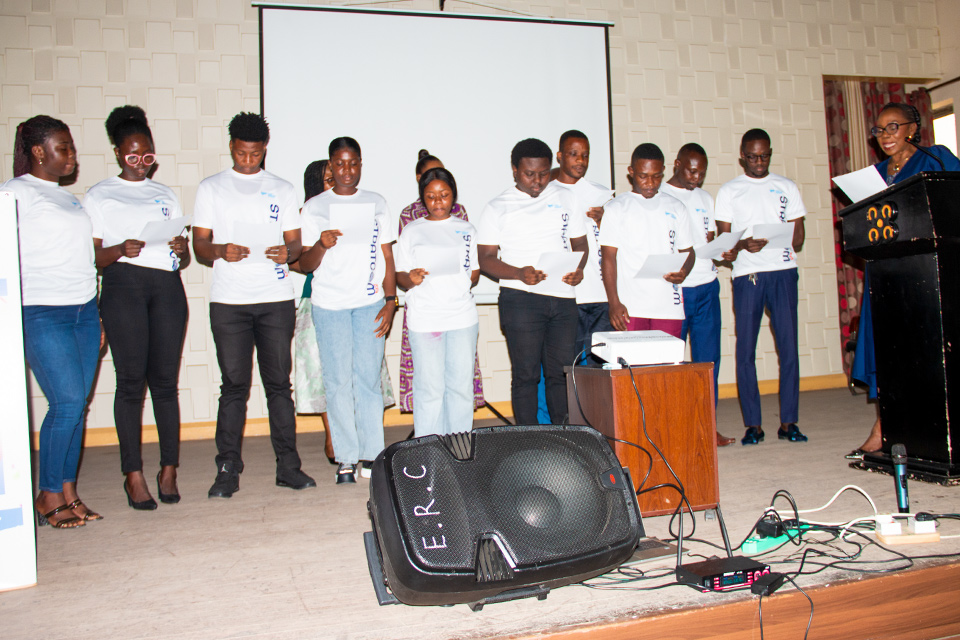
The seminar, held at the Students Centre Seminar Room III, formed part of the Department’s annual Social Campaign Planning and Management project through which postgraduate students apply strategic communication knowledge to real-life social issues.
The programme brought together health experts, University management, staff and students to discuss the growing burden of kidney disease and the importance of early detection and preventive healthcare.

Prof. Mavis Amo-Mensah, the Head of STRATCOM, said the campaign demonstrated the Department’s commitment to combining academic training with community engagement. She explained that the annual project gives postgraduate students practical experience in designing and implementing social campaigns that address pressing societal challenges. She said the Department selected kidney health in response to growing concerns about kidney-related diseases and the need for preventive education.
Delivering the keynote presentation, Dr. Amoah Mensah, a Physician Specialist and Nephrologist at the Korle Bu Teaching Hospital, described chronic kidney disease as a “silent disease.” He explained that many people show no symptoms until the condition has reached an advanced stage.

He explained that the kidneys perform vital functions including removing waste from the blood, regulating blood pressure and maintaining the body’s fluid and electrolyte balance.
Dr. Mensah identified uncontrolled hypertension and diabetes as major causes of kidney failure while citing prolonged use of certain painkillers, excessive use of herbal medicines, obesity, smoking, environmental pollution and pregnancy-related hypertension among other risk factors.
He stated that kidney disease is increasingly impacting working adults aged 20 to 50, highlighting the importance of preventive healthcare.
The nephrologist stressed that early detection could significantly improve kidney disease management and reduce the risk of progression to kidney failure. He therefore encouraged individuals to undergo regular medical screening including blood pressure and blood sugar checks, kidney function tests and urine analysis.
Dr. Mensah also urged the public to adopt healthier lifestyles by reducing salt and sugar intake, eating more fruits, vegetables and high-fibre foods, exercising regularly, maintaining a healthy weight and avoiding smoking. He cautioned against self-medication and the indiscriminate use of herbal preparations.
He noted that treatment for advanced kidney disease placed a significant financial burden on patients and families. This, he said, makes prevention and early intervention more practical than waiting until the disease reaches an advanced stage.

Prof. Albert Agbesi Wornyo, the Dean of the School of Communication and Media Studies, commended the Department for extending its campaign beyond the classroom to address a critical public health concern. He cautioned members of the University community against relying on unverified health information from social media and urged them to seek medical advice from qualified health professionals.
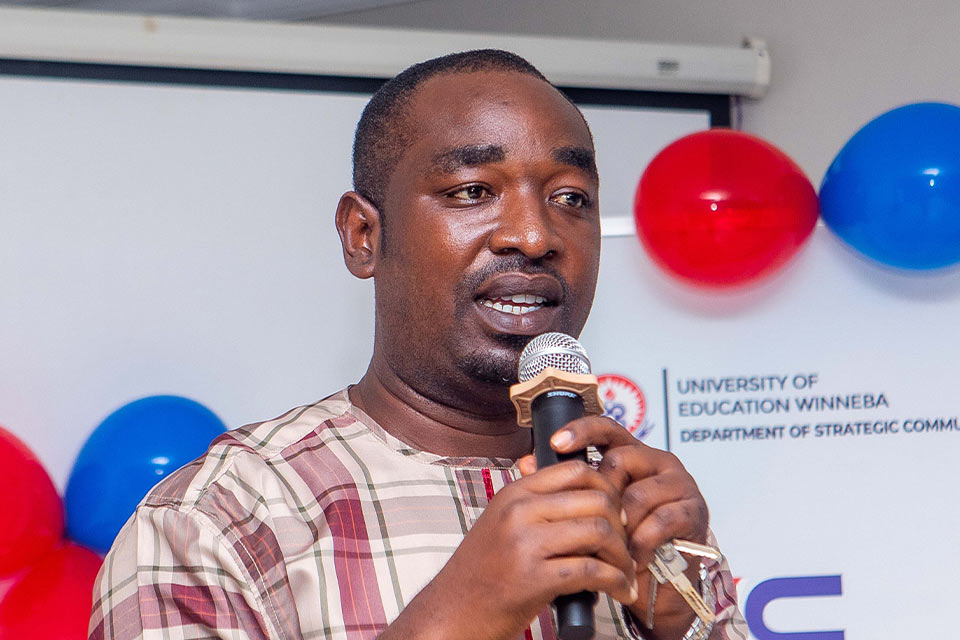
Speaking on behalf of the Director of the University Health Services Directorate, Mr. Isaac Darkoh, the Head of Administration, described the seminar as timely and encouraged staff and students to make routine health screening part of their lifestyle.
He urged participants to share the knowledge gained with their families and communities. He noted that preventive healthcare was particularly important given the limited availability of specialised healthcare services and the high cost of treating advanced kidney disease.
The seminar forms part of the Department of Strategic Communication's broader commitment to using academic knowledge and strategic communication to address societal challenges while equipping students with practical skills for impactful community engagement.