
Dr. Wagner Champions Sankofaism and Cultural Resilience at the CeRCCA-UEW Conference


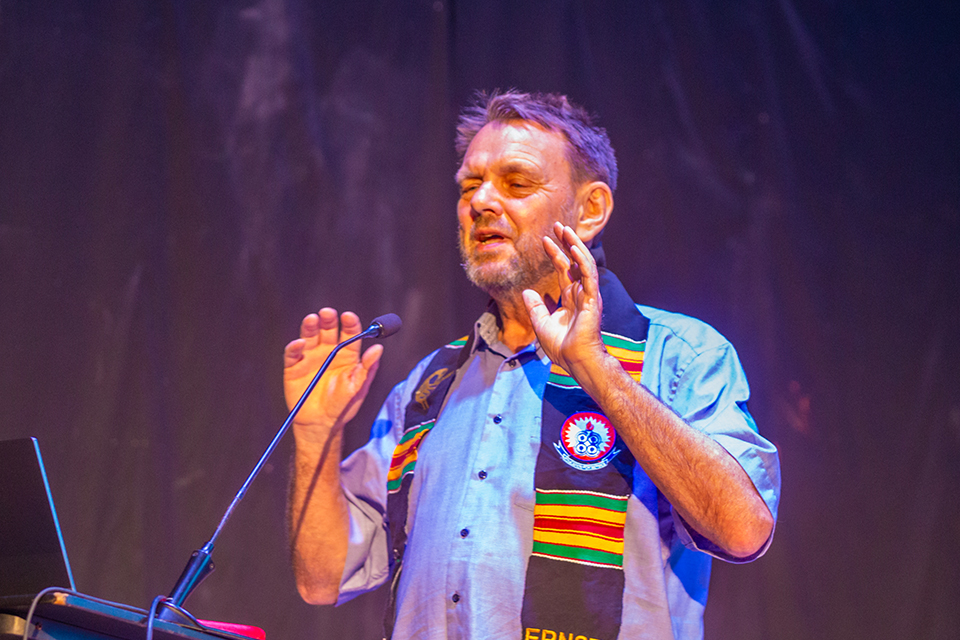
Dr. Ernst Wagner, Founder of Exploring Visual Cultures (EVC), has advocated integration of Sankofaism and cultural resilience into contemporary artistic and scholarly practice, urging a global rethinking of how history, identity and creativity intersect in shaping sustainable futures.
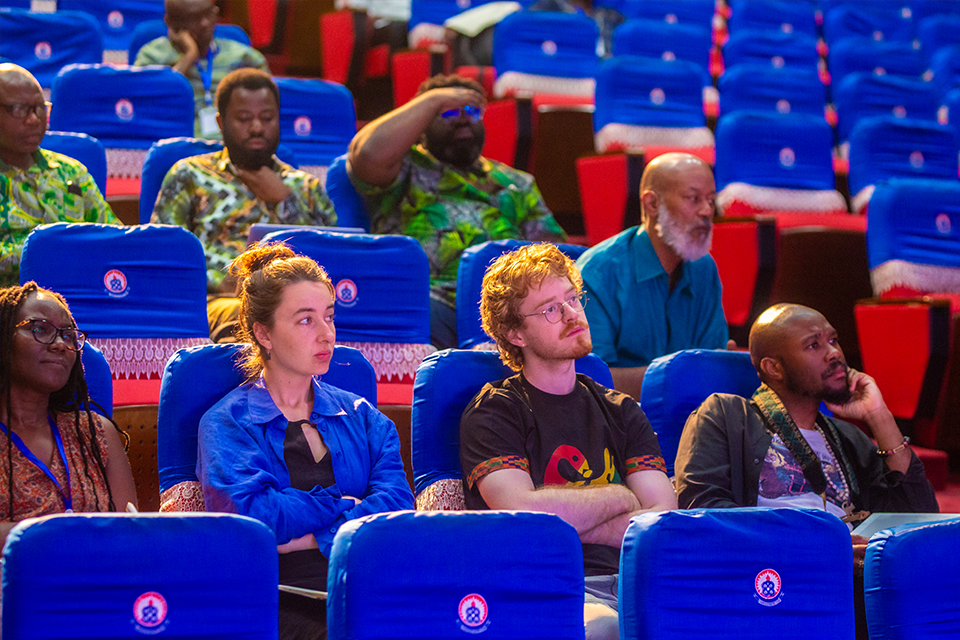
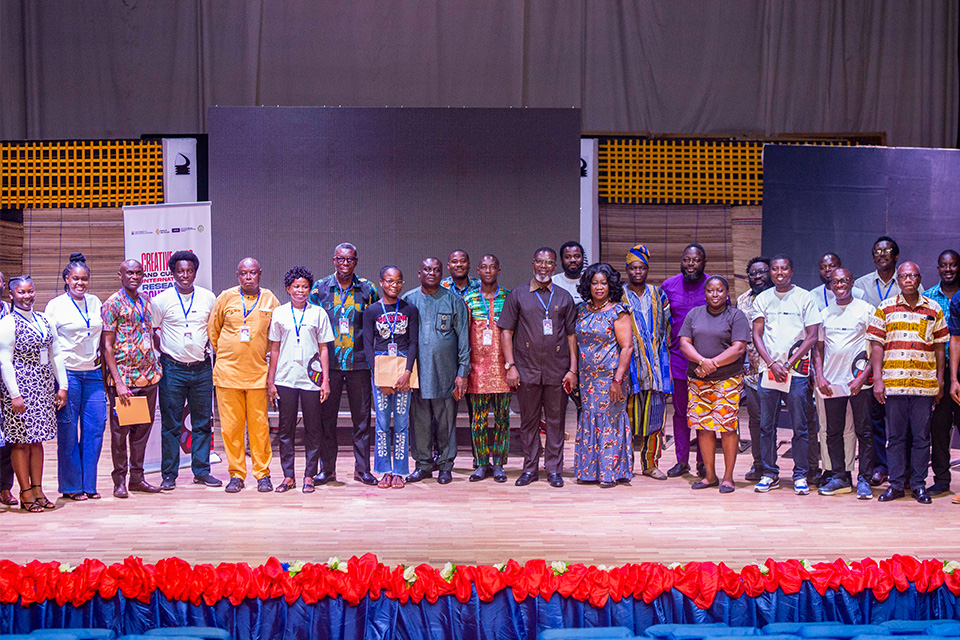
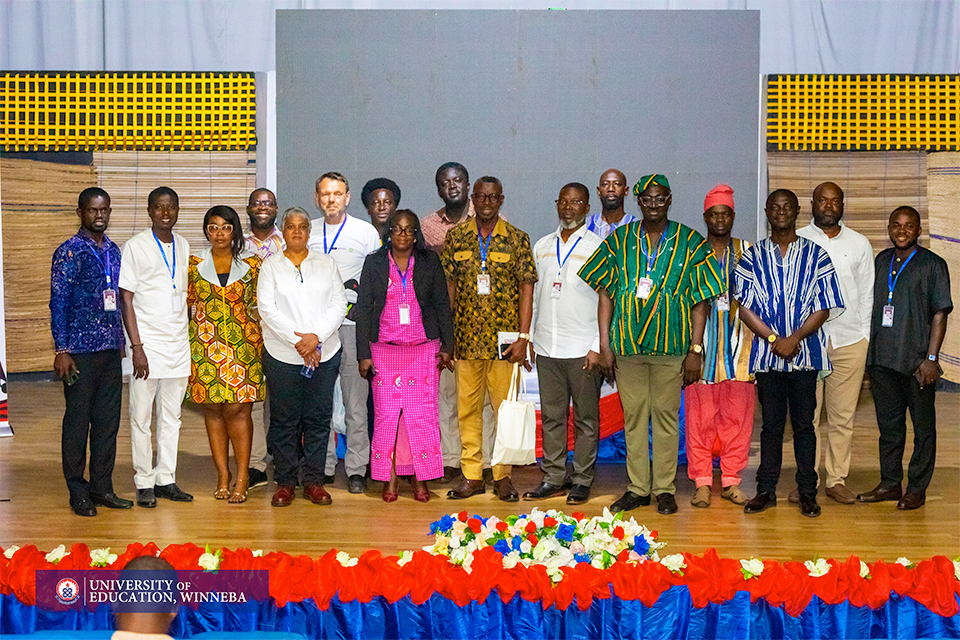
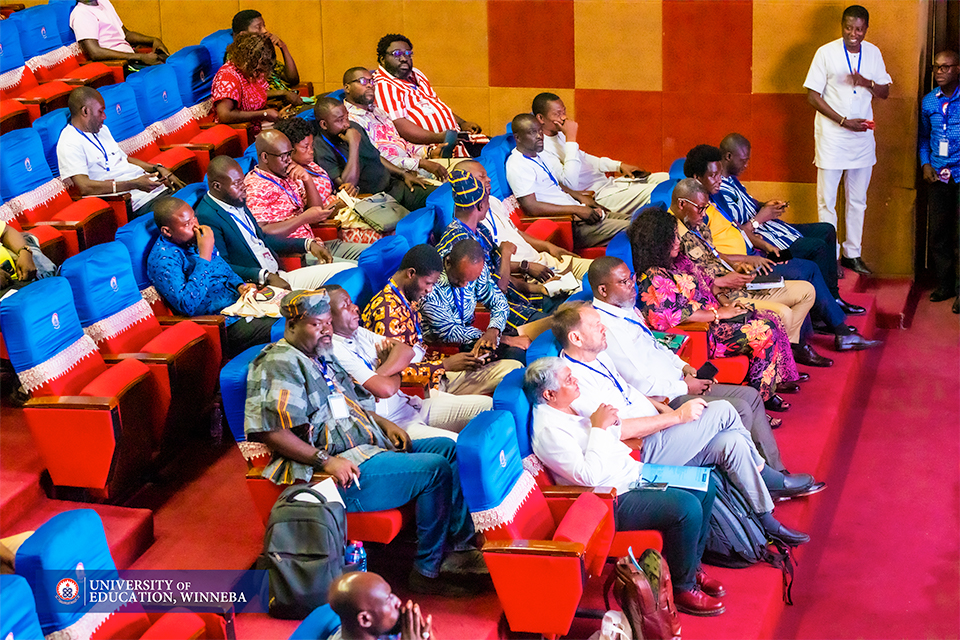
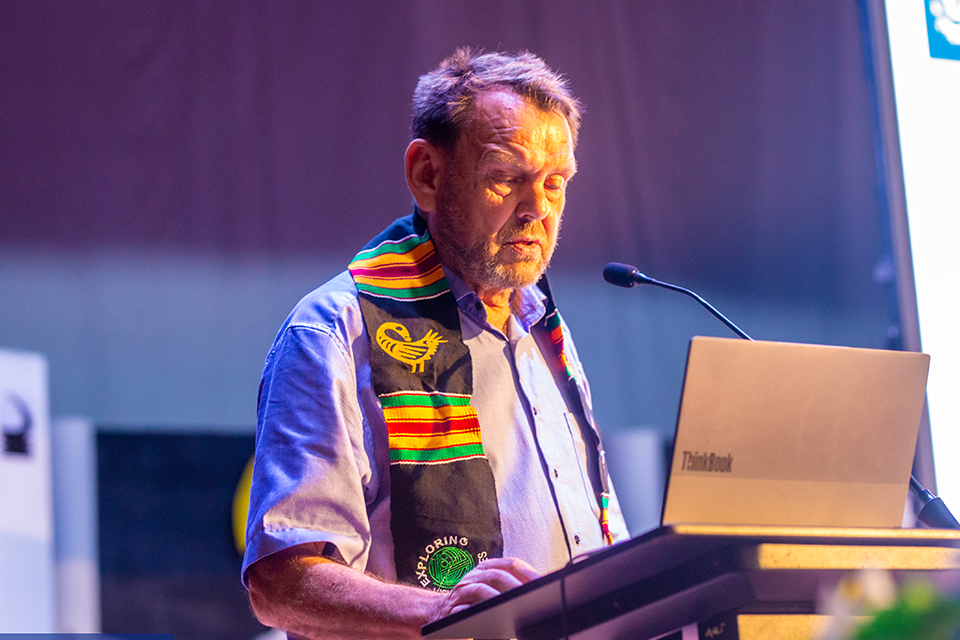
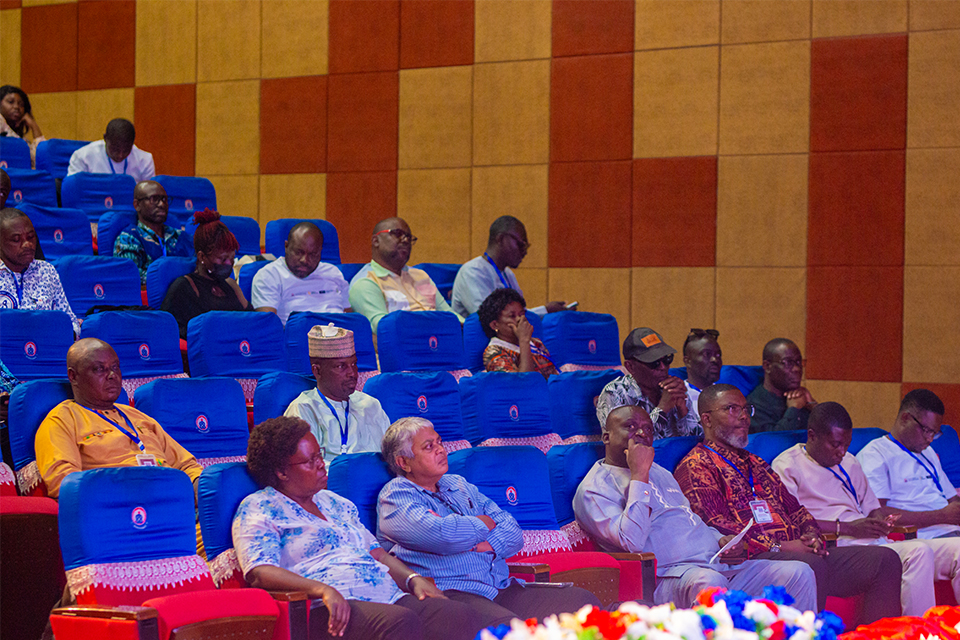
The Conference was held from Tuesday, 31st March to Thursday, 2nd April, 2026, at the University of Education, Winneba’s Central Campus. Delivering the keynote address on the second day of the three-day Creative Arts and Culture International Research Conference, Dr. Wagner set the tone for critical reflection and intellectual exchange among scholars, artists and students from diverse backgrounds.
He explored the philosophical depth of Sankofa as a framework for understanding how societies can draw from the past to shape present realities and future possibilities. He argued that African cultural concepts, particularly Sankofa, offer globally relevant pathways for healing, remembrance and transformation.
Dr. Wagner recounted a striking encounter with Adinkra symbols inscribed on World War II bunkers in Marseille, France. He described the moment as a powerful convergence of history, memory and artistic intervention, demonstrating how art can reclaim traumatised spaces and transform them into sites of reflection and renewal. According to him, such expressions embody the essence of Sankofa, returning to the past to inform meaningful action in the present.
Dr. Wagner introduced the concept of cultural resilience, referencing the work of Katharina Brown. He outlined three core pillars underpinning the concept: rootedness, resourcefulness and resistance. He explained that rootedness speaks to identity and belonging, resourcefulness reflects creativity and innovation while resistance represents the capacity to challenge dominant narratives and imagine alternative futures.
Using examples from Germany including monuments and commemorative practices, he demonstrated how societies can critically confront their histories while fostering transformation and collective healing. He emphasised that engaging with the past should not be an act of nostalgia but a deliberate effort to construct more inclusive and truthful narratives.
Dr. Wagner highlighted artistic works from EVC exhibitions, noting how contemporary artists merge tradition, personal identity and social commentary. He stressed that such works exemplify Sankofaism by connecting past, present and future while resisting colonial frameworks and redefining artistic expression within a globalised context.
Dr. Wagner underscored the urgency of “unlearning” entrenched but inaccurate perceptions, particularly about African cultures. He described this process as essential for fostering genuine understanding, equitable collaboration and meaningful intercultural exchange. He commended UEW for creating a platform that enables such critical engagement and intellectual openness.
His keynote not only anchored the conference discussions but also reinforced the relevance of Sankofaism and cultural resilience as guiding principles for contemporary artistic and scholarly practice. As the conference progressed, participants were inspired to deepen conversations on sustainable cultural practices, further affirming UEW’s growing influence in global creative arts discourse.