SoB-UEW Seminar Challenges Myths and Inspires Pathways to Ghana’s Economic Resilience


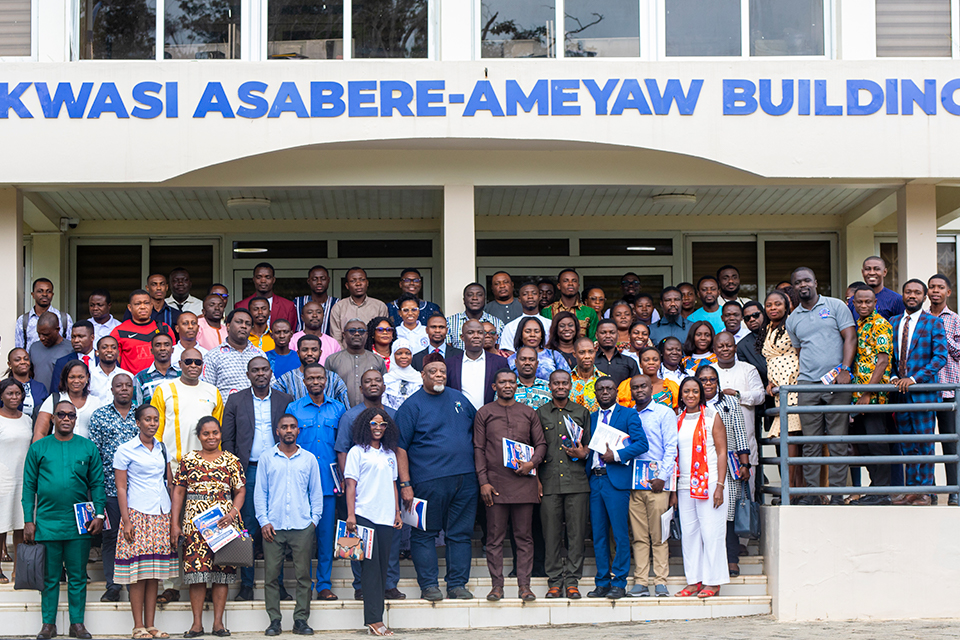
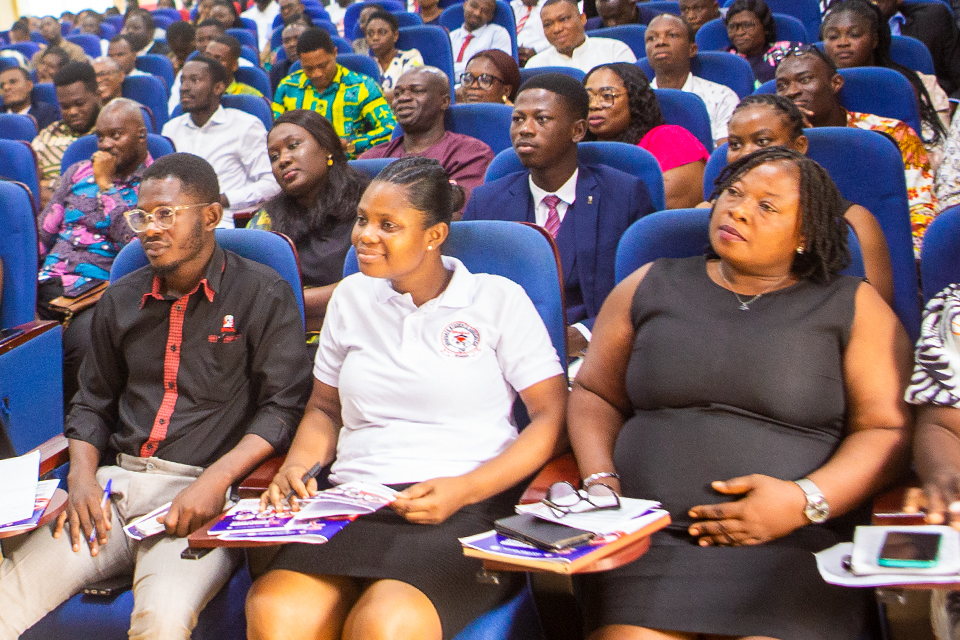
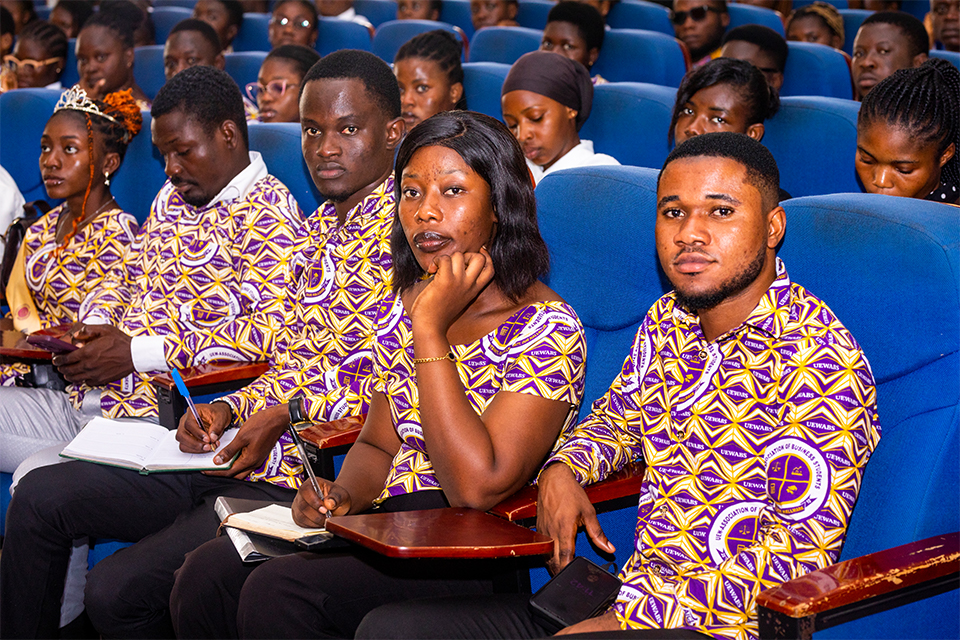
The School of Business (SoB) at the University of Education, Winneba (UEW) held its 4th Graduate Students Seminar on Saturday, 23rd August 2025, at the North Campus Mini-Conference Room, providing a platform for rigorous dialogue on Ghana’s economic challenges and prospects.
The seminar, themed “Pathways to Economic Stability: A Multidisciplinary Dialogue on Ghana’s Economic Resilience,” brought together academics, students and industry leaders to scrutinise Ghana’s economic realities and explore innovative responses.
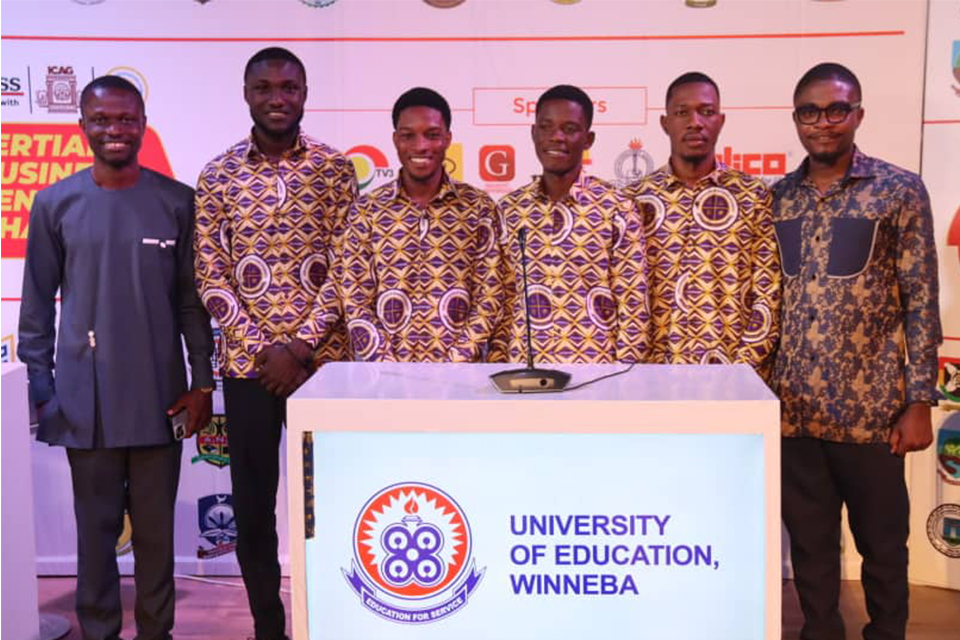
The event also saw the official launch of the 2025 Business Pitch Competition, a flagship initiative designed to empower young entrepreneurs under the theme, “Ideas to Impact: Empowering Young-Led Ventures.”
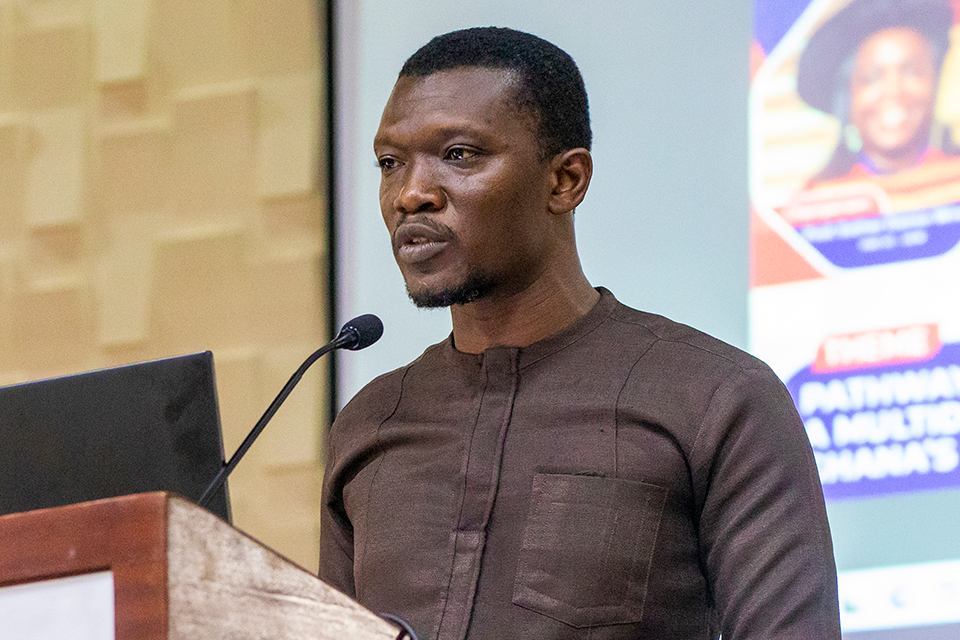
Prof. Richard Oduro, Dean of SoB, highlighted the timeliness of the discussions, emphasising that Ghana’s ongoing economic headwinds demand bold, fresh and practical solutions.
He described the seminar as more than an academic exercise, noting that it served as a platform for “thought leadership, dialogue and action.” “Economic resilience is not built by government alone. It is built by scholars who question, entrepreneurs who innovate, professionals who lead with integrity and communities that embrace change. Each of us gathered here has a role to play,” he said.
Prof. Oduro also underscored the importance of the Business Pitch Competition as an opportunity for students to transform knowledge into practical solutions that can strengthen Ghana’s economy. “This initiative is a call to our students and young entrepreneurs to be bold, creative and forward-looking with innovations that can reshape industries, empower communities and build resilience,” he stressed.
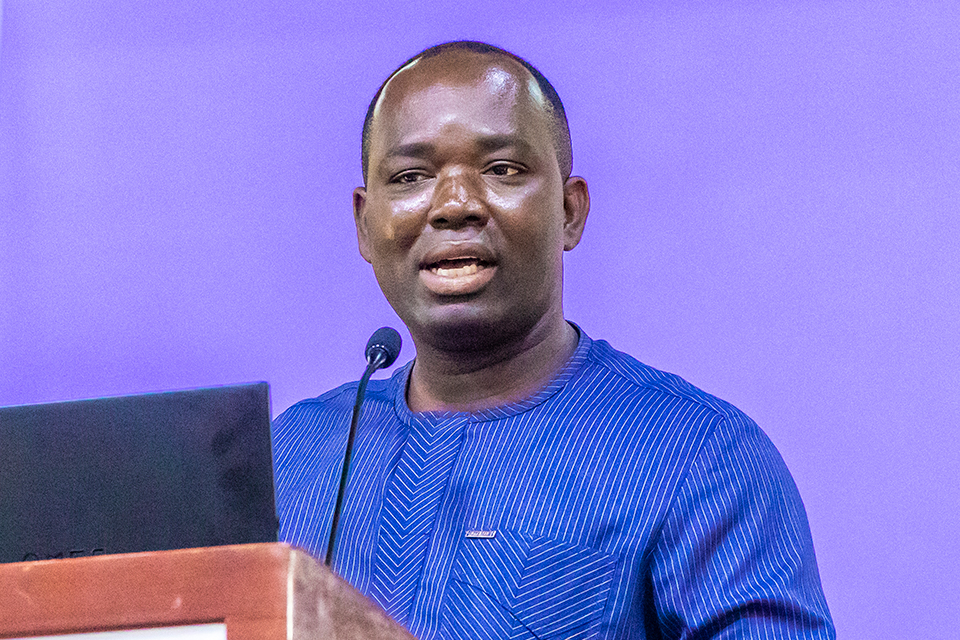
Chairing the event on behalf of the Pro-Vice-Chancellor, Prof. Enoch Sam, Director, Research, Innovation and Development (DRID), encouraged participants to see the seminar as a call to personal and collective responsibility.
He explained that while it is easy to place the burden of economic transformation solely on the government, true resilience also depends on the actions of individuals. “As far as the pathways to economic stability and resilience are concerned, we should also be looking at ourselves. What can you and I do to better our lives and contribute to Ghana’s future? That is the question I want to leave you with,” he said.
Prof. Sam expressed optimism that the lessons from the keynote lecture would inspire participants to pursue innovation and entrepreneurship, fostering a culture of resilience that extends beyond the seminar.
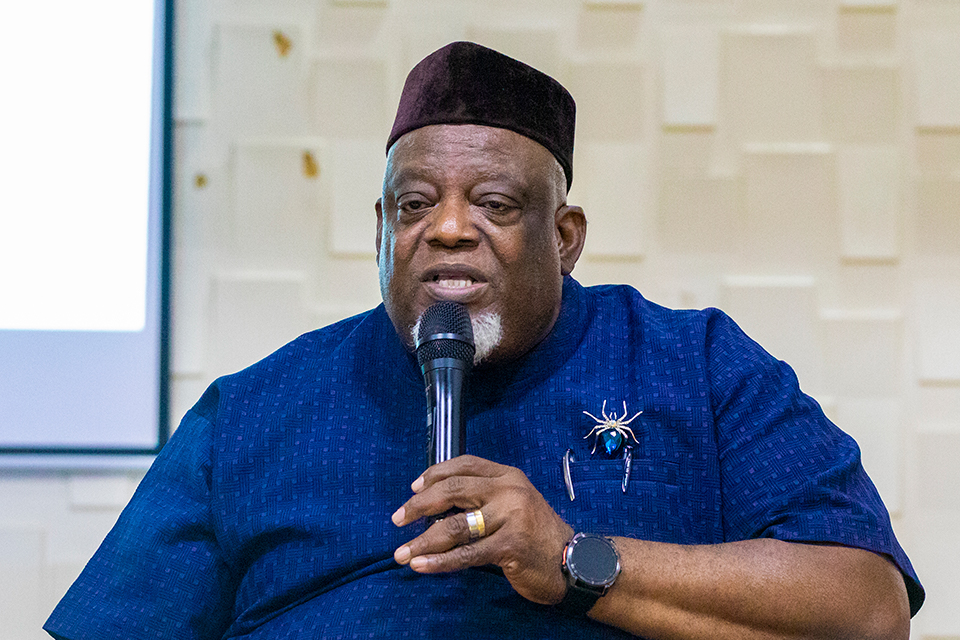
Delivering the keynote address, Mr. Joe Jackson, CEO of Dalex Finance and Leasing Company Ltd., depicted a sobering picture of Ghana’s economic trajectory over the past three years, describing them as “terrible years” marked by currency depreciation, rising inflation and worsening unemployment.
He noted that while macroeconomic indicators often dominate public debate, the real crisis was felt at the household level across the country. “The crisis was not just about fiscal deficits or GDP growth. It was about skipped meals, dashed hopes, lost pensions and stunted futures. If you are sick in Ghana and you do not have money, you will die. That is the reality,” he said, sharing his personal struggles with rising medical costs due to inflation.
Mr. Jackson argued that Ghana’s economic woes were largely the result of reckless borrowing and poorly negotiated resource agreements rather than excessive imports as is often claimed. He challenged prevailing narratives about the economy, identifying four myths: over-dependence on imports, inadequate tax revenue, the unhelpfulness of the IMF and the belief that a strong cedi is always good.
Drawing on data, he explained that Ghana has consistently recorded positive trade balances, meaning the problem lies not with imports but with the outflow of foreign exchange through debt servicing and profit repatriation by multinational companies. He also noted that Ghana’s tax-to-GDP ratio is comparable to peers like Singapore and Malaysia but weak productivity, corruption and wasteful expenditure undermine the impact of tax revenue.
Regarding the IMF, Mr. Jackson pointed out that while Ghana has approached the Fund 17 times without meaningful reforms, countries like South Korea leveraged IMF programmes as springboards for structural transformation. He cautioned against treating the IMF as a permanent crutch.
Finally, he dismissed the obsession with a “strong cedi,” arguing that defending the currency at all costs drains scarce reserves and undermines competitiveness. “A strong cedi may look good politically but it destroys exports, hurts tourism and weakens industry,” he asserted.
Looking ahead, Mr. Jackson called for economic patriotism and bold reforms. “Ghana must own its economy so that we retain more value from our exports. We must use tax revenue for investment not consumption. And we must stop wasting resources defending the cedi and instead build infrastructure and competitiveness,” he urged.
The seminar concluded with a call to graduate students to engage actively, generate bold ideas and turn knowledge into innovation. Collectively, the speakers challenged the UEW community to take up the mantle of leadership in fostering Ghana’s resilience through critical enquiry, entrepreneurial action and responsible citizenship.