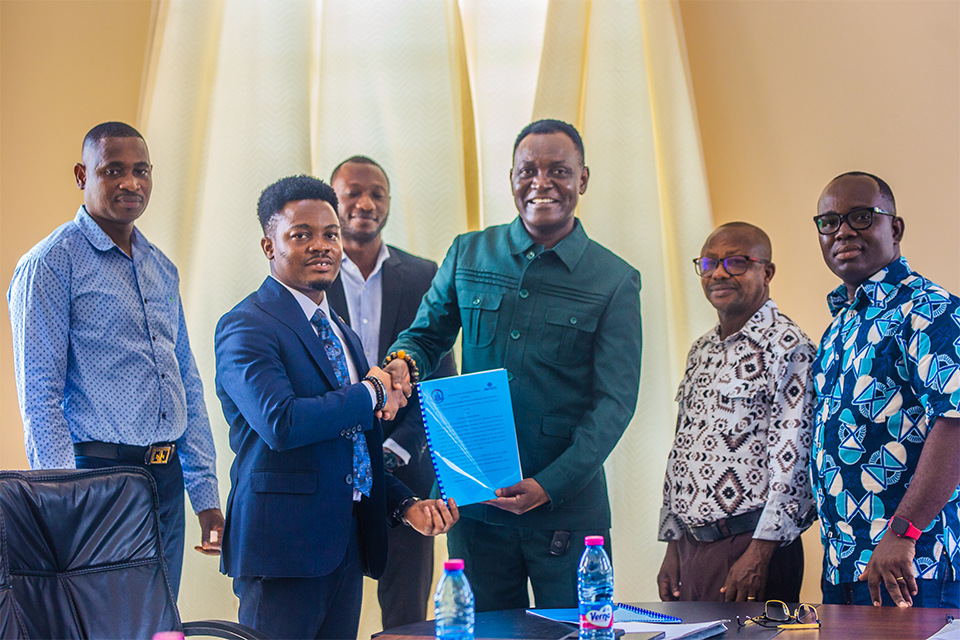
UEW Hosts 2025 STEM and AI Summit


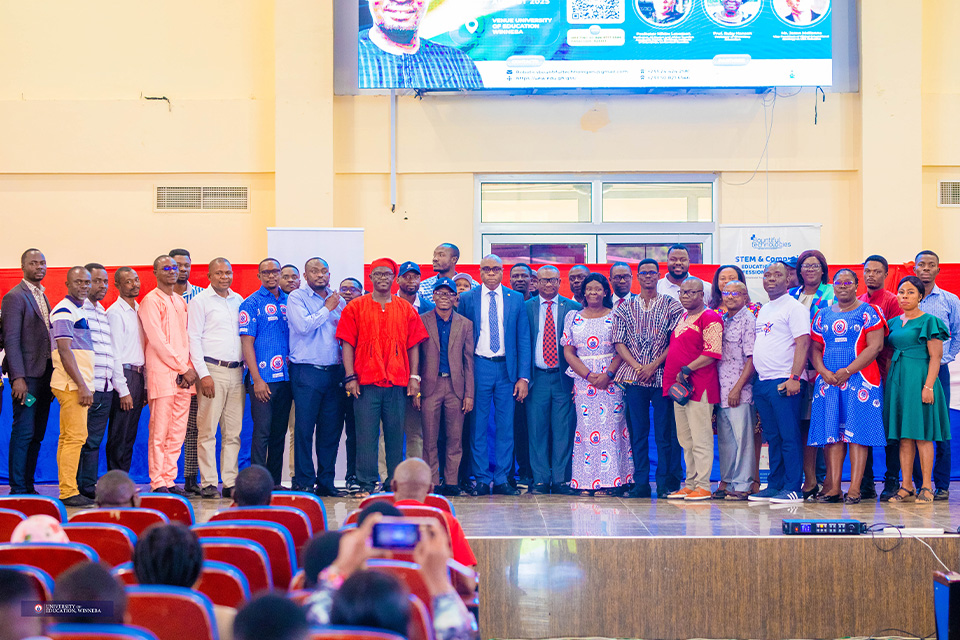
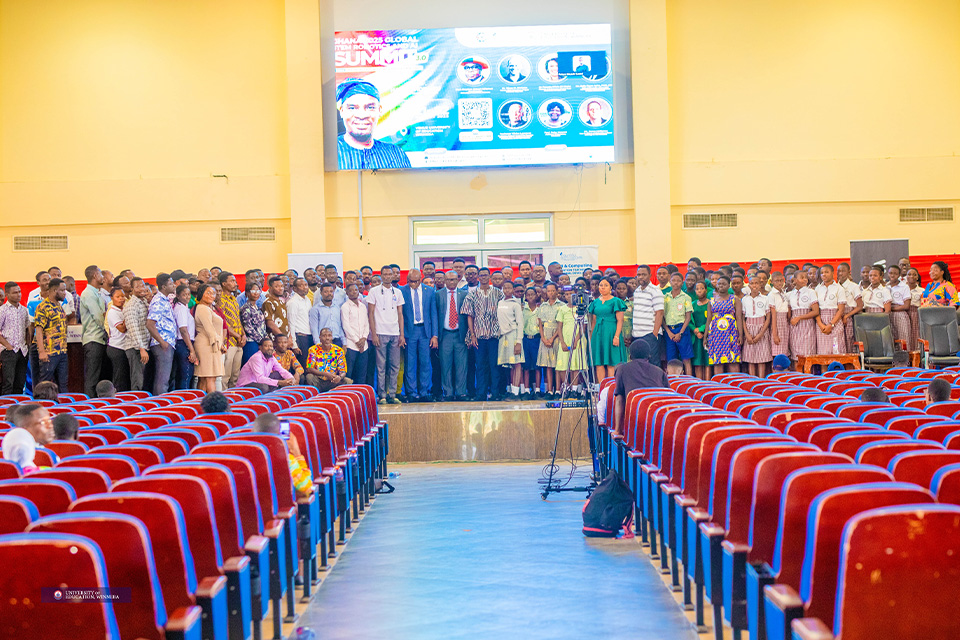
The University of Education, Winneba (UEW) hosted the “Ghana 2025 STEM, Robotics, AI and Computing Summit” with a call for Ghana to embrace science, technology and innovation as the foundation of its educational and national development.
Held on the theme “Integrating STEM, Robotics, AI and Computing into Education in Ghana,” the summit brought together academics, policymakers, industry players, technologists and students to explore how emerging technologies can be responsibly integrated into teaching, learning and problem-solving. The event took place at the Jophus Anamuah-Mensah Conference Centre, North Campus, UEW, on Thursday, 21st August, 2025.
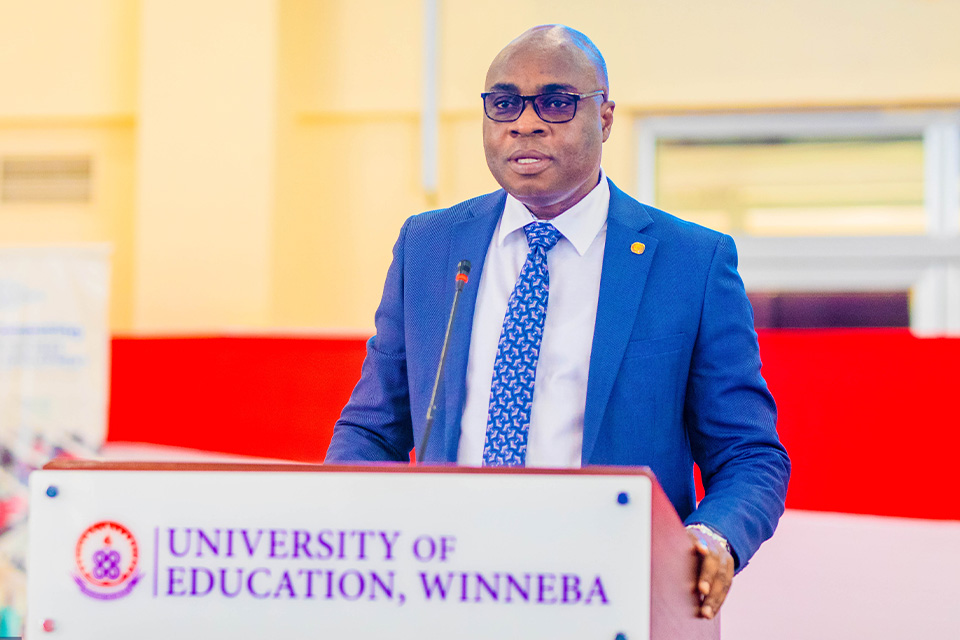
Prof. Stephen Jobson Mitchual, Vice-Chancellor of UEW, described the summit as timely and crucial, warning that Ghana risks being left behind if it fails to equip its youth with digital skills. “Artificial intelligence is redefining industries and robotics is revolutionising healthcare and production. This summit is not just a gathering of ideas but a call to action,” Prof. Mitchual declared.
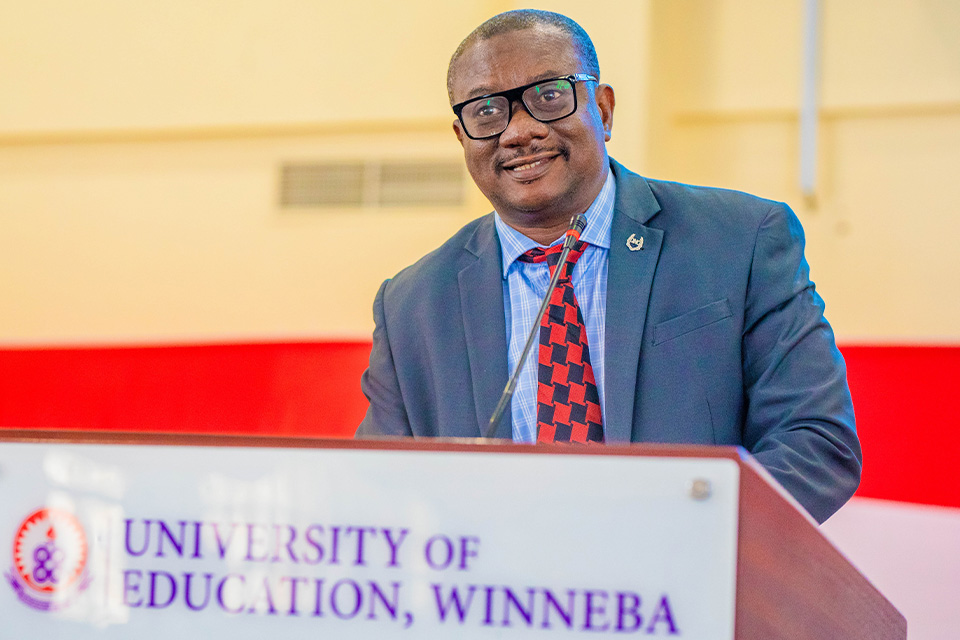
Representing the Minister of Education, Dr. Emmanuel Newman, Director of Tertiary Education at the Ministry, reaffirmed the government’s commitment to STEM reforms, citing initiatives such as the One Million Coders programme and the establishment of STEM schools. He challenged UEW to take leadership in embedding AI and digital competence across all disciplines.
“Whatever programme you pursue here, you must leave AI-competent. UEW must ensure every student and teacher is digitally skilled for the future,” Dr. Newman stressed.
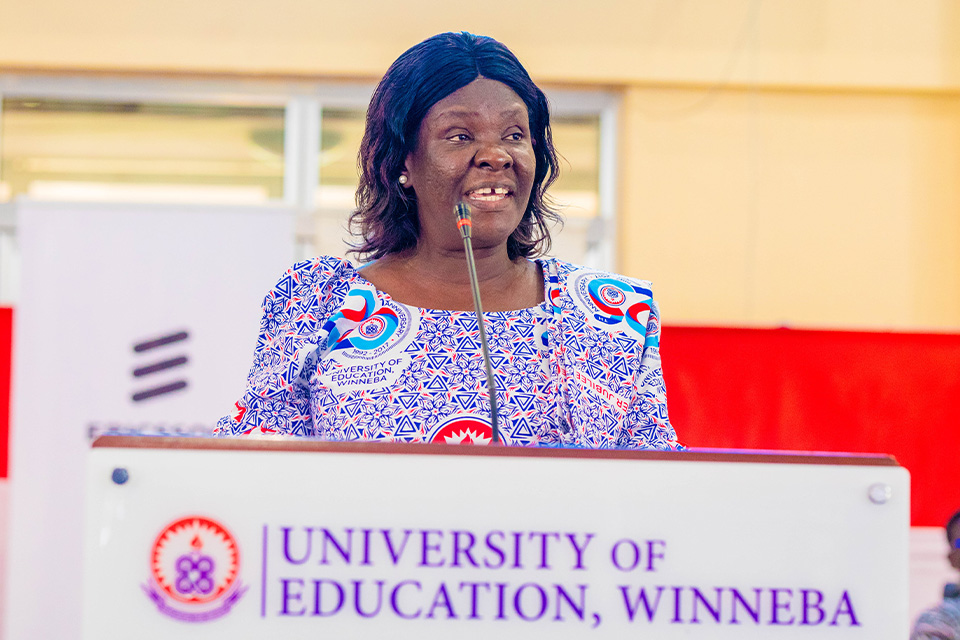
Prof. Ruby Hanson, a distinguished professor of chemistry and an advocate for STEM education, underscored the importance of computing, asserting that it has become as fundamental to modern society as reading and writing.
“Every Ghanaian child should know how to code, build apps and understand the systems that run our world. Robotics and AI must not be seen as luxuries but necessities for sustainable development,” she said.
Keynote speaker Prof. Niklas Lavesson, who presented via Zoom, urged Ghana to focus on narrow AI applications in sectors such as healthcare, agriculture, and education, where the country can achieve tangible impact, rather than pursuing futuristic but unrealistic concepts of general AI.
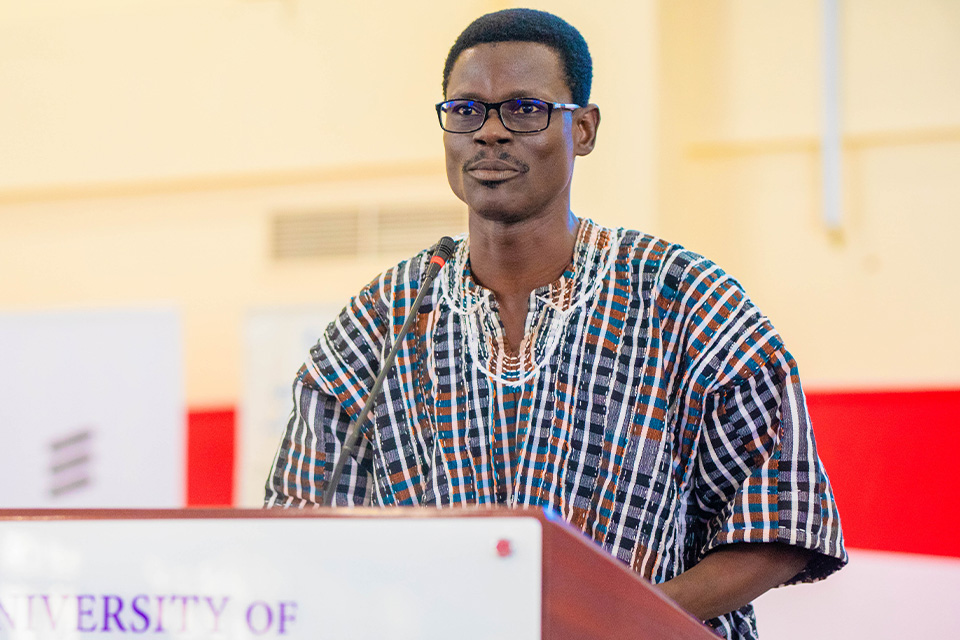
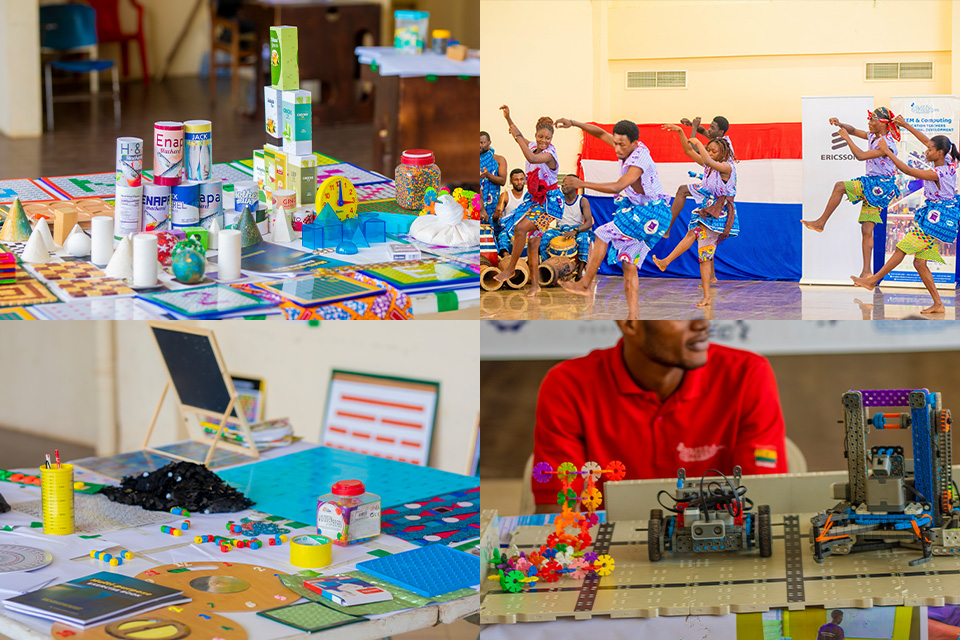
Prof. Enoch Sam and Prof. Peter Akayuure of UEW outlined the purpose of the summit, stressing responsible use of AI in education and showcasing community STEM initiatives designed to prepare Ghana’s younger generation for the future.
Participants acknowledged several challenges including inadequate infrastructure, a shortage of trained STEM educators and disparities in access to technology. Nonetheless, they were unanimous that these barriers should serve as catalysts for innovation and the development of robust public-private partnerships.
The summit concluded with a unified call for universities, policymakers, educators and industry leaders to build an education system that empowers students not only to pass examinations but also to innovate, solve national challenges and compete globally.