Danish Intern Highlights Reflective Practice in Effective Special Education at UEW


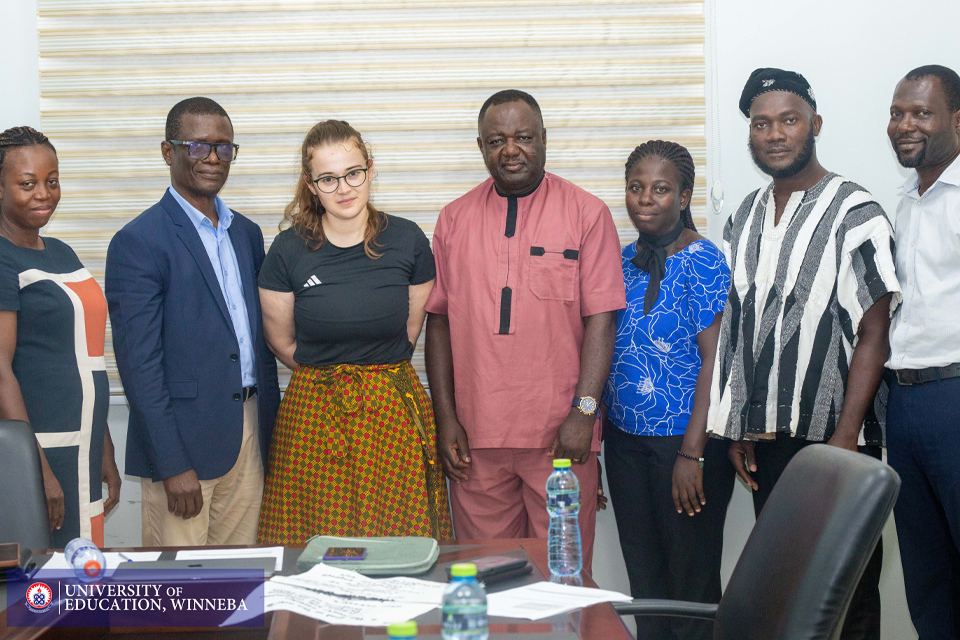
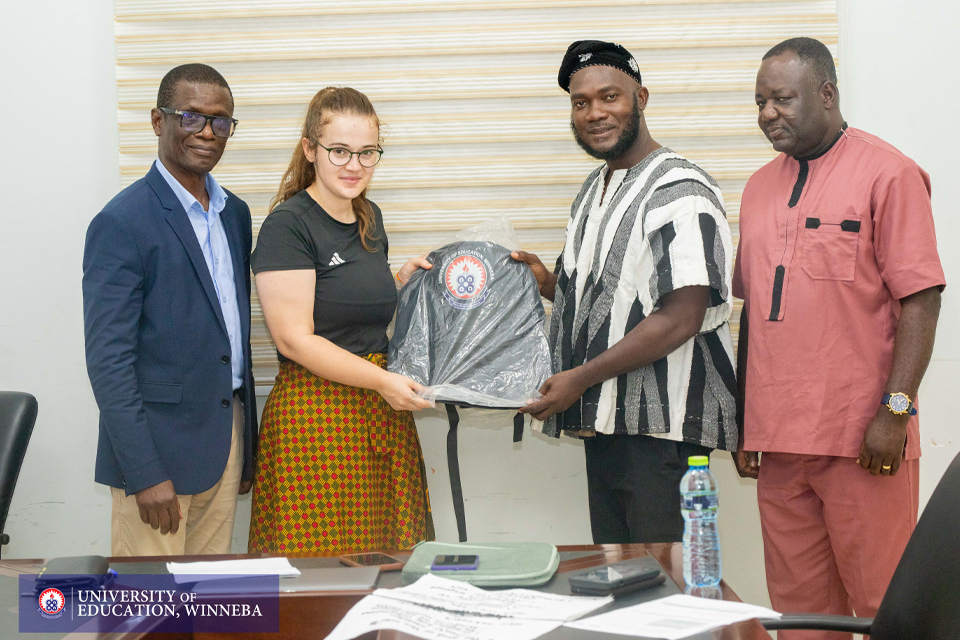
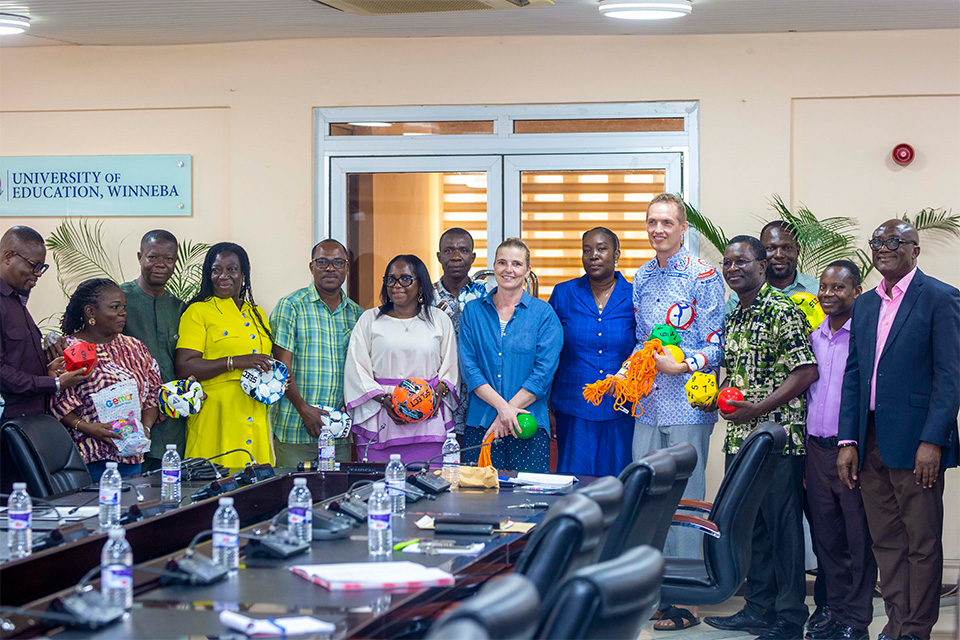
A Danish special education intern at the University of Education, Winneba (UEW), Ms. Loa Roin Welling, an exchange student from University College Copenhagen, Denmark, has highlighted the importance of reflective practice, continuous learner assessment and individualised interventions in improving educational outcomes for children with disabilities.
Ms. Loa Welling shared practical insights from her internship during a presentation at UEW. She emphasised the need for educators to understand individual learner needs, assess progress continuously and adapt teaching strategies to achieve meaningful learning outcomes.
Drawing on a case study involving a learner with special educational needs, she demonstrated how systematic observation, baseline assessment and carefully planned activities could support a child's development, particularly improving motor skills.
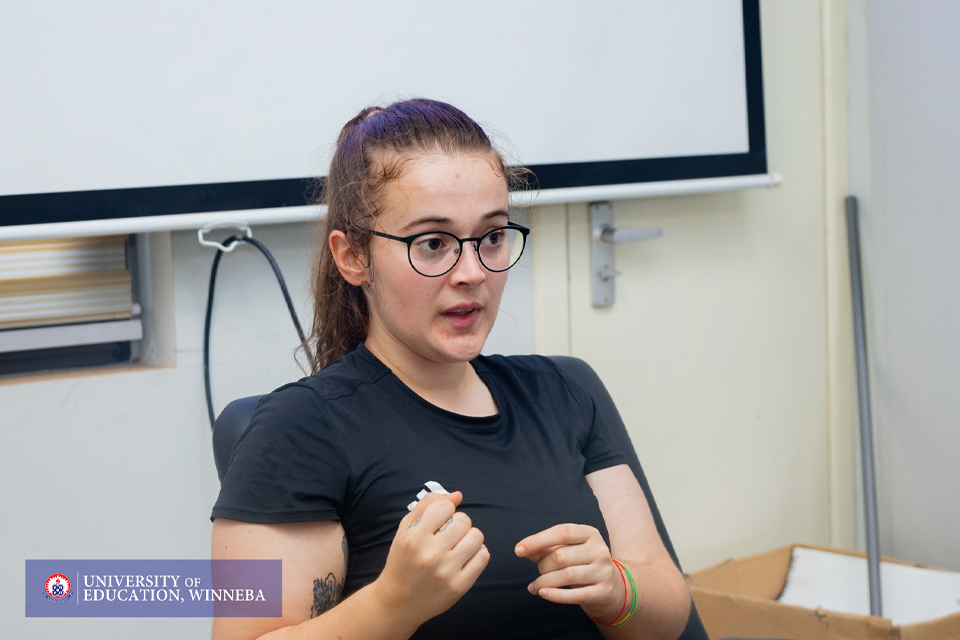
She stressed that effective intervention must begin with a clear understanding of each learner's strengths, challenges and specific educational needs, noting that assessment provides the foundation for designing appropriate support programmes.
Ms. Loa Welling explained that educators should not necessarily wait for formal diagnoses before initiating appropriate interventions as observations and baseline assessments can provide valuable information for making informed educational decisions.
She further encouraged special educators to focus on learners' abilities rather than their limitations, explaining that understanding individual capabilities, communication patterns and learning preferences was essential for developing effective interventions, particularly for non-verbal learners.
A major thrust of her presentation was the need for continuous reflection in professional practice. She noted that educators must regularly evaluate their teaching methods, assess the effectiveness of interventions and make necessary adjustments to accommodate the changing needs of individual learners.
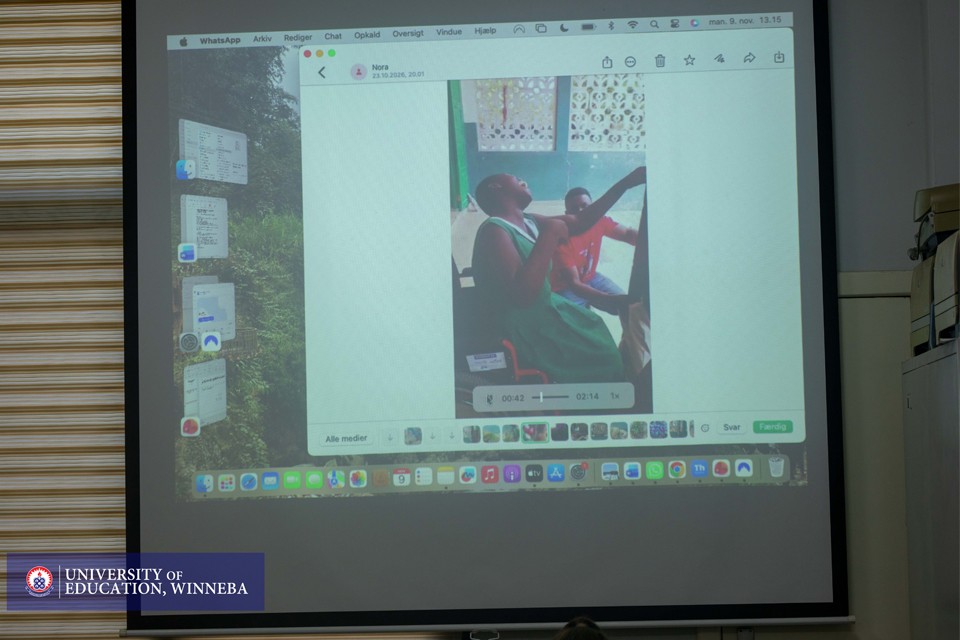
She noted that no single instructional approach can adequately address the diverse needs of children with disabilities. Effective special education therefore depends on flexibility, innovation and continuous professional learning.
The intern also highlighted collaboration among teachers and support staff as an important element of successful intervention. She explained that regular planning, progress reviews and shared reflections during her internship helped inform decisions and strengthen support for learners.
The presentation was followed by an interactive discussion involving faculty members and students who examined issues on learner assessment, documentation, communication and intervention planning. Participants underscored the need for accurate learner records, early identification of educational needs and structured support systems for children with disabilities.
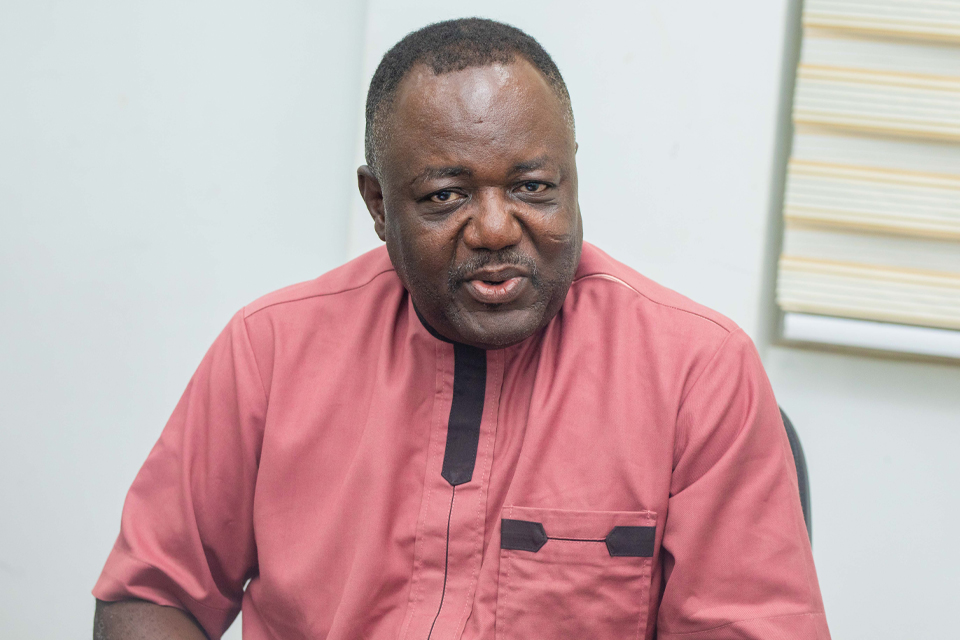
Dr. Emmanuel Kwasi Acheampong, Head of the Department of Special Education and Ms. Welling's supervisor, emphasised the importance of effective supervision and sustained engagement to ensure meaningful practical training experiences for student interns.
He noted that clearly defined expectations, regular monitoring and constructive feedback were essential to helping trainees translate theoretical knowledge into professional practice. He added that consistent engagement between supervisors and trainees also provided opportunities to address challenges promptly and strengthen their professional development.
The engagement reinforced the importance of evidence-based, learner-centred and reflective approaches to special education, highlighting the need for educators to continually evaluate their practices and tailor interventions to the individual needs of learners with disabilities.