CoLANGE-UEW Promotes the Digital Future of Ghanaian Languages at Durbar


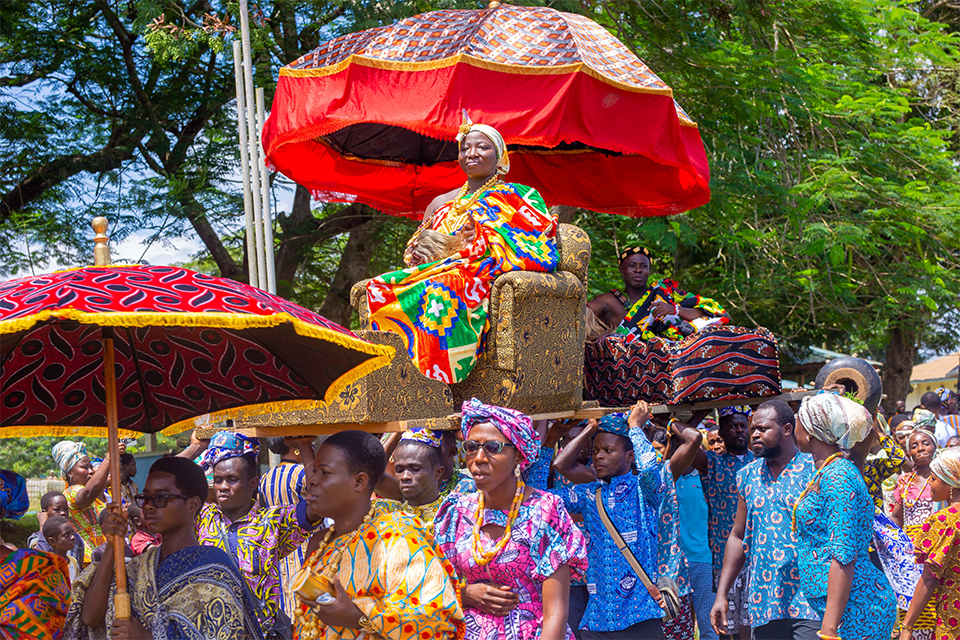
The College of Languages Education (CoLANGE) at the University of Education, Winneba (UEW) affirmed its leadership in promoting Ghanaian languages by bringing together scholars, traditional leaders and other stakeholders to leverage digital technology to preserve, develop and advance indigenous languages for national development.
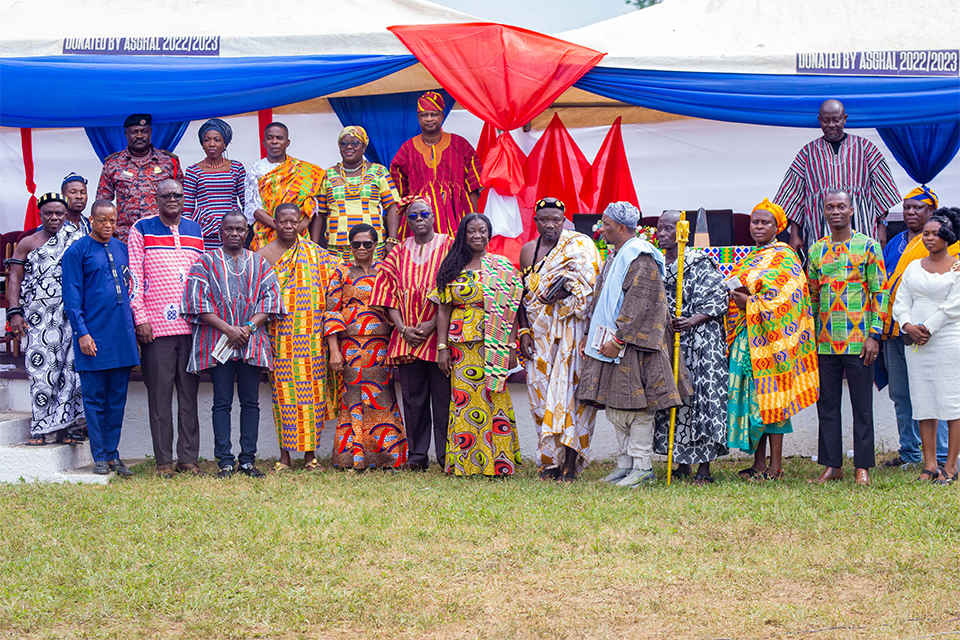
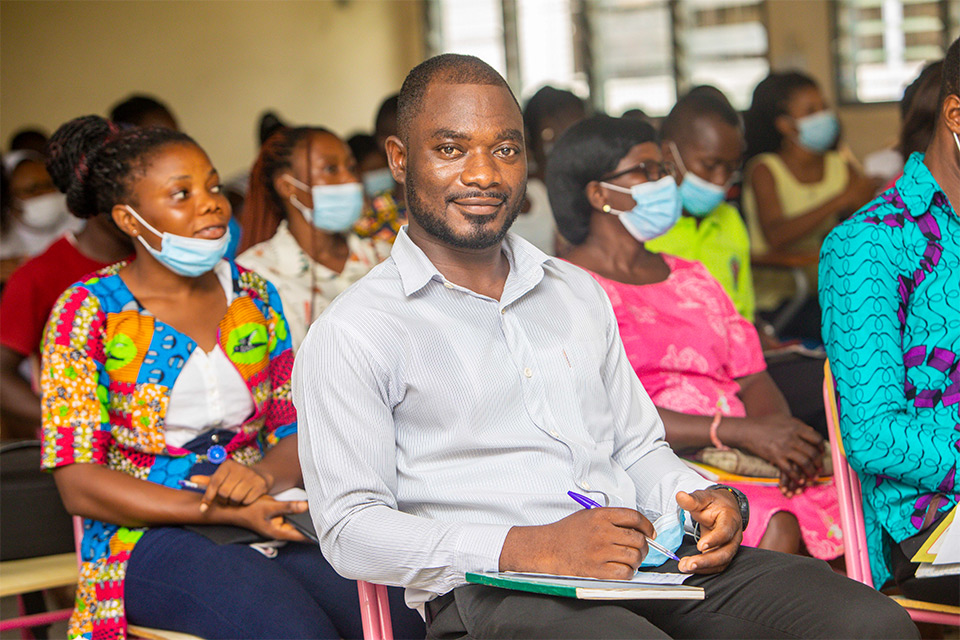
CoLANGE, through the Faculty of Ghanaian Languages Education (FGLE) at the Ajumako Campus, hosted a grand durbar under the theme, "Harnessing Technology for Sustainable Indigenous Languages Development: The Role of Stakeholders,” to mark the 2026 Cultural Week Celebration.
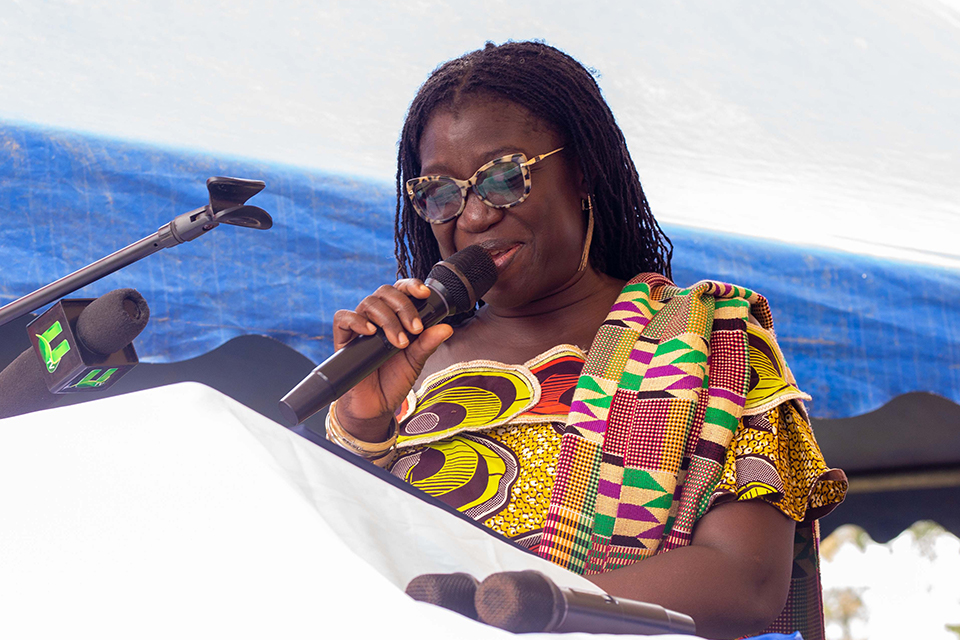
The Chair of the event, Prof. Rebecca Akpanglo-Nartey, the Principal of CoLANGE, described indigenous languages as the foundation of culture, identity and history. She stressed that their survival depends on their visibility in the digital space.
She noted that technologies such as artificial intelligence, digital publishing, speech technologies, mobile applications, podcasts and social media offer unprecedented opportunities to document, teach and revitalise Ghanaian languages. She urged stakeholders to embrace innovation while preserving the country's rich linguistic heritage.
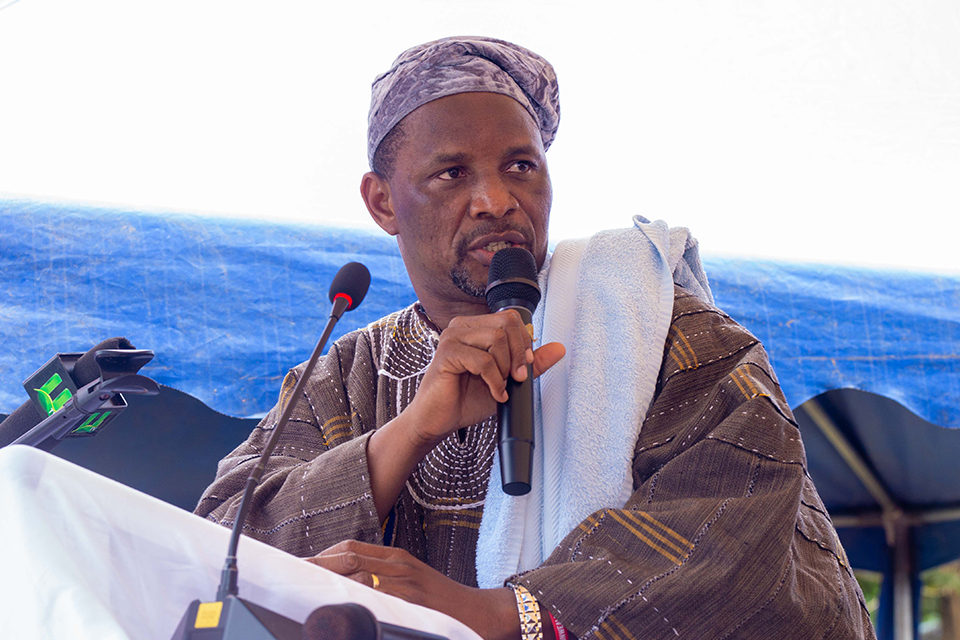
Prof. Samuel Alhassan Issah, the Dean of FGLE, said the annual Cultural Week celebrates Ghana's linguistic diversity while promoting conversations on the future of indigenous languages. He disclosed that the Faculty currently offers about 14 Ghanaian languages and challenged parents and families to give greater recognition to indigenous languages in the home.
"We cannot have economic power attributed to our Ghanaian languages when we ourselves do not give them the recognition that they need," he stated.
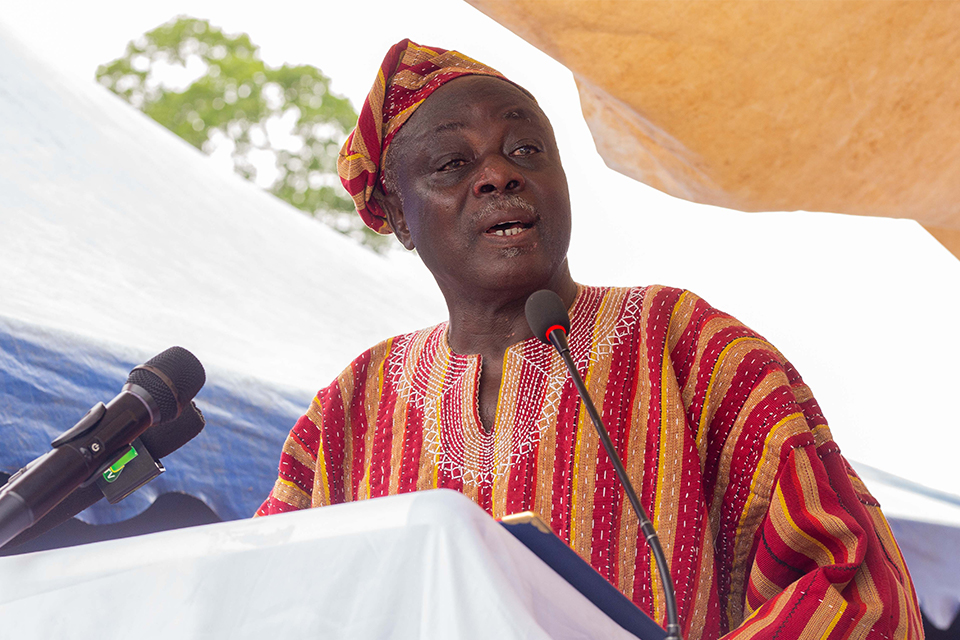
Delivering the keynote address, Prof. Domwini Dabire Kuupole, former Vice-Chancellor of the University of Cape Coast, called on UEW to spearhead a national agenda for indigenous language research and digital innovation.
He observed that although artificial intelligence, machine translation and digital archiving present enormous opportunities for language development, Ghanaian languages risk exclusion from emerging technologies without adequate digital resources.
Prof. Kuupole proposed establishing a digital archiving unit at UEW to preserve oral literature, proverbs, songs and recorded speeches in Ghanaian languages. He also advocated stronger collaboration among linguists, educators, technology experts, government, industry and traditional authorities, as well as the introduction of an annual UEW Ghanaian Languages Technology Summit.
"The University of Education, Winneba is uniquely positioned to lead this national transformation," he said.
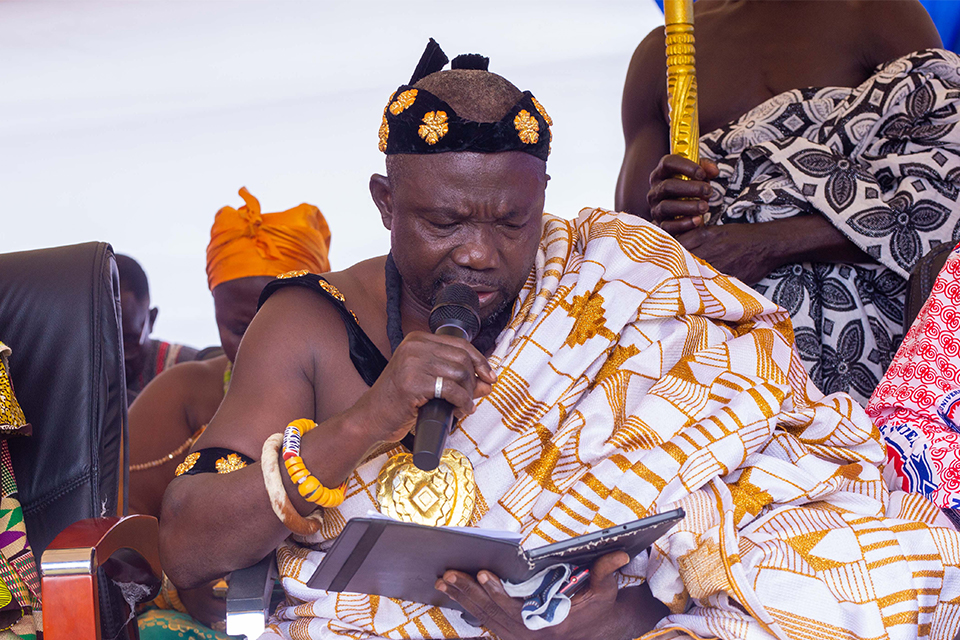
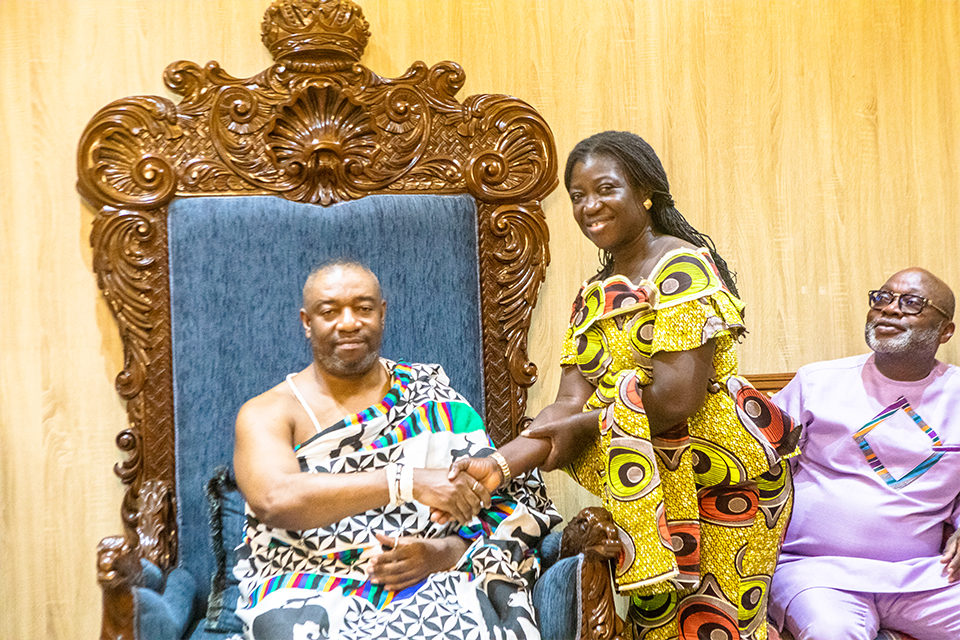
Representing the Paramount Chief of the Ajumako Traditional Area, Nana Begyina IX, Odikro of Babenso, called for stronger policy support, sustained investment and improved digital infrastructure to promote multilingual education and indigenous language development. He urged communities and technology developers to work together to produce accessible digital content and tools that will encourage younger generations to use Ghanaian languages.
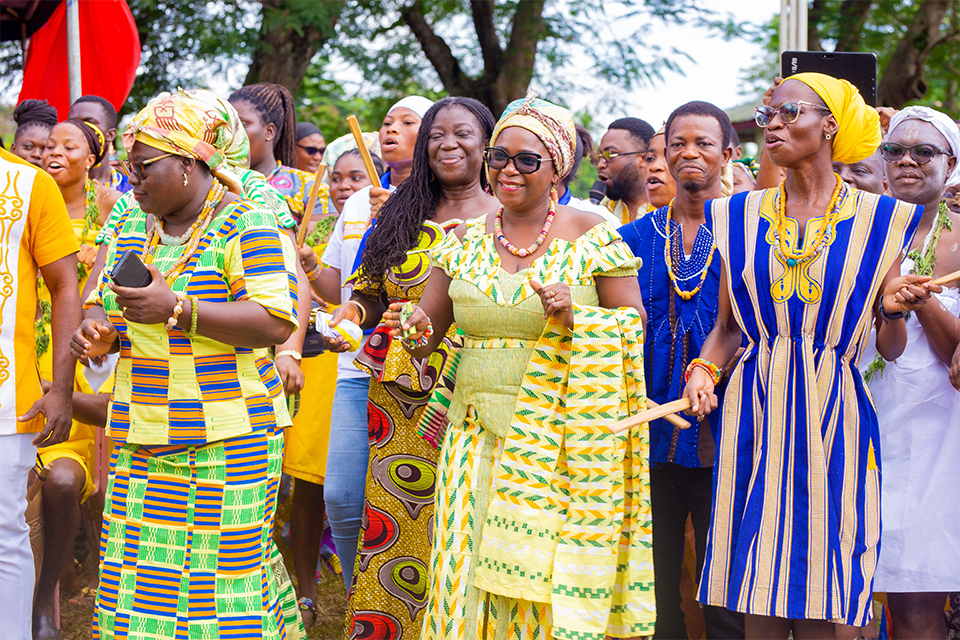
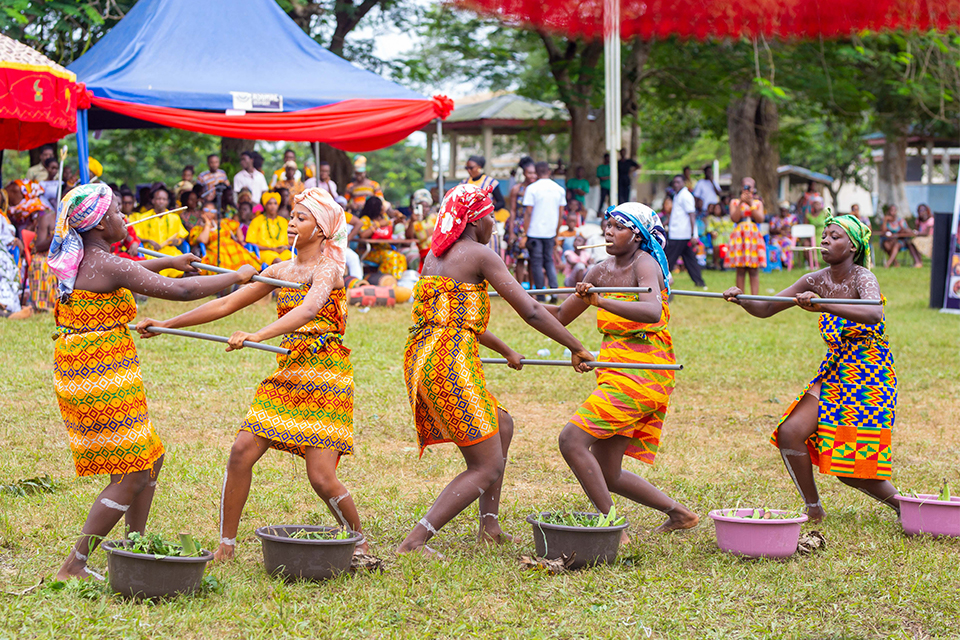
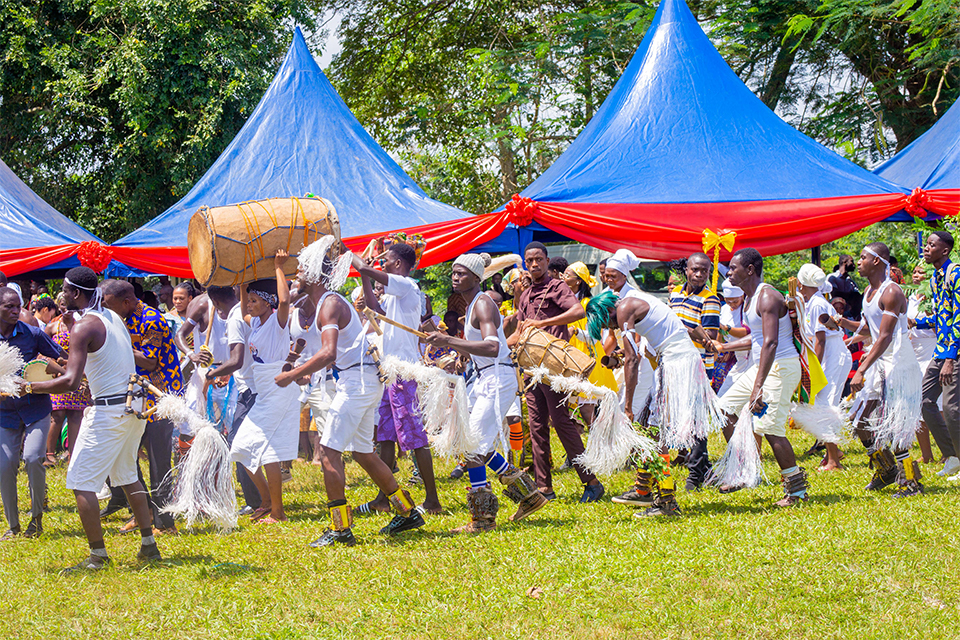
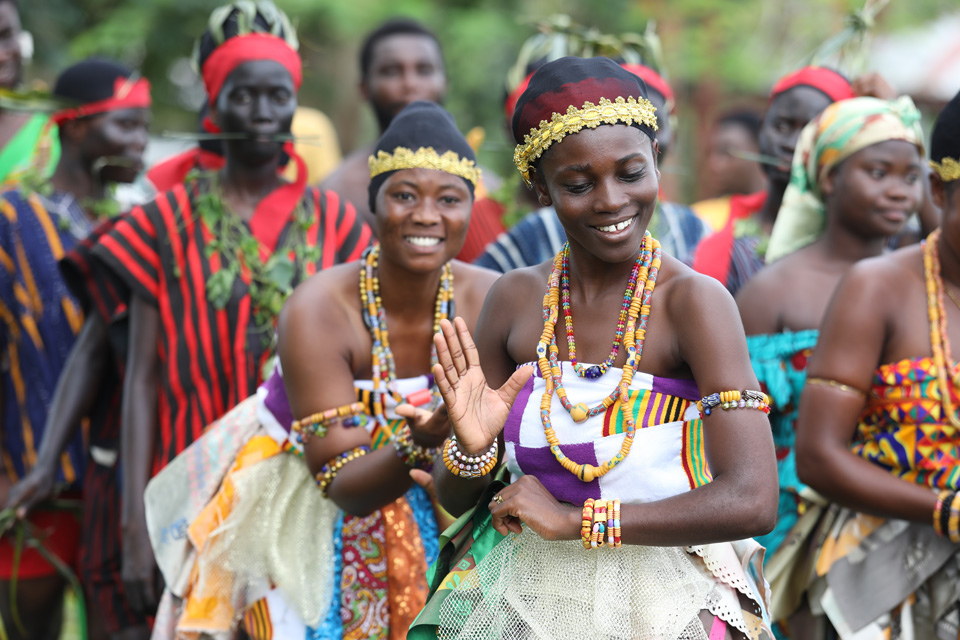
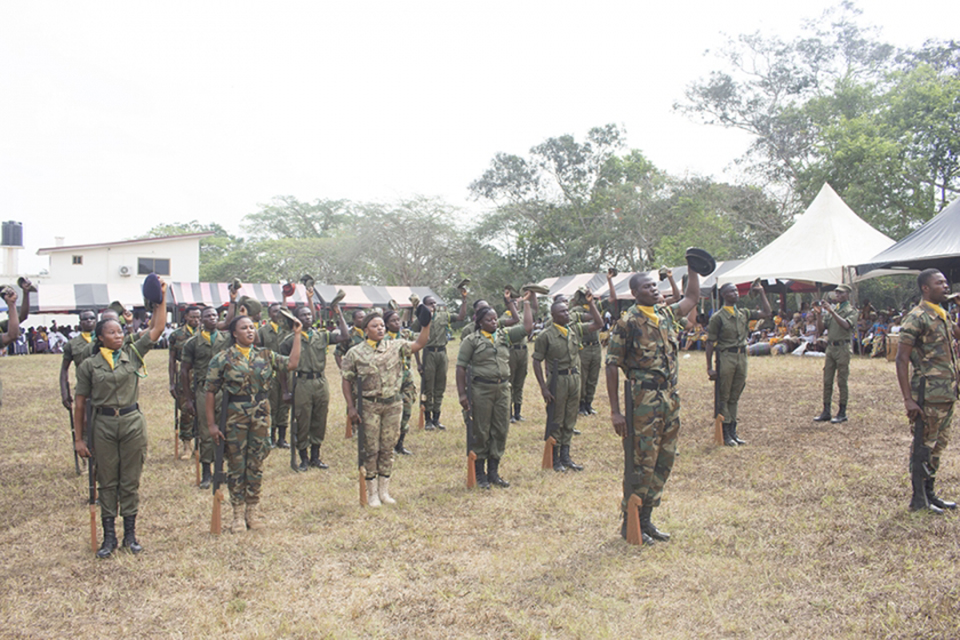
The celebration featured poetry recitals, cultural performances and a cadet display by the CoLANGE Army Cadet Corps, highlighting the richness of Ghana's cultural heritage and the enduring relevance of indigenous languages.
The 2026 Cultural Week Celebration reinforced UEW's commitment to preserving Ghana's linguistic heritage while positioning indigenous languages as catalysts for innovation, inclusive education and sustainable national development.