UEW, SEND Ghana Promote Healthier Choices Through Food Labelling



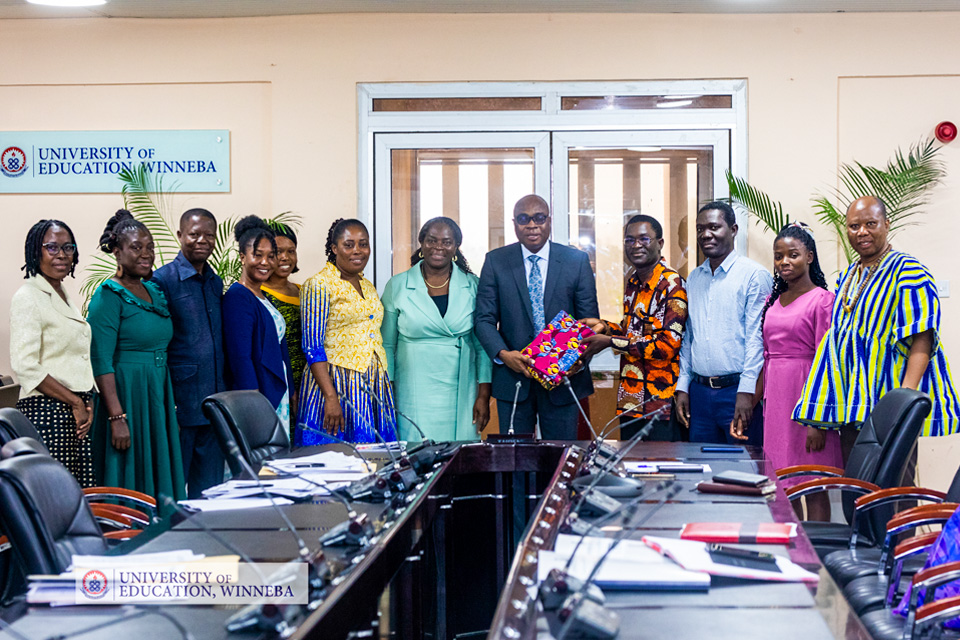
The University of Education, Winneba (UEW), through its Faculty of Health, Allied Sciences and Home Economics Education (FHASHEE) has partnered with SEND Ghana to educate students, staff and the public about Front-of-Pack Warning Labelling (FOPWL).
This initiative aims to promote healthier food choices and reduce the increasing burden of diet-related non-communicable diseases (NCDs).
The sensitisation workshop, held at the North Campus Mini-Conference on Friday, 10th July, 2026, brought together faculty members, students, health advocates and officials from SEND Ghana to deepen public understanding of FOPWL, a policy intervention that enables consumers to easily identify packaged foods high in sugar, salt and unhealthy fats.

Welcoming participants, Dr. Guy Eshun, the Head of the Department of Integrated Home Economics Education, described the initiative as timely in view of the increasing consumption of processed foods and the rising incidence of diet-related illnesses. He said the University's responsibility extends beyond training professionals to nurturing graduates who can champion healthy lifestyles within their communities.
Dr. Eshun commended SEND Ghana for its public health advocacy and expressed optimism that the collaboration would strengthen partnerships between the organisation and the Faculty.

Delivering the keynote address on behalf of the Vice-Chancellor, Prof. Fred Yao Gbagbo, the Dean of FHASHEE, echoed UEW's commitment to advancing teaching, research and community engagement in health education. He said the partnership aligns with the Faculty's mission of producing graduates capable of addressing emerging public health challenges.
Prof. Gbagbo observed that increased awareness of nutrition labels can significantly influence healthier dietary decisions. He added that such engagements expose students to contemporary health issues while complementing classroom learning. He urged participants to embrace the knowledge shared as an investment in their long-term well-being.
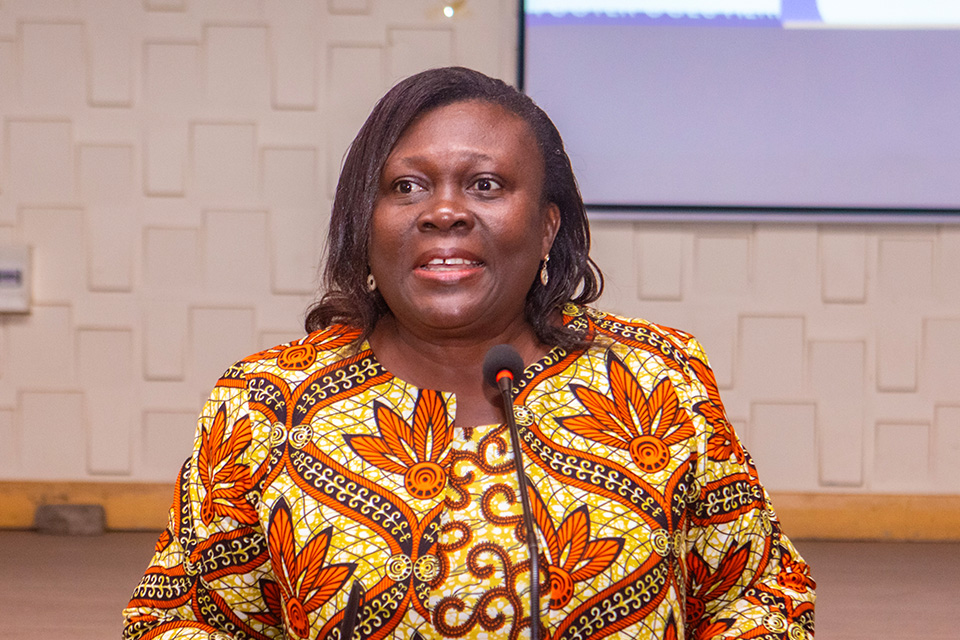
Mrs. Harriet Nuamah Agyeman, the Country Director of SEND Ghana, highlighted the urgent need to improve Ghana's food environment through policies that empower consumers to make informed dietary choices. She disclosed that nearly half of all deaths in Ghana are linked to non-communicable diseases many of which can be prevented through healthier eating habits.
She explained that Front-of-Pack Warning Labelling is one of four major food policy initiatives being advanced by the Ministry of Health to improve the nation's food environment. According to her, clear warning labels on packaged foods would enable consumers to quickly identify products high in sugar, salt and unhealthy fats while encouraging manufacturers to reformulate products to healthier standards.

Providing an overview of the campaign, Ms. Baaba Sam, SEND Ghana Project Officer, explained that the proposed warning labels simplify nutritional information by displaying prominent symbols on products that exceed recommended levels of sugar, sodium and unhealthy fats. She noted that similar policies in countries such as Chile, Mexico and Peru have contributed to healthier purchasing decisions and improved food formulations.

During an interactive session, Mr. Mohammed Nurudeen Salifu, SEND Ghana's Mass Media Campaign Officer, challenged students to become ambassadors for healthy living by using social media, campus campaigns and community outreach to promote healthier diets and advocate for policies that support improved public health.
The workshop featured practical demonstrations on interpreting food labels, presentations and advocacy sessions aimed at equipping participants with the knowledge and skills to make healthier food choices and contribute to national efforts to reduce diet-related diseases.